How to Improve the Efficiency of Slag Granulation Equipment
Assessing Current Performance and Identifying Bottlenecks
- Assessing Current Performance and Identifying Bottlenecks
- Key Strategies to Optimize Slag Granulation Equipment Efficiency
- Technology Innovations Enhancing Slag Granulation Efficiency
- Environmental and Economic Benefits of Efficient Slag Granulation
- Buying Considerations for High-Efficiency Slag Granulation Equipment
- Conclusion
- FAQ
- Partner with SMEC for Advanced Slag Granulation Solutions
- References
To make slag granulation equipment work better, you need to understand how thermal control, mechanical accuracy, and working consistency all work together. In modern metalworking, blast furnace slag granulation equipment is the key link between managing molten waste and making things of value, turning dangerous leftovers into materials that can be sold. At SMEC, we've seen that operators can increase efficiency by more than 30% when they regularly fix performance bottlenecks and adopt automation and preventive maintenance routines. This all-around method makes sure that your investment gives you long-term profits while also meeting stricter environmental standards.
Assessing Current Performance and Identifying Bottlenecks
Establishing Baseline Performance Metrics
Before you start working on ways to make things better, you should set clear performance goals for your granulation system. The basic metric is output capacity, which is usually given in tons per day. But granule quality factors like the percentage of glass content and the spread of particle sizes are just as important. The amount of energy used per ton of processed slag shows hidden problems, and keeping track of unexpected breaks shows trends that hurt output. At SMEC, our expert team regularly looks at these measures in a range of working conditions, such as integrated steel complexes and specialized cement production facilities.
Common Bottlenecks in Granulation Operations
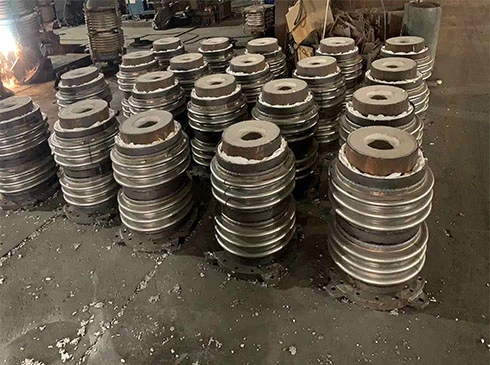
One of the main things that makes slag handling devices less efficient is mechanical wear. If you don't choose the right material, the granulation head will break down faster because it will be exposed to high thermal shock and rough touch with molten material at temperatures close to 1500°C. We have examples of chromium-molybdenum alloy parts that lasted 40% longer between repairs than normal steel options. Inconsistent feed from operations upstream in the blast furnace has ripple effects throughout the grinding process, messing up the carefully adjusted water-to-slag ratio that is needed for the best glass phase content.
Facilities that don't have integrated thermal recovery systems often have problems managing the cooling water. When there isn't enough water pressure or flow rates aren't constant, quenching doesn't happen properly. This lets crystallization happen, which lowers the hydraulic activity of the end product. Because they can't automate everything, workers have to handle in a reactive rather than a proactive way. This makes it take longer to respond to changes in the process and causes quality to vary.
Diagnostic Tools and Root Cause Analysis
Modern diagnostic methods use both real-time tracking systems and analyzes of past process data to find places where efficiency is being lost. Thermal imaging cameras find hot spots that mean refractory degradation or cooling system problems are about to happen before they become very bad. Vibration analysis finds worn bearings or imbalances in systems with spinning drums, letting repair workers do their jobs when they're supposed to. Getting regular feedback from operators can help you figure out problems that keep coming up that automatic systems might miss.
Our engineering team uses an organized diagnostic procedure to look at the whole process chain, from dumping the slag to drying out the finished product. This complete evaluation finds not only the symptoms but also the root causes, such as limits in the design of the equipment, changes in operational parameters, or poor repair processes.
Key Strategies to Optimize Slag Granulation Equipment Efficiency
Fine-Tuning Operational Parameters
For granulation to work as efficiently as possible, many factors that depend on each other need to be precisely calibrated. The quality of the product and how efficiently energy is used are both affected by the water-to-slag ratio, the quenching rate, and the temperature of the slag at release. We've found that keeping the water-to-slag ratio between 1:8 and 1:12 always results in glass values higher than 95%, which is the minimum level needed for ASTM C989 compliance in cement uses.
Changes in the slag flow rate need to take into account changes in the chemical make-up and temperature of the blast furnace tap. When working with ores that have a lot of calcium, the cooling settings need to be changed to keep the solidification from starting too soon. Managing the temperature of cooling water is more than just controlling the amount. Thermal recovery systems that warm up boiler feedwater or help with district heating can get back 15 to 20 percent of the latent heat energy while keeping the best conditions for granulation.
Implementing Advanced Automation Technologies
Automation with blast furnace slag granulation equipment is a game-changer for making slag grinding processes more efficient. Programmable logic controls with adaptable algorithms change the water pressure, nozzle angles, and drum spinning speeds all the time based on feedback from the process in real time. Variable frequency drives allow exact control of mechanical parts, which lowers energy use when throughput is low while keeping response high when throughput is high.
Predictive analytics are built into modern control systems that can see process problems coming before they affect the quality of the product. Machine learning algorithms that are based on past operational data find small patterns that show when equipment is about to break down or the process is going off track. This sets off preventative actions. We at SMEC have built these technologies into the machines we make because we know that the intelligence built into control systems is often just as important as how well they work mechanically.
Preventive Maintenance Programs
Systematic scheduling of repair turns the trustworthiness of equipment from a problem that needs to be fixed right away into a strategic benefit. Instead of using random calendar dates, inspection methods should check for key wear points at times that are based on how the machine is actually working. Granulation heads that work with high-basicity slag need to be inspected more often than those that work with acidic slags because they corrode in different ways.
Managing lubrication is more than just putting grease on things. When used in places with a lot of steam, high-temperature bearing systems need special lubricants that can keep their viscosity and fight wetness. If you repair worn-out parts before they break completely, you can keep other systems from getting damaged and avoid expensive emergency shutdowns during busy production times.
Operator Training and Skill Development
Superior equipment doesn't mean much if the people who use it don't know how to make the most of it. Standard working procedures, troubleshooting methods, and the basic ideas behind granulation processes should all be covered in thorough training programs. When things go wrong, operators can make better decisions when they know why certain factors are important instead of just simply following checklists.
Facilities that spend in ongoing skill development have 20–25% higher rates of equipment usage than facilities that only train operators once when they start working there. Cross-training programs that put employees in different operating jobs on a regular basis make organizations more resilient and help everyone learn more about how things work.
Technology Innovations Enhancing Slag Granulation Efficiency
High-Efficiency Granulator Designs
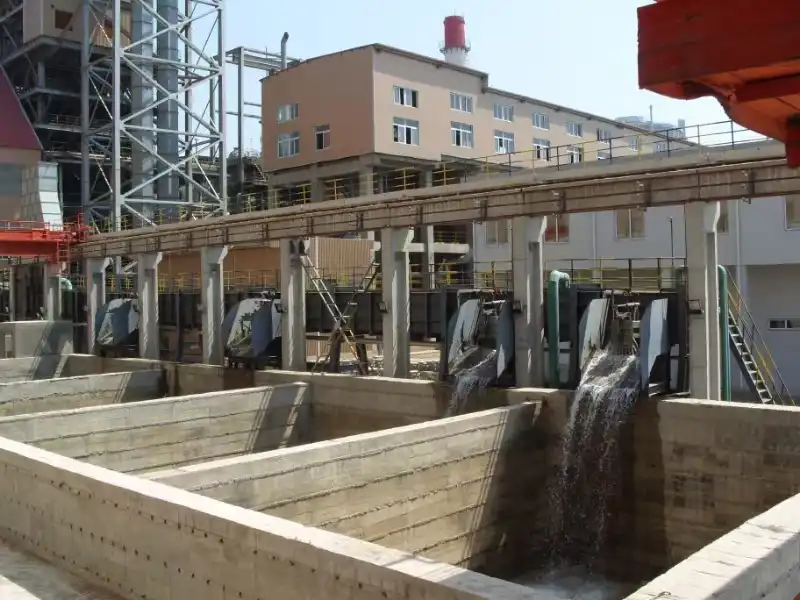
Modern granulator designs are the result of decades of improving metalworking processes and making computer simulations of fluid dynamics work better. Many businesses in Europe use the INBA spinning drum method, which uses centrifugal force to remove more water than other methods and can lower the moisture level to below 12% without any extra work. This is better than using a traditional filter tank, which has trouble getting the moisture level below 18%, which makes it harder to handle and store later.
Using computer design tools to create nozzle manifold setups that spread droplets more evenly and improve atomization efficiency. Multiple cooling stages that lower the temperature of the slag in controlled steps reduce thermal shock to the linings of refractory materials and make the most of steam production for energy recovery uses.
Energy-Efficient Equipment Technologies
New technologies in thermal management collect and reuse waste heat that older generation systems just released into the air. Through organic Rankine cycle devices, sealed condensation hoods and heat exchangers recover low-grade thermal energy that can be used to heat a room, warm up a process, or be turned into electricity. Once thought to be economically unimportant, these technologies now have payback times of less than three years thanks to rising energy costs and carbon pricing systems.
Modern refractory materials for blast furnace slag granulation equipment with high-alumina contents and designed porosity profiles offer better insulation and can handle the thermal cycle that comes with handling slag. Longer refractory life directly means less repair downtime and lower lifecycle costs, which are important factors for businesses that run ongoing campaign schedules.
Real-World Performance Improvements
A steel mill in the Midwest recently reported a 35% rise in grinding output after upgrading their automation system and fixing up the mechanical parts of their old equipment. The changes made it possible to process 1,800 tons per day instead of the previous 1,330 tons, which got rid of a persistent output bottleneck. Also important, the amount of energy used per ton dropped by 18%, which saved more than $280,000 a year.
In a different case, a cement maker had trouble with their granulated slag source having uneven amounts of glass in it. When closed-loop water pressure control and wear-resistant metal granulation heads were added, the glass content stayed above 96%. This improved the strength of the cement and cut quality complaints by 73% over a six-month tracking period.
Environmental and Economic Benefits of Efficient Slag Granulation
Reducing Environmental Footprint
Granulation systems that work well turn trash that would otherwise end up in landfills into useful building materials, which directly helps with sustainability goals. When granular slag is used to make cement, it replaces about 0.8 tons of Portland cement. This saves about 700 kg of CO2 that would have been released during the production of regular clinker. If you apply this to a normal blast furnace that makes 3,000 tons of slag every day, you can see that this saves more than 550,000 tons of emissions every year.
Better water management lowers the amount of water that is discharged and the effects of thermal pollution on water bodies that receive it. Closed-loop cooling systems clean and recycle process water while using as little freshwater as possible. This helps solve the problem of water shortage that is becoming more common in industrial areas. Chemical scrubbing devices that effectively remove sulfurous fumes from the air protect the quality of the air and stop acid rain precursors from entering the sky.
Quantifying Economic Returns
Gains in energy saving lead straight to gains in profits. At normal industrial energy rates, cutting power use by 20 kWh per ton of treated slag, which can be done by optimizing the whole system, saves about $2.40 per ton. This saves a plant that processes 900,000 tons of material every year $2.16 million in energy costs.
Lowering the cost of maintenance is also very appealing. By using better materials and better ways of working, you can extend the service life of granulation heads from 18 months to 30 months. This lowers the cost of the parts and gets rid of the need for extra labor and reduced production costs. Higher asset utilization comes from more reliable equipment, which lets facilities meet production goals with the infrastructure they already have instead of spending money on capacity increases.
Strengthening Market Competitiveness
More and more, companies that use blast furnace slag granulation equipment and show they care about the environment get special treatment in both government and business settings. Green building approval programs give points for using concrete with a lot of slag, which creates a demand for good powdered products. Government-funded infrastructure projects often have sustainability rules that support materials with shown environmental benefits over their entire lifecycle. This puts efficient producers at an edge when bidding against other companies.
Buying Considerations for High-Efficiency Slag Granulation Equipment
Critical Feature Evaluation
When making purchases, equipment features that are in line with working needs and long-term strategy goals should be given the most weight. The level of automation affects both working freedom and the number of workers needed. Fully integrated systems allow a single operator to oversee whole granulation trains. Specifications for energy use should be carefully looked over because small differences in power needs can add up to big price differences over the normal 15-year span of equipment.
Features that make maintenance easier have a big effect on lifetime costs and operating availability. Designs that use quick-change wear component systems cut down on downtime during planned maintenance periods, and modular construction makes it easy to swap parts without shutting down the whole system. The granulated slag output's market acceptance and price power depend on how consistent the product quality is, which is shown by standards for controlling particle size distribution and glass content variability.
Comparing Technology Providers
The global market for slag granulation equipment is made up of a wide range of providers, from well-known European engineering firms with a century of experience to new companies that offer cheaper options. When judging something, you shouldn't just look at the initial capital costs. You should also look at the total cost of ownership, which includes things like energy use, upkeep needs, and how long the thing is expected to last.
Technical help is very important, especially for sites that work in remote areas or don't have a lot of tech staff on staff. Suppliers that offer full setup help, operator training programs, and quick troubleshooting support go above and beyond just providing gear. Reference site visits give you important information about how equipment works in the real world and how reliable a seller is that you can't get from advertising.
Scalability and Customization Options
Processing needs change when processes upstream of the blast furnace change or when market factors change how people want to mix their products. Modular expansion possibilities built into equipment designs allow for growth without having to update the whole system. Sharing cooling water systems, material handling equipment, and control platforms between new granulation units and current infrastructure lowers the cost of incremental growth while keeping operations running smoothly.
Site-specific limitations, such as limited footprint or interaction with old systems that use non-standard interfaces, can be met by customization freedom. Suppliers who are ready to change tried-and-true designs to fit specific application needs show that they care about their customers, which usually leads to better long-term relationships. At SMEC, our engineering team often works with customers to create custom solutions that improve speed while still meeting the needs of real-world operations.
Conclusion
To keep blast furnace slag granulation equipment operations running more efficiently, you need a complete plan that includes careful diagnosis, operating optimization, technological progress, and smart equipment choice. The approaches and things to think about described here are tried-and-true methods that work in a variety of metalworking settings. By following these guidelines, companies can get both short-term operating benefits and long-term economic advantages. This turns slag processing from a necessary burden into an asset that creates value. When economic opportunities and environmental concerns come together, efficiency optimization is not only a good idea, it's a must for industry operations that want to be successful in the future.
FAQ
What maintenance intervals maximize blast furnace slag granulation equipment performance?
Instead of following general advice, maintenance schedules should be based on real working conditions. Every 3,000 hours of use, granulation blades need to be carefully inspected, and based on the slag's chemistry, wear parts need to be replaced every 12 to 18 months. Bearing sets in spinning drum systems should be oiled every three months and fully inspected once a year. Thermal imaging tests must be done every six months on refractory linings to find signs of wear and tear before they break through. To keep the process precise, the setting of the control system should be checked once a month.
How do automation upgrades make old machinery work better?
When you add modern control systems to old mechanical platforms, you can usually get 15 to 25 percent more efficiency through better parameter optimization and less human variability. Modern PLCs with adaptive algorithms can react to changes in the process within milliseconds and keep the best working windows that can't be reached by hand. With predictive maintenance, problems can be found before they break down, which greatly reduces unexpected downtime.
What distinguishes portable from stationary granulation systems?
Stationary systems that work well in integrated steel mills can handle more work—usually 1,200 to 2,000 tons per day—and can be fully automated and incorporate energy recovery. Portable units are useful for smaller tasks or short-term uses, but they are less efficient because they are mobile. On average, they can move 300–600 tons per day with simpler control systems and lower capital needs.
Partner with SMEC for Advanced Slag Granulation Solutions
With decades of experience in the metallurgical process and a track record of success in tough industrial settings, SMEC offers a wide range of blast furnace slag granulation equipment options. Our engineering team works closely with clients to create, build, and start up systems that are best for their needs, whether they are an integrated steel maker, a cement factory, or an EPC contractor in charge of full-turnkey projects. With 168 engineering and technical staff, including 30 top engineers, we offer the deepest technical help from the first meeting through the end of the product's lifecycle. Get in touch with our experts at project@smec.cc to talk about how our customized equipment solutions can help you run your business more efficiently, have less of an effect on the environment, and be more competitive in the market as a reliable provider of blast furnace slag granulation equipment.
References
Chen, Y., & Wang, H. (2021). Advanced Technologies in Blast Furnace Slag Processing: From Waste to Resource. Metallurgical Industry Press.
International Slag Association. (2020). Best Practice Guidelines for Granulated Blast Furnace Slag Production and Quality Control. ISA Technical Report Series.
Kumar, S., & Bhattacharjee, B. (2019). "Thermal Management and Energy Recovery in Modern Slag Granulation Systems." Journal of Sustainable Metallurgy, 5(3), 412-428.
Mueller, T., & Schmidt, J. (2022). Automation Strategies for Ironmaking By-Product Processing. European Steel Technology Platform.
Zhang, L., Wang, Q., & Liu, X. (2020). "Comparative Analysis of INBA and Tyna Slag Granulation Technologies: Performance and Economic Evaluation." Iron and Steel Technology International, 93(4), 54-63.
American Society for Testing and Materials. (2021). ASTM C989: Standard Specification for Slag Cement for Use in Concrete and Mortars. ASTM International Standards.
Free consultation & volume discounts available
SEMC focuses on the entire metallurgical process—from coking, ironmaking, and steelmaking to continuous casting and rolling. Whether you face challenges related to equipment upgrades, energy efficiency optimization, or overall process transformation, please fill in the following information. Our technical team will provide you with tailor-made high-end equipment upgrade solutions and professional EPC design services to help your project be implemented efficiently.
Recommended Blog
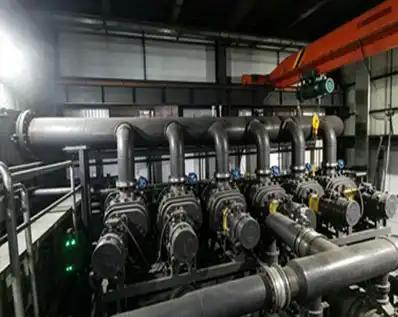
How Slag Granulation Equipment Reduces Environmental Impact
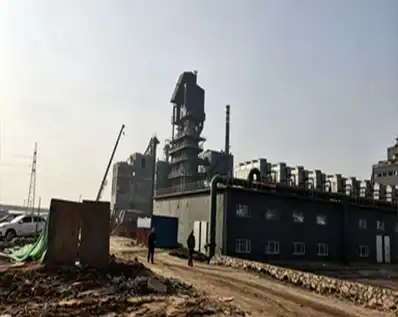
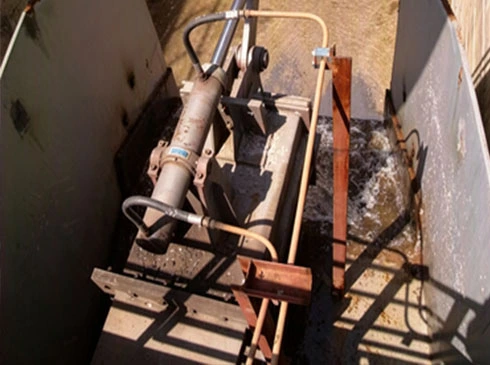
OEM Blast Furnace Tuyere Equipment: Benefits for Steel Plants
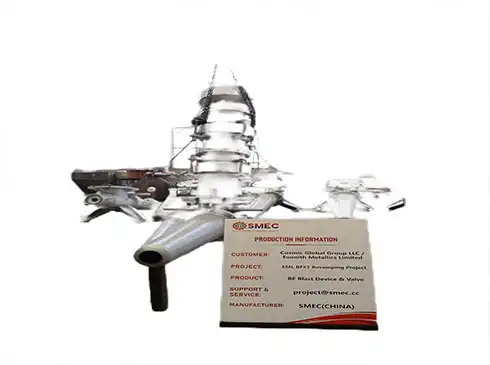
Why Cooling Water Barrier Systems are the Last Line of Defense in BF Safety?
Maintenance Tips for Blast Furnace Drill Rod Replacement Equipment
Why Modern Steel Plants Use Automatic Drill Rod Replacement Devices