How Does High Furnace Body Lining Replacement Improve Efficiency?
Understanding High Furnace Body Lining and Its Role in Efficiency
- Understanding High Furnace Body Lining and Its Role in Efficiency
- The High Furnace Body Lining Replacement Process: Step-by-Step Overview
- How Replacing High Furnace Body Lining Enhances Efficiency?
- Making the Right Choice: Selecting Furnace Lining Services and Materials
- Best Practices for Maintaining High Furnace Body Lining to Sustain Efficiency
- Conclusion
- FAQ
- Partner With SMEC: Your Trusted Supplier for Furnace Lining Solutions
- References
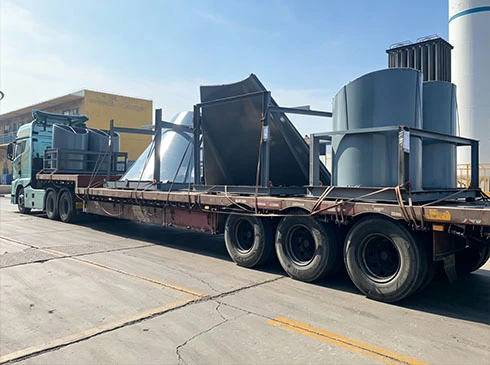
The high furnace body lining replacement service handles one of the biggest problems with efficiency in metalworking: deteriorating refractory systems that lower heat performance and threaten production reliability. When refractory linings break down due to chemical erosion, thermal shock, or mechanical wear, furnaces can't keep the right temperature zones. This makes them use more energy and make worse products. Proper replacement fixes the thermal envelope, gets rid of dangerous hot spots on furnace shells, and extends operational campaigns by a lot, sometimes by several years. This is an important step for keeping coking plants, steel mills, and chemical facilities competitive in terms of their production costs.
Understanding High Furnace Body Lining and Its Role in Efficiency
Defining Refractory Linings in Metallurgical Vessels
Refractory linings protect the steel shell of blast furnaces, coke ovens, and smelting units from the very high temperatures inside, which are often over 1700°C. These engineered systems are made up of several layers that are meant to keep heat in, protect against chemical attack, and handle mechanical forces from objects falling in charge and turbulent gas flows. Without complete linings, furnace shells would break down very quickly, which would cause major safety and operating problems.
Common Refractory Materials and Their Properties
Modern lining systems use special materials that are chosen for different heat zones inside the furnace. Alumina-based refractories are great for furnace hearths and lower parts because they don't react badly with acidic slags and keep their shape at high temperatures. Compositions of magnesium and chrome work best in places where they are subject to basic slags and oxidizing conditions, like steel-making settings. Silicon carbide castables are very good at moving heat, so they work well in cooling systems and don't wear down easily when charged materials move. Microporous carbon blocks are very resistant to being attacked by alkalis and breaking down CO in blast furnaces. Each material has its own benefits: high cold crushing strength keeps structures from breaking, low perceived porosity below 15% stops hot metal from getting inside, and refractoriness under load exceeding 1700°C keeps dimensions stable during use.
These technical requirements are in line with ISO 13765 and ASTM C113 standards. This makes sure that the product will always work well in harsh industrial settings. When plant engineers choose materials, they look at how they will react to heat, chemicals, and mechanical loads that are specific to their work.
Recognizing Signs of Lining Wear and Operational Risks
Several visible signs that smart operations teams keep a close eye on show that refractory linings are breaking down. Temperatures outside the shell rising above standard levels mean that the insulation is getting thinner, which could lead to burn-through risks. When more fuel is needed to keep temperatures at set points, it means that the thermal efficiency has been weakened because heat is escaping through worn-out refractories. Differences in product quality are often caused by temperature profiles that aren't stable because of uneven lining wear. Infrared thermography can find visible hot spots that show areas of failure that need instant attention.
If you ignore these warning signs, business risks will rise sharply. As heaters work harder to make up for heat loss, energy costs go up. When emergency shutdowns are needed, they can throw off production plans. When a refractory fails and molten material comes into touch with water-cooled parts, it can be dangerous because steam blasts could happen. When buying managers and expert decision-makers know about these risks, they can schedule replacements ahead of time during planned maintenance windows instead of having to deal with expensive emergency situations.
The High Furnace Body Lining Replacement Process: Step-by-Step Overview
Advanced Inspection and Diagnostic Techniques
A thorough diagnostic review is needed to figure out the scope and severity of the needed action before any replacement work is started. Ultrasonic thickness gauging finds out how much refractory is still there without damaging it. This gives accurate information on how the structure of the furnace is wearing away. Laser scanning creates three-dimensional models that compare the current shape to the original design specs. This finds areas of distortion that need structural attention. Using infrared thermography during operation to make a picture of how temperatures are distributed can show insulation problems that can't be seen with the naked eye.
Core sampling from easy-to-reach places in high furnace body lining replacement service lets scientists study how hard materials break down in the lab. X-ray fluorescence testing proves that changes in chemical makeup caused by slag or alkali attack are real. Testing the physical properties of materials tests their cold crushing strength and lasting linear change to see how much structural integrity they still have in materials that are partly worn. This thorough diagnostic method leads to accurate specifications for replacement parts and a clear description of the job scope.
Safe Removal Procedures for Degraded Linings
To keep workers safe and save usable furnace parts, the removal of old refractory linings needs to be carefully planned. With robotic dismantling systems, workers can get into tight, high-temperature areas while staying away from dangerous areas. High-pressure water jets with automatic positioning settings can remove refractories that are gunned or castable without making too much dust in the air. Manual methods using air hammers and chisels are still needed in places with complicated shapes or that are close to cooling elements that could break easily.
Continuous tracking of the air quality during removal operations saves workers from breathing in crystalline silica and other breathing-related dangers. Before putting in a new lining, structural engineers check the uncovered steel plates for deformation, rust, or damage that needs to be fixed. Damaged cooling elements are replaced or fixed so that the heater can handle heat properly when it's back in use.
Selecting Optimal Replacement Materials
The choice of materials affects how well the project will work in the long run and how much it is worth altogether. Purchasing professionals judge refractory providers by a number of important factors. The requirements for the materials must meet or go beyond the thermal, chemical, and mechanical needs of certain furnace zones. This can be proven by certificates that list the materials' makeup, porosity, strength, and thermal qualities. Consistency in manufacturing guarantees reliable performance from batch to batch across large-scale projects. Technical support helps solve problems during installation and improves the way materials are applied.
Leading refractory makers make materials that are designed for different types of furnaces and environments, such as blast furnace hearths, coke oven walls, electric arc furnace sides, and copper smelting vessels. When you compare technical data sheets to operational needs, you can make smart buying choices that balance the original investment with expected performance over the lifecycle.
Installation Best Practices and Quality Assurance
Quality materials can be turned into reliable furnace linings with the right fitting method. Refractory workers with a lot of experience use the right mixing ratios, placement rates, and consolidation methods for castables and shooting mixes by following the manufacturer's instructions. For shaped refractories, precise bricklaying makes sure that the joints are tight and that the anchors are properly engaged. Installation teams use laser-guided placement systems to make sure that the design measurements stay within the limits shown on the engineering plans.
Quality assurance procedures check the integrity of the system before stoves are put back into service. Ultrasonic testing shows that the refractory layers and backing materials are properly attached. Using measuring tools to check the dimensions makes sure they meet engineering standards. By taking samples on-site, fitted materials can be tested in a lab to make sure their physical features match the design requirements. Infrared tracking after installation during controlled heat-up processes finds holes or insulation gaps that need to be fixed before full production can start up again.
How Replacing High Furnace Body Lining Enhances Efficiency?
Quantifiable Energy Savings and Thermal Performance
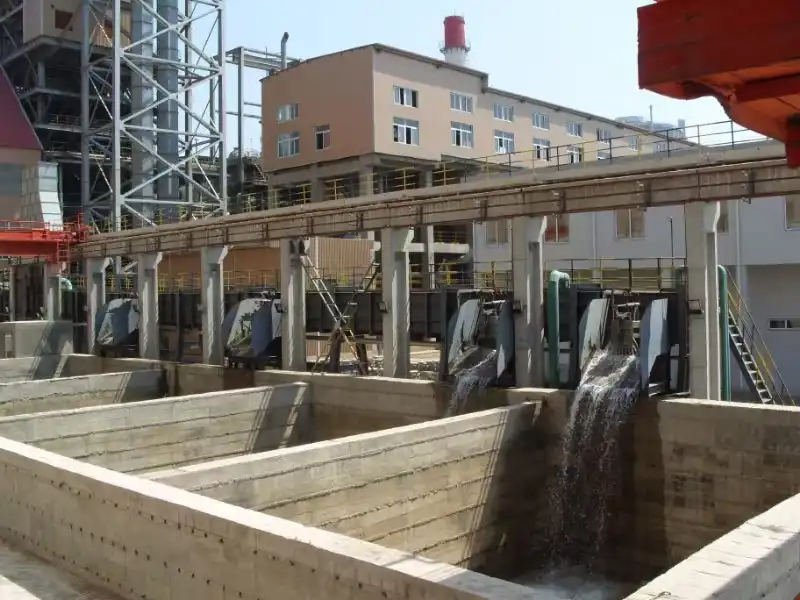
When you change refractory linings, you get instant and measurable improvements in efficiency that make the money spent on replacements worth it. When thermal insulation is fixed, shell heat losses are 30–40% less than when it was worn. This directly cuts the amount of fuel needed to keep process temperatures stable. If the hearth linings in a medium-sized blast furnace are worn down, it might use 15 to 20 percent more fuel than it needs to every year. Replacing them will get rid of this waste and make the equipment last longer. Better temperature control stability lets you optimize a process that you couldn't do before because the thermal profiles were too unstable.
Case studies from combined steel mills show that the profits from high furnace body lining replacement service are very good. After relining the pit of a blast furnace, one facility saved more than 180,000 MMBtu in energy each year. This was the same as cutting running costs by a large amount while also lowering carbon emissions. Chemical processing plants say that changing the linings of coking vessels has similar benefits. Some of them see a payback time of less than 18 months because they save energy and make production more efficient.
Extended Operational Campaigns and Reduced Downtime
Strategic replacing of the furnace's linings makes it last much longer than patch fixes can. After getting their hearths and stacks relined, blast furnaces work regularly for 10 to 15 years before they need major repairs again. Electric arc furnaces have longer runs between big outages, which makes production more available in steel markets that are very competitive. This continuous operation gets rid of the need for frequent short-term shutdowns that mess up production plans and make all combined facilities less efficient.
When repairs are done correctly, the regularity of maintenance drops by a huge amount. Teams in charge of operations move away from reactive disaster management and toward planned preventative repair. Production planners feel better about scheduling long-term contracts when they know that the dependability of the tools will help them keep their delivery promises. As unplanned downtime events become less common and less of a problem, overall equipment efficiency measures get better.
Enhanced Product Quality Through Stable Thermal Profiles
Stable temperature conditions are needed for good metalworking processes, and consistent refractory performance makes them possible. Even spread of heat makes sure that each batch of coke meets the goal strength and reactivity requirements. When hearth linings provide solid temperature control, blast furnace activities keep the chemistry of hot metal stable. When furnace sidewalls stay the same size throughout production cycles, steel makers can cut down on off-spec heats.
Stability in the process directly leads to less loss of raw materials and higher output rates. Chemical recovery processes get the most value out of the coal they use when the temperatures in the coking tanks stay the same. These changes to quality make relationships with customers stronger and help premium price tactics work in markets with a lot of competition.
Environmental Compliance and Safety Improvements
Today's substitute projects include features that protect the climate and meet stricter government rules. Better sealing and temperature control in more advanced refractory systems lower fugitive emissions. Lower working temperatures on the outside of things make them less likely to radiate heat into work areas, which makes the workers safer and more comfortable. When linings are properly attached, breakthroughs that cause serious environmental problems from unchecked leaks are avoided.
Facilities that want to get cleaner production ratings find that upgrading the linings of their furnaces helps them reach their pollution reduction goals. It's easier to follow the rules when equipment works within its design guidelines instead of pushing broken systems past their safe limits. When hot spot hazards and structural failure risks are taken care of through proactive repair, worker safety ratings go up.
Making the Right Choice: Selecting Furnace Lining Services and Materials
Evaluating Repair Versus Complete Replacement Options
When furnace linings get worn, operations managers have to make important choices: do they patch up the ruined parts or replace the whole thing? A cost-benefit study needs to look at more than just the current cost. Some fixes can slightly stretch the life of something, but they may need to be done more than once, which can add up to more downtime and labor costs than a single full replacement. When wear and tear goes beyond small areas, full replacements offer longer effective use and better total value.
Decisions about timing are affected by operational needs. If a facility is already at full capacity, it may choose to do short-term fixes instead of big ones until the season slows down or a planned turnaround happens. When a company has open production plans, scheduling all of its work during the best times is helpful. When figuring out lifecycle costs, it's important to think about things like energy waste from poor heat performance, effects on product quality, and the chance of emergency breakdowns.
Critical Factors When Selecting Service Providers
Choosing skilled workers for high furnace body lining replacement service is just as important for the success of a job as choosing the right materials. Industry licenses make sure that service providers keep their technology skills up to date and that their safety systems meet professional standards. Portfolios of verified projects show knowledge with furnaces of similar types and sizes of operation. Technical skills, such as technical help, access to specialized tools, and the availability of skilled workers, are what set competent contractors apart from marginal operations.
You can be sure that the work will be done correctly with quality control systems that are approved to international standards. The terms of the warranty show how confident the builder is in the job and the material's performance. References from similar facilities can help you figure out how good the project manager is at keeping to plan and how quick they are to help with support after the project is over. It is the job of plant engineers to make sure that potential workers know the rules that apply to their area and industry.
Budgeting Insights and Investment Planning
Changing the lining of a furnace is a big purchase that needs to be carefully planned out. The cost of a project depends a lot on the size of the furnace, how hard it is to get to, the specs of the materials, and the local job market. Materials, labor, specialized tools, technical services, quality tests, and backup plans for unplanned problems found during demolition should all be included in detailed budgets.
Costs could be spread out over working budgets for regular upkeep, or big efforts could be capitalized as equipment upgrades. When you figure out the return on your investment, you should include how much energy you saved, how much better the quality was, and how much you dodged having to pay for emergency repairs. Well-thought-out business cases help get funding for proactive investments that pay off in a big way financially and also improve safety and operations.
Best Practices for Maintaining High Furnace Body Lining to Sustain Efficiency
Proactive Monitoring and Maintenance Schedules
To get the most out of a lining's life, it needs to be carefully watched over so that damage can be found before it gets too bad. Inspection times suggested by the industry usually range from visual checks every three months to full checks once a year that include thermography and dimensional scans. Continuous monitoring systems that use permanently placed thermocouples keep an eye on the internal temperature profiles and let workers know when something seems off that needs to be looked into.
Trending research finds rates of degradation, which lets you plan ahead for upkeep. Teams in charge of operations set limits on how much wear can happen so that planned actions can be taken before dangerous situations happen. Documentation systems keep records of the past that help with choices about lifetime management and warranty claims when things break down too soon.
Operational Adjustments Extending Lining Life
How the refractory is used has a big effect on how long it lasts. Controlled rates of heat-up and cool-down keep thermal shock damage from happening when the system starts up and shuts down. Keeping the process conditions fixed lowers the thermal cycle stress that makes refractory fatigue happen faster. Proper charge spread stops localized charging, which wears down machines too quickly.
Chemical damage from vapor formation can be lessened by controlling the environment, such as by managing humidity and temperature when the machine is not being used. Linings are protected from abuse that shortens their useful life by operational control that keeps them within the design limits. Organizational commitment to equipment life is created through training programs that make sure all workers understand the principles of refractory care.
Emergency Response and Rapid Service Solutions
Even though precautions are taken, lining problems can still happen without warning, and they need to be fixed quickly to avoid too much production loss. Keeping in touch with qualified emergency service providers makes sure that they can be called quickly when an emergency happens. When reaction times, resource promises, and price structures are spelled out in pre-negotiated agreements, there are no delays in negotiating terms during emergencies.
When conditions allow, hot repair methods allow for specific restoration without having to shut down the whole boiler. Refractory materials are put on damaged areas by high-velocity gunning tools during short repair windows. While permanent fixes are being planned, temporary changes to operations may allow production to continue at a slower rate. Emergency reaction skills turn failures that could be very bad into events that can be handled and have limited effects on business.
Conclusion
Through better thermal performance, longer operating cycles, higher product quality, and improved environmental compliance, high furnace body lining replacement service results in measured efficiency gains. When it comes to value, proactive replacement choices based on full diagnostics and lifecycle analysis are better than reactive ones. Choosing good products that are right for the job, working with good service providers, and following strict repair procedures are all ways to get the most out of your investment. When facilities put strategic lining management first, they gain a competitive edge through lower energy costs, more reliable production, and less damage to the environment. This sets them up for long-term success in tough metallurgical markets.
FAQ
What decides the best time to change the lining?
Replacement timing choices are based on a number of things. Objective standards are found through diagnostic tests that compare the leftover refractory thickness to the minimum safe levels. Energy use trends that show decreasing heat efficiency are a sign of degradation that needs your attention. Practical timing is affected by production plans that show repair windows with enough downtime. Taking these things into account while keeping in mind budget cycles and operational goals helps create the best intervention plans that make the most of equipment availability while keeping costs low.
How do choices about what materials to use affect performance over time?
Engineered refractory materials that are especially made for furnace conditions last longer than generic options. Materials that are chemically resistant enough can handle slag attack and air rust that is common in some areas. Thermal properties that meet temperature patterns keep structures from breaking down because of heat stress. In high-wear places, having mechanical strength that can handle abrasion and pressure loads makes the product last longer. Investing in materials that are properly defined lowers lifetime costs by making campaigns last longer and requiring fewer interventions.
What safety rules apply to jobs that change lining?
During the removal, installation, and testing phases, workers are protected by complete safety management systems. Procedures for entering a confined area that include tracking the atmosphere and rescue options are used for conditions inside of furnaces. Respiratory safety programs keep people from being exposed to silica during refractory removal. When cutting or welding near things that can catch fire, hot work permits control ignition risks when cutting or welding near combustible materials. Structural engineering assessments verify shell integrity before adding new refractories. Layers of safety like these make it safe to work on industrial repair tasks that are inherently dangerous.
Partner With SMEC: Your Trusted Supplier for Furnace Lining Solutions
SMEC offers complete high furnace body lining replacement services that are tailored to your specific business needs. They combine their technical expertise with their manufacturing skills. Our expert team has decades of experience working in tough production settings to help coking plants, integrated steel mills, and chemical processing plants. We know that the reliability of your equipment has a direct effect on your bottom line. That's why our method focuses on thorough diagnosis, precise execution, and long-term performance improvement. Our 68,700-square-meter plant is in Taiyuan City, which is in the industrial heartland of Shanxi Province. It has state-of-the-art production tools and quality testing labs that make sure every project meets the highest standards. Get in touch with our experts at project@smec.cc to talk about how our high furnace body lining replacement service manufacturer can help your business run more smoothly and make your equipment last longer.
References
Chen, M. & Williams, R. (2021). Refractory Engineering: Principles and Applications in Metallurgical Furnaces. International Institute of Refractory Technology Press.
Davidson, P. K. (2020). "Thermal Management Optimization Through Strategic Lining Replacement in Blast Furnace Operations." Journal of Iron and Steel Research International, 27(8), 892-904.
European Committee for Standardization (2019). Monolithic Refractories: Performance Standards and Testing Protocols. CEN Technical Report 15401.
Harrison, D. & Kumar, S. (2022). "Lifecycle Cost Analysis of Refractory Systems in High-Temperature Industrial Processes." Industrial Furnace Technology Quarterly, 45(2), 116-133.
International Refractory Manufacturers Association (2020). Best Practices for Furnace Lining Installation and Maintenance. Technical Guidance Document TG-2020-07.
Zhang, L., Nakamura, T., & Schmidt, J. (2021). "Advanced Diagnostic Methods for Refractory Condition Assessment in Metallurgical Vessels." Metallurgical Plant and Technology International, 44(4), 68-81.
Free consultation & volume discounts available
SEMC focuses on the entire metallurgical process—from coking, ironmaking, and steelmaking to continuous casting and rolling. Whether you face challenges related to equipment upgrades, energy efficiency optimization, or overall process transformation, please fill in the following information. Our technical team will provide you with tailor-made high-end equipment upgrade solutions and professional EPC design services to help your project be implemented efficiently.
Recommended Blog
How Granulated Blast Furnace Slag Supports Sustainable Manufacturing
Step-by-Step: The Process of Inspecting Blast Furnace Riser Pipes
Customizing Blast Furnace Riser Pipes for High-Pressure Environments
Why Modern Steel Plants Use Automatic Drill Rod Replacement Devices
Why Is Blast Furnace Gas Purification Important for Steel Plants?
What to Look for in Blast Furnace Tower Equipment Suppliers
OEM vs Standard Blast Furnace Vent Valves: Which Is Better?