Comparing Cast Iron Cooling Walls vs Water-Cooled Walls
Understanding Blast Furnace Cooling Walls: Cast Iron vs Water-Cooled
- Understanding Blast Furnace Cooling Walls: Cast Iron vs Water-Cooled
- Key Comparison Dimensions Between Cast Iron and Water-Cooled Cooling Walls
- Evaluating Cost, Energy Efficiency, and Operational Impact
- Procurement and Supplier Insights for Blast Furnace Cooling Walls
- Making an Informed Choice: Recommendations for B2B Clients
- Conclusion
- FAQ
- Partner With SMEC for Reliable Blast Furnace Cast Iron Cooling Wall Solutions
- References
When looking at thermal management options for blast furnaces, the choice between water-cooled walls and cast iron cooling walls has a big effect on how reliable the furnaces are and how much money they make in the long run. The blast furnace cast iron cooling wall has been useful in high-intensity mining settings because it keeps temperatures down and keeps the structure strong. Water-cooled walls, on the other hand, offer better heat transfer through active ventilation systems. By knowing the pros and cons of each technology, procurement professionals can make sure that the equipment they buy meets the needs of production, their budgets, and their ability to maintain it.
Understanding Blast Furnace Cooling Walls: Cast Iron vs Water-Cooled
The cooling walls of a blast furnace act as important heat barriers between the steel shell on the outside and the refractory coating on the inside. These parts take in and get rid of the intense heat that is created when iron is made, and they also keep the structure of the furnace from breaking down too quickly. Cast iron cooling walls and water-cooled systems are the two main methods used for this.
Cast Iron Cooling Wall Technology
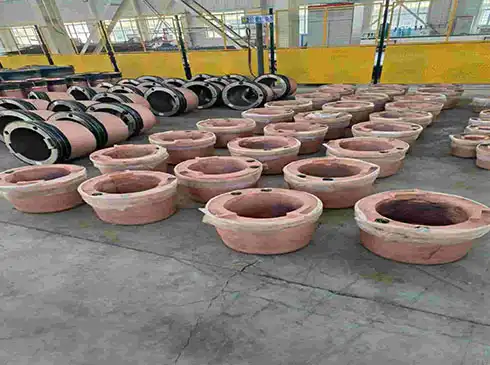
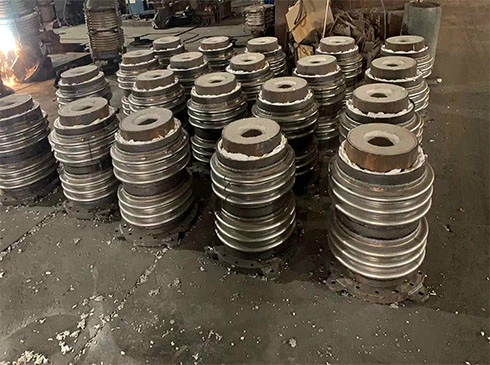
The thermal mass and conductivity of nodular cast iron (usually QT400-18 or QT450-10 grades) are used by cast iron cooling walls to handle heat loads. Cast-in cooling lines made of smooth low-carbon steel are part of the design. They form a metallurgical bond that makes heat movement work well. When the hot face temperature is higher than 400°C, these walls stay stable while encouraging the growth of a protected slag skin that acts as an extra thermal shield. The separate cooling loops make it possible to control the temperature in different parts of the furnace in a way that works best for them, especially in high-stress areas like the belly, lower stack, and hearth.
Water-Cooled Wall Systems
Water-cooled walls use the active movement of cooling water through pipe networks built into the wall to quickly remove heat from the furnace area. When compared to passive thermal mass devices, this method gets rid of heat faster. The technology works especially well in situations where production is very high and the heat exchange rate is higher than 150,000 kcal/m²·h. To keep performance standards and stop thermal stress breakdowns, water-cooled systems need precise flow control, water quality management, and leak detection systems.
Key Comparison Dimensions Between Cast Iron and Water-Cooled Cooling Walls
To choose between these technologies, you need to carefully look at a number of practical factors that have a direct effect on the length of the furnace campaign and the cost of production.
Material Properties and Thermal Performance
Nodular cast iron has a thermal conductivity range of 30-40 W/(m·K) and is very resistant to thermal shock and creep at high temperatures. Modern nodular iron grades are flexible, which stops cracks from spreading under cyclic heat loads, which is a common way for older gray iron designs to fail. Because of these material characteristics, stable slag skins can form that keep heat in and protect the structures below.
Copper or copper-alloy plates connected to steel cooling pipes are often used for water-cooled walls. Copper's thermal conductivity (about 400 W/(m·K)) makes it possible to quickly remove heat, which keeps the hot face cooler and slows down the rate of refractory wear. But this fast cooling method might stop the formation of a protective slag skin in some situations, so water flow factors need to be carefully adjusted.
Design Complexity and Installation Requirements
Installation of cast iron cooling walls works well with both new building jobs and furnace renovations. The flexible design lets you change things to fit current shell bolt patterns, which lets you add more high-intensity cooling without having to replace the whole shell. Installation steps include exact placement, secure anchoring, and connecting to separate cooling circuits. This is an easy job that skilled teams can do quickly during planned maintenance windows.
Blast furnace cast iron cooling wall need to be installed in a more complicated way. The large networks of pipes need to be carefully welded, tested for pressure, and equipped with leak detection systems. Adding temperature monitors, flow distribution manifolds, and automatic control systems makes the mechanical and electrical parts even more complicated. These standards make installation take longer and require specialized knowledge during the finishing stages.
Maintenance Frequency and Longevity
When used properly and with heat load tracking and water quality control, cast iron cooling walls can last between 12 and 15 years. Controlling the chemistry of the cooling water to keep pipes from rusting is what maintenance is all about. Mechanical connections are checked on a regular basis, and the thickness of the slag skin is measured. Minor pipe leaks can sometimes be fixed by patching methods while the system is still running, but major structural damage needs to be replaced during planned downtime.
Because cooling water leaks and gets clogged more often in water-cooled systems, they need to be inspected more often. Small-diameter cooling ducts can lose their thermal efficiency when scale, corrosion, and particles build up inside them. Ultrasonic tests and thermal imaging are used in many activities every three months to find signs of wear and tear before they happen. The higher level of repair means that more work needs to be done and there may be breaks in production.
Evaluating Cost, Energy Efficiency, and Operational Impact
Lifecycle costs, energy consumption patterns, and operating risk profiles must all be included in economic analysis, not just the original capital spending.
Initial Investment and Lifecycle Economics
When compared to similar water-cooled systems, cast iron cooling walls usually take less money up front. The simpler form makes it easier to make, and the cost of work for installation stays low. Over the course of 15 years, upkeep costs are mostly stable, with the biggest costs coming up only when parts need to be replaced near the end of the campaign.
Water-cooled systems cost more to buy at first because they have more complicated control systems, pipe networks, and building steps. Through inspection programs, water treatment systems, and rounds of replacing parts, ongoing upkeep costs add up more quickly. To explain the difference in investment, these higher costs must be balanced out by practical benefits like longer refractory life, better thermal efficiency, or higher output capacity.
Energy Efficiency and Environmental Considerations
The measure for energy efficiency takes into account both the direct costs of pumping cool water and the indirect effects on the furnace's temperature balance. Cast iron walls with stable slag skins keep heat from escaping through the furnace shell and only need a small amount of pumping power to keep the cool air moving through the cast-in pipes. This thermal balance makes it possible for the furnace to run consistently, so the coke rates and levels of output can be predicted.
Systems that use water to cool them down have to pump more water and circulate it more quickly because they remove heat more quickly. This intense cooling can lower the temperatures of the refractory hot face, which can extend the life of the covering and maybe even make the furnace more productive. But too much cooling throws off the temperature balance, which makes the process less efficient overall and increases the amount of coke needed. To get the most out of efficiency gains without hurting the costs of iron-making, flow rates and temperature setpoints need to be carefully optimized.
Some environmental factors to think about are the amount of water used, the temperature of the thermal output, and the needs of a closed-loop cooling system. In places where water is scarce or where release rules are strict, cast iron solutions with lower water use may be preferred. On the other hand, operations that focus on reducing emissions through stable furnace programs may be willing to accept the higher water use that comes with advanced cooling systems.
Procurement and Supplier Insights for Blast Furnace Cooling Walls
Sourcing strategies that work well for blast furnace cast iron cooling wall combine technical requirements, seller abilities, and after-sales support structures to make sure that equipment is installed correctly and operations run smoothly for a long time.
Supplier Selection Criteria
The best companies that make furnace cooling systems have both advanced manufacturing skills and a deep understanding of the metallurgical processes. Suppliers with a good reputation keep their quality management certifications up to date (ISO 9001, pressure vessel qualifications) and give full material test records that include information on the material's mechanical properties, chemical makeup, and the results of non-destructive tests. Premium suppliers are different from commodity suppliers because they can adapt the forms of their cooling walls to different furnace shapes and working situations.
A manufacturing capacity review should look at how much can be made, how quality is controlled, and how reliable deliveries are. Visits to manufacturing plants show what kinds of tools are used, how skilled the workers are, and how well they pay attention to detail during casting, drilling, and pipe installation. Suppliers with combined design-to-manufacturing processes can help engineers a lot when they are making specifications and planning installations.
Value-Added Services and Technical Support
Full after-sales service packages add a lot to the worth of tools beyond the actual parts. Installation advice programs that send experienced techs to customer sites to help with commissioning lower the risks of starting up and speed up the time it takes to reach full production. Training programs that teach plant workers about best practices for operations, maintenance, and fixing problems help build internal skills that make tools last longer and work better.
Technical consulting services help businesses change their cooling wall systems to meet new output needs. As furnace campaigns go on and working factors change, makers may suggest changes to the flow rate, the order of inspections, or other small changes that keep the furnace's thermal performance. Rapid-response spare parts programs lower the risk of downtime by making sure that important parts are always on hand in case they need to be replaced during unplanned outages.
Making an Informed Choice: Recommendations for B2B Clients
When choosing a strategic blast furnace cast iron cooling wall, the features of the tools are matched with the needs of the business, its risk tolerance, and its long-term goals.
Scenario-Based Technology Recommendations
Cast iron cooling walls work great in situations where ease of use, long campaign life, and predictable upkeep costs are important. Coking plants, integrated steel mills, and smaller blast furnaces can all benefit from the strong heat performance and easy-to-follow upkeep instructions. Cast iron technology is most valuable when it is used by operations with refractory management teams that are skilled at keeping slag skins stable. Cast iron walls are especially appealing for renovation projects that want to increase the cooling strength without replacing the whole shell. This is because they are easy to customize and install.
Water-cooled walls are a great investment in situations with very high output where strict thermal control is worth the extra cost and complexity. When large blast furnaces are running at full capacity, they use better heat extraction to protect their investments in refractory and keep production rates fixed. Water-cooled technology is very helpful for businesses that can't get enough refractory or want to extend the life of their linings by lowering the hot face temperature. Modern furnaces with improved automation and monitoring can fully take advantage of the performance benefits while keeping up with the upkeep needs in a good way.
Long-Term Value Considerations
When making decisions, models should include things like working volume, production intensity, and campaign life goals for furnace design. Budget limits affect not only the initial transfer of capital, but also the amount that can be spent on upkeep and the amount of money set aside for fixes that weren't planned. Operations that don't have a lot of technical resources may choose easier technologies that don't need as much specialized knowledge. On the other hand, operations that are more advanced and have strong engineering teams can get more value from more advanced systems.
Both types of cooling walls are still changing because of new technologies. Better nodular iron alloys make them less likely to break down under heat, and new sealing methods make cooling pipes last longer. Innovations in water-cooled walls focus on better flow distribution, more advanced leak detection, and predictive maintenance algorithms that make inspections easier. By keeping up with changes in technology, businesses can plan when to upgrade their tools and get performance gains that put them ahead of the competition.
Conclusion
Comparing water-cooled systems and blast furnace cast iron cooling walls shows that each has its own unique benefits that are best used in different situations. Cast iron technology has been shown to be reliable, easy to use, and have predictable lifecycle costs. This makes it perfect for businesses that want to be stable and easy to maintain. Water-cooled systems are better at removing heat, which is helpful in high-intensity production settings that are ready to deal with more complexity. For procurement to go smoothly, the features of the equipment must be carefully coordinated with the furnace's design factors, output goals, and the company's abilities. By carefully looking at technical specs, seller credentials, and long-term support structures, metallurgical operations can choose cooling wall technologies that improve temperature management, extend campaign life, and make them more competitive in global markets that are very demanding.
FAQ
How frequently should blast furnace cooling walls undergo inspection?
How often inspections are done depends on the type of cooling wall and how it is being used. Most of the time, external links and the quality of the cooling water need to be visually checked and recorded every three months on cast iron cooling walls. Every two to three years, during planned repair breaks, full internal reviews are done. Thermal imaging scans must be done once a month and ultrasonic tests must be done every three months on water-cooled systems to find early signs of scaling or rust. Continuous tracking systems may be installed in high-production furnaces to keep an eye on the temperatures and flow rates of cooling water. If these factors change from what is normally expected, alerts may be sent out.
Can cast iron cooling walls replace water-cooled systems in existing furnaces?
How possible a retrofit is depends on how the furnace shell is designed and how the cooling circuit is set up. When it comes to portability, independent cooling cast iron walls are great. They can be customized to match current bolt patterns and pipe connections. Engineering reviews look at how well the structure works with the other parts, how much heat it can handle, and how easy it is to install. Many successful renovation projects have increased the cooling strength by adding cast iron walls that are specifically built for the shape of the furnace. This has led to better performance without having to rebuild the shell from scratch. Talking to experienced makers is the best way to make sure that you get the best design specifications and correct determination of feasibility.
What early warning signs indicate cast iron cooling wall degradation?
Several signs show that problems are starting to happen before they become serious. Rising temperatures at the exit of the cooling water could mean that heat transfer is less effective because of slag buildup or internal scaling. Water leaking around the edges of the wall means that the cooling pipes are rusting or the joints are breaking. Thermal imaging can show where cooling circuits are blocked by finding hot spots that don't seem normal. Going through more refractory could mean that the thermal protection isn't good enough because the cooling wall isn't working as well as it should. Systematic tracking procedures allow for early intervention, which stops small problems from getting worse and requiring expensive emergency fixes or unexpected production stops.
Partner With SMEC for Reliable Blast Furnace Cast Iron Cooling Wall Solutions
SMEC is the company to work with for reliable blast furnace cast iron cooling wall solutions. We offer tried-and-true thermal control options that are designed to make blast furnaces more reliable and last longer. Our blast furnace cast iron cooling wall systems use advanced nodular iron technology and carefully planned cooling lines to give strong thermal protection in harsh smelting environments. The factories in Taiyuan's Comprehensive Reform Demonstration Zone use modern quality control systems along with decades of metalworking experience to make parts that meet the highest performance standards.
We have been a seller of blast furnace cast iron cooling walls for a long time and help coking plants, steel mills, and EPC companies around the world by making designs that fit the shape and conditions of each furnace. During the specification creation, installation planning, and commissioning steps, our engineering teams work closely with clients to make sure that the new systems work well with the ones that are already in place. Full after-sales programs offer expert help, training in upkeep, and quick support for spare parts, which increase the worth of equipment over longer campaign cycles.
Get in touch with our experts at project@smec.cc to talk about your thermal management needs and find out how our cooling wall solutions can help your furnace work better. For your future projects, ask for full technical specs, case studies of applications, or quotes. Learn about the operating benefits that have made SMEC a trusted partner in international metallurgical markets.
References
Bleakley, R. & Smith, T. (2019). Blast Furnace Cooling Systems: Design Principles and Operational Best Practices. Iron and Steel Technology Publications.
Chen, Y. & Wang, L. (2021). Advanced Materials for High-Temperature Furnace Applications. Metallurgical Engineering Press.
Geerdes, M., Toxopeus, H., & van der Vliet, C. (2020). Modern Blast Furnace Ironmaking: An Introduction (4th ed.). IOS Press.
International Iron and Steel Institute. (2018). Thermal Management in Blast Furnace Operations: Technical Guidelines. IISI Technical Report Series.
Kumar, P. & Sharma, R. (2022). Lifecycle Cost Analysis of Metallurgical Equipment: A Procurement Guide. Industrial Engineering Journal, 45(3), 234-251.
Zhang, J., Liu, H., & Zhou, X. (2020). Nodular Cast Iron in Extreme Environments: Performance Characteristics and Applications. Materials Science and Technology Review, 38(7), 892-908.
Free consultation & volume discounts available
SEMC focuses on the entire metallurgical process—from coking, ironmaking, and steelmaking to continuous casting and rolling. Whether you face challenges related to equipment upgrades, energy efficiency optimization, or overall process transformation, please fill in the following information. Our technical team will provide you with tailor-made high-end equipment upgrade solutions and professional EPC design services to help your project be implemented efficiently.
Recommended Blog
5 Key Factors When Buying Blast Furnace Water-Cooled Valves
Why Modern Steel Plants Use Automatic Drill Rod Replacement Devices
How Blast Furnace Tower Equipment Supports Efficient Ironmaking?
How Granulated Blast Furnace Slag Supports Sustainable Manufacturing