What Are the Key Benefits of Hydraulic Clay Gun for Blast Furnace Cast House?
What Are the Key Benefits of Hydraulic Clay Gun for Blast Furnace Cast House?
Understanding Hydraulic Clay Guns in Blast Furnace Cast Houses
- Understanding Hydraulic Clay Guns in Blast Furnace Cast Houses
- Key Benefits of Using Hydraulic Clay Guns in Blast Furnace Cast House
- Comparing Hydraulic Clay Guns with Other Clay Guns: Why Choose Hydraulic?
- Maintenance, Troubleshooting, and Safety Best Practices for Hydraulic Clay Guns
- Procurement Guide for Hydraulic Clay Guns: How to Buy the Right Equipment?
- Conclusion
- FAQ
- Partner with SMEC for Reliable Hydraulic Clay Gun Solutions
- References
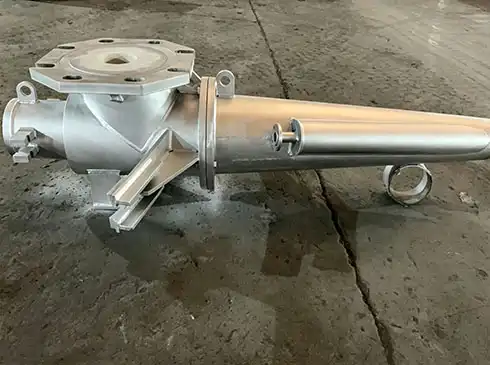
The Hydraulic Clay Gun for Blast Furnace Cast House serves as mission-critical equipment designed to seal taphole openings rapidly and reliably after iron tapping operations. This hydraulic-powered system delivers superior performance compared to traditional mechanical alternatives, offering enhanced sealing precision, greater thrust capacity, and automated operation in extreme environments characterized by molten metal splashes, thermal stress, and heavy dust. By ensuring a tight, consistent seal that prevents molten iron leakage and gas emissions, hydraulic clay guns safeguard continuous blast furnace operations while preparing the taphole for the next tapping cycle with minimal downtime.
Understanding Hydraulic Clay Guns in Blast Furnace Cast Houses
What Makes Hydraulic Clay Guns Different from Traditional Systems?
When Hydraulic Clay Guns for Blast Furnace Cast House are used to shoot refractory clay into blast furnace tapholes, they use compressed hydraulic fluid to make a strong, controlled force. Hydraulic technology, on the other hand, lets you change the force smoothly and without steps, so it can work with different types of clay and taphole shapes. This basic difference in design means that the quality of the plugging will stay the same no matter how hard it is used or what the environment is like.
High-capacity cylinders, precise control valves, and strong pump units make up the hydraulic drive mechanism. These parts work together to provide pressure ranges that can be changed. Modern Hydraulic Clay Gun for Blast Furnace Cast House systems have customizable logic controls that watch the thrust parameters in real time and change the pressure profiles automatically to meet the needs of the sealing job. This smart machinery gets rid of mistakes made by people and keeps the clay properly compacted during every plugging cycle.
Critical Operational Zones Where Hydraulic Clay Guns Excel
Some of the toughest work conditions are in blast furnace cast houses, where temperatures often reach over 1,200°C near the tapping zones. The housing materials of Hydraulic Clay Guns for Blast Furnace Cast House are made to withstand high temperatures, and they have advanced cooling systems that keep the internal parts from getting damaged by heat. When there are a lot of particles in the air, pneumatic systems often have trouble with clogged air lines and inconsistent performance. This equipment, on the other hand, works well in those places.
When tapping is done, molten iron flows at temperatures around 1,500°C, which causes intense radiant heat and metal splash hazards from time to time. Even with these problems, hydraulic systems keep working reliably because their sealed hydraulic circuits don't let dirt or changes in viscosity caused by temperature get in. This operational robustness directly leads to higher safety margins and lower rates of equipment failure during key stages of production.
Key Benefits of Using Hydraulic Clay Guns in Blast Furnace Cast House
Enhanced Operational Efficiency Through Automation and Speed
Hydraulic Clay Guns for Blast Furnace Cast House make taphole closing processes much faster, so clay filling can be done in a fraction of the time it takes to do it by hand. Automated operation sequences make it easier for cast house crews to do their jobs, so they can focus on quality control instead of doing the same things over and over again. During times of high production, when burners tap at shorter intervals, this efficiency gain is especially useful.
Because hydraulic systems respond quickly, the taphole can be sealed right away after the tapping is done. This cuts down on the time it takes for the iron flow to stop and the hole to be completely closed. This speed advantage keeps heat from escaping from inside the furnace and stops oxygen from getting in, which could affect later tapping operations. Modern integrated steel mills have found that using a Hydraulic Clay Gun for Blast Furnace Cast House can cut the time it takes to seal a taphole by 40 to 60 percent compared to the old way of doing things.
In addition to high speed, hydraulic devices make it possible for clay to be compacted very consistently. Accurate pressure control makes sure that the material is spread out evenly in the taphole profile, preventing weak spots or voids that could cause the seal to fail too soon. This consistency directly leads to longer periods of time between repair tasks and fewer unexpected breaks in production.
Superior Safety Performance and Ergonomic Advantages
In blast furnace cast houses, where people are constantly exposed to high temperatures, hot metal dangers, and hard physical work, worker safety is the most important thing. With several different features, Hydraulic Clay Guns for Blast Furnace Cast House make things a lot safer. With remote operation, operators can stay away from active tapping zones, which lowers the risk of burn injuries and exposure to the toxic fumes that are made during iron flow.
Modern Hydraulic Clay Gun for Blast Furnace Cast House systems are designed to be easy on the body, so they don't require the hard work that was once needed for clay filling. Instead of directly moving heavy clay rammers, operators handle the tools thru easy-to-use interfaces. This greatly reduces injuries and strains on the muscles and bones caused by fatigue. Long-term health benefits include a lower risk of repeated stress illnesses and a higher rate of job retention in these difficult positions.
Automated pressure tracking systems add an extra layer of safety by stopping equipment overloading situations that could cause major component failure. Built-in pressure release valves and emergency shutdown circuits shut down the system right away if something goes wrong, keeping both people and expensive equipment safe. These engineered safety measures meet strict safety standards in the workplace while still allowing for operational flexibility.
Durability and Maintenance Efficiency in Harsh Conditions
Heavy-duty materials are used to build Hydraulic Clay Guns for Blast Furnace Cast House so they can handle the rough conditions of a cast house. High-quality alloy steel housings can withstand changes in temperature and impact, and advanced surface treatments stop corrosion from slag particles and water contact. Important hydraulic parts use industrial-grade seals and finishes that don't wear down, so they keep working well even after long periods of time without being serviced.
As long as they are set up correctly, hydraulic systems require much less maintenance than pneumatic or mechanical ones. Routine maintenance plans include simple jobs like checking the amount of hydraulic fluid, replacing filters, and checking the state of seals. The simplified repair plan cuts down on both the direct costs of service and the time that equipment needs to be taken out of service to do it.
Because hydraulic power transmission is better by design, Hydraulic Clay Guns for Blast Furnace Cast House usually have parts that last longer than competing technologies. In mechanical drive systems, stress concentrations that speed up component wear can be kept to a minimum by delivering power smoothly and without shock. Maintaining hydraulic units properly ensures they last longer than ten years of continued high-intensity use, giving investors a great return on their money.
Cost Optimization Through Material Efficiency and Quality Improvement
Precision clay delivery made possible by hydraulic control systems cuts down on waste of refractory material and improves the quality of the seal. Accurately controlling the force makes sure that the taphole is completely filled without using too much clay or spilling around the entry point. This material economy lowers directly the running costs for refractory materials, which are a big ongoing cost for blast furnaces.
Hydraulic Clay Guns for Blast Furnace Cast House seal better than other methods, which increases the life of taphole liners by stopping erosion and thermal damage before they're needed. Complete, thick clay packing protects the surrounding refractory structure from molten metal penetrating and rusting. This lowers the number of times expensive taphole components need to be maintained and replaced. Data from operational facilities shows that improving the performance of the clay gun can add 20 to 35 percent more life to the taphole liner.
Better seal integrity also lowers problems further down the line, like molten iron leaks or runner blockages that stop production. By avoiding these expensive problems, Hydraulic Clay Gun for Blast Furnace Cast House systems improve the general speed of production and lower the cost of emergency repairs. Hydraulic system investments usually pay for themselves in less than two years thanks to the extra money they save on materials and better reliability.
Comparing Hydraulic Clay Guns with Other Clay Guns: Why Choose Hydraulic?
Hydraulic Versus Manual Clay Gun Systems
A manual clay gun must be used to physically press and shoot refractory clay into tapholes. The highest thrust power is usually limited by a trained operator's mechanical leverage and demands a lot of labour. This causes clay packing quality to vary, causing seals to perform differently and fail more often.
Hydraulic Clay Guns for Blast Furnace Cast House provide precisely controlled forces that exceed human performance. Thrust capacities vary from 100 to 300 kilonewtons depending on furnace size and operation. This consolidates the clay regardless of material or taphole shape. This increased power improves seal quality in all conditions.
Hydraulic systems relieve cast house staff of physical labour, improving working conditions beyond performance measures. Operators progress from hard, tedious manual work to supervisors who oversee automated rounds and use control tools to improve quality. This move reduces injuries and increases job satisfaction and security in an industry that has struggled to hire and retain people.
Hydraulic Versus Pneumatic Clay Gun Technology
Compressed air powers middle-level pneumatic clay guns that inject clay. Pneumatic designs are more automated than manual systems, although hydraulic designs can remedy their issues. Compressed air systems struggle to maintain force output because air compressibility changes with temperature and pressure. This makes clay compacting prediction difficult.
Because hydraulic fluids can't be compressed, hydraulic systems are more force-stable. This basic physical benefit allows accurate pressure control and consistent performance regardless of environment or operation level. This ensures that seal quality is consistent, reducing manufacturing and maintenance costs.
Long-term operational costs favour hydraulic systems, despite a higher initial expenditure. Air compressors, dryers, and distribution networks use a lot of energy and must be maintained. Hydraulic systems are self-contained, energy-efficient, and easy to maintain, lowering their total cost of ownership over time.
Maintenance, Troubleshooting, and Safety Best Practices for Hydraulic Clay Guns
Essential Maintenance Protocols for Optimal Performance
To keep a Hydraulic Clay Gun for Blast Furnace Cast House working, schedule regular repairs. Check hydraulic fluid levels, exterior leaks around hose connections and cylinder seals, and pressure gauges and control interfaces weekly. Routine checkups usually take 30 minutes and prevent most operational issues.
In monthly maintenance, the hydraulic filter element must be inspected and replaced if difference pressure signals indicate limited flow. System life depends on clean hydraulic fluid because filthy fluid accelerates part wear and destroys seals. Fluid analysis technologies predict future parts and determine fluid replacement times based on real contamination levels, not timetables.
For a complete annual service, the cylinder should be inspected, worn-out parts should have their seals changed, and the hydraulic pump should be tested. Maintenance jobs and part replacements can be tracked to predict maintenance programs that save downtime and maximise resource use. Facility equipment is normally available over 98% of the time with planned maintenance procedures.
Common Issues and Troubleshooting Approaches
Hydraulic Clay Guns for Blast Furnace Cast House users should be able to notice issues before the system fails. When the maximum possible pressure slowly decreases, an internal seal or hydraulic fluid breakdown needs to be repaired. Noise during operation may indicate hydraulic pump cavitation or mechanical interference in the clay injection mechanism.
Systematic diagnostics are best for performance issues. Testing hydraulic circuit pressure at different places can reveal whether the problem is with the power unit, distribution valves, or actuating cylinders. Temperature tracking identifies heated parts that need cooling or fewer job cycles.
Technical support from manufacturers helps with difficult diagnostics, especially with complicated electrical control systems. Building partnerships with equipment providers ensures you have specialised knowledge and original spare parts when you need them. This collaboration between operating staff and technological specialists speeds up problem diagnosis and prevents mistakes that could worsen them.
Safety Protocols and Compliance Requirements
If not used safely, hydraulic systems are dangerous due to their high pressure. Hydraulic clay gun operators for blast furnace cast houses must be trained on lockout-tagout, pressure relief and hydraulic fluid spill and component failure response. This training should include academics and supervised hands-on practice.
Working in a cast house requires heat-resistant clothing, face shields, safety shoes, and respiratory protection near busy tapping zones. Workers on hydraulic equipment should wear safety eyewear and gloves to avoid getting hydraulic fluid on their hands. Safety checks ensure compliance and identify opportunities to improve.
OSHA requirements for hydraulic equipment, EPA rules for handling and disposing of hydraulic fluid, and industry-specific blast furnace safety codes are all part of regulatory compliance. Businesses demonstrate safety and avoid fines and lawsuits by maintaining licenses and paperwork.
Procurement Guide for Hydraulic Clay Guns: How to Buy the Right Equipment?
Evaluating Return on Investment and Total Cost of Ownership
Buy a Hydraulic Clay Gun for Blast Furnace Cast House system based on its lifetime costs, not only the initial expenditure. Hydraulic equipment costs more than manual or pneumatic alternatives, but its operational benefits usually outweigh it. Low labour, material, and maintenance expenses add up to considerable savings throughout an item's lifetime.
To calculate a correct return on investment, you must examine existing operational costs such taphole maintenance labour hours, refractory material consumption, and productivity loss due to sealing failures or longer downtime. If you compare these starting statistics to what you expect the hydraulic systems would do, the payback time is normally 18–36 months, depending on how much the facility earns and how good the equipment is.
A total cost of ownership research should consider energy use, part availability, cost, and equipment lifespan. Standardising Hydraulic Clay Gun for Blast Furnace Cast House platforms enables facilities with numerous blast furnaces store spare parts and train maintenance workers to work on all of them. These operating efficiencies make hydraulic technology more cost-effective.
Selecting Reliable Suppliers and Manufacturers
Where to buy goods affects equipment performance and operating support over time. Reputable Hydraulic Clay Gun for Blast Furnace Cast House manufacturers have supplied metallurgical equipment, which may be verified by phoning operating facilities with identical production needs. Leading providers have in-house engineering tools and experience customising equipment for specific needs, unlike commodity equipment sellers.
Read the warranty terms carefully because they cover more than just component failures. They should contain performance guarantees under specified operating conditions. Leading sellers provide 12-to-24-month warranties, with longer plans available. To avoid production delays due to equipment issues, the warranty should specify how long professional help and part replacements will take.
If the location is far from the manufacturing hub, after-sales service infrastructure is crucial. Suppliers who stock regional service networks with skilled technicians and spare parts help with fast repairs. 24/7 remote diagnostics and technical assistance hotlines boost mission-critical equipment's operating confidence.
Critical Specifications and Customization Options
Hydraulic Clay Guns for Blast Furnace Cast House must fit blast furnace specifications such taphole diameter, refractory clay qualities, and cast house installation area. Thrust capacity usually depends on furnace production. Larger furnaces need higher thrust capacity to seal all tapholes. Engineers can match system specs to operational demands by consulting with equipment makers.
Customisation lets you optimise your facility's conditions or connect it to other process control systems. Variable-speed hydraulic pumps save energy by supplying power on demand rather than running at full capacity. Complete taphole maintenance solutions include hydraulic pumping machines and automatic clay mixing and feeding systems.
Various facilities prefer human pendant controls to completely automated sequences integrated within distributed control systems. Advanced data logging features track injection parameters for each tapping cycle. It aids quality control and maintenance planning. The optimal automation level balances operational flexibility, system complexity, and expense.
Conclusion
The Hydraulic Clay Gun for Blast Furnace Cast House technology has been shown to improve the speed, safety, and dependability of blast furnace cast house processes. The big performance advantages over manual and pneumatic alternatives make it worth it for all facilities that want to update their production capabilities and cut costs. As steel production around the world moves toward higher standards of speed and safer working conditions, Hydraulic Clay Guns for Blast Furnace Cast House have gone from being nice-to-have extras to being necessary tools. When you invest in good hydraulic systems, you get measured returns in the form of lower labor costs, longer machine lifecycles, and consistent production quality that makes you more competitive in tough metal markets.
FAQ
What distinguishes hydraulic clay guns from manual alternatives?
Instead of the operator's physical effort, Hydraulic Clay Guns for Blast Furnace Cast House use pressurized fluid power to make much stronger thrust forces. With this power advantage, the clay can be packed down completely and consistently, which can't be done by hand. This leads to a better seal and a longer service life for the taphole liner. Automated operation also gets rid of the hard physical work and safety risks that come with injecting clay by hand.
How often do hydraulic clay gun systems require maintenance?
Basic checks should be done once a week, filters should be changed once a month, and full service, which includes replacing seals and carefully inspecting all parts, should be done once a year. The actual frequency of maintenance depends on how busy the facility is. For example, facilities that are constantly making a lot of products may need more frequent attention. Hydraulic Clay Guns for Blast Furnace Cast House that are well taken care of can usually go for years without needing major repairs.
Can hydraulic clay gun systems accommodate different clay formulations?
Modern Hydraulic Clay Guns for Blast Furnace Cast House have pressure sets that can be changed to work with different clay thicknesses and levels of wetness. Control systems let workers set up special injection profiles that work best with certain refractory materials or the weather at different times of the year. Because of this, facilities can get clay from more than one source or change recipes to meet specific metallurgical needs without having to change the equipment.
Partner with SMEC for Reliable Hydraulic Clay Gun Solutions
SMEC makes engineered Hydraulic Clay Gun for Blast Furnace Cast House systems that are designed to work in harsh blast furnace cast house conditions. We offer full solutions, from the initial engineering advice thru installation support and ongoing technical service. This is possible because we have a lot of experience making mining equipment at our factory in Taiyuan. Leading steel makers rely on our Hydraulic Clay Gun for Blast Furnace Cast House designs to keep their operations running smoothly because they are built to last and have smart automation and field-proven dependability.
As a well-known Hydraulic Clay Gun for Blast Furnace Cast House seller, we keep a large stock of spare parts and offer quick expert help to keep production as smooth as possible. Our engineering team works directly with your facility's staff to make sure that the equipment's specs match exactly with what it needs to do its job. During the equipment's lifetime, our after-sales service network makes experts available. Get in touch with our project team at project@smec.cc to talk about how SMEC Hydraulic Clay Gun for Blast Furnace Cast House technology can improve your blast furnace operations and look into custom solutions made for your production environment.
References
1. Chen, W., & Liu, X. (2021). Advanced Technologies in Blast Furnace Ironmaking: Equipment and Process Optimization. Metallurgical Industry Press.
2. Johnson, R.K. (2020). Hydraulic Systems in Heavy Industrial Applications: Design, Selection, and Maintenance. Industrial Equipment Publishers.
3. International Iron and Steel Institute. (2022). Best Practices for Blast Furnace Cast House Operations. Technical Report Series No. 47.
4. Miller, P.S., & Anderson, T.J. (2019). Refractory Materials and Application Techniques in Modern Ironmaking. American Ceramic Society.
5. Schneider, H. (2023). Safety Engineering in Metallurgical Plants: Risk Assessment and Control Strategies. Safety Technology International.
6. Wang, Y., Zhang, L., & Kumar, S. (2022). Automation and Digitalization in Steel Production: Case Studies from Leading Facilities. Journal of Process Control Engineering, Volume 38, pp. 215-234.
Free consultation & volume discounts available
SEMC focuses on the entire metallurgical process—from coking, ironmaking, and steelmaking to continuous casting and rolling. Whether you face challenges related to equipment upgrades, energy efficiency optimization, or overall process transformation, please fill in the following information. Our technical team will provide you with tailor-made high-end equipment upgrade solutions and professional EPC design services to help your project be implemented efficiently.
Recommended Blog
Why Steel Plants Prefer Custom Blast Furnace Tuyere Equipment?
How to Improve the Efficiency of Slag Granulation Equipment
What Does a Blast Furnace Safety Monitoring System Include?
OEM vs Standard Blast Furnace Vent Valves: Which Is Better?