How to Maintain Blast Furnace Tower Equipment Efficiently
Understanding Blast Furnace Tower Equipment and Common Maintenance Challenges
- Understanding Blast Furnace Tower Equipment and Common Maintenance Challenges
- Diagnosing Maintenance Needs: Identifying Problems and Root Causes
- Core Principles and Best Practices for Efficient Maintenance
- Enhancing Maintenance Efficiency: Techniques and Innovations
- Partnering with Trusted Suppliers for Maintenance Support and Services
- Conclusion
- FAQ
- Partner with SMEC for Superior Blast Furnace Tower Equipment Solutions
- References
Scheduled inspections, improved diagnostics, and preventative maintenance are needed to successfully maintain blast furnace tower equipment. The furnace shell, high-line charging systems, top pressure control units, and support towers work at severe temperatures above 1500°C and pressures up to 0.3 MPa. Monitoring cooling staves, gas sealing systems, and structural integrity through non-destructive testing and automated monitoring solutions to detect wear, corrosion, and heat stress before they cause costly breakdowns is essential for effective maintenance.
Understanding Blast Furnace Tower Equipment and Common Maintenance Challenges
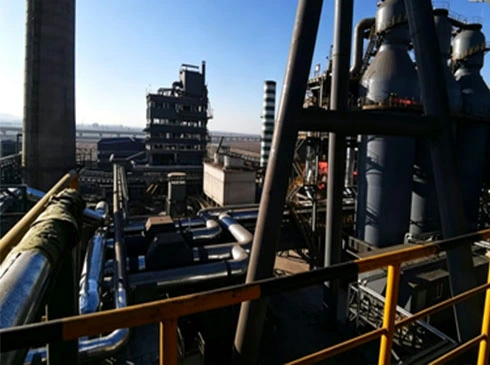
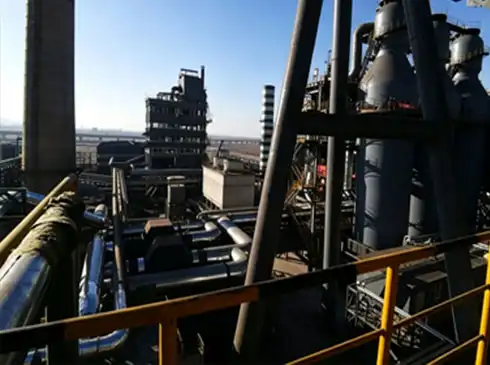
Blast furnace tower equipment's scale usually amazes me when I visit an integrated steel factory. This massive facility underpins ironmaking. It houses innovative gas-cleaning machines and bell-less top charging systems. Understanding how blast furnace tower equipment operates is crucial to a solid repair strategy.
Key Components and Their Functions
The tower structure performs several vital tasks. Skip hoists or belt conveyor towers keep raw materials moving, while top pressure control systems maintain chemical reduction balance. Built-in cooling systems prevent thermal runaway, and gas recovery infrastructure recovers waste. Modern displays increasingly use automation layers to monitor dozens of parameters, like a digital nervous system.
Common Operational Issues Affecting Performance
Blast furnaces have several issues despite good engineering. Thermal expansion causes tension when metals, especially bonded ones, come together. Corrosive sulfur and nitrogen gasses erode protective layers, making structures less stable. High-cycle parts like charge valves and skip systems wear out. Dust in charging systems can disrupt material distribution, causing the furnace to play "hanging" or "slipping." These issues waste time and energy and put maintenance crews at risk at heights.
Compliance with International Safety Standards
ISO 9001 quality standards and OSHA safety guidelines are needed for responsible company. ASME Section VIII and ISO 12944 rust prevention regulations apply to pressure tanks and coatings. Gas-tightness in top-pressure systems is regularly tested by a third party. Documentation is crucial here. Mill test records ensure that every steel plate has the proper chemical makeup and impact toughness grade, especially for cold situations.
Diagnosing Maintenance Needs: Identifying Problems and Root Causes
Early problem detection distinguishes successful operations from those with unexpected downtime. I realized that systematic analysis of blast furnace tower equipment makes management proactive.
Advanced Diagnostic Tools and Data Analytics
Conditions tracking tools are important in current maintenance. Vibration study can detect worn bearings weeks before they create noise. Thermal imaging cameras display hotspots that indicate refractory failure or cooling system clogging. Ultrasonic testing can detect corrosion in thick steel. However, integrating these sensors into IoT systems that apply machine learning on old data changes everything. These technologies detect subtle pattern variations that individuals may overlook and alert when working conditions change.
Root Causes Behind Equipment Degradation
Knowing why mistakes arise in blast furnace tower equipment helps prevent them. Because they propagate small cracks until they rupture, repeated heating and cooling cycles wear down materials. Even while technology reduces operator error, it still happens when individuals do things manually or change things. Even with protection, strong chemical atmospheres increase corrosion. In brownfield upgrading projects, the initial design assumptions don't always match reality, causing unexpected stress.
Case Study: Preventing Skip Hoist Failure
Skip hoist issues at a Midwest mining business halted production for 12 hours. A detailed inspection revealed that the guide rail rollers' wear bent them out of line, damaging the drive chain. Due to insufficient lubrication spaces, gritty dust got in. The plant went from 18 months between major repairs to over five years without stopping work by installing sealed bearing units, switching to dust-free synthetic lubricants, and measuring guide rail thickness weekly with ultrasonic waves.
Core Principles and Best Practices for Efficient Maintenance
The best operational strategy for blast furnace tower equipment balances repair theories. Both preventative and restorative approaches have their uses, depending on the part's importance and the consequences of failure.
Preventive Versus Corrective Maintenance Strategies
Maintenance prevents parts from breaking after time- or condition-based events. This approach requires replacement seals every 5,000 hours, even if they appear unworn. Fixing issues after they occurred makes sense for cheap, readily replaceable parts when preventative maintenance costs more than frequent repairs. Preventative maintenance for pricey, vital systems like cooling staves and top pressure seals and corrective maintenance for less important parts that don't create greater issues is the ideal option.
Detailed Inspection Checklist for Critical Components
Your maintenance plan should start with these essential checks:
Structural Integrity: Maintain structural integrity by using a 3D laser scanner annually to ensure towers are straight within ±10mm of the structure's height. Check all load-bearing weld lines using x-rays or ultrasonography and detect cracks. DFT gauges may measure protective coating thickness at grid locations. Recoat when readings drop below 80% of the norm.
Charging Equipment: Check skip hoist lines for damaged wire strands and replace any that break more than the manufacturer's restrictions. Check charging chutes and delivery equipment alignment with optical alignment tools. Test interlock safety systems' emergency stop functionality monthly. Check hydraulic cylinder seals for leaks and sample hydraulic fluid for contaminants.
Cooling Systems: Monitor stave circuit cooling water flow and temperature. Closed-loop systems are pressured annually to identify little breaches before they grow. Check expansion joints for cracks, focusing on heat-stressed areas. Make sure the backup cooling pumps start instantly if the primary system fails.
Gas Handling Equipment: Mobile gas analyzers can detect leaks around any flanged connections. Check pressure release valve calibration regularly. Check damper systems for free movement. Grease the pivot points and time the actuator's response.
These steps create a thorough safety net that prevents manufacturing harm. Regular documentation enables you see patterns, showing which portions often miss or beat targets.
Leveraging Automation and Predictive Analytics
With IoT sensor networks throughout the blast furnace tower equipment development, you can always monitor progress. Smart instruments record vibration, temperature, pressure, and sound emissions. AI-powered analytics tools generate repair notifications from this data. Work orders are sent out while equipment is running when bearing vibrations slowly increase, indicating failure. This strategy reduces emergency repairs by 40% and increases component longevity by 25%. In two years, sensor hardware and analytics software pay for themselves due to fewer downtime and improved spare parts usage.
Enhancing Maintenance Efficiency: Techniques and Innovations
Innovative ways improve the efficiency and sustainability of blast furnace tower equipment beyond routine maintenance.
Lean Maintenance Techniques
Maintenance waste is eliminated with lean principles. Standardized work practices ensure that every worker accomplishes the task the same way. Visual management techniques include color-coded signs, status boards, and tool shadow boards speed up tool and part searches. Operators may do simple maintenance tasks like lubrication and visual inspections using Total Productive Maintenance (TPM), freeing up qualified experts to perform more complex diagnoses. One steel factory reduced repair time by 30% by arranging their maintenance workshop using lean 5S concepts and manufacturing kitted spare parts assemblies for common repair instances.
Sourcing High-Quality Spare Parts
Part quality affects maintenance reliability and frequency. Low-alloy high-strength structural steels like Q345R or Q390GJR outperform alternatives. High-temperature sealants endure longer than conventional compounds. Material certifications are carefully examined while sourcing to ensure chemical and mechanical compliance. Because fraudulent or low-quality parts break down rapidly and harm other parts, you waste money on them.
Sustainability and Energy-Efficient Practices
Environmental responsibility increasingly drives maintenance decisions for blast furnace tower equipment. Environmentally friendly coolants make removal easier while maintaining heat performance. LED illumination reduces energy consumption by 70% and improves visibility in tower repair areas. Maintenance options can assist achieve sustainability goals by warming burning air with cooling system waste heat. Maintained equipment works better and consumes less energy per ton of iron. By improving seal gaps and fixing refractory degradation immediately, furnace heat losses drop significantly. This reduces expenses and boosts emissions.
Partnering with Trusted Suppliers for Maintenance Support and Services
Supplier ties after the initial purchase affect blast furnace tower equipment longevity.
Criteria for Evaluating Equipment Suppliers
Many factors should be considered while selecting repair partners. Established firms with a solid reputation know how to create high-temperature, high-pressure tools better than new ones. Service geographic coverage determines emergency response time. Regional service centers allow suppliers to move faster than remote ones. Warranty conditions indicate you trust the items to last. Providers who supply designs and installation instructions differ from those that provide bespoke usage or troubleshooting support.
Customized Maintenance Contracts and Aftermarket Solutions
Innovative suppliers provide business-specific service offerings. Regular checkups, predictive testing, and part replacements are included in monthly maintenance plans. This simplifies budgeting and ensures consistent auto upkeep. Performance-based contracts compensate providers for reaching customer service targets. Along with replacement parts, the aftermarket supplies update kits that upgrade outdated equipment's control systems or materials. They revive existing assets without costing much to replace them.
Building Long-Term Technical Partnerships
The finest supplier relationships become friendships over time. Suppliers who learn about your business will provide better suggestions. Helping each other fix difficulties fosters trust. Clear disclosure regarding parts, wait periods, and technological constraints prevents surprises. Some organizations provide support staff training to reduce the number of times you need outside help for minor issues. Check if potential partners are willing to do more than conduct business with you. Frequent doers give the highest long-term benefit.
Conclusion
A full strategy with precise diagnosis, tight preventative measures, and steady development is needed to maintain blast furnace tower equipment. Repair procedures must mix basic maintenance with sophisticated analytics since these systems function in difficult environments and support vital manufacturing processes. Predictive technology, solid supplier connections, and systematic inspection methods may improve reliability, decrease downtime, and maximize lifespan costs. As steel manufacturing becomes more sustainable and automated, maintenance must adapt. Besides dependability measurements, they must include energy economy and the environment.
FAQ
How often should comprehensive inspections occur?
Critical systems like cooling circuits and gas sealing devices should be examined every three months and major inspections once a year during planned maintenance breaks. Workers visually inspect for abnormalities daily and utilize vibration analysis and thermal imaging to track gradual deterioration once a month. Inspection frequency depends on machine use, material quality, and environment harshness.
What indicators signal urgent repair needs?
Sudden changes in cooling water temperatures indicate failed staves, strange sound patterns indicate damaged bearings, structural deformation from thermal stress, or decreasing gas-tightness in top pressure systems should be investigated immediately. Automatic tracking systems with the correct alert levels can provide early warnings, but operators must be trained to recognize unusual noises, odors, and visual indications.
How does automation reduce maintenance costs?
Predictive analytics identify worsening issues early, when remedies are inexpensive and quick. This prevents serious issues, emergency repairs, and lengthier downtime. Actual component state-based maintenance replaces random time-based planning. This prevents premature part replacement and identifies issues. Full-automated facilities maintain their systems 25–35% less and provide superior service.
Partner with SMEC for Superior Blast Furnace Tower Equipment Solutions
SMEC's expertise in maintaining and manufacturing large industrial blast furnace tower equipment is trusted by steel and metallurgical companies worldwide. Our 168 technical workers and 30 senior engineers provide specialist repair solutions for high-temperature, high-pressure issues. As a leading blast furnace tower equipment manufacturer, we provide design assistance, technical support, and replacement parts. Our 23,000-square-meter Shanxi facility creates ASME, ISO, and OSHA-compliant parts. Quality control includes non-destructive testing and measurement verification of items. Talk to us at project@smec.cc about how our maintenance programs, high-quality replacement parts, and professional expertise may lower your equipment expenditures over time.
References
Peacey, J.G. & Davenport, W.G. (1979). The Iron Blast Furnace: Theory and Practice. Oxford: Pergamon Press.
Geerdes, M., Toxopeus, H., & van der Vliet, C. (2009). Modern Blast Furnace Ironmaking: An Introduction (2nd ed.). Amsterdam: IOS Press.
American Society of Mechanical Engineers. (2019). ASME Boiler and Pressure Vessel Code, Section VIII: Rules for Construction of Pressure Vessels. New York: ASME Press.
International Organization for Standardization. (2017). ISO 12944: Paints and varnishes — Corrosion protection of steel structures by protective paint systems. Geneva: ISO.
Tupkary, R.H. & Tupkary, V.R. (2008). An Introduction to Modern Steel Making (10th ed.). New Delhi: Khanna Publishers.
U.S. Occupational Safety and Health Administration. (2020). Process Safety Management of Highly Hazardous Chemicals: Compliance Guidelines and Enforcement Procedures. Washington, D.C.: U.S. Department of Labor.
Free consultation & volume discounts available
SEMC focuses on the entire metallurgical process—from coking, ironmaking, and steelmaking to continuous casting and rolling. Whether you face challenges related to equipment upgrades, energy efficiency optimization, or overall process transformation, please fill in the following information. Our technical team will provide you with tailor-made high-end equipment upgrade solutions and professional EPC design services to help your project be implemented efficiently.
Recommended Blog
How Does a Three-Ring Cone Scrubber Work in Blast Furnace Gas Cleaning?
How Real-Time Tuyere Imaging Service Can Extend Your Blast Furnace Life
How Much Does Blast Furnace Slag Granulation Equipment Cost?
The Working Principle of Blast Furnace Water-Cooled Valves
How Slag Granulation Equipment Reduces Environmental Impact
Comparing Manual Inspection vs. Automated Tuyere Imaging Services