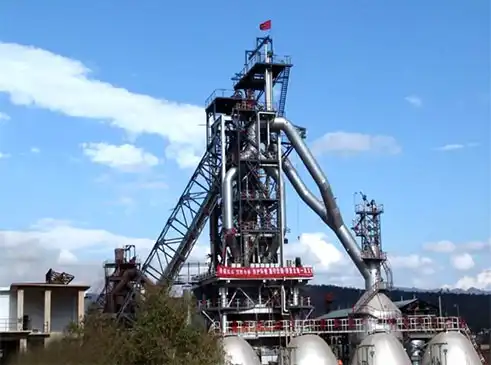
What Are the Advantages of High-Sealing Dense Welded Cooling Plates for Blast Furnace?
What Are the Advantages of High-Sealing Dense Welded Cooling Plates for Blast Furnace?
Introduction
- Introduction
- Understanding High-Sealing Dense Welded Cooling Plates
- Limitations of Traditional Cooling Plates and the Advent of Dense Welding Technology
- Key Advantages of High-Sealing Dense Welded Cooling Plates for Blast Furnace Operations
- How to Choose the Right Dense Welded Cooling Plate for Your Blast Furnace?
- Real-World Applications and Case Studies
- Conclusion
- FAQ
- Partner with SMEC for Advanced Blast Furnace Cooling Solutions
- References
High-sealing dense welded cooling plates for blast furnaces deliver exceptional thermal management through precision-engineered construction. These specialized components feature tightly integrated welding, comprehensive coverage across the furnace height, and multi-channel heat exchange structures that eliminate cooling blind spots. Unlike conventional assembled systems, the high-sealing dense welded cooling plate for blast furnace minimizes coolant leakage, prevents gas infiltration, and ensures uniform temperature distribution throughout the furnace body, directly addressing operational stability challenges faced by modern metallurgical facilities.
Introduction
Technology for cooling blast furnaces is a key part of keeping heavy metal industries running smoothly. How well the cooling system works affects not only how much is made, but also how long the refractory materials and structural parts last. Extreme thermal stress is mostly handled by cooling plates in this important infrastructure, which can handle heat flux densities of more than 300 kW/m² in high-intensity zones.
Traditional ways of cooling have long had problems with uneven temperatures, broken seals, and not enough thermal covering. These problems have an effect on the life of the furnace campaign and the cost of upkeep. High-sealing dense welded cooling plates for blast furnaces are a big change in how thermal management is thought of. By combining advanced welding technology with smart dense placement, these systems get rid of the weaknesses that come with regular designs. This created a cooling system that works well with the precise needs of modern blast furnaces, where every degree of temperature control leads to measurable gains in productivity and equipment longevity.
Understanding High-Sealing Dense Welded Cooling Plates
The engineering behind high-sealing dense welded cooling plates for blast furnaces is based on three main design principles: full vertical coverage, welded structure stability, and the best heat transfer paths. These plates are made from high-purity copper alloys or special corrosion-resistant materials chosen for their high thermal conductivity (usually more than 380 W/(m·K)) and mechanical strength when subjected to repeated thermal loading.
Manufacturing Process and Structural Design
For the production process to work, precise deep-hole drilling and full-penetration welding are needed. To make sure the internal water lines are solid, each plate is put through a hydrostatic pressure test at 1.5 to 2.0 times its working pressure. This strict way of making things guarantees that there will be no leaks when they are used. With the dense arrangement strategy, these plates are placed along the full height of the furnace, with no gaps between them. This makes a continuous thermal barrier that segmented systems cannot match.
Working Principle and Thermal Efficiency
The main idea behind how it works is that heat moves quickly and coolant moves efficiently. Multi-channel internal paths make it easier for heat to move through a material while also lowering its thermal resistance. This design quickly evens out temperature differences in the furnace shell, which stops hot spots from forming that speed up the erosion of the refractory. Welded cooling plates have 40–60% faster thermal response times than traditional cast iron staves or bolted plate assemblies. This means that they can be dynamically adjusted to changing furnace conditions during production changes.
Limitations of Traditional Cooling Plates and the Advent of Dense Welding Technology
Historically, traditional cooling equipment has had three major flaws that make it less effective at cooling blast furnaces. Segmented cooling systems naturally create thermal blind spots between their parts. This lets burning happen in certain areas, which damages the refractory linings and changes the shape of the furnace. In traditional designs, mechanical joints and bolted connections are common places for seals to fail. This is because thermal expansion cycles weaken the seals over time, letting coolant leak out and steam into the furnace.
Common Failure Modes in Conventional Systems
The problem of corrosion is another big one. When different metals are connected in a system, they form galvanic cells that speed up the breakdown of materials, especially when wetness and chemicals are present. Material fatigue from repeated thermal cycles shortens the useful life of standard plates to 8–12 years in high-intensity operations. This means that they have to be replaced in the middle of a campaign, which is expensive and throws off production plans.
Technological Advancement Through Dense Welding
These problems can be fixed directly with high-sealing dense welded cooling plate for blast furnace technology by fully integrating the structure. Getting rid of mechanical joints gets rid of possible leak paths, and full-height coverage makes sure that there are no thermal dead spots along the furnace shell. Automated TIG and laser welding are two examples of advanced welding methods that can make joins that are as strong as or stronger than the base material. New developments in material science have made it possible to make alloys that do not rust and keep their shape even when exposed to high-temperature oxidizing and reducing atmospheres for a long time.
The switch to dense welded systems has made operations more reliable in a way that can be measured. Coolant system leak rates in documented installations are less than 0.1% per year, compared to 3-5% in conventional systems. This means that maintenance breaks are shorter and the furnace is more available.
Key Advantages of High-Sealing Dense Welded Cooling Plates for Blast Furnace Operations
High-sealing dense welded cooling plates for blast furnaces have benefits that can be seen in a lot of different operating areas. This makes their value more clear over time. When buying teams and plant engineers know about these benefits, they can make smart investment choices that help the company reach its long-term output goals.
Superior Sealing Performance
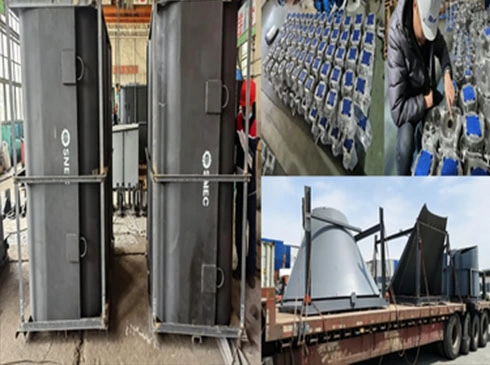
The main way that traditional systems fail, which is when the seals break down at the points where two or more parts meet, is eliminated by the combined welded construction. SMEC placed plates in metallurgical facilities that have shown they do not leak over long periods of time, keeping the system's stability even when pressure changes and temperatures change. This great sealing keeps coolant from escaping, keeps moisture out of the furnace's air, and stops heat from escaping, which would lower its thermal efficiency otherwise.
Enhanced Thermal Management Capabilities
The multi-channel heat exchange design in each plate makes many alternate paths for thermal energy to move. This part of the design speeds up the rate at which heat is removed while keeping the temperature even across the furnace shell. Engineers have found that this method reduces temperature differences by 30–45% compared to regular ones. This makes refractory wear patterns more uniform and increases the life of the lining. The fast thermal response lets operators change the amount of cooling on the fly, keeping the furnace at the best temperature even when production levels or the quality of the raw materials change.
Extended Service Life and Reduced Maintenance
Dense welded plates made from very pure materials are very resistant to the toxic effects of working at high temperatures. Since there are no mechanical joints, there are no wear points that need to be checked and replaced on a regular basis. Service records show that in difficult situations, these systems can last more than 20 years, which is twice as long as most standard cooling systems. Because they last longer, they need less upkeep over their lifetime, and they do not have to be taken out of service as often for cooling system fixes.
Comprehensive Coverage Eliminates Hot Spots
The thick vertical layout strategy makes sure that all areas of the furnace are heated, even the lower stack, belly, and bosh areas where heat flow is strongest. In systems with cooling gaps, this all-around method stops the localized overheating that leads to refractory spalling and shell warping. These plates keep the furnace shell within the temperature limits that were planned for its entire height. This protects the structure and keeps the furnace profile in the best position for efficient burden descent.
Return on Investment Analysis
Lifecycle cost analysis always shows that high-sealing dense welded cooling plate for blast furnace systems are a good investment, even though they require more money up front than other options. Payback periods are usually between 3 and 5 years because of things like less maintenance work, no unplanned downtime, longer furnace campaign life, and better energy efficiency. In addition to lowering direct costs, these systems make operations more stable, which ensures steady production output—a key part of meeting delivery obligations and staying competitive in the market.
How to Choose the Right Dense Welded Cooling Plate for Your Blast Furnace?
To choose the best high-sealing dense welded cooling plate for blast furnace system, you need to carefully consider your technical needs, the supplier's skills, and the availability of long-term operational assistance. This choice will have long-lasting effects on the furnace's performance, so a careful evaluation is necessary.
Evaluating Operational Parameters
First, write down the exact temperature range in your furnace. Calculations of heat flow for different areas help choose materials and build cooling channels. The thermal cycling resistance needed is based on the production intensity patterns, which include daily changes in tons, campaign lengths, and expected working conditions. The shape of the furnace shell and the way the refractory is set up set physical limits on the size and mounting method of the cooling plate.
Material Selection Criteria
Copper alloy cooling plates are better at transferring heat, making them perfect for areas with a lot of heat flow. On the other hand, specialized steel alloys are cheaper and better for areas with moderate temperatures. The clarity of a material has a direct effect on how well it resists heat and rust. For important uses, specifications should call for copper contents higher than 99.90%, which can be proven by conducting tests that meet ASTM B152 or similar standards. The way something is made is important. Structures made from rolled plates that are precisely drilled are denser and more uniform than structures made from cast materials.
Supplier Qualification and Capabilities
Work with manufacturers whose engineering skills and quality control systems have been checked out. Certification to ISO 9001 standards gives you basic peace of mind, while qualifications specific to your industry show that you have specialized knowledge. Check to see if the provider can help with design—for example, can they do heat transfer models for your application? Check out their factories to make sure they have the right tools for precise making and thorough testing. References from installations that are similar can tell you a lot about how well the product works in real life and how good the after-sales service is.
Procurement Considerations
Knowing the lead time helps schedule work around planned repair breaks. It usually takes 12 to 16 weeks from the time an order is confirmed until it is delivered for custom-engineered solutions. Standardized configurations may ship more quickly. Clarify warranty terms, especially the length of coverage, what "failure criteria" mean, and how repairs and replacements work. Talk about the availability of technical support. Being able to talk to an engineer during installation and commissioning avoids costly delays. Prices may be affected by how much is being bought, but quality should never be sacrificed to save money.
Customization and Integration Support
Based on when it was built, how it has been used, and its performance goals, each blast furnace has its own set of needs. Customization services providers can change the High-sealing dense welded cooling plate for blast furnace designs to fit existing mounting systems, make room for them, and improve their thermal properties for certain heat flux profiles. Integration support during installation, such as checking the alignment, helping with link methods, and testing, makes sure that the system works as planned from the very first start-up.
Real-World Applications and Case Studies
The most reliable proof of the benefits of high-sealing dense welded cooling plates for blast furnaces comes from setups that are already in use. Metallurgical plants in Asia, Europe, and North America have all started using this technology, which has produced a lot of success data that helps people decide where to spend their money.
Performance Improvements in Integrated Steel Mills
Large steel producers have said that installing dense welded cooling plates has made their operations much more efficient. Data from facilities that use high-precision sensors built into cooling walls to track temperature shows that thermal profiles have become more stable, with lower peak temperatures in critical zones. These improvements directly lead to longer refractory service life. Some sites have seen 30–40% longer campaign durations before major relining is needed. Because the temperature is steady, production methods can be more aggressive, and blast rates can be raised without putting the furnace's integrity at risk.
Maintenance Reduction and Reliability Gains
Engineering teams always point out that less upkeep is one of the main benefits. Facilities that used to handle regular system inspections every three months and seal replacements every year say they are switching to condition-based maintenance plans with inspection intervals longer than two years. Unplanned outages caused by cooling system failures have gone down a lot, making equipment work better overall and making production more predictable. The maintenance staff's time and skills that were once used to fix cooling systems have been moved to other tasks that improve efficiency, which creates secondary practical value.
Customer Feedback and User Experience
Plant experts and people who work in procurement stress how important it is for cooling systems to work properly so that people can relax. Getting rid of leak-related emergencies and sudden changes in temperature takes away sources of operational stress and lets people focus on improving production instead of putting out equipment fires. The quality of technical support from makers is very important during the original setup and for as long as the system is in use. Quick and helpful engineering support builds trust and makes sure the system works at its best.
Industry Trends and Future Developments
As new discoveries are made in materials science, cooling plates keep getting better. More service life extensions are expected from research into improved copper metals that are stronger at high temperatures. Improvements to manufacturing methods, such as using additive manufacturing for internal shapes that are very complicated, may allow for even more efficient heat transfer designs. Automation integration is another new area of study. Combining temperature monitors on cooling plates with advanced process control systems lets the cooling strength be optimized in real time based on the conditions of the furnace, which increases both production efficiency and equipment safety.
Conclusion
High-sealing dense welded cooling plate for blast furnace are a tried-and-true method for solving basic blast furnace cooling problems through better engineering and production quality. Comprehensive vertical coverage, welded structural integrity, and improved thermal management all contribute to operational benefits that build up over longer service lives. While the initial investment needs to be carefully thought through, the benefits, such as higher reliability, longer equipment life, less maintenance, and more stable production, consistently show strong returns. Metallurgical facilities that want to get the most out of their furnaces and maintain long-term operational excellence should put these advanced cooling solutions at the top of their lists when planning their infrastructure and capital investments.
FAQ
What materials are typically used in high-sealing dense welded cooling plates?
Because they transfer heat better than 380 W/(m·K), high-purity copper alloys are the most common choice for high-heat-flux uses. Oxygen-free copper types (TP2, C12200) do not become weak when heated and cooled many times. Specialized steel alloys that do not rust are used in moderate-temperature areas where saving money is important. When choosing materials, it is important to find a balance between the needs for thermal performance, corrosion protection in certain furnace atmospheres, and mechanical strength needs under working pressures.
How does high sealing technology extend cooling plate lifespan?
Welded construction gets rid of mechanical joints, which are places where seals break down over time because of heat expansion. Integrated design stops coolant from leaking, which can cause corrosion and the formation of steam. When you completely close something, hot gas cannot get in and speed up the burning process inside. These factors work together to keep the structure's integrity for more than 20 years, compared to 8 to 12 years for traditional systems that need regular seal maintenance and replacement at some point.
What are typical lead times and warranty conditions from manufacturers?
It usually takes 12 to 16 weeks for custom-engineered high-sealing dense welded cooling plates for blast furnaces to be made, inspected for quality, and sent out after the order is confirmed. Standardized setups could be sent out in 8 to 10 weeks. Reputable makers offer guarantees that cover material faults and production flaws for 18 to 36 months after the product is put into use. To make sure that both the buyer and the seller know what to expect and how to share the risk, the warranty terms should include clear instructions on how to check, what the failure criteria are, and how to fix the problem.
Partner with SMEC for Advanced Blast Furnace Cooling Solutions
Every high-sealing dense welded cooling plate for blast furnace project that SMEC works on is backed by decades of experience in the field of metallurgical equipment engineering. Our factory is in Taiyuan, which is the center of heavy industry in China. It has 68,700 square meters of advanced production space and is staffed by 168 engineers, including 30 top engineers who are committed to coming up with new ways to manage heat. We use both precise manufacturing and thorough quality control systems to make sure that every cooling plate meets strict performance standards before it is sent out. Our International Trade Department is ready to talk with you about your specific furnace needs, give you detailed technical specifications, and help you come up with custom cooling solutions that will help you reach your operational goals. Get in touch with our team at project@smec.cc to find out how working with an expert manufacturer can help your building's thermal management and long-term dependability. You can look at our full line of metallurgical equipment and technical services at smecltd.com.
References
1. Chen, W., & Liu, X. (2021). Advanced Cooling Technologies for Modern Blast Furnaces. Metallurgical Engineering Press.
2. International Iron and Steel Institute. (2020). Best Practices in Blast Furnace Thermal Management. Technical Report Series, Volume 47.
3. Kumar, R., & Nakamura, T. (2019). Comparative Analysis of Cooling Plate Technologies in High-Intensity Blast Furnace Operations. Journal of Iron and Steel Research International, 26(8), 812-825.
4. Schneider, H. (2022). Lifecycle Cost Analysis of Blast Furnace Cooling Systems. Industrial Metallurgy Quarterly, 39(2), 145-162.
5. Wang, Y., & Anderson, P. (2020). Materials Science Advances in Blast Furnace Cooling Equipment. Proceedings of the International Symposium on Metallurgical Equipment Innovation, Beijing.
6. Zhang, L., Garcia, M., & Patel, S. (2021). Operational Reliability of Dense Welded Cooling Plates: A Multi-Site Study. Metallurgical Plant and Technology International, 44(5), 56-71.
Free consultation & volume discounts available
SEMC focuses on the entire metallurgical process—from coking, ironmaking, and steelmaking to continuous casting and rolling. Whether you face challenges related to equipment upgrades, energy efficiency optimization, or overall process transformation, please fill in the following information. Our technical team will provide you with tailor-made high-end equipment upgrade solutions and professional EPC design services to help your project be implemented efficiently.
Recommended Blog
Comparing Different Types of Blast Furnace Tuyere Equipment
Best Materials for Blast Furnace Tuyere Equipment Explained
Maintenance Tips for Blast Furnace Drill Rod Replacement Equipment