What Is Blast Furnace Waste Gas Recycling?
Introduction to Blast Furnace Waste Gas Recycling
- Introduction to Blast Furnace Waste Gas Recycling
- Overview of Blast Furnace Waste Gas Recycling Technology
- Blast Furnace Waste Gas Recycling Project: From Planning to Implementation
- Choosing the Right Blast Furnace Gas Recycling Solution
- Maximizing Benefits and Overcoming Challenges in Blast Furnace Gas Recycling
- Conclusion
- FAQ
- Partner with SMEC for Comprehensive Blast Furnace Gas Recycling Solutions
- References
The steel business is at a crossroads where caring for the earth and making money are two important issues. Huge amounts of exhaust gas from blast furnaces that were once thought of as waste are now seen as potential opportunities. By collecting, cleaning, and reusing this industrial waste gas in a planned way, the Blast Furnace Waste Gas Recycling Utilization Project turns it into an asset that can bring in money. In contrast to traditional pollution treatment that only meets discharge standards, these more advanced projects take furnace waste and turn it into heat energy, combustible parts, and clean gas sources. The resources that are reused are put back into the plant to run extra equipment, warm up raw materials, and help with burning processes. This cuts carbon emissions and costs by a huge amount.

Introduction to Blast Furnace Waste Gas Recycling
Iron production produces continuous flows of waste gas containing carbon monoxide, carbon dioxide, nitrogen, hydrogen, and minor amounts of other elements. Scrubbers and filters were used to purify this gas and release it into the air. This ignores the economic significance of waste streams.
Today's recycling programs recognise blast furnace exhaust has energy. Most gas contains 18–25% carbon monoxide, a good heat transfer agent. If collected strategically, this combustible substance can substitute purchased fuels and reduce coke and electricity use. More than combustion can be done with cleansed gas. Heating blast burners, drying coal charges, and fuelling cogeneration systems are also possible.
US environmental rules make polluting harder and resource recovery more rewarding. Steel businesses are under increasing pressure to demonstrate substantial carbon emission reduction strategies. Recycling waste gas fits both needs, reducing source emissions and making the company more energy efficient. Recovering exhaust gases is a strategic investment rather than a legal need because it has two uses.
Overview of Blast Furnace Waste Gas Recycling Technology
Modern gas recycling systems use advanced technologies for cleaning, separating, and distributing gas to get the most resources out of blast furnace waste streams.
Advanced Gas Cleaning and Purification Methods
Before reuse, raw furnace gas must be cleansed of particulates, sulfur compounds, moisture, and temperature fluctuations. Dry dedusting systems preserve sensible heat in the gas stream for thermal recovery farther down. These systems use ceramic filters or fabric media to remove dust over 99.5% of the time at temperatures exceeding 300°C. Dry cleaning stabilizes gas temperature and calorific value, maximizing energy recovery.
Water-based contact techniques eliminate pollutants in wet scrubbing systems. These procedures are effective at removing fine particles and pollutants that dissolve in water, even if they drop gas temperature and must be heated again. Dry filtering removes bulk materials, and concentrated wet treatment removes specific pollutants in hybrid techniques.
Chemical cleaning removes sulphur compounds and other minor pollutants using absorption beds or reactive scrubbing. Physical or chemical purification depends on the gas, how it will be utilized, and environmental release limits. Plants that recycle gas for high-quality fuel consumption must be cleaned more thoroughly than those for heating.
Power Generation and Thermal Recovery Applications
Clean blast furnace gas is employed in several integrated steel plant energy recovery methods. Turbine-generator sets convert gas into power and collect waste heat for processes in combined heat and power systems. Cogeneration systems outperform single-purpose combustion and power generation by about 75%.
Top-gas-recovery blowers employ the pressure differential between the boiler top and atmospheric release. The turbine blades turn as gas expands, generating energy without burning. Installations produce 25–35 kWh per tonne of hot metal, eliminating the requirement for grid power and making the company more energy-self-sufficient.
Thermal energy recovered through the blast furnace waste gas recycling utilization Project warms burning air, dries newly imported coal, and heats industrial buildings in cold weather. Instead of pricey coke oven gas or natural gas, hot blast stoves use recycled gas. Thermal process integration makes the building more efficient by converting waste heat into valuable input.

Performance Metrics and Emission Standards
Monitoring a number of success measures is needed to figure out how well a recycling system works. The gas recovery rate tells you how much of the exhaust that is actually collected and used instead of being flared or vented. Recovery rates are higher than 85% for well-designed systems and higher than 90% for top setups.
System efficiency compares the amount of energy used for cleaning and compression to the amount of energy that can be used by end applications. High-efficiency designs keep net energy ratios above 3:1, which means that for every unit of fuel or electricity used in gas handling, at least three units of useful energy are produced.
Despite goals for resource recovery, emission compliance is still the most important thing. The Environmental Protection Agency has strict rules on sulphur dioxide, nitrogen oxide, and particulate matter that recycling systems must give gas that is clean enough to meet. Modern setups usually keep pollution well below the limits set by regulators while still being highly reliable and having equipment last longer.
Blast Furnace Waste Gas Recycling Project: From Planning to Implementation
For a project to be completed successfully, it needs to be carefully planned, suppliers must be carefully chosen, and the new processes must be carefully integrated with the old ones.
Feasibility Studies and Investment Analysis
Deep engineering studies examine how much gas is produced, how its composition varies, and what each facility could utilize it for again. Energy audits identify strategies to use recycled petrol instead of fuels or electricity. Reduced coke use, energy purchases, fuel oil use, and carbon compliance costs are calculated in the research.
Capital spending estimates include tools, structures, electricity integration, instrumentation, and finishing work. Operating cost models incorporate maintenance, consumable replacement, hiring, and predicted efficiency loss during equipment life.
The return on an investment is calculated by comparing the initial investment to predicted annual savings and carbon credit income. Well-planned projects that target energy-intensive and petrol-producing areas pay for themselves in three to five years. Sensitivity analysis examines how output levels, carbon tax rates, and energy costs affect project economics. This helps management assess risk.
Technology Selection and Equipment Suppliers
Each gas recycling method has advantages for different operations. Procurement teams must evaluate providers based on their technology's prior performance, reliability, repairability, and professional assistance.
The system relies on gas recovery headers and pipe networks to collect pollutants from furnace tops, hot blast stoves, and other process locations. Dedusting device removes particles to safeguard downstream equipment and gas quality. Compression and pressurization devices bypass transport network resistance to pressurize gas for end-use equipment. Heat exchanges recover thermal energy by adjusting gas temperatures. Control and tracking systems ensure flow distribution, safety, and energy recovery even when production conditions alter.
SMEC has extensive expertise planning and implementing recycling systems. Our engineers meticulously inspect the location, design specific system designs, and ensure they work with blast furnace infrastructure. We manage the entire project, from design to equipment manufacturing, installation control, performance testing, and operator training.
Integration with Existing Infrastructure
Recycling projects that work well put in new gas handling systems around burners that are already in use without stopping production. With phased execution plans, building can happen during planned maintenance windows, so there are fewer breaks in production. Temporary bypass features keep the furnace running if commissioning tasks need longer testing times.
Pipe networks for the blast furnace waste gas recycling utilization Project bring clean gas to many places in the building where it can be used. Modular design methods allow for future changes or additions as the needs of the plant change. Integration of the control system connects recycling activities with the automation of the furnace, matching the supply of gas with changes in the demand for production.
Automatic leak detection, emergency isolation valves, and explosion-proof electrical installations are all part of safety systems in areas that handle gas. Because blast furnace gas has a lot of carbon monoxide in it, strict safety rules are needed to keep people from being exposed to it. A thorough hazard analysis finds possible failure modes and sets up multiple safety measures to stop dangerous situations from happening.
Choosing the Right Blast Furnace Gas Recycling Solution
Because there are so many technologies and providers to choose from, it's important to have organised evaluation criteria that are in line with practical goals and limits.
Evaluating Technical Specifications
The performance factors of equipment have a direct effect on how much energy can be recovered and how reliably it can be used. How well dust is removed affects the safety of downstream equipment and the cleaning of gas for sensitive uses. Turbine blades, burner nozzles, and heat exchanger surfaces are protected from wear and tear by systems that remove 99.5% or more of the particles.
The amount of energy recovered through compression is directly related to the amount of power used by parasites. Adding a variable-speed drive lets you change the output of the compressor to match the real-time patterns of gas production and consumption. This keeps energy from going to waste when production changes.
How well a heat exchanger works determines how much heat can be recovered from hot gas lines. High-effectiveness designs get the most heat energy out of the system while keeping pressure drops and fouling under control. When choosing a material, you have to think about how well it transfers heat, how well it resists rust, and how much it costs.
Maintenance Requirements and Long-Term Reliability
The total cost of ownership includes more than just the initial investment. It also includes the cost of upkeep, the availability of extra parts, and the length of time that the equipment lasts. Designs with wear parts that are easy to get to make regular maintenance easier and cut down on downtime during service times. Standardized parts from multiple qualified suppliers keep you from being locked into one vendor and make sure you can always get parts.
Using vibration tracking, thermography, and performance trends for predictive maintenance lets you schedule services based on conditions instead of set dates. This method cuts down on maintenance costs that aren't needed and stops unexpected failures before they happen by finding anomalies early on.
Maintainability is a top priority for SMEC designs. They achieve this through modular construction, strategically placed access panels, and detailed documentation that includes troubleshooting guides, maintenance manuals, and catalogues of spare parts. During the life of an item, our extended support offers technical help, finding new parts, and advice on how to make it work better.
Regulatory Compliance and Safety Standards
In the United States, sites must follow pollution limits set by the Environmental Protection Agency, safety rules for the workplace set by the Occupational Safety and Health Administration, and environmental laws at the state level. Certifications for equipment show that it meets certain standards, such as the pressure vessel codes from the American Society of Mechanical Engineers and the electrical installation requirements set by the National Fire Protection Association.
When working with gas in classified hazardous areas, you need electrical equipment that is safe from explosions and is rated for the type of gas being used. Correct area classification studies find areas that need special electrical requirements, making sure that systems meet the National Electrical Code standards for dangerous areas.
Full safety interlocks for the Blast Furnace Waste Gas Recycling Utilization Project stop tools from working when it's not safe to do so. Flame arrestors in vent lines stop sparks from outside sources from spreading to gas handling systems. Emergency depressurization features quickly lower system pressure when things go wrong, keeping people and equipment safe.
Maximizing Benefits and Overcoming Challenges in Blast Furnace Gas Recycling
Strategic application gets the most out of investments in recycling while dealing with the technology problems that come with it.
Environmental and Economic Advantages
The biggest benefit to the environment is less carbon emissions. Full recycling systems can cut the amount of carbon in blast furnaces by 20 to 35 percent. Keeping and using exhaust gas stops carbon monoxide from going directly into the air and allows for more full burning in controlled situations. The lower emissions help the company reach its sustainability goals and show real progress on its climate commitments.
There are several ways that energy costs can be cut. When you replace bought natural gas or fuel oil with recycled blast furnace gas, you don't have to pay for the fuels that you replace. Less coke used means less money spent on raw materials and less pollution from making coke. Using less grid power is possible when gas pressure and heat mass are used to make electricity. As carbon pricing systems spread across more countries, avoided carbon compliance costs become more important.
There are more operational changes than just lowering costs. Better gas management for better process control keeps the furnace's temperature stable. Heating the air and materials that go into the boiler before they are used makes it work better and make more. A reliable secondary fuel supply protects operations from changes in energy prices and supply problems in other countries.
Technical Challenges and Solutions
Changing gas makeup calls for flexible system designs that can handle normal changes in production. Adaptive control algorithms change the treatment settings automatically to keep the quality of the output gas the same even if the input gas changes. Short-term changes in supply and demand can be smoothed out by buffer storage, which makes sure that gas keeps getting to equipment that uses it.
Integration gets harder as plants get older and their shapes change. Existing equipment layouts, power restrictions, and room limitations must all be taken into account during brownfield installs. Detailed engineering studies find the best integration places and come up with unique routing solutions that require the least amount of structure changes. Engineers with a lot of experience can see problems with coordination coming and deal with them before they happen during the design phase.
Without good system design and operational discipline, the amount of maintenance that needs to be done can grow. High-temperature parts are stressed by thermal cycles, which means they need to be inspected and replaced every so often. Gas streams that are full of particles wear away at high-speed parts and clog heat exchanges. Comprehensive repair plans that are based on how the equipment wears down over time keep it working well for a long time.
Emerging Technologies and Future Trends
Digital tracking systems with high-tech monitors and data analysis improve the performance of recycling systems in real time. Machine learning algorithms find small changes in performance that can't be seen with regular tracking. This lets support workers fix problems before they happen. Cloud-connected systems let you get help from experts from afar and make it easy to compare performance across multiple installations all the time.
New developments in automation make it easier for operators to do their jobs and faster for them to respond to changing circumstances. Model-based control strategies try to predict when a process will go wrong and take corrective actions to stop quality problems or equipment damage. Recycling operations are coordinated with production planning and energy management strategies when they are connected to robotic systems used throughout the whole plant.
New cleaning technologies for the blast furnace waste gas recycling utilization Project fix problems that have been around for a long time with upkeep. Regenerable sorbent devices increase the time between media replacements. Self-cleaning filter designs keep differential pressure from building up and lower the number of times the filter needs to be cleaned. Corrosion-resistant materials make parts last longer in tough chemical conditions, which lowers the cost of ownership over time.
Conclusion
Recycling waste gases from blast furnaces is a must for modern steel makers who want to be environmentally friendly and successful in their operations. By turning byproducts that would have been wasted into useful energy sources, these systems cut carbon emissions and operating costs by a huge amount. To have a successful application, you need to plan everything out, carefully evaluate the technology, and make sure it works well with the system you already have. New digital technologies and creative equipment designs keep making systems more useful and increasing economic returns. Steel companies that start recycling programs put themselves in a good position for stricter environmental rules and make their operations less vulnerable to changes in the price of energy. Recycling waste gases is a smart investment for metalworking companies that want to save money right away, cut down on pollution, and get long-term strategic benefits.
FAQ
What distinguishes waste gas recycling from conventional emission treatment?
In traditional emission control, the only goal is to meet discharge standards by filtering and cleaning the emissions before they are released into the atmosphere. These methods make sure that regulations are followed without making money for the business. Recycling programs collect, clean, and re-use exhaust gas in useful ways, getting heat energy, combustible parts, and process gas while lowering emissions at the same time. This method changes environmental compliance from a cost center to a profit-generating asset that brings in real money by cutting down on fuel costs and making energy use more efficient.
How does gas recycling affect blast furnace operational stability?
Recycling systems that are set up correctly improve operating safety in a number of ways. Using recovered thermal energy to heat the air before combustion makes the process more efficient and keeps the temperature stable. A steady supply of extra fuel from recycled petrol lowers reliance on energy sources from outside the country that could experience supply problems. Better process monitoring that comes with recycling installations lets operators see what's going on inside the boiler more clearly and act faster when conditions change quickly. The recirculation of thermal and chemical energy makes the furnace's heat distribution more even, which improves burden permeability and lowers localised thermal stress.
What return timeframe should procurement managers anticipate?
Investment recovery times depend on the size of the building, the cost of energy, the amount of output, and the costs of complying with carbon regulations. Under normal working conditions, most systems pay for themselves in three to five years. Facilities that have to deal with high energy costs, big carbon taxes, or strict sustainability goals often see faster returns. As carbon pricing mechanisms grow and energy costs rise, the economic case gets stronger. This means that future installations will have better project economics.
Partner with SMEC for Comprehensive Blast Furnace Gas Recycling Solutions
SMEC provides complete planning and equipment options for recycling blast furnace waste gas in a wide range of metalworking situations. We can do a viability study and thorough engineering design, make equipment, oversee installation, help with testing, and provide ongoing expert service. As a reliable Blast Furnace Waste Gas Recycling Utilization Project maker based in Shanxi Province, China's energy and heavy industry hub, we bring decades of experience working with steel companies around the world.
Our engineering teams use advanced modelling tools and a lot of real-world experience to create unique system designs that recover as much energy as possible while still working well with current operations. We keep a full range of production skills and can make gas cleaning equipment, compression systems, heat exchangers, and automatic control packages that meet the highest quality standards around the world. Our approach to project management coordinates all stages of execution, ensuring that turnkey solutions are delivered on time, on budget, and with as few interruptions to production as possible.
SMEC helps clients with their equipment throughout its entire lifecycle by providing quick expert support, legitimate replacement parts, and services that improve performance. Contact project@smec.cc to talk about the specific needs of your facility and find out how our Blast Furnace Waste Gas Recycling Utilization Project solutions can help the environment and your business in ways that are measurable and in line with your strategic goals.
References
1. American Iron and Steel Institute (2022). Environmental and Energy Management Practices in North American Steelmaking Facilities. Washington, DC: AISI Publications.
2. Birat, J.P. (2020). Steel and CO2 Emissions: Pathways to Deep Decarbonization of the Steel Industry. Paris: International Energy Agency Materials Efficiency Working Paper Series.
3. Carpenter, A.M. (2019). CO2 Abatement in the Iron and Steel Industry. London: IEA Clean Coal Centre Report CCC/287.
4. Hasanbeigi, A. & Springer, C. (2019). How Clean is the U.S. Steel Industry? An International Benchmarking of Energy and CO2 Intensities. San Francisco: Global Efficiency Intelligence Technical Report.
5. Rynikiewicz, C. (2021). The Climate Impact of Steelmaking: Process Technologies and Emission Reduction Strategies. Journal of Cleaner Production, 298, 126734-126749.
6. World Steel Association (2021). Steel's Contribution to a Low Carbon Future and Climate Resilient Societies. Brussels: World Steel Technology Roadmap Report.
Free consultation & volume discounts available
SEMC focuses on the entire metallurgical process—from coking, ironmaking, and steelmaking to continuous casting and rolling. Whether you face challenges related to equipment upgrades, energy efficiency optimization, or overall process transformation, please fill in the following information. Our technical team will provide you with tailor-made high-end equipment upgrade solutions and professional EPC design services to help your project be implemented efficiently.
Recommended Blog
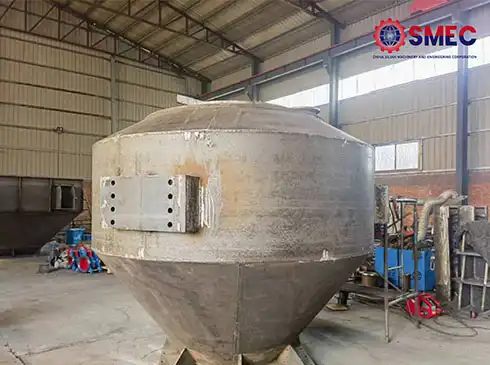
How to Reduce Unplanned Downtime with Advanced Tuyere Imaging Services?
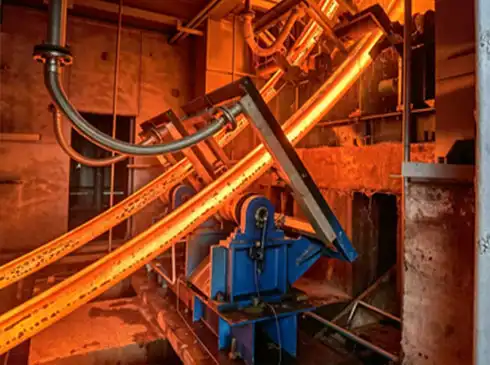
Blast Furnace Tower Equipment: Modular vs Traditional Designs
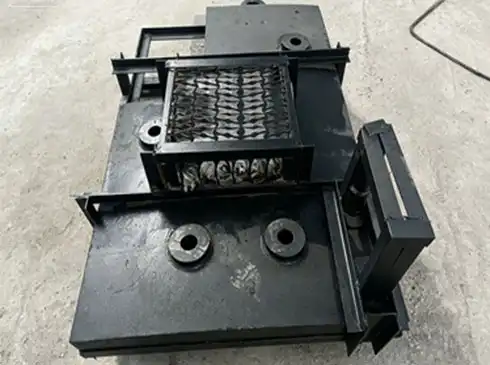
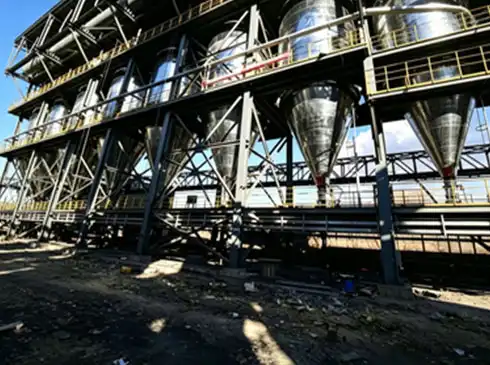
How to Choose Durable Blast Furnace Water-Cooled Valves for Long-Term Use?
Why Modern Steel Plants Use Automatic Drill Rod Replacement Devices
How to Select the Best Blast Furnace Renovation Contractor