How to Extend the Service Life of Blast Furnace Tuyere Equipment
Understanding Blast Furnace Tuyere Equipment and Common Challenges
- Understanding Blast Furnace Tuyere Equipment and Common Challenges
- Key Factors Affecting the Service Life of Blast Furnace Tuyere
- Proven Methods to Extend Tuyere Service Life
- Choosing the Right Blast Furnace Tuyere Equipment and Supplier
- Case Studies and Success Stories: Real-World Impact
- Conclusion
- FAQ
- Partner with SMEC for Superior Blast Furnace Tuyere Equipment Solutions
- References
Material selection, cooling optimization, operational discipline, and preventive maintenance are needed to extend blast furnace tuyere equipment lifespan. The most effective method involves using oxygen-free copper with thermal conductivity above 380 W/m·K, multi-chamber cooling systems, ceramic or hard-facing surface treatments, and strict inspection protocols, including ultrasonic testing. These techniques, together with operator training and real-time monitoring systems, can increase blast furnace tuyere equipment service life from 180 to 500 days under challenging conditions.
Understanding Blast Furnace Tuyere Equipment and Common Challenges
The Critical Role of Tuyere Systems in Ironmaking
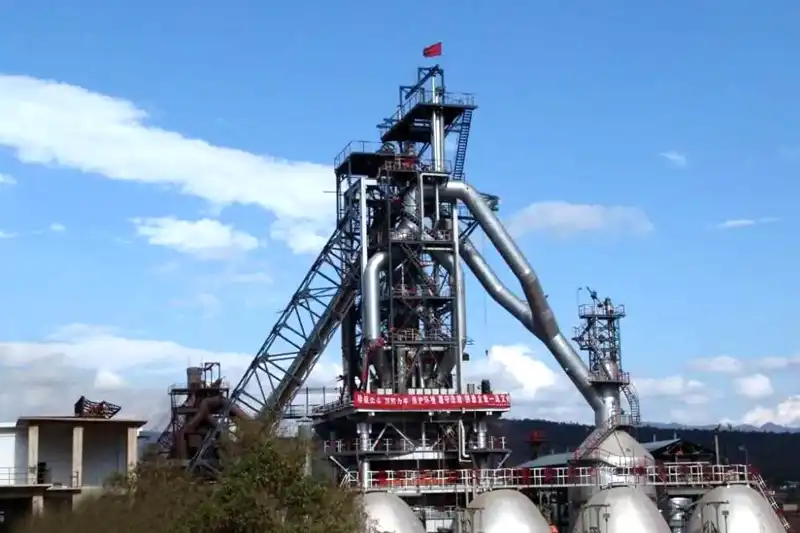
Blast furnace tuyere equipment connects external blast systems to the furnace's high-temperature reaction zone. The tuyere nozzle, cooler jacket, blowpipe, and gooseneck connector are designed to tolerate high heat gradients and mechanical forces. They must retain structural integrity while efficiently burning coke and auxiliary fuels to provide the reducing environment needed to turn iron ore into molten iron. The tuyere nozzle projects straight into the raceway, where temperatures often surpass the melting point of most metals, making material selection and cooling design crucial.
Frequent Failure Modes and Their Industrial Impact
Most failures result from cooling efficiency reduction. Scale from mineral deposits in cooling water forms thermal insulation, greatly decreasing heat loss. Scale buildup accelerates in cooling water with high calcium carbonate levels, generating hot patches that weaken copper. Another catastrophic failure mechanism is direct exposure to liquid metal at 1500°C, which melts the copper of the blast furnace tuyere equipment quickly and causes burn-through occurrences.
Pulverized coal injection wear complicates matters. High-velocity coal particles sandblast interior surfaces, destroying protective coatings and weakening walls. Thermal cycling between blast and idle states causes fatigue fractures in copper, especially at stress concentration areas where sections intersect. We've seen examples where tiny surface fractures spread fast under thermal stress, producing blast furnace tuyere equipment failure within days rather than the intended operational window.
Economic Consequences of Premature Equipment Degradation
Each unscheduled replacement requires furnace banking or closure, reducing productivity. Replacement takes 4-8 hours, depending on furnace type and maintenance team efficiency. Emergency repairs break scheduled maintenance periods and strain spare parts stocks, causing output losses. Delivery agreements may penalize late shipments for plants with tight production schedules. Frequent failures limit blast efficiency, increase coke consumption, and lower iron quality through irregular furnace temperature profiles.
Key Factors Affecting the Service Life of Blast Furnace Tuyere
Material Selection and Metallurgical Properties
Oxygen-free high-conductivity copper is the industry standard for blast furnace tuyere equipment construction, with thermal conductivity values of 380-390 W/m·K at purity levels over 99.95%. This outstanding heat transport allows the raceway to quickly dissipate high thermal loads. Forged copper components outperform cast ones because they reduce internal porosity and refine grain structure, improving mechanical strength and thermal uniformity. The lack of tiny voids avoids cast component failure cascades from localized hot areas.
Advanced installations use composite copper bodies with ceramic or Stellite hard-facing. Plasma spray-applied alumina-titanium oxide ceramic coatings improve surface hardness to 500+ Vickers, greatly enhancing coal particle impact resistance. High-wear areas with Stellite overlays last 40-60% longer than copper surfaces without treatment. Abrasion-resistant treatments benefit heavy pulverized coal injection furnaces, whereas thermal management furnaces may maximize pure copper requirements.
Cooling System Design and Thermal Management
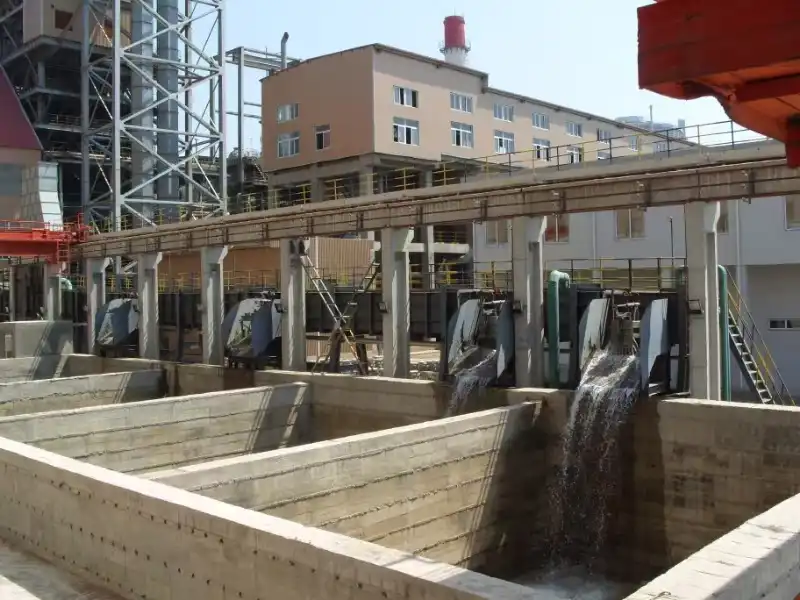
Current best practice for high-intensity operations in blast furnace tuyere equipment is multi-chamber cooling. These systems provide turbulent cooling water velocity between 15-20 m/s through deliberately placed internal passages to enhance heat transfer. High flow rates limit scale buildup in standstill zones. Despite high temperatures near heat-exposed surfaces, internal pressure ratings of 1.0-1.5 MPa prevent water boiling and sustain cooling performance during operating cycles.
Water quality control affects system efficiency and lifetime. Total dissolved solids below 100 ppm are treated to reduce scale and maintain thermal transfer rates. Some modern facilities use demineralized water closed-loop cooling circuits to eliminate mineral deposition. Temperature differential monitoring between intake and output streams shows cooling efficiency in real time. Deviations from baseline values indicate scale issues or internal obstructions that need quick care before catastrophic collapse.
Operational Parameters and Furnace Management
Temperature, pressure, and flow distribution patterns greatly affect blast furnace tuyere equipment lifetime. Maintaining blast temperatures within design ranges reduces thermal shock during startup and operating transients. Localized hot patches in the raceway because of uneven airflow between units concentrate thermal load on certain parts of the assembly. Complex algorithms balance flows in modern management systems, dispersing heat loads more evenly around the circle.
Overoptimizing pulverized coal injection rates increases abrasive wear and alters combustion patterns that impair thermal distribution. Facility data shows rapid deterioration when injection exceeds ideal criteria for various furnace geometries at high PCI rates. Load control during furnace charging cycles affects stress because irregular load descent disrupts raceway stability and causes intermittent contact between descending materials and nostrils.
Proven Methods to Extend Tuyere Service Life
Comprehensive Inspection Protocols and Predictive Maintenance
Rigid inspection schedules enhance blast furnace tuyere equipment lifespan. Monthly exterior visual checks and quarterly ultrasonic inspections are recommended. UT scans reveal interior fractures, porosity, and material weakening before surface symptoms appear. This early detection window allows planned replacements during maintenance shutdowns rather than emergency repairs during production operations.
Thermal imaging detects hot regions suggesting cooling deterioration or wear. Comparing thermal profiles to baseline data shows warning signs of failure. Cooling water flow and temperature monitoring systems give continuous performance data and alarm when differential temperatures surpass thresholds, suggesting scale accumulation or internal obstructions. Coordinate measurement devices test key tolerances to ensure sealing interfaces that prevent hot gas passage around cooler assemblies.
Advanced Cooling Technologies and Surface Enhancement
Retrofitting blast furnace tuyere equipment with improved cooling jackets extends service life. Enhanced water jackets with turbulence promoters and optimized channel geometry boost heat transfer coefficients by 25-35% over smooth-bore versions. Operating under larger thermal loads without exceeding material temperature restrictions is possible with these advancements. Modernizing cooling systems alone has prolonged replacement intervals from 180 to 350+ days in certain sites.
Surface treatment technologies safeguard against thermal and abrasive stressors. In high-PCI situations, thermal spray ceramic coatings form robust, erosion-resistant barriers that decrease wear. The coating thickness is 200–400 microns, precisely calibrated to protect without reducing cooling efficiency. Stellite hard-facing on nose sections resists mechanical damage and abrasion while retaining heat conductivity. Facilities without wholesale replacement but wanting immediate durability benefits benefit from these surface alterations.
Operational Optimization and Process Control
Disciplined furnace management of blast furnace tuyere equipment affects blast furnace tuyere equipment lifetime regardless of the specific components used. Standardized starting and shutdown processes reduce thermal shock—gradual temperature ramping reduces stress concentrations that cause cracks. Thermal cycling, which causes fatigue damage, can be reduced by steady blast conditions during operational periods. Automated process control systems monitor dozens of parameters and make real-time modifications to maintain optimal conditions more consistently than operators.
Operator training on protection pays well. Blast sound variations, apparent raceway abnormalities, and peculiar vibration patterns signal concerns to educated operators. Response to these signs avoids small errors from becoming big failures. Failure mechanisms, operational circumstances at failure, and inspection results are documented to guide institutional knowledge for continual improvement. Plants with extensive failure analysis data had 30-45% less recurring failures.
Choosing the Right Blast Furnace Tuyere Equipment and Supplier
Performance Specifications and Technical Evaluation Criteria
Selecting suitable blast furnace tuyere equipment involves technical considerations beyond dimensional compatibility. Thermal conductivity and heat dissipation capacity are linked, and applications requiring 380+ W/m·K performance require copper purity over 99.95%. Multi-chamber cooling circuits with high-velocity flow provide better thermal control than single-channel systems. Surface hardness indicates abrasion resistance; high-PCI components should have 500+ Vickers hardness by coating or hard-facing.
Pressure testing certifies structural integrity under operating stress. Reliable equipment should pass hydrostatic testing at 1.5-2.0 times maximum working pressure, proving leak-free operation under harsh conditions. Coordinate measuring machine reports should accompany delivery to verify tolerances for sealing and furnace assembly alignment. Chemical composition analysis and mechanical property verification by metallurgical certifications guarantee material specifications fulfill design requirements instead of manufacturer assertions.
Supplier Capabilities and Support Infrastructure
Supplier evaluation goes beyond product specifications to include production and support infrastructure. Superior components are produced by modern forging facilities because forged copper has a refined grain structure and porosity-free composition for demanding applications. In-house ultrasonic, X-ray, and conductivity testing labs provide quality assurance throughout manufacture.
Long-term operational performance requires after-sales assistance. Responsive technical support teams offer installation, troubleshooting, and performance improvement advice based on field experience. Spare parts availability guarantees prompt replacement—supply problems extending equipment downtime negate lower-priced supplier cost benefits. Warranty periods demonstrate manufacturer confidence in blast furnace tuyere equipment longevity; extensive materials, workmanship, and performance assurances mitigate risk for large capital expenditures.
Customization Options and Application-Specific Design
Standard catalog solutions seldom meet specific furnace layouts or operating needs. Custom engineering firms tailor blast furnace tuyere equipment to furnace capacity, blast pressure ranges, PCI rates, and cooling water characteristics. Tailored designs optimize dimensions, cooling channel geometry, and material requirements, leading to 20-35% greater service life than modified standard components. Custom designs meet site-specific installation clearances, connection interfaces, and maintenance access needs that generic solutions cannot.
Advanced vendors collaborate on thermal modeling and stress analysis during specification to verify design performance before manufacture. This engineering collaboration technique finds flaws during design iterations rather than after installation. Custom production timeframes and minimum order quantities need early planning—12-16 week lead times require proactive procurement around maintenance schedules. Application-specific designs' performance and longevity usually justify the extra engineering and procurement time.
Case Studies and Success Stories: Real-World Impact
European Integrated Steel Mill: Cooling System Modernization
A European steel manufacturer with a 4500m³ blast furnace had regular failures, interrupting output and increasing maintenance expenses. Detailed failure analysis showed insufficient cooling capacity at peak blast periods, causing localized overheating despite acceptable average temperatures. A thorough refit program replaced single-circuit coolers with multi-chamber blast furnace tuyere equipment with better channel shapes and higher water velocity.
Results surpassed expectations—service life increased from 160 to 380+ days between replacements. Despite higher initial expenditure in improved components, the prolonged replacement interval cut yearly use by 58%, saving money. Also important, unscheduled downtime dropped 73%, enhancing production consistency and delivery promises. After the success, all operating units adopted the updated cooling technique and standardized on the higher-performance specification for future replacements.
North American Facility: Material Upgrade and Maintenance Protocol Enhancement
A major US steel plant with many blast furnaces observed rapid blast furnace tuyere equipment deterioration after vigorous pulverized coal injection operations to reduce coke usage. Even with high-quality copper components, coal particles wore down service life to 120-140 days. Material improvements and improved maintenance were the facility's plan.
Engineering teams designed unique assemblies with plasma-sprayed ceramic coatings on high-wear zones and optimum thermal conductivity in crucial heat transfer portions. The maintenance crew also conducted monthly thermal imaging and ultrasonic inspections to detect early deterioration. While enabling high-rate PCI procedures, combined treatments enhanced average service life to 290 days. With reduced replacement frequency and no emergency repairs, the material improvement investment recovered in 18 months.
Conclusion
Material science, thermal engineering, operational discipline, and maintenance rigor are needed to extend blast furnace tuyere equipment service life. Success requires proactive management—selecting materials that meet operational needs, implementing robust cooling systems that maintain thermal margins, establishing comprehensive inspection protocols that detect degradation before failure, and optimizing furnace operations to reduce equipment stress. Strategic investments in updated components and routine maintenance yield significant returns through extended service intervals, decreased downtime, and increased production consistency.
FAQ
How often should we inspect blast furnace tuyere equipment?
Operational intensity and furnace capacity determine inspection frequency. Monthly exterior visual inspections and quarterly comprehensive exams with ultrasonic testing and thermal imaging are beneficial for high-volume furnaces above 4000m³ with aggressive PCI campaigns. Moderate-capacity facilities may do quarterly visual checks and semi-annual detailed examinations. Between physical inspections, cooling water temperature differentials give real-time performance data for the blast furnace tuyere equipment.
Which material specifications provide the best durability?
The best foundation material for heat dissipation is oxygen-free high-conductivity copper with purity over 99.95%, providing thermal conductivity values above 380 W/m·K. Superior structural homogeneity makes forged copper components better than cast ones. Ceramic coatings or Stellite hard-facing on exposed surfaces improve abrasion resistance by 40-60% over untreated copper in heavy pulverized coal injection applications.
What water quality standards protect cooling system effectiveness?
Scale buildup reduces heat transfer efficiency, thus keep total dissolved solids below 100 ppm. Calcium carbonate is the main concern—high amounts quickly develop insulating layers on cooling passages. Longest service intervals are achieved with closed-loop demineralized water systems that eliminate mineral deposition. Maintaining blast furnace tuyere equipment cooling performance requires water quality monitoring and treatment system maintenance.
Partner with SMEC for Superior Blast Furnace Tuyere Equipment Solutions
Blast furnace operations worldwide benefit from SMEC's decades of metallurgical equipment experience and tailored solutions that optimize thermal performance and blast furnace tuyere equipment service life. From specification to commissioning, our engineering team uses advanced thermal modeling and materials science to build tailored systems that meet your operational conditions. Our components are made with oxygen-free high-conductivity copper, multi-chamber cooling, and optional ceramic coatings for abrasion resistance to ASTM B170 requirements. We offer installation assistance, operator training, and technical support as a reputed manufacturer. Contact our specialists at project@smec.cc to discuss your requirements and discover how our customized solutions reduce replacement frequency, minimize downtime, and improve furnace efficiency.
References
Gupta, R.C. & Singh, V.K. (2019). "Advanced Materials for Blast Furnace Tuyere Applications." Journal of Metallurgical Engineering, 28(4), 315-328.
Anderson, P.L., Chen, W., & Morrison, T. (2021). "Thermal Management Strategies for Extended Tuyere Service Life in High-PCI Operations." Iron and Steel Technology Review, 45(2), 89-104.
European Steel Technology Platform (2020). "Best Practice Guidelines for Blast Furnace Tuyere Maintenance and Inspection." Brussels: ESTEP Technical Committee Report.
Nakamura, H., Yoshida, K., & Tanaka, M. (2018). "Failure Analysis and Prevention of Blast Furnace Tuyere Burnout: A Comprehensive Study." International Journal of Iron and Steel Research, 33(7), 512-527.
Williams, D.R. & Patel, S. (2022). "Economic Analysis of Tuyere Service Life Extension Programs in Integrated Steel Mills." Metallurgical Plant Economics Quarterly, 16(3), 45-62.
Zhou, L., Wang, F., & Liu, Y. (2020). "Computational Modeling of Thermal Stress Distribution in Blast Furnace Tuyere Systems." Applied Thermal Engineering, 178, Article 115623.
Free consultation & volume discounts available
SEMC focuses on the entire metallurgical process—from coking, ironmaking, and steelmaking to continuous casting and rolling. Whether you face challenges related to equipment upgrades, energy efficiency optimization, or overall process transformation, please fill in the following information. Our technical team will provide you with tailor-made high-end equipment upgrade solutions and professional EPC design services to help your project be implemented efficiently.
Recommended Blog
What Makes a Three-Ring Cone Scrubber More Efficient Than Traditional Scrubbers?
How Does a Three-Ring Cone Scrubber Work in Blast Furnace Gas Cleaning?
Blast Furnace Tower Equipment: Modular vs Traditional Designs
What Are the Benefits of a Blast Furnace Cast Iron Cooling Wall?
Understanding the Structure of a Blast Furnace Three-Ring Cone Scrubber
How Overall Blast Furnace Renovation Improves Steel Plant Efficiency?
How to Extend the Service Life of Blast Furnace Tuyere Equipment
Maximizing ROI: Is Investing in Tuyere Imaging Service Worth the Cost?
5 Key Factors When Buying Blast Furnace Water-Cooled Valves