What to Look for in Blast Furnace Tower Equipment Suppliers
Understanding Blast Furnace Tower Equipment and Its Importance
- Understanding Blast Furnace Tower Equipment and Its Importance
- Essential Criteria for Selecting Blast Furnace Tower Equipment Suppliers
- Comparing Blast Furnace Tower Equipment Types and Supplier Offerings
- How to Evaluate and Verify a Blast Furnace Tower Equipment Supplier?
- Best Practices for Blast Furnace Tower Equipment Procurement
- Conclusion
- FAQ
- Partner With SMEC for Reliable Blast Furnace Tower Equipment Solutions
- References
When buying blast furnace tower equipment, procurement specialists must prioritize seller reliability, expert expertise, and long-term assistance. The correct vendor will supply sturdy machinery, license compliance, changeability, and trustworthy after-sales service. Quality blast furnace tower equipment affects gas cleaning efficiency, temperature regulation, and environmental compliance, which affect steel production stability and profitability. Your investment promotes sustainable, high-performance operations while minimizing downtime and maintenance costs by evaluating providers via numerous perspectives.
Understanding Blast Furnace Tower Equipment and Its Importance
The most significant aspect of contemporary ironmaking is blast furnace towers. Control gas flow, eliminate dust, and maintain large-scale activity temperatures. These systems use gas cleaning devices, pressure control valves, and computerized tracking to maximize heater efficiency. Steel mills face rising energy expenses, environmental problems, and unplanned shutdowns that disrupt production schedules without working blast furnace tower equipment.
Core Components Driving Operational Excellence
Many smaller systems work together to tackle real difficulties in modern tower equipment. Gas cleaning machines remove particles and impurities, protecting downstream equipment and the environment. Material degradation is prevented by temperature management systems maintaining proper thermal profiles. Pressure, flow, and equipment status are tracked in real time using automated tools. This allows for scheduled maintenance, extending asset life and reducing emergency repairs.
Energy Efficiency and Environmental Compliance
Steel companies are nonetheless concerned about energy consumption, despite rising power bills and stricter environmental regulations. Better heat recovery, enhanced gas flow dynamics, and innovative insulator materials reduce fuel use in high-efficiency tower equipment. To comply with US EPA pollution requirements, you must collect dust, scrub gasses, and monitor emissions. This distinguishes top equipment suppliers from commodity sellers.
Maintenance Challenges and Modern Solutions
Traditional tower equipment has corroding gas handling parts, worn refractory linings, and mechanical valve systems. These issues cause costly downtime and unpredictable maintenance costs. Modern designs address these issues using wear-resistant metals, modular component replacement, and remote testing that detect issues before they become system breakdowns. Buyers may cut their total cost of ownership and maintain production with these innovative ideas from suppliers.
Essential Criteria for Selecting Blast Furnace Tower Equipment Suppliers
Technical criteria and commercial considerations that will effect blast furnace tower equipment project performance must be considered while choosing a supplier. We've worked with steel mills and coking facilities on numerous continents, and certain key attributes consistently provide good outcomes.
Manufacturing Capability and Quality Assurance
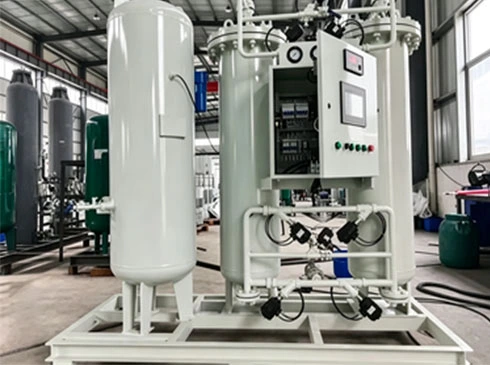
Established providers of blast furnace tower equipment have distinct factories with the latest manufacturing tools, competent personnel, and tight quality control. When choosing a partner, consider production, welding qualifications, and material sources. Industrial zone suppliers have solid supply chains, specialized labor markets, and access to raw resources. Benefits include reduced wait times and consistent product quality. At SMEC, our 23,000-square-meter Taiyuan Yangqu Park production plant offers everything required to produce items. It employs 168 engineers and technicians, including 30 senior engineers. This technological depth lets us manage complex customized demands while maintaining quality standards during production.
Certification Standards and Regulatory Compliance
International licenses demonstrate a supplier's capabilities and product reliability. Check for ISO 1401, local pressure tank licenses, and ISO 9001-certified quality management systems. These credentials demonstrate a provider's commitment to quality, safety, and sustainability. These all affect how effectively your equipment functions and fulfills facility rules.
Customization Flexibility and Engineering Support
Off-the-shelf alternatives may not fit plant setups, output targets, or location limitations. Capable suppliers give engineering assistance and modify standard designs during specification. This might include altering the footprint for sites with limited space, employing specific materials for corrosion-prone areas, or linking the control system to other plant automation systems. Companies with R&D departments, like our Large-scale Intelligent Coking Equipment Research Institute, can tailor solutions to your business.
After-Sales Service Infrastructure
Equipment reliability depends on initial performance and technical support response time. Check a supplier's service network, replacement part availability, and expert assistance speed. Companies with 24/7 local support personnel, massive inventories of spare parts, and technical hotlines save downtime during maintenance or abrupt breakdowns. Clear guarantee conditions, such as coverage length and service kinds, safeguard your investment and clarify who is accountable for performance issues.
Comparing Blast Furnace Tower Equipment Types and Supplier Offerings
Companies produce blast furnace tower equipment with extremely diverse characteristics because they have diverse design concepts, target audiences, and technological skills. Knowing these distinctions might help you pick work-appropriate technology.
Traditional Versus High-Efficiency Models
Traditional tower designs employ simple refractory materials, human control systems, and gas cleaning processes, requiring modest startup capital. Small enterprises with constrained budgets and steady production demands benefit from these strategies. High-efficiency versions consume less energy and require less maintenance due to superior materials, automated control algorithms, and heat recovery systems. Since fuel and maintenance expenses decrease, the larger investment usually pays for itself in three to five years.
Evaluating Innovation and Technological Differentiation
Leading vendors of blast furnace tower equipment have exclusive technology that improve performance. Patented gas distribution methods increase cleaning, better refractory formulae lengthen rebuilds, and predictive maintenance algorithms optimize service schedules. Request reference site performance data when comparing providers. This should cover energy utilization, pollutants, and repair frequency. Real-world operations are more dependable than theoretical specs or marketing claims.
Pricing Structures and Total Cost Analysis
The price of equipment comprises its manufacturing cost, services, guarantee conditions, and supplier profit margins. Some companies charge more for engineering support, installation monitoring, commissioning, and training despite reduced beginning pricing. These added charges might increase work costs significantly. Others provide readymade products to simplify budgeting and planning. Find the best deal by calculating the entire cost of ownership, including energy usage, maintenance, and lifespan.
Lead Times and International Logistics
Manufacturing wait periods are normally three to nine months, although they might be greater or shorter depending on equipment complexity, customisation, and production plans. Supply chains with effective manufacturing and project management may reduce lead times and increase reliability. International shipping requires further considerations, such as packaging, shipping, customs paperwork, and import taxes. Shipment is smoothed by experienced sellers dealing with freight forwarders and documentation.
How to Evaluate and Verify a Blast Furnace Tower Equipment Supplier?
A thorough blast furnace tower equipment supplier evaluation reduces procurement risk and improves project outcomes. We recommend an organized approach that evaluates numerous supplier qualities.
Conducting Factory Assessments
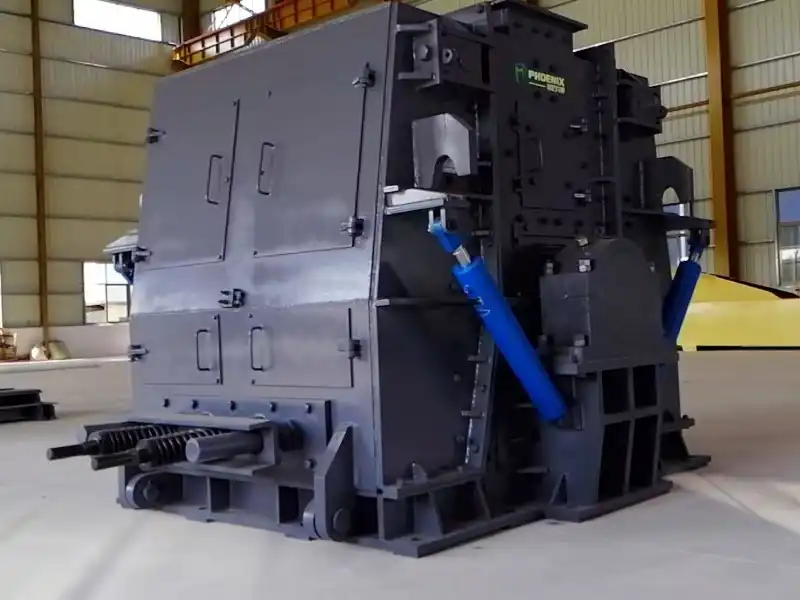
Site visits reveal useful information. Factory tours show how goods are created, quality control is done, and the workplace is structured. Well-organized factories have clear work spaces, material depots, and quality records. The equipment, workers' skill, and safety compliance are secondary indicators of managerial competence and organization maturity. Virtual tours can be used when travel limitations prevent you from visiting, but they don't provide as much information.
Validating References and Case Studies
Reliable suppliers are willing to share instances of prior clients with similar wants and working conditions. Ask these references how well the equipment works, how quickly the vendor installed and tested it, and how excellent the assistance was after the sale. Success stories with quantifiable gains in performance, operational costs, or equipment-related emissions are much more persuasive.
Assessing Technical Alignment
Your equipment must suit your operating demands, production quantities, and growth ambitions. Suppliers that have worked with your firm before understand your application's issues and restrictions. Technical conversations during evaluation should focus on how to integrate with present systems, maintain it, and extend for future expansion. Suppliers who care about your position are more likely to meet your needs.
Best Practices for Blast Furnace Tower Equipment Procurement
Structured blast furnace tower equipment purchase procedures ensure all stakeholders are informed, communicate openly, and establish reasonable targets, improving results.
Defining Requirements and Building Cross-Functional Teams
Before starting a project, technical demands, operational goals, and performance criteria must be documented. Include plant engineers, maintenance workers, and operations managers early in the design phase to gain many perspectives and ensure no needs are neglected. This method uncovers integration issues, maintenance concerns, and practical preferences that technical evaluations may miss. Clear standards simplify objective supplier comparison and provide a foundation for installation acceptability testing.
Negotiation Strategies for Long-Term Value
When negotiating rates, consider cash's initial cost and activities' long-term worth. Warranty coverage, including duration and types of repairs, prevents early failures and manufacturing issues. Plant workers are trained on equipment installation and operation via installation and testing help. Service agreements that cover regular repair and emergency response keep equipment functioning well for longer. When you consider procurement as a long-term partnership with a seller, suppliers are more willing to help you succeed.
Installation and Commissioning Excellence
Even amazing tools fail if not installed or commissioned properly. Professional installation ensures everything is properly assembled, aligned, and linked to other systems. During commissioning, issues are resolved to begin production. This ensures that the equipment satisfies real-world performance criteria. Operators get extensive training during commissioning to maintain efficiency after the supplier's construction crew leaves.
Establishing Preventive Maintenance Programs
Regular maintenance extends equipment life, prevents unexpected failures, and maintains optimal energy efficiency. Work with your provider to make repairs that match the equipment's design and use. Predictive maintenance optimises service time by detecting issues before they fail using sensor and control system data. Having additional parts for essential parts reduces downtime during planned maintenance or unexpected repairs.
Conclusion
Finding the finest blast furnace tower equipment source requires careful consideration of technical expertise, product quality, service infrastructure, and long-term partnership potential. The finest suppliers provide proven technical expertise and fast customer support to ensure that their equipment fulfills immediate performance demands and can adapt to evolving operating needs. By organizing assessment procedures, setting explicit expectations, and viewing buying as a long-term relationship, buyers may achieve dependable, effective methods that help steel production enterprises stay profitable.
FAQ
What affects blast furnace tower equipment lifespan?
Equipment lifespan depends on material quality, use, and maintenance. High-quality refractory materials and corrosion-resistant metals can tolerate blast furnace chemicals and temperatures. By maintaining design parameters—avoiding high temperatures, gas velocity, and acidic condensation—accelerated wear is minimized. Regular checkups, part replacement, and the correct oil extend service life. Well-maintained equipment from trusted suppliers lasts 15–25 years.
How can good tower tools save energy?
There are various ways sophisticated tower devices save energy. The fan uses less electricity because optimized gas flow patterns reduce pressure decreases. Older systems waste thermal energy, whereas better ones use it. Better shielding materials retain heat, requiring less fuel to maintain process temperatures. Automated control systems may enhance working conditions in real time, making them more adaptable than human techniques.
Which licenses indicate a trustworthy seller?
ISO 9001 accreditation demonstrates your commitment to quality control and growth. Pressure tank approvals like the ASME U-stamp or national requirements ensure pressurized part safety. Environmental management standards like ISO 14001 indicate superior product quality. Industry-specific certificates and case studies of successful projects from well-known steel manufactures are other ways to verify a provider's qualifications and goods.
Partner With SMEC for Reliable Blast Furnace Tower Equipment Solutions
SMEC makes blast furnace tower equipment that satisfies the highest performance criteria thanks to its decades of coking and mining equipment expertise and wide variety of production talents. Our engineering team collaborates with clients from original specs to installation, commissioning, and operations support. With 486 devoted employees, including 30 top engineers, we can manage complex customized demands and ensure consistent delivery quality. Contact our staff at project@smec.cc to discuss your specific requirements with experts that understand current steel manufacturing.
References
American Iron and Steel Institute. (2021). Blast Furnace Ironmaking: Process Fundamentals and Emerging Technologies. Washington, DC: AISI Publications.
Chen, W., & Zhang, J. (2020). Energy Efficiency Optimization in Integrated Steel Plants: Equipment Selection and Process Control. Journal of Cleaner Production, 267, 122-145.
International Iron and Steel Institute. (2019). Best Available Techniques for Blast Furnace Operations: Environmental and Economic Considerations. Brussels: IISI Technical Committee.
Kumar, S., & Patel, R. (2022). Maintenance Strategies for Heavy Industrial Equipment: Predictive Approaches in Metallurgical Operations. Industrial Engineering Journal, 51(3), 234-256.
United States Environmental Protection Agency. (2020). Emission Standards and Control Technologies for Iron and Steel Manufacturing. EPA Office of Air Quality Planning and Standards.
World Steel Association. (2023). Supplier Selection and Procurement Best Practices for Metallurgical Equipment: A Global Industry Perspective. Brussels: WorldSteel Technology and Innovation Committee.
Free consultation & volume discounts available
SEMC focuses on the entire metallurgical process—from coking, ironmaking, and steelmaking to continuous casting and rolling. Whether you face challenges related to equipment upgrades, energy efficiency optimization, or overall process transformation, please fill in the following information. Our technical team will provide you with tailor-made high-end equipment upgrade solutions and professional EPC design services to help your project be implemented efficiently.
Recommended Blog
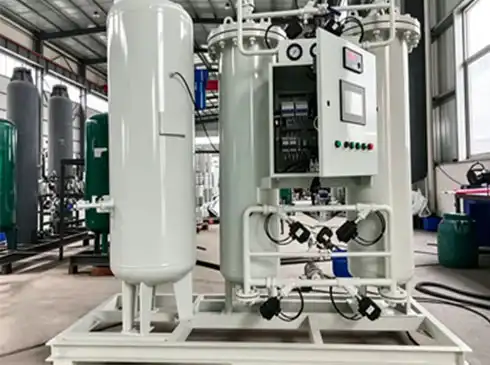
Best Materials for Blast Furnace Tuyere Equipment Explained
Comparing Manual Inspection vs. Automated Tuyere Imaging Services