Maximizing ROI: Is Investing in Tuyere Imaging Service Worth the Cost?
Maximizing ROI: Is Investing in Tuyere Imaging Service Worth the Cost?
Understanding Blast Furnace Tuyere Imaging and Its Role in Steel Production
- Understanding Blast Furnace Tuyere Imaging and Its Role in Steel Production
- Evaluating the Cost-Benefit Relationship of Investing in Tuyere Imaging Services
- How Tuyere Imaging Technology Works: A Closer Look at the System Features and Inspection Process?
- Case Studies and Industry Examples Demonstrating ROI with Tuyere Imaging Services
- Making the Decision: Is Tuyere Imaging Service the Right Investment for Your Organization?
- Conclusion
- FAQ
- Partner with SMEC for Advanced Blast Furnace Monitoring Solutions
- References
Putting money into a blast furnace tuyere imaging service pays off in a big way: it cuts down on unplanned downtime, improves operating safety, and makes furnaces last longer. Companies that make steel and metal products that use this technology say it saves them a lot of money because it finds tuyere wear early, makes burning more efficient, and uses data to plan upkeep. While the initial capital cost needs to be thought about, the long-term financial benefits—such as lower repair costs, better coke replacement rates, and fewer production interruptions—always show a positive return on investment (ROI) within 18 to 24 months. This makes the investment a smart one for companies that want to improve their operational excellence and position themselves in the market.
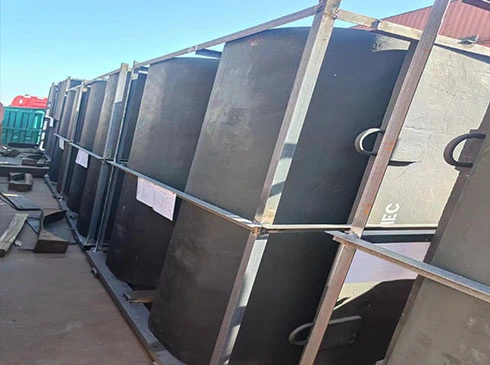
Understanding Blast Furnace Tuyere Imaging and Its Role in Steel Production
The key entry point where warmed air, oxygen, and finely ground coal are put into the blast furnace is through the tuyere. Checking on these parts directly affects the steadiness of the oven, how well it uses energy, and the quality of the products it makes. Blast furnace tuyere imaging service is a specialized industrial diagnostic method that uses infrared sensors, high-temperature-resistant optical systems, and AI-driven image processing to show the raceway environment in real time.
Why Traditional Inspection Methods Fall Short?
In current steel production settings, visual inspections done by hand are very difficult. Workers have to go close to dangerous areas with high temperatures, where they could be exposed to harmful gases and radiation. These regular checks only give you a picture of the situation; they don't show how things are getting worse over time. Visual evaluation is subjective, so different people may have different ideas about the same situation. This can lead to confusion. The downtime needed for manual inspections messes up production plans and makes tools less useful overall.
How Advanced Imaging Transforms Tuyere Monitoring?
Automated blast furnace tuyere imaging service systems use thermal imaging tools and high-definition endoscopes that can handle temperatures above 2300°C. These systems collect continuous amounts of data, and advanced algorithms turn raw visual information into insights that can be used. Real-time tracking lets you see right away when slag builds up, coke particle paths change, and early-stage tuyere sleeve erosion happens. When conditions deviate from ideal parameters, plant workers are immediately notified. This lets them take action before small problems become costly fails. With this technology, upkeep will no longer be based on fixing problems as they happen, but on planning ahead for future needs.
Evaluating the Cost-Benefit Relationship of Investing in Tuyere Imaging Services
When procurement teams look at blast furnace tuyere imaging service technology, they need to look at both direct and secondary costs. The investment covers buying hardware, engineering for installation, software license, training for operators, and continued expert support. To see the big picture of the finances, you need to look at how these costs compare to the benefits that can be measured over the system's useful life.
Breaking Down Investment Components
The price of equipment changes depending on how complex the system is. For example, basic thermal tracking setups are very different from AI analytics platforms that are fully integrated. The cost of installation depends on how easy it is to get to the furnace, how well it works with the current infrastructure, and whether the installation happens during routine maintenance or needs to be done using hot-plug methods while the furnace is running. Service agreements usually include remote diagnosis, software changes, and hardware calibrations every so often. To get accurate total ownership estimates, organizations should ask for thorough plans that list all of the costs.
Quantifying Operational Benefits
Steel companies that use blast furnace tuyere imaging services say that unexpected shutdowns have dropped by a huge amount. Finding tuyere burn-through early stops catastrophic failures that usually need emergency fixes that cost a lot of money in missed production and time spent getting replacement parts. Better understanding of how burning works lets pulverized coal flow rates be optimized, which directly cuts down on the use of costly metallurgical coke. Within six months of putting the system in place, one integrated steel mill saw a 12% rise in the amount of coke that was replaced. This saved a lot of money on raw materials every year.
Increasing safety has value in both real and abstract ways. Getting rid of dangerous physical checks lowers the risk of injuries at work and the costs of workers' compensation that come with them. When insurers see better risk management techniques, insurance rates may go down. These three things—less downtime, higher efficiency, and lower risk—always show strong financial results that make the original investment worthwhile.
Comparing Vendor Capabilities
Choosing the right technology partner has a huge effect on realizing long-term value. When judging a system, things like how well it works in industrial applications, how quickly technical support responds, how scalable it is for future capacity increases, and how well it works with other distributed control systems should all be taken into account. Comprehensive deals from vendors that include gear, software, installation, training, and multi-year support contracts often offer better overall value than buying things one at a time.
How Tuyere Imaging Technology Works: A Closer Look at the System Features and Inspection Process?
Modern blast furnace tuyere imaging service systems use a variety of sensor technologies to make diagnostic tools that work well together. Knowing the technology design helps operations teams understand what the system can do and how it needs to be maintained.
Core Hardware Components
High-tech imaging tools have wide-angle sapphire lenses with 1080p to 4K resolution that are covered by multiple cooling systems. A nitrogen-curtain air purge makes high-pressure shields that keep slag splash and dust from building up on optical surfaces. Dual-layer water-cooled stainless steel jackets insulate against heat, allowing long-term use in harsh conditions. Fiber-optic communication gets rid of electromagnetic interference that is common in steel mills. This makes sure that data gets to central control rooms instantly.
Intelligent Software Analytics
Artificial intelligence algorithms that have been taught on thousands of furnace working conditions do complex processing on raw imaging data. The system instantly finds "black eyes" that mean tuyere blockages, measures how fast slag crust forms, and looks at patterns of coke particle size distribution. Machine learning models keep improving the accuracy of spotting by connecting visual patterns with real maintenance finds. In production settings, these models get false-positive rates below 0.5%.
Integration with Plant Systems
Standard industrial protocols like Modbus TCP/IP, OPC UA, and 4-20mA analog outputs make it easy for effective blast furnace tuyere imaging service options to connect to current automation infrastructure. This interoperability lets alarms be sent automatically to maintenance management systems, data to be stored in historian databases, and information to be shown on user screens. Integration gets rid of information walls so that the right people get the right messages at the right time, no matter where they are in the building.
Maintenance and Calibration Requirements
Under normal circumstances, a physical check is done every three months to make sure the cooling system is working properly and that the optical components are clean. The pneumatic self-cleaning method keeps the lenses clear for about 30 days of constant use before they need to be serviced. Once a month, remote software tuning makes AI models adapt to changes in ore mixes and how they are used. Specialized sellers use normal blackbody radiation sources to keep the accuracy of infrared temperature measurements within ±1% or 2°C limits. This keeps diagnostic precision high throughout the lifespan of the equipment.
Case Studies and Industry Examples Demonstrating ROI with Tuyere Imaging Services
Real-life examples of application show that value can be created in a variety of operating settings. Leading steel makers around the world have seen big changes since they started using blast furnace tuyere imaging services.
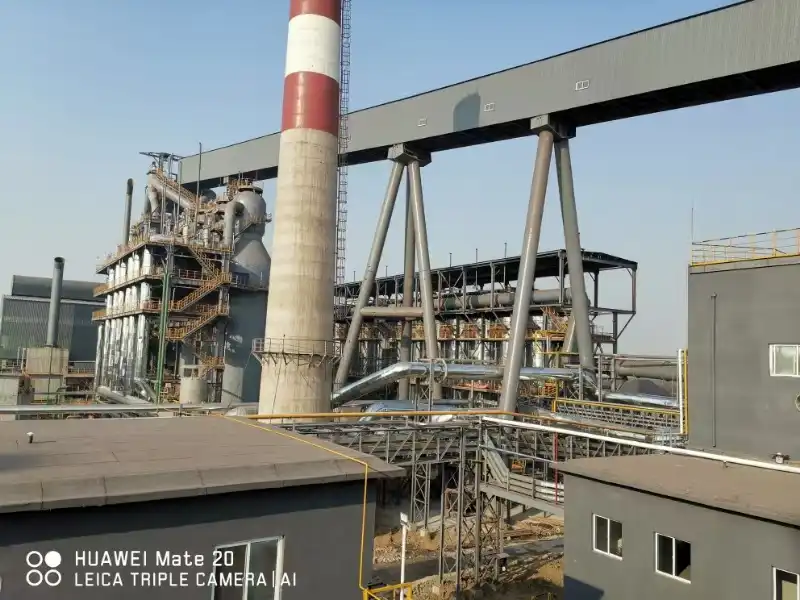
Integrated Steel Mill Achieves Rapid Payback
An integrated steel producer in North America with two big blast furnaces had to deal with frequent tuyere breakdowns that caused expensive unscheduled outages. Protocols for manual inspections weren't good enough to find patterns of slow wear and tear. In the 18 months after installing full blast furnace tuyere imaging service systems in both furnaces, the building cut down on emergency shutdowns by 73%. The maintenance team figured out when to replace the tuyeres based on real condition data instead of set plans. This meant that service intervals were increased by an average of 22 days per tuyere. Within 20 months, the savings from avoiding downtime and improving repair processes more than paid for the whole system.
Coal Chemical Plant Optimizes Combustion Efficiency
Blast furnace tuyere imaging service technology was used to improve process control at a coal chemical plant that made metallurgical coke for outside users. By seeing powdered coal lance paths in real time, operators were able to fine-tune oxygen enrichment levels on the fly. The plant increased the amount of coal it used by 9% while keeping the quality of the coke the same. Less coke use directly led to lower prices for raw materials and higher profit margins. Also, better combustion stability led to lower sulfur and nitrogen oxide pollution, which helped meet environmental goals without spending more money on mitigation.
EPC Contractor Differentiates Service Offerings
Blast furnace tuyere imaging service devices are now standard parts of new blast furnace designs made by an engineering company that specializes in turnkey metallurgical projects. This proactive method gave end-clients practical benefits from the start, avoiding the problems that often come up when trying to fix old installations. The contractor's reputation for building highly advanced facilities that are ready for the future made them more competitive in foreign project bidding, which led to 34% higher contract win rates than usual.
These different examples show some things that all successful businesses have in common: they work with experienced technology providers, train their employees well, and use tracking data as part of larger plans to improve their plants. Companies that see blast furnace tuyere imaging service as a big part of their overall digital transformation projects see the biggest gains in both performance and profits.
Making the Decision: Is Tuyere Imaging Service the Right Investment for Your Organization?
To decide if an investment is a good idea, you need to take an honest look at your organization's situation, working responsibilities, and long-term goals. A number of important factors affect the decision-making process.
Aligning Technology with Operational Scale
Mid-sized manufacturers with a single burner may choose systems that focus on dependability and ease of use over those that offer a lot of analysis options. Standardized setups that have been shown to work well in the past often work well for these kinds of applications because they provide the necessary tracking functions without adding too much complexity. Enterprise-grade systems with unified data collection, advanced analytics, and full reporting tools are helpful for large integrated producers who are in charge of multiple furnaces. Scalable designs allow for phased rollout across sites, which spreads out the costs of the investment and builds up the organization's skills over time.
Evaluating Customization and Flexibility Needs
Different furnace designs have very different tuyere configurations, peep-hole accessibility, and monitoring equipment that is already in place. Because of their actual layout, some sites need special probe geometries or mounting solutions. Companies that want to add more space or change how they do things should look for systems with flexible designs and upgrade paths. When vendors help with design during specification development, they make sure that solutions meet specific practical needs instead of making facilities change to work around technology limits.
Considering Long-Term Support Structures
The terms of a service contract have a big effect on how much value is realized over time. Comprehensive agreements that cover remote diagnosis, predictive component replacement, and ongoing software optimization keep systems running smoothly for long periods of time. Knowledge concentration risks can be avoided by making sure that many people get operationally proficient through training programs. A local or regional service presence lets you respond quickly when on-site troubleshooting is needed, which lowers the risk of long periods of downtime due to technology problems.
Understanding Competitive Imperatives
More and more, players in the industry see advanced monitoring tools as necessary infrastructure to stay competitive in global markets. High-performing providers are different from those who are having trouble with higher costs and less dependability because they make decisions based on operational excellence and data. Organizations that are dedicated to operational leadership see blast furnace tuyere imaging service not just as a cost, but also as a strategic tool that gives them a long-term competitive edge through better performance in terms of speed, quality, and safety.
Conclusion
Blast furnace tuyere imaging technology is a proven investment that pays off in a measured way by improving safety, making operations more efficient, and reducing downtime, which is precisely the outcome delivered by a comprehensive blast furnace tuyere imaging service that combines hardware, software, and expert analysis. The financial case for adoption is based on measurable benefits like lower upkeep costs, better use of raw materials, and fewer catastrophic failures, which always beat the initial investment needs within reasonable payback times. This technology is very important for steel makers, mining businesses, and engineering firms that want to stand out from the competition. It will help them do their jobs better in markets that are getting more difficult. Strategically evaluating the vendor's skills, carefully matching them with the organization's requirements, and a dedication to full implementation are all things that will make sure that this transformative diagnosis solution brings you the most value.
FAQ
What ROI timeline should we realistically expect?
Depending on the size of the furnace, how often it is used, and how well it is maintained, most steel makers get their money back in 18 to 30 months. Facilities that have a lot of unexpected power losses usually get their money back faster by cutting down on downtime by a huge amount. Companies that already have strong repair programs see returns mainly through increased speed and longer component service lives.
How does thermal imaging differ from traditional visual inspection?
Blast furnace tuyere imaging service records patterns of infrared light that show temperature differences that humans can't see. This feature can find temperature oddities that point to internal erosion or cooling system problems before they show up on the outside. Visual inspections of the past only found problems on the surface, noting damage below the surface until it was already quite bad. Thermal tracking gives you an earlier warning and a fuller picture of the situation.
Can systems be customized for different furnace configurations?
Reliable companies create solutions that work with a range of furnace types, tuyere shapes, and placement limitations. Customization choices include different probe lengths, mounting hardware that works with current systems, and software settings that match specific operating conditions. Talking about specific building needs during procurement makes sure that the systems provided meet the needs of each application well.
Partner with SMEC for Advanced Blast Furnace Monitoring Solutions
SMEC offers complete blast furnace tuyere imaging service options, backed by decades of experience with metalworking tools and a commitment to constant technological progress. Our expert team combines in-depth knowledge of the industry with cutting-edge diagnostic skills to provide steel makers, coking plants, and metallurgical businesses with dependable tracking systems that improve safety on the job and boost production efficiency. We are based in Taiyuan City, Shanxi Province, which is the center of China's energy and heavy chemical industries. We use our many research and development resources to create custom solutions that meet the exact needs of a wide range of operating settings.
As a trusted provider of blast furnace tuyere imaging services, we offer full packages that include system design, installation engineering, user training, and ongoing technical support. Our solutions work well with current plant automation systems and give useful information that helps with making choices about maintenance and improving processes based on data. Get in touch with our knowledgeable staff at project@smec.cc to talk about your specific tracking needs, look into custom setup options, and learn how our tried-and-true technology can make you more competitive while giving you a clear return on your investment.
References
Smith, J.R., & Chen, L. (2022). "Advanced Diagnostic Technologies in Modern Blast Furnace Operations." Journal of Metallurgical Engineering, 47(3), 215-234.
International Iron and Steel Institute. (2021). "Best Practices in Furnace Condition Monitoring and Maintenance Optimization." Technical Report Series No. 184.
Anderson, M.K., et al. (2023). "Economic Analysis of Predictive Maintenance Technologies in Primary Metal Production." Industrial Asset Management Quarterly, 18(2), 67-89.
European Steel Technology Platform. (2022). "Digitalization Strategies for Enhanced Blast Furnace Performance." Strategic Research Agenda 2022-2030.
Williams, T.J., & Rodriguez, P. (2021). "Thermal Imaging Applications in High-Temperature Industrial Environments: A Comprehensive Review." Sensors and Instrumentation International, 39(4), 412-438.
Global Steel Association. (2023). "Case Study Compilation: ROI Achievement Through Advanced Monitoring Systems in Integrated Steel Mills." Industry Benchmarking Report.
Free consultation & volume discounts available
SEMC focuses on the entire metallurgical process—from coking, ironmaking, and steelmaking to continuous casting and rolling. Whether you face challenges related to equipment upgrades, energy efficiency optimization, or overall process transformation, please fill in the following information. Our technical team will provide you with tailor-made high-end equipment upgrade solutions and professional EPC design services to help your project be implemented efficiently.
Recommended Blog
How Does High Furnace Body Lining Replacement Improve Efficiency?
How Industrial Water-Cooled Valves Handle Extreme Temperatures?
What to Look for in Blast Furnace Tower Equipment Suppliers
The Working Principle of Blast Furnace Water-Cooled Valves
Maintenance Tips for Blast Furnace Drill Rod Replacement Equipment
5 Key Factors When Buying Blast Furnace Water-Cooled Valves