Benefits of Upgrading Your Blast Furnace Gas Purification
Understanding Blast Furnace Gas Purification and Its Challenges
- Understanding Blast Furnace Gas Purification and Its Challenges
- Core Benefits of Upgrading Your Blast Furnace Gas Purification System
- How Upgraded Purification Technologies Work: An Overview of Modern Solutions?
- Choosing the Right Blast Furnace Gas Purification Service Provider
- Maintenance and Troubleshooting Tips for Upgraded Purification Systems
- Conclusion
- FAQ
- Partner with SMEC for Advanced Blast Furnace Gas Purification Solutions
- References
One of the best things about the mining business that isn't used enough is blast furnace gas purification service. Even though raw BFG has a lot of energy potential, it is contaminated with things like particles, chlorides, sulfur compounds, and water that can damage equipment and make it harder to follow environmental rules. Many places we've seen have problems with TRT blade erosion, hot blast stove flame clogging, and faster pipeline rust. These are all signs that the gas is not being cleaned properly. By improving the framework for purification, these problems are met head-on, and operational problems are turned into strategic benefits. This guide talks about the real benefits of modernization for integrated steel mills, coking plants, and mining businesses that want to gain a competitive edge by making better use of resources and lowering emissions.
Understanding Blast Furnace Gas Purification and Its Challenges
The Technical Complexity of BFG Contaminants
Blast furnace gas purification service is a complicated process that involves getting rid of harmful chemicals without decreasing the energy worth of the gas. Raw BFG has many layers of contaminants that are hard for standard methods to fully remove. Dust particles as small as a few hundred microns can damage turbine blades by wearing them away quickly. Compounds that contain chlorine speed up dew point rust in pipeline networks, especially where temperatures change quickly. Sulfur derivatives help make acids, which break down refractory materials in combustion tanks and hot blast fires.
Limitations of Legacy Purification Technologies
Older wet cleaning methods use too much water and make a lot of sludge that needs to be thrown away, which costs a lot of money. These Venturi cleaner arrangements also remove useful heat from the gas stream, which makes TRT power generation 15-20% less efficient than dry systems. Water treatment standards make operations more difficult, especially in places where water is scarce or where strict rules apply to release. Scaling, weathering, and freezing risks during cold weather operation make the wet method more difficult to maintain.
Regulatory Pressures Driving Modernization
Global environmental standards are getting stricter. For example, in many places, ultra-low emission limits now require dust levels to be below 5mg/Nm³. Facilities that are close to cities have to follow strict rules about air quality, which means that secondary dust releases from ash handling systems are not allowed. We've seen buying teams put changes at the top of their list of priorities, and it's not just to make sure they're compliant; it's also to get a head start on meeting new regulations. When new standards go into force, this proactive method stops expensive emergency retrofits and stops production.
Core Benefits of Upgrading Your Blast Furnace Gas Purification System
Enhanced Equipment Protection and Operational Reliability
By getting rid of rough and toxic contaminants before they reach sensitive parts, modern blast furnace gas purification services make tools last a lot longer. TRT installations with advanced purification report maintenance intervals being extended from a few months to several years. This cuts down on unexpected downtime and the production loses that come with it. People who use hot blast stoves notice that the burners work consistently and don't experience the glassing effect that stops checker brick pathways and lowers thermal efficiency. Over decades, pipeline networks keep their structural integrity instead of needing to repair sections often because the walls are wearing down.
Environmental Compliance and Emission Reduction
When blast furnace gas purification service systems are updated, compliance goes from being a hassle to become a competitive benefit. Modern sites usually get emission levels well below the current limits. This gives them a safety cushion in case regulations get stricter in the future. With closed-loop ash handling systems, fugitive dust emissions are stopped while collected particles are moved. This fixes a common safety problem in older plants. When you switch from wet to dry cleansing, you use thousands of cubic meters less water each month and don't have to treat polluted water as much.
Financial Returns Through Energy Recovery and Cost Reduction
Upgrading purification systems has a strong economic case because they not only save money on upkeep but also restore a lot of energy. Dry purification systems keep the useful heat in the BFG, which lets TRT setups make a lot more electricity from the same amount of gas. Facilities say they can make 15–25% more power after changes, which directly lowers the cost of buying energy. The better gas quality also makes it easier for hot blast stoves and warming furnaces to burn fuel more efficiently. This lowers the total amount of energy used to make one ton of steel.
Technology Integration and Future-Readiness
Modern systems for cleaning water use smart tracking technologies that let you see how well they're working in real time and plan ahead for maintenance. Continuous dust tracking with laser backscattering or optical monitors lets problems with filter integrity be fixed right away, before they cause major gas contamination. Pressure drop research across filter houses finds the best cleaning processes by balancing how much energy is used with how long the filters last. Online gas composition analysis keeps an eye on the amounts of CO, CO₂, and H₂, making sure that users downstream always get the same quality fuel.
How Upgraded Purification Technologies Work: An Overview of Modern Solutions?
Dry Bag Filtration Systems
The current standard for high-performance blast furnace gas purification service is long-bag pulse dry dust catchers. These systems send gas through cloth filter media that catch particles but let clean gas pass through. Filters are cleaned every so often with bursts of compressed air that push dust into collection hoppers without stopping the flow of gas. When choosing filter media, you need to think about how well it captures particles, how well it can handle different temperatures, and how well it can handle chemicals. Specialized fabrics can even filter particles as small as a micron.
Hybrid and Electrostatic Enhancement
Hybrid methods that use more than one cleaning technology can be helpful in some situations. Before bag filters, electrostatic precipitators can get rid of bigger particles and lower the filter's load. This staged method makes filters last longer while keeping their ultra-low pollution performance. When processing gas from high-sulfur coke or specialty metallurgical processes, chemical absorption units remove certain contaminants, such as sulfur compounds or heavy metals. The people in charge of buying things should decide if the extra work that comes with hybrid setups is worth it because of the unique gas properties of each location.
Critical Component Selection
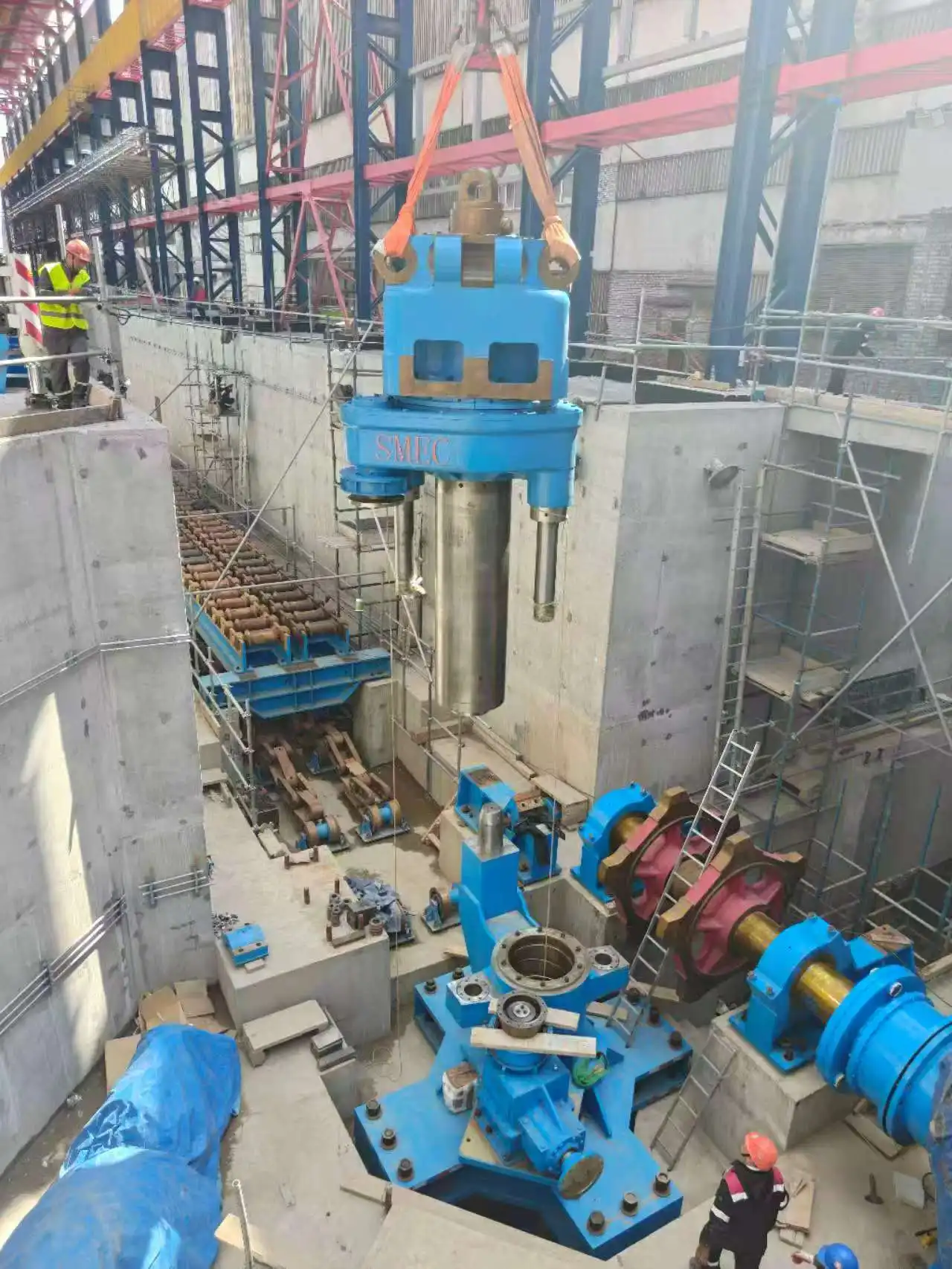
Gas cooling units lower the temperature of entering BFG to a level that can be handled by filter media. They do this by using indirect heat exchange to keep useful heat for later recovery. It is very important for facilities that process high-volatile coking mixes to have tar removal systems that keep filter media from blocking. Gas recovery units collect cleaned BFG at the right pressure and temperature so that it can be used, whether it's to feed TRT plants, combustion equipment, or pipeline networks. The speed and dependability of the whole system depend on how well these parts are sized and connected.
Choosing the Right Blast Furnace Gas Purification Service Provider
Technical Expertise and Technology Portfolio
When choosing a blast furnace gas purification service provider, you need to carefully look at their professional skills and the solutions they offer. Leading providers keep separate research sites where they work on creating new technologies for purification and making improvements to designs that are already in use. Look for suppliers who can show they really understand the properties of industrial gas and the unique problems that blast furnace operations face. Engineers with hands-on commissioning knowledge should be on technical teams so they can predict problems during installation and come up with workable answers.
Project Delivery and Support Capabilities
Comprehensive project performance is what sets exceptional suppliers apart from vendors of tools. Turnkey services that include engineering design, making equipment, supervising installation, and testing cut down on planning work and speed up project timelines. Integrated project teams are responsible for the performance of the whole system, not just the performance of its parts. This makes sure that the new system works well with the current plant infrastructure. Detailed installation instructions and tools for teaching operators make it easier to switch to new systems.
Quality Assurance and Performance Guarantees
Strict quality control measures make sure that cleaning systems work at the amounts that were agreed upon. Reliable providers test the equipment in the workshop before sending it out to make sure it meets the design requirements. During on-site setup, the full performance should be tested using isokinetic sampling methods to correctly measure the amount of dust in the outlet. Systems that use bright powder or optical sensors to find bag leaks find problems with the filter media that need to be fixed before the final acceptance. Performance promises give investors peace of mind that their investments will give them the results they expect.
Maintenance and Troubleshooting Tips for Upgraded Purification Systems
Proactive Maintenance Strategies
Effective upkeep plans keep blast furnace gas purification services working well for as long as they are in use. Regular checks focus on the quality of the filters, using leak detection systems to find filter bags that are damaged and need to be replaced. Checking the difference in pressure between filter houses shows strange patterns that could mean the cleaning processes aren't working right or there is too much dust in the system. Gas composition research finds breakthroughs that mean filters aren't working right or there are bypass situations that need quick attention.
Common Issues and Resolution Techniques
When tar builds up on filter media, the pressure slowly rises, and the cleaning power decreases. Facilities that process high-tar gas should keep the gas at a temperature above dew points and make sure that tar removal systems upstream are working properly. Checking the filter bags on a regular basis during repair breaks shows trends that point to changes that need to be made to the process or the cleaning system. Filters that get clogged up because of too much dust or not enough cleaning need to be systematically diagnosed.
Operator Training and Continuous Improvement
Well-trained workers can spot problems early and take the right steps to fix them, which keeps small problems from getting worse and leading to major fails. System working principles, normal performance limits, troubleshooting steps, and safety rules should all be covered in training classes. Getting hands-on practice with real tools during commissioning is very helpful before it can be used on its own. Processes for continuous improvement keep track of what operations learn and make care better over time.
Conclusion
Updating the infrastructure for blast furnace gas purification service has huge benefits for practical efficiency, environmental compliance, and financial performance. Modern dry filter systems get rid of the problems that came with older wet scrubbing methods and offer better contaminant removal, energy recovery, and upkeep efficiency. The strategic value goes beyond instant operational gains. It also includes being ready for the future by integrating digitally and getting ready for stricter environmental rules. When procurement professionals look at purification upgrades, they shouldn't just look at the original capital costs. They should also look at the total lifecycle value, because well-designed systems produce positive returns over many decades of operation while also supporting larger sustainable goals.
FAQ
How does upgraded purification improve steel plant productivity?
Modern blast furnace gas purification service protects important equipment from damage by contaminants, which cuts down on unplanned downtime. Instead of needing to be fixed often, TRT installations work steadily for years without any big repairs. Hot blast stoves keep their heat efficiency steady even when the burner gets clogged or the checker bricks wear down. Corrosion-related problems in pipeline networks stop the flow of gas to different plant users. These gains in reliability immediately lead to more products being made each year and fewer people needing to do upkeep work.
What emission levels can modern purification systems achieve?
Modern dry bag filtration systems often get dust concentrations below 5mg/Nm³ at the exit, which is well below the current ultra-low emission limits in most places. Some setups show performance below 3mg/Nm³ by choosing the best filter media and keeping them in great shape. Closed-loop ash handling gets rid of secondary fugitive emissions that happen when dust is moved and thrown away, which is a typical safety problem in older facilities.
How should procurement teams evaluate purification upgrade cost-effectiveness?
A full evaluation looks at many aspects of value, not just the original input in capital. Better energy recovery through keeping reasonable heat increases the production of TRT power by 15 to 25 percent. Maintenance costs have gone down by 60–70% because equipment is lasting longer and needs to be fixed less often. The benefit of regulatory compliance includes avoiding fines and getting ready for when standards are expected to get stricter. Leading sites see a return on their investments within three to five years, and they continue to save money for decades after that.
Partner with SMEC for Advanced Blast Furnace Gas Purification Solutions
SMEC has a lot of experience with metallurgical tools and can help steel makers with the problems they are having with cleaning up blast furnace gas. Our engineering team, which is made up of 168 technical staff members and 30 senior engineers, creates custom purification systems that meet the needs of each location and the properties of the gases they work with. We are in Taiyuan City, Shanxi Province, which is the center of China's energy and heavy chemical industries. We use the area's experience in coking and metallurgical technologies while still meeting foreign quality standards. Our Large-scale Intelligent Coking Equipment Research Institute is always improving cleaning technologies so that clients can get solutions that are both tried and true. As a reliable provider of blast furnace gas purification services, we handle full projects that include planning, production, installation supervision, and testing, and we're responsible for the whole system's performance. Contact our team at project@smec.cc to talk about the specific purification problems your facility is facing and find out how our solutions can help with energy recovery, equipment protection, and environmental compliance while also giving you measured financial returns over longer working lifetimes.
References
Chen, W., & Liu, X. (2021). Advanced Dust Removal Technologies for Blast Furnace Gas Purification in Modern Steel Plants. Journal of Iron and Steel Research International, 28(4), 412-425.
Kumar, R., & Singh, P. (2020). Energy Recovery Optimization Through Blast Furnace Gas Cleaning System Upgrades. Ironmaking and Steelmaking: Processes, Products and Applications, 47(6), 634-647.
European Commission Joint Research Centre. (2019). Best Available Techniques Reference Document for Iron and Steel Production: Gas Cleaning and Energy Recovery Systems. Publications Office of the European Union, Luxembourg.
Zhang, H., Wang, S., & Zhao, M. (2022). Dry Bag Filtration Systems for Ultra-low Emission Blast Furnace Gas Purification: Performance Analysis and Case Studies. Clean Technologies and Environmental Policy, 24(3), 891-908.
International Iron and Steel Institute. (2020). Environmental Performance Indicators: Blast Furnace Gas Utilization and Purification Technologies. IISI Technical Report Series, Brussels.
Nakamura, T., & Yoshida, K. (2021). Lifecycle Cost Analysis of Blast Furnace Gas Purification System Upgrades: Comparing Wet and Dry Technologies. Journal of Cleaner Production, 289, 125-137.
Free consultation & volume discounts available
SEMC focuses on the entire metallurgical process—from coking, ironmaking, and steelmaking to continuous casting and rolling. Whether you face challenges related to equipment upgrades, energy efficiency optimization, or overall process transformation, please fill in the following information. Our technical team will provide you with tailor-made high-end equipment upgrade solutions and professional EPC design services to help your project be implemented efficiently.
Recommended Blog
How Granulated Blast Furnace Slag Supports Sustainable Manufacturing
Understanding the Structure of a Blast Furnace Three-Ring Cone Scrubber
How Industrial Water-Cooled Valves Handle Extreme Temperatures?
How Three-Ring Cone Scrubbers Improve Blast Furnace Gas Quality
Why Is Blast Furnace Gas Purification Important for Steel Plants?
Blast Furnace Tower Equipment: Modular vs Traditional Designs