OEM Blast Furnace Tuyere Equipment: Benefits for Steel Plants
Understanding Blast Furnace Tuyere Equipment: Key Concepts and Functions
- Understanding Blast Furnace Tuyere Equipment: Key Concepts and Functions
- Selecting the Right OEM Blast Furnace Tuyere: Criteria and Comparisons
- Maintenance and Troubleshooting of Blast Furnace Tuyere Equipment
- The Procurement Advantage: Why Buy OEM Blast Furnace Tuyere Equipment?
- Future Trends and Innovations in Blast Furnace Tuyere Technology
- Conclusion
- FAQ
- Partner with SMEC for Advanced Tuyere Solutions
- References
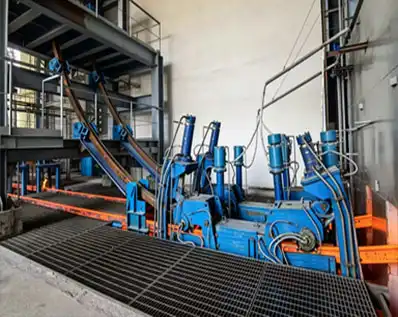
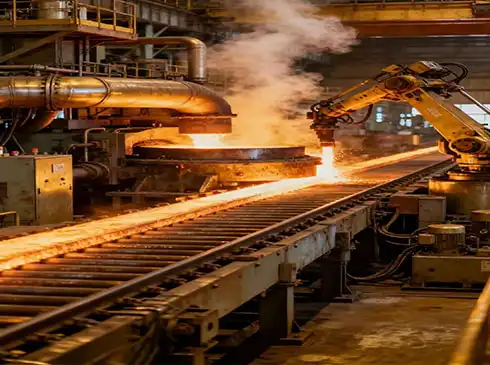
Blast furnace tuyere equipment is important for making steel today because it brings oxygen, high-temperature air, and finely ground coal into the furnace. OEM tuyeres are high-quality because they are made with precise engineering and high-conductivity copper that doesn't contain oxygen and can handle heat loads above 2000°C. Their multi-chamber cooling systems improve performance and lower the risk of burn-through failures, which can lead to sudden shutdowns and big losses in production.
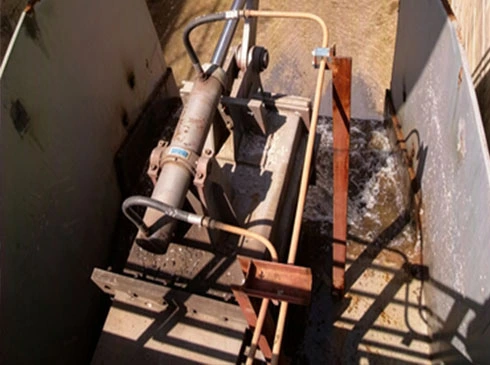
Understanding Blast Furnace Tuyere Equipment: Key Concepts and Functions
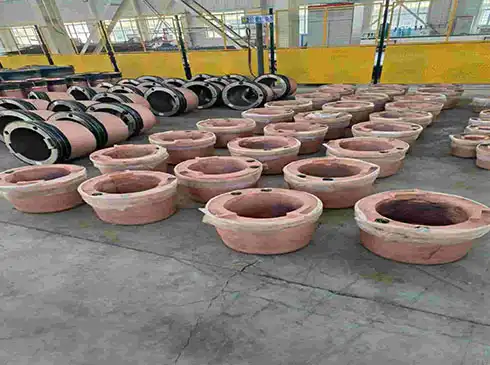
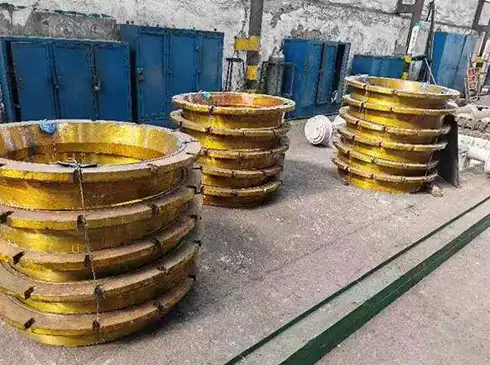
Every good blast furnace has a complex set of blast furnace tuyere tools that all work together to keep the conditions right for making iron. Most of these systems are made up of a tuyere tip, a cooler jacket, a blowpipe, and a gooseneck. They are all made to handle a lot of operating stress.
The Critical Role in Ironmaking Operations
Tuyere sections bring hot blast air into the lower pit of the furnace to burn coke and break down iron ore. It would take hours for this input to kill lighter materials at these speeds and temperatures. Modern setups make sure that airflow is evenly spread across several tuyere stations around the circle of the furnace, and they can handle blast pressures of 0.3 to 0.5 MPa.
Engineering Fundamentals Behind Thermal Management
There are significant heat issues for blast furnace tuyere equipment. At temperatures close to 2200°C, the outside surfaces touch hot slag and metal drops. Inside, cooling water circuits must keep the copper body temperatures below 250°C to keep the structure from collapsing. High-tech designs use cooling tubes that are carefully designed to move water at speeds between 15 and 20 meters per second. When mixed with oxygen-free high-conductivity copper that has thermal conductivity values above 380 W/m·K, these parts can get rid of heat flux levels that would instantly evaporate most materials.
Material Science Driving Performance Standards
OEM makers use forged copper instead of cast copper to get rid of the microporosity that makes heat movement less effective and weakens the metal. Forging smooths out the grain structure, making the material thicker, more regular, and better at handling heat. Surface improvement methods like Stellite hard-facing or plasma-sprayed ceramic coats make it even more resistant to wear and tear. This is especially important in places where crushed coal is injected quickly, as the coal particles sandblast the inside surfaces.
When buying teams understand these basic ideas, they can better compare the skills and equipment specs of suppliers to the needs of their operations. This technical information is especially helpful for steel plants with furnaces that can hold more than 4000 cubic meters of material when they are choosing equipment that needs to work reliably for 300 to 500 days.
Selecting the Right OEM Blast Furnace Tuyere: Criteria and Comparisons
When choosing blast furnace tuyere tools, you need to think carefully about the technical and operational factors that affect how well the furnace works and how much it costs to maintain. To avoid early wear and effectiveness loses, steel companies must make sure that standards fit how they work.
Crucial Selection Factors for Various Operational Situations
Steel mills have to make sure that the rules for blast furnace tuyere equipment fit their work. Forged copper tuyeres with better cooling shapes are needed for large integrated mills that run nonstop campaigns because they need to have the longest service life and highest thermal capacity. When facilities use strong powdered coal injection programs, they need equipment with abrasion-resistant inner sleeves or ceramic coats to stop fast wear patterns. When plants switch to hydrogen-rich ironmaking, they have to deal with special problems because hydrogen input raises the flame temperature and changes the way fuel burns. To solve these problems, they need dual-circuit cooling systems that are better at controlling heat.
Comparing Design Approaches and Performance Trade-offs
Because copper is a good thermal conductor, small cooling circuits can get rid of heat quickly. This makes water-cooled copper tubes the market winner. The multiple-chamber cooling system sets up different water paths that keep the flow rates high even when mineral deposits partially block some channels. This extra security gives operations a level of safety that single-circuit systems can't match.
Quality certifications like ISO 9001 and material standards like ASTM B170 give you a way to objectively judge the skills of a seller. OEMs that meet these standards show that they are dedicated to consistent quality control and precise metalworking. Their levels of copper purity that are higher than 99.95% guarantee consistent thermal performance, and recorded pressure-tightness testing proves that the structure is strong under working conditions.
Evaluating Supplier Credentials and Manufacturing Capabilities
In addition to the equipment itself, steel companies need to look at the technical assistance, customizable options, and service facilities of the suppliers they work with. OEM makers with a good reputation provide detailed technical documentation that makes it easy to integrate their products with burner systems that are already in use. This documentation includes temperature analysis, stress models, and physical specs. Their ability to make designs fit specific furnace shapes, blast settings, and fuel pumping methods makes them much more valuable than normal stock items.
When talking about buying something, warranty benefits should be given a lot of thought. Full guarantees that protect against early failure due to production flaws give customers financial security and show that the source trusts the quality of the product. Guarantees of service life based on clear working conditions set clear performance goals that protect everyone's interests.
Maintenance and Troubleshooting of Blast Furnace Tuyere Equipment
Effective repair plans directly affect how long blast furnace tuyere equipment lasts and how reliable the furnace is as a whole. By taking preventative steps, you can avoid major problems that slow down work and cost a lot to fix.
Implementing Preventive Inspection Protocols
Regular inspections find problems early on, before they get so bad that power has to be cut off. When you look closely at tuyere noses, you can see weathering patterns that show blast flow that isn't lined properly or too much heat exposure. Keeping an eye on the temperature sensors and difference flow of cold water lets you know right away if there are any interior scaling or blockages that could make heat transfer less effective. Many plants do weekly checks during planned maintenance windows. During these times, different parts are taken out of service for more in-depth examinations while the furnaces keep running.
Ultrasonic testing for blast furnace tuyere equipment finds cracks and holes in the ground that can't be seen but are very important to the structure's stability. Leading steel mills use this non-destructive testing method all the time. Technicians look for high-stress areas around cooling water tunnels and blast gun changes. Finding flaws early on lets you change them on purpose instead of having to fix them quickly during busy production times.
Common Failure Modes and Root Causes
The main way that blast furnace tuyere equipment breaks down is when the cooling stops working. Minerals from bad water build up on the inside of the cooling channels, making layers of insulation that make heat movement much slower. Scaling caused by calcium carbonate is especially troublesome because even thin layers make heat performance much worse. When plants deal with this problem by using water treatment systems and acid cleaning on a regular basis, the equipment lasts 40 to 60 percent longer than when plants don't deal with water quality management.
When cooling is not enough, direct touch between liquid metal and copper surfaces leads to melting in a certain area. Once they start to burn, these "hot spots" quickly move to full burn-through, letting cold water into the furnace with possibly disastrous results. Thermal image cameras are used in modern plants to find growing hot spots before they break. This lets damaged units be replaced before they break.
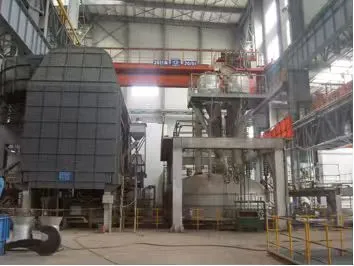
Real-World Performance Optimization Results
A metalworking company with a 3800 cubic meter blast furnace set up full OEM repair services, which included predictive tracking, a store of real extra parts, and quick expert help. During the 18-month review time, they cut the number of unplanned outages by 73% compared to when they used replacement parts and reactive repair methods. The average service life went from 287 to 421 days, and the amount of work needed for upkeep went down by 34%. By making these changes to operations, costs were cut and output stability was improved.
The Procurement Advantage: Why Buy OEM Blast Furnace Tuyere Equipment?
Choosing what strategic blast furnace tuyere tools to buy affects both the short-term prices and the long-term success of the business. When you work with an OEM, you get a lot of benefits that go beyond the initial buy decision. For example, you can lower your risk and keep your finances stable.
Financial Benefits and Risk Mitigation
OEM providers offer reliable lead times based on known production processes and material stock, which helps steel plants plan their repair tasks effectively. Their consistent quality cuts down on the variation that makes managing extra parts harder and causes performance doubt. Comprehensive guarantee coverage protects against early fails due to manufacturing flaws. This shifts the risk from the buyer to the maker in a way that most extra options can't.
When you buy in bulk from OEM makers, you can get savings and be sure that the parts will work with more than one heater or last longer between replacements. A lot of the time, these strategic partnerships include expert advice, help with installation, and help with efficiency improvement that add a lot of value on top of the tools itself.
Assessing Supplier Credibility and Long-term Partnership Potential
When looking at possible providers for blast furnace tuyere equipment, you need to look at their professional skills, industrial facilities, and quality control systems. Site visits show how much money was spent on tools, how well the process is controlled, and how skilled the workers are, all of which affect the quality of the output. Suppliers who run advanced testing labs with hydrostatic pressure testing, coordinate measuring machines for checking measurements, and X-ray radiography for weld inspection show a dedication to quality control, which directly affects the dependability of the equipment they sell.
Another important rating factor is the system for after-sales help. Suppliers who keep technical service teams with a lot of experience running furnaces can help with fixing and make suggestions for improving performance that last as long as the equipment does. How quickly they respond to emergencies can mean the difference between small problems and long-lasting outages that cause big losses in production.
Customization Capabilities Matching Unique Requirements
Each blast furnace has its own specific working conditions that need custom solutions. OEM makers who know a lot about engineering can change standard designs to fit different furnace shapes, blast settings, or fuel pumping systems. When improving older furnaces or putting in place new technologies like hydrogen injection that go beyond what standard design allows, this customization knowledge comes in very handy. Customized blast furnace tuyere equipment that meets performance needs and safety gaps is made possible by their ability to do temperature modeling and stress analysis.
Future Trends and Innovations in Blast Furnace Tuyere Technology
The metalworking industry keeps improving blast furnace tuyere equipment technology by coming up with new materials, going digital, and starting green projects that will help the environment and make the machines work better.
Advanced Materials Enhancing Durability
For high-intensity uses, research into hybrid materials that combine the heat conductivity of copper with the wear resistance of clay is showing promise. Copper is used for bulk heat transfer in these mixed structures, and hard ceramic layers protect the areas that are exposed to chemicals and wear. In harsh coal injection settings, lab tests show that these designs can extend service lives by 50 to 80% compared to standard ones.
The problems with mechanical stress in current high-blast-pressure furnaces can be solved by making better copper alloys with trace elements for blast furnace tuyere equipment that make them stronger at high temperatures without affecting their thermal performance. These improvements in metalworking keep the good heat transfer qualities while making it more resistant to thermal stress cracking, which shortens the life of most copper parts.
Smart Monitoring and Predictive Maintenance Systems
When sensor networks and data analytics tools are combined, maintenance goes from being reactive to being proactive. Throughout the blast furnace tuyere equipment sections, temperature sensors are built in to provide real-time thermal mapping that shows when cooling is losing its effectiveness before it leads to a catastrophic failure. Flow meters on each cooling line can tell when a blockage is starting to form, so repair can be done at the best time. Machine learning systems look at past performance trends to more accurately predict how long a part will last. This lets repair be planned in a way that doesn't interrupt production too much.
These computer systems also find the best working conditions to make tools last as long as possible. Advanced analytics find the best ways to run a furnace so that it lasts longer without losing its ability to produce heat. They do this by connecting blast pressure, coal flow rates, and cooling water conditions with patterns of wear.
Environmental and Energy Efficiency Improvements
More rules about the environment and higher energy costs are pushing designers to make designs that are more efficient. These designs use less extra power and support better ways of making steel. Optimized cooling circuit designs handle heat well with lower water flow rates, which lowers the amount of energy needed for pumps. Better thermal efficiency lets cooling water temperatures drop, which means that water cooling systems need less energy.
To cut down on carbon emissions, the steel industry is switching to making iron with hydrogen. To handle the special burning and temperature profiles of hydrogen-rich blast, blast furnace tuyere equipment changes. To make this change, heat management systems and the materials used need to be completely rethought. This puts OEM makers at the heart of sustainable steel production technology.
Conclusion
OEM blast furnace tuyere equipment has measured benefits in terms of performance, dependability, and total cost of ownership. These benefits make it important to carefully consider the capabilities of suppliers and form smart purchasing partnerships. Because these are such important parts, they need to be made with great care and require a lot of technical knowledge. They also need ongoing support, which only the best OEM makers can provide. Steel companies that want to be stable and efficient in the long term benefit a lot from working with providers who understand both the technical basics and the real problems that come up when making iron today. As the steel industry moves toward more environmentally friendly and cost-effective methods, cutting edge technology will become more and more important for making steel that is competitive.
FAQ
What makes the tuyere fail most of the time in blast furnace operations?
Most problems with blast furnace tuyere tools happen when the cooling system stops working properly because of mineral buildup in the water passageways or direct touch with drops of molten iron. When calcium carbonate and other minerals build up on the sides of cooling channels, they make protective layers that stop heat from being removed efficiently. This problem with heat management lets copper temperatures get close to melting points in some places, which causes the structure to break. Failure rates are greatly lowered by making sure the water quality is right and following regular checking procedures.
Why do high-performance furnaces like made tuyeres better than cast ones?
Forging gets rid of the tiny holes that form when you cast something, and it also makes grain structures that are more polished and have better mechanical properties. This way of making things makes copper thicker, more thermally conductive, and stronger, which are all very important for withstanding the harsh conditions of a blast furnace. The difference in performance is especially noticeable in big furnaces that work at high blast pressures, where heat loads and mechanical forces are higher than what cast components can handle.
How can steel plants make their trucks last longer?
Managing water quality, setting the right working conditions, treating the surface, and doing preventative maintenance are just a few of the things that can help the service life be extended. Using thermal blasting to apply ceramic or wear-resistant coats makes impact resistance a lot higher. Keeping the cooling water clean stops scale from forming, which slows down the passage of heat. Regular checks find problems as they start to appear before they become major fails. When plants use thorough maintenance plans instead of reactive ones, their service lives usually get 40 to 60 percent longer.
Partner with SMEC for Advanced Tuyere Solutions
Steel companies looking for dependable providers of blast furnace tuyere equipment will find that SMEC's wide range of engineering and manufacturing skills make them perfect for tough metallurgical tasks. Our wide range of products includes precision-engineered parts for ironmaking processes as well as our main specialty, which is coking tools. We provide customizable solutions that meet the needs of integrated steel mills and mining businesses by using cutting-edge production facilities, strict quality control methods, and a wealth of technical knowledge gained through years of working together in the industry.
Email our engineering team at project@smec.cc to talk about how our OEM production services can help you reach your goals for optimizing your furnace. We offer in-depth technical advice, performance analysis, and custom equipment plans that are made to solve the problems your business is facing. SMEC has the mechanical knowledge and quick customer service to make sure your output goals are met, whether you need repair parts for systems that are already in place or whole systems for new projects.
References
Biswas, A.K. (2020). Principles of Blast Furnace Ironmaking: Theory and Practice. Brisbane: SCS Publications.
Geerdes, M., Toxopeus, H., & van der Vliet, C. (2009). Modern Blast Furnace Ironmaking: An Introduction. Amsterdam: IOS Press.
Peacey, J.G. & Davenport, W.G. (1979). The Iron Blast Furnace: Theory and Practice. Oxford: Pergamon Press.
Shatokhin, I.M., Lisienko, V.G., & Shumilov, M.A. (2018). "Advanced cooling systems for blast furnace tuyeres." Steel in Translation, 48(6), 367-372.
Wright, J.K. & Helle, M. (2015). "Materials selection and performance analysis for blast furnace injection systems." Ironmaking & Steelmaking, 42(8), 573-581.
Zhou, L., Wang, H., & Chen, F. (2019). "Failure analysis and life prediction of copper tuyeres in large blast furnaces." Journal of Iron and Steel Research International, 26(4), 341-350.
Free consultation & volume discounts available
SEMC focuses on the entire metallurgical process—from coking, ironmaking, and steelmaking to continuous casting and rolling. Whether you face challenges related to equipment upgrades, energy efficiency optimization, or overall process transformation, please fill in the following information. Our technical team will provide you with tailor-made high-end equipment upgrade solutions and professional EPC design services to help your project be implemented efficiently.
Recommended Blog
The Impact of Cooling Water Barrier Integrity on Blast Furnace Longevity
How to Choose a Reliable Blast Furnace Vent Valve Manufacturer?
Common Problems in Three-Ring Cone Scrubbers and How to Fix Them
How Blast Furnace Tower Equipment Supports Large-Scale Production?
Comparing Different Types of Blast Furnace Tuyere Equipment