A Complete Guide to Blast Furnace Riser Pipe Maintenance and Replacement
A Complete Guide to Blast Furnace Riser Pipe Maintenance and Replacement
Understanding Blast Furnace Riser Pipes: Design, Function, and Common Issues
- Understanding Blast Furnace Riser Pipes: Design, Function, and Common Issues
- Best Practices for Blast Furnace Riser Pipe Maintenance
- Replacement Strategies: When and How to Replace Blast Furnace Riser Pipes?
- Optimizing Procurement of Blast Furnace Riser Pipes for Your Business Needs
- Conclusion
- FAQ
- Partner with SMEC for Reliable Blast Furnace Riser Pipe Solutions
- References
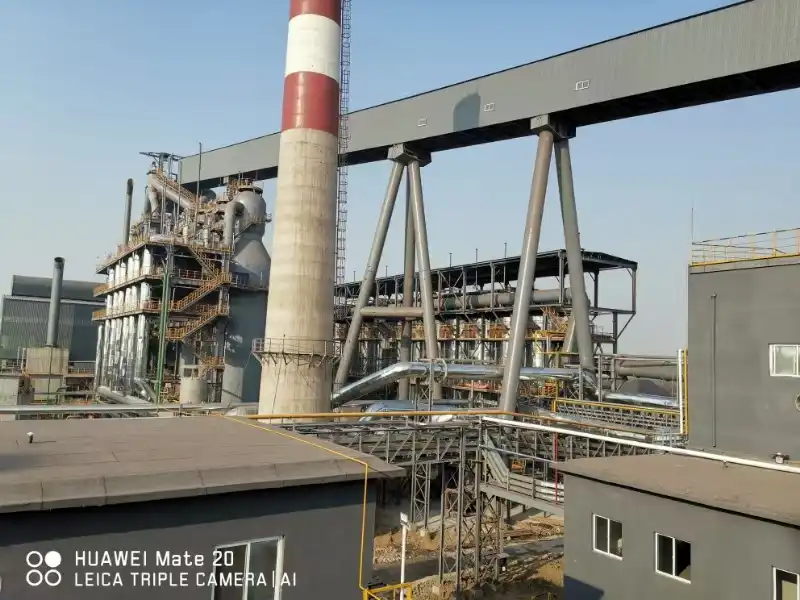
To manage blast furnace riser pipe systems, you need to know a lot about how they work and how to keep them in good shape. These heavy-duty vertical tubes are placed at the top of the furnace and carry raw blast furnace gas from the throat to the downcomer. They can handle gases that are 200°C to 1000°C hot and contain abrasive dust. Without proper upkeep and strategy planning for replacements, steel plants run the risk of unplanned shutdowns, structural failures, and safety risks that make it harder to keep making steel and keep workers safe.
Understanding Blast Furnace Riser Pipes: Design, Function, and Common Issues
Primary Function and Design Parameters
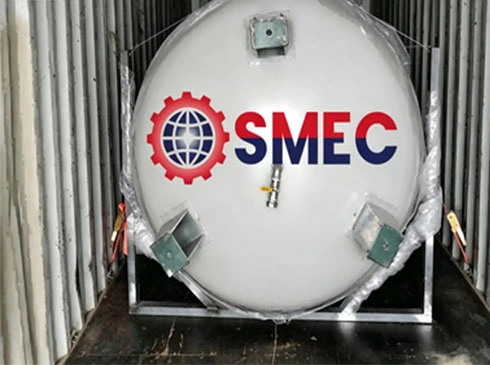
The blast furnace riser pipe is an important link between the furnace throat and the gas cleaning system. It controls the flow of raw blast furnace gas that is made during the ironmaking process. Unlike tap hole pipes, which deal with molten iron release, these vertical tubes are designed to handle gas transport problems in harsh environments. Their design includes important features like the ability to withstand high temperatures, walls that are 20–50 mm thick to prevent erosion, and built-in expansion joints that allow for heat movement without affecting gas-tight seals.
Material Selection and Performance Characteristics
Most of the time, manufacturers use ASTM A106 Grade B carbon steel or special heat-resistant alloy steels that offer high tensile strength and resistance to thermal stress. These materials need to be able to withstand rust caused by sulfur and breakdown from carbon monoxide while keeping their structural stiffness when internal pressures change. The chemical makeup and mechanical features have a direct effect on how long something works. High-quality materials work better in the harsh metallurgical environment that is typical of blast furnace activities.
Common Failure Modes and Operational Challenges
Steel companies often experience three main types of failure that affect the stability of blast furnace riser pipes. When flow patterns aren't even, high-speed areas form that wear through protective coatings and base metal. This is called localized erosion from gas channeling. Stress corrosion cracking happens in areas where leftover strains and corrosive gases come together after the weld. Thermal stress shows up as repeated rounds of stretching and contracting that weaken the structure and cause microcracks to form. Knowing how these things break down lets you plan proactive care and set realistic standards for the furnace's lifespan based on how it is actually used.
Best Practices for Blast Furnace Riser Pipe Maintenance
Comprehensive Inspection Protocols
Setting up strict check schedules is the first step in managing repair well, and for a blast furnace riser pipe, these inspections are critical because undetected erosion or thermal cracking can lead to sudden failure and unplanned outages. During planned furnace repair windows, visual checks should be done, paying special attention to signs of corrosion on the outside, coating wear, and structural deformations. Ultrasonic testing measures thickness without damaging the material. It can track the rate of erosion and find key thinning zones before they fail. Thermal imaging technology finds hot spots that mean the refractory lining is failing or there are problems with the flow inside that need to be fixed right away.
We suggest that facilities that are normally running should have eye checks every three months, and furnaces that are using more oxygen or having a higher output should have reviews every month. Ultrasonic testing should be done once a year to map the thickness of walls across key zones. This will set a standard of data that shows how the walls are breaking down over time. This data-driven method changes maintenance from a reactive emergency reaction to predictive asset management that makes the best use of resources and cuts down on unexpected downtime.
Preventive Maintenance Strategies
Regular repair makes parts last longer and lowers the chance of catastrophic failure. Methods for cleaning surfaces get rid of dust and acidic layers that speed up the oxidation process on the outside. High-temperature silicone-based aluminum paints or thermal spray aluminum coats keep the outside of things from deteriorating due to the weather. Internal refractory linings need to be checked and fixed on a regular basis to keep them thermally insulated and protect the structure steel from coming into direct contact with gas.
Every five years, or sooner if eye checks show that the coating is wearing off, corrosion protection systems should be checked out and updated. When to do refractory upkeep depends on how the furnace is being used, but for properly planned installations, service needs to be done every five to seven years on average. Writing down maintenance tasks makes useful history records that help with planning and budgeting for the future. It also shows that you are following the rules and doing your job well.
Overcoming Maintenance Access Challenges
Maintenance is hard because of limited physical access and the need to keep operations running smoothly. Many setups put blast furnace riser pipes in crowded places where inspection tools and people can't easily get to them. Short maintenance windows during furnace campaigns require processes that are efficient and cover as many areas as possible in as little time as possible. Specialized methods, like rope access systems, flexible inspection cameras, and movable ultrasonic devices, make it possible to do full inspections without having to set up a lot of scaffolds or slow down for a long time.
Planning maintenance tasks to happen during planned furnace maintenance programs makes the best use of resources and has the least effect on production. When you schedule checks of blast furnace riser pipes with other maintenance tasks, you save time and money and lower the risk of total downtime. Systematic recording of results should be possible with documentation systems. This allows for trend analysis that finds problems before they become emergencies that need quick action to fix.
Replacement Strategies: When and How to Replace Blast Furnace Riser Pipes?
Identifying Replacement Indicators
To find the best time to change something, you have to weigh the remaining working life against the risk of failure, and this decision is particularly consequential for a blast furnace riser pipe, where a sudden rupture can cause extensive production loss and safety hazards. Wall width losses of more than 30% of their original size are important signs, especially in areas that are more likely to be worn away. Concerns about the structure's stability should be raised as soon as crack networks can be seen, especially those that spread from join zones. Repeated refractory failures despite proper care suggest that the base metal is breaking down, which makes it less effective at protecting against heat.
As part of risk assessment processes, the practical effects of continuing service should be weighed against the cost of replacing it. For large boilers that lose a lot of production when they break down without warning, lower replacement limits are appropriate. Facilities with backup power or variable schedule choices may be able to stretch service intervals while still having a low risk rating. Keeping detailed records of inspection results, repair history, and operational factors helps make decisions that are both technically sound and good for business.
Material Selection and Supplier Evaluation
As time goes on and technology improves, replacement projects give us the chance to use better materials. Modern heat-resistant metals are better at resisting corrosion and thermal stress than traditional carbon steels. This could add 20 to 40 percent to the service life of the item. Better refractory systems with new gluing technologies make linings last longer and use heat more efficiently. Manufacturers who are qualified to ASME Section VIII standards for pressure vessels and ISO 12944 standards for high-temperature coatings show a dedication to quality that leads to reliable long-term performance.
When evaluating a supplier, you should look at their manufacturing skills, quality control methods, and expert help resources. Established companies that have worked with blast furnace tools know how to meet the unique needs of each application, which is something that general pipe sellers often miss. Certification paperwork, such as mill test papers that confirm chemical makeup and mechanical properties, is an important part of being able to track things and meet quality assurance and regulatory compliance goals.
Installation Procedures and Quality Verification
The efficiency and life of replacement parts are directly affected by how they are installed. As part of the alignment process, the flanges must fit perfectly so that the seals are gas-tight and no mechanical stress is put on them. When welding, you need to follow the right steps and hire trained welders who know how to work with high temperatures. Protocols for post-installation inspections that test all welds with x-rays or ultrasound find any problems inside the system before it goes back into service.
Testing the structure's strength and seal's efficiency with hydrostatic pressure at 1.5 times the design pressure is necessary. The quality of the refractory installation has a big effect on how well thermal protection works, so thermal imaging simulation methods are needed to check the bond strength and find cracks. Keeping detailed records of installation activities, test results, and material certifications makes lasting records that can be used for insurance claims, warranty claims, and planning future upkeep.
Optimizing Procurement of Blast Furnace Riser Pipes for Your Business Needs
Strategic Supplier Selection Criteria
Finding makers that meet your practical needs and business goals is key to a successful procurement process, and for a blast furnace riser pipe, this means evaluating suppliers based on their experience with high-temperature alloys, non-destructive testing capabilities, and delivery records for similar furnace projects. Recognized licenses and written quality control methods that show quality assurance skills make sure that products are always reliable. Customization features let you make solutions that fit the unique needs of a place, such as size restrictions, connection arrangements, and material requirements. Technical support resources, such as technical advice, installation help, and debugging help, add a lot of value on top of just supplying products.
When you compare makers based on their production capacity, wait times, and service responsiveness, you can find one whose skills fit with your project's schedule and your business's limitations. Established companies that make specialized metallurgical tools usually have more technical know-how than general industrial makers that start making things for specialized uses. Reference setups at similar sites can tell you a lot about how well a product works in the real world and how reliable a supplier is when things are running similarly.
Cost Optimization and Procurement Planning
Understanding how prices are set helps you make better budgeting and negotiating decisions. The cost of materials changes depending on the type of metal, the size needs, and the number of items ordered. Total project costs are affected by how complicated the fabrication is, which includes installing refractory linings, special coatings, and custom link setups. Minimum order numbers can make it hard to replace a single unit, but they can save you money on projects that involve more than one unit or supply deals that last more than one year.
Custom manufacturing that is suited to specific operating needs often provides better long-term value, even though it costs more up front than standard stock goods. Better materials that stretch the service life by several years save a lot of money over the course of their lifetime, which covers the higher costs of buying them. Installation support, commissioning help, and ongoing expert consultation are all examples of useful after-sales service that lowers implementation risks and improves operating outcomes.
Managing International Procurement Complexity
Cross-border buying adds more things to think about, like how to ship the goods, deal with customs, and make sure that all the rules are followed. Realistic project scheduling that avoids expensive production delays is possible when you know the wait times for manufacturing, foreign shipping, customs clearance, and local delivery. Documentation needs like material licenses, country-of-origin declarations, and compliance statements mean that buying teams and sellers need to work together very carefully.
Reliable makers who have sold their products in other countries know what paperwork is needed and how to work with freight forwarders and customs brokers to speed up the delivery process. Misunderstandings that hurt the success of a project can be avoided by setting clear communication rules that take into account language barriers, time zone differences, and technical terms. Letters of credit, staged payments tied to manufacturing milestones, and retention holdbacks are all types of payment terms that protect client interests and give sellers the cash flow they need to complete orders efficiently.
Conclusion
Managing blast furnace riser pipes well means combining detailed repair plans, long-term replacement strategies, and the best ways to buy things into a single asset management system. By learning about the basics of design, how things break, and how to check them, you can take strategic steps that make parts last longer and lower the risk of failure. The strategic planning of replacements balances the remaining useful life with the operational risk that comes with them. Material changes include new technologies that make things work better. By carefully choosing suppliers, analyzing costs, and planning procedures, procurement optimization makes sure that there is a steady supply of high-quality parts that meet strict operating needs at low total ownership costs.
FAQ
What distinguishes blast furnace riser pipes from tap hole pipes?
Blast furnace riser pipes are vertical gas lines that are placed on top of the furnace. They carry high-temperature gas from the throat to the downcomer. When melted iron comes out of the hearth through tap hole pipes, they work in very different temperature and mechanical conditions. Because they have different functions, their design factors, material requirements, and upkeep needs are very different.
How frequently should inspection activities occur?
Under normal working conditions, visual checks should be done every three months and ultrasonic thickness mapping programs should be done once a year. Visual checks every month and ultrasonic tests every six months are helpful for facilities with high output, higher oxygen enrichment, or harsh working conditions. When practical problems point to internal refractory failures or flow irregularities that need to be looked into right away, thermal imaging checks should be done.
Which materials balance longevity with operational costs effectively?
As long as it's properly maintained, ASTM A106 Grade B carbon steel will work well in most normal situations and won't break the bank. Heat-resistant alloy steels with chromium and molybdenum offer better protection to corrosion and thermal wear, which could mean 20–40% longer service intervals. When choosing a material, it's important to think about all of its costs over its entire life, such as the cost of purchase, installation, upkeep, and repair.
Partner with SMEC for Reliable Blast Furnace Riser Pipe Solutions
SMEC offers a full range of services for making blast furnace riser pipes and providing technical support. These services are backed by advanced engineering skills and proven knowledge of metallurgical equipment. Our Large-scale Intelligent Coking Equipment Research Institute and Shenzhen Research Branch work with top universities to come up with new ways to meet the complex needs of modern steel production. We have 168 engineering and technical staff, including 30 senior engineers, and we offer custom manufacturing services that include ASME Section VIII compliance, advanced refractory systems, and high-temperature protective coatings that are made to fit your exact operating needs.
As a reliable supplier of blast furnace riser pipes to integrated steel mills, coking plants, and EPC contractors in foreign markets, we know how important it is for parts to work well and for expert support to be quick to respond. You can talk to our technical experts about your needs by emailing project@smec.cc to our International Trade Department. They will then send you full quotes that take into account your specific operating needs and project requirements.
References
Peacey, J.G., and Davenport, W.G. (2020). "The Iron Blast Furnace: Theory and Practice." Pergamon Press Technical Monograph Series on Metallurgical Engineering.
American Society of Mechanical Engineers. (2019). "ASME Boiler and Pressure Vessel Code, Section VIII: Rules for Construction of Pressure Vessels." ASME International Standards Publication.
Geerdes, M., Toxopeus, H., and van der Vliet, C. (2020). "Modern Blast Furnace Ironmaking: An Introduction." Third Edition, IOS Press Metallurgy Publications.
International Organization for Standardization. (2018). "ISO 12944: Paints and Varnishes—Corrosion Protection of Steel Structures by Protective Paint Systems." ISO Technical Committee 35 Standards.
Biswas, A.K. (2021). "Principles of Blast Furnace Ironmaking: Theory and Practice." SBA Publications Technical Reference Series on Ferrous Metallurgy.
The Iron and Steel Institute of Japan. (2019). "Maintenance and Reliability Engineering for Blast Furnace Equipment: Best Practices and Case Studies." ISIJ International Technical Report Series.
Free consultation & volume discounts available
SEMC focuses on the entire metallurgical process—from coking, ironmaking, and steelmaking to continuous casting and rolling. Whether you face challenges related to equipment upgrades, energy efficiency optimization, or overall process transformation, please fill in the following information. Our technical team will provide you with tailor-made high-end equipment upgrade solutions and professional EPC design services to help your project be implemented efficiently.
Recommended Blog
Key Benefits of Choosing a Turnkey Blast Furnace Contractor
How Slag Granulation Equipment Reduces Environmental Impact
How to Extend the Service Life of Blast Furnace Tuyere Equipment
Features to Look for in Modern Drill Rod Replacement Devices
Best Materials for Blast Furnace Tuyere Equipment Explained
Comparing Different Types of Blast Furnace Tuyere Equipment