Common Causes of Blast Furnace Vent Valve Failure
Understanding Blast Furnace Vent Valve Failures
- Understanding Blast Furnace Vent Valve Failures
- Root Causes of Blast Furnace Vent Valve Failure
- Preventative Measures and Best Practices for Maintenance
- How to Select and Procure Reliable Blast Furnace Vent Valves?
- Conclusion
- FAQ
- Partner with SMEC for Superior Blast Furnace Vent Valve Solutions
- References
Poor blast furnace vent valves offer serious operational and safety problems in steel mills. These important components regulate pressure and discharge process gasses during ironmaking, and blast furnace vent valve failure can cause production disruptions and dangerous situations. Plant operators and procurement teams can implement targeted prevention strategies by understanding the main failure mechanisms—thermal fatigue, erosive wear from abrasive dust particles, material degradation under extreme temperatures, improper maintenance protocols, and installation errors. Addressing these weaknesses ensures furnace functioning and worker safety.
Understanding Blast Furnace Vent Valve Failures
Defining the Role of Vent Valves in Ironmaking Operations
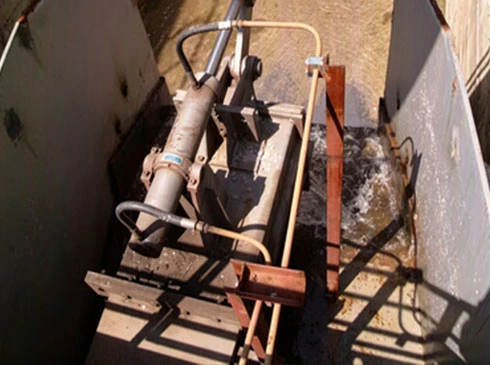
Modern steel manufacturing relies on the blast furnace vent valve for safety and pressure management as part of the furnace top system. These blast furnace vent valves control gas release while the furnace charges regularly, and emergency discharge routes are provided when pressure spikes threaten structural stability. Sometimes these blast furnace vent valves function at temperatures reaching above 1000°C, handling gas streams containing carbon monoxide, carbon dioxide, and abrasive coke breeze particles.
Recognizing Early Warning Signs of Valve Deterioration
Blast furnace vent valve failure early detection can prevent tragedies and costly shutdowns. Strange valve sounds generally indicate mechanical issues in the actuator assembly or closing surfaces. Gas leaking around the blast furnace vent valve cover or stem packing indicates a bad seal that needs immediate repair. The blast furnace vent valve may not be properly opening or closing due to irregular pressure readings on the furnace top, especially during material charging. Plant managers who watch for these signals can schedule repairs before little issues become major issues.
Impact on Production Efficiency and Safety Standards
When blast furnace vent valves fail, the damage goes beyond the repair expense. Uncontrolled gas leaks might expose workers to elevated carbon monoxide levels at work. Emergency shutdowns affect future output objectives and customer service. New components cost money, manufacturing income is lost, maintenance staff are called in last minute, and environmental emissions breaches might result in fines.
Root Causes of Blast Furnace Vent Valve Failure
Thermal Cycling and High-Temperature Degradation
Blast furnace vent valves experience thermal stress that other industrial parts do not. Due to repeated heating and cooling, body materials and internal parts expand and contract at various rates during on-blast and off-blast changes. This cycling weakens the metal structure of the blast furnace vent valve and generates microscopic cracks that propagate. These conditions make carbon steel construction ineffective, hence heat-resistant alloy steels like Chromium-Molybdenum are essential to maintain strength at high temperatures.
The seating surfaces experience the highest thermal stress, heating fast when hot furnace gasses hit the seat while closing. Without the correct material—usually hard-facing with Stellite or Tungsten Carbide overlays—the seating surfaces would move, making it impossible to create a tight seal for pressure control. Facilities that use sophisticated metal blast furnace vent valves report extended service life, with some configurations lasting over three years without substantial maintenance.
Erosive Wear from Abrasive Particulate Matter
Blast furnace vent valve gas streams contain a lot of coke particles, iron ore fines, and combustion residues. These particles travel swiftly, especially during fast-releasing processes, causing sandblasting-like wear. These rough bits remove material faster when they strike the blast furnace vent valve trim pieces, including the seat, disc, and stem, thousands of times every workday.
Standard blast furnace vent valves without weatherproofing fail after six to twelve months. Erosion usually begins at the sitting contact where flow velocities are maximum. The covering surfaces grow uneven as they wear, and gas leaks even when the blast furnace vent valve is closed due to this issue. Erosion damage worsens over time, increasing leakage rates exponentially.
Chemical Corrosion and Reactive Gas Exposure
Blast furnace gases physically wear away metal and chemically damage blast furnace vent valve materials. The gas contains sulfur compounds, raw material chlorides, and water that condenses at gas temperatures. This combination allows sulfidation, chloride stress corrosion fractures, and metal surface rusting.
Valve stems and actuator parts corrode most. The stem passes through packing glands that separate the heated, chemical-filled process environment from the motor-working outside air. Corrosion products on the stem surface increase friction and may cause the blast furnace vent valve to halt in the packing. This prevents the component from responding to control signals, preventing the heater from relieving pressure as needed.
Mechanical Wear from High-Frequency Operation
Blast furnace vent valves are stressed more than other industrial valves. Material charging occurs every few hours, therefore the blast furnace vent valve must open and close continuously. This high-frequency cycle requires millions of working strokes during the service life, stressing worn mechanical elements.
This continual usage stresses the actuator system, whether pneumatic, hydraulic, or electrical. Pneumatic seal leaks reduce movement force, and hydraulic fluid loss or cylinder degradation might occur. Twisting stresses and wears the actuator-valve stem connection at pivot locations. Despite receiving less attention than valve body maintenance, actuator faults cause many blast furnace vent valve issues.
Installation Deficiencies and Alignment Issues
Bad fitting procedures often cause early blast furnace vent valve failures, which are not discovered until large issues arise. Unaligned pipes impose bending loads on the valve body, changing its internal geometries and preventing the closing pieces from fitting. Distortion from improper flanged connections might bind the valve disc or ball, increasing actuator loads and wear.
Mounting orientation also affects long-term reliability. Horizontally situated blast furnace vent valves let dust build up in the bonnet, blocking the stem and surrounding internal parts. Putting the actuator above the process link vertically helps gravity keep dust away from critical places. Facilities that switched to vertical arrangements report greater repair intervals and efficiency.
Inadequate Maintenance and Inspection Protocols
Without regular maintenance, even well-designed blast furnace vent valve will fail early. Many facilities practice reactive maintenance, fixing issues only after they fail. These difficulties can interrupt output and be dangerous, making this approach costly.
Sealing surfaces, actuator performance, and worn-out parts must be evaluated and replaced before they break for maintenance programs to operate. Lubricating stem threads and actuator bearings reduces wear and actuator force. Regular blast furnace vent valve stroke time and seat leakage rate testing provides precise health data for repair planning. Emergency repairs are 40–60% less likely and valves survive longer in plants with complete care plans.
Preventative Measures and Best Practices for Maintenance
Implementing Systematic Inspection Routines
Effective blast furnace vent valve maintenance begins with regular checks. Visually inspect the exteriors monthly for gas leaks, corrosion, and mechanical damage. Technicians should verify the actuator position signals and listen for unusual valve cycling noises. Every three months, stroke times should be measured to detect actuator performance issues before failure.
Big reviews allow technicians to examine operations every year. Taking off the bonnet lets you inspect the seating surface, assess erosion, and evaluate wear-induced changes. Ultrasonic thickness measuring and magnetic particle inspection can detect fissures and material loss that the naked eye cannot. These rigorous tests produce documented standard data for trend analysis and maintenance decisions regarding the blast furnace vent valve.
Lubrication and Preservation Strategies
Proper lubrication extends blast furnace vent valve part life and reduces actuator power. Valve stems need high-temperature lubricants to maintain their quality at the process link. Standard industrial greases break down fast at 200°C, leaving stems vulnerable to galling and seizing.
Lubrication times should be based on cycle frequency, not calendar time. High-activity blast furnace vent valves that cycle multiple times every shift need weekly oiling, whereas less-used valves can be oiled monthly. Automated lubrication systems automatically apply the appropriate quantity of grease and simplify maintenance, but they need regular tests to perform properly.
Upgrading to Advanced Materials and Designs
Using blast furnace-specific replacement parts improves blast furnace vent valve reliability. Modern designs include parts for the particular ways they fail in this condition. Hard-faced seating surfaces endure three to five times longer than regular trim materials because they wear down less.
Water-cooled blast furnace vent valve designs reduce internal heat stress, representing another major improvement. Cooling water runs via jackets surrounding these valves to maintain their interior temperatures below the process gas. Water-cooled systems require more infrastructure for providing and draining cooling water, but establishments find the extra expense worth it because they are more dependable.
Training and Certification of Maintenance Personnel
The knowledge and abilities of the workers impact how effectively a repair program works for blast furnace vent valve. Blast furnace vent valves require more than simple valve maintenance. Complete training should address the particular operating circumstances, distinctive failure modes, and proper procedures for check, maintenance, and repair.
Manufacturers provide certification programs with defined learning routes to ensure maintenance team competence. These programs usually combine classroom information about design and failure with hands-on training in disassembling, checking, and reassembling the blast furnace vent valve. Facilities that invest in training have higher first-time repair rates and fewer maintenance errors.
Case Study: Maintenance Program Transformation Results
A large integrated steel plant in the northeastern United States had eight blast furnace vent valve emergency failures per year. Emergency repairs took four to six hours for each failure, causing productivity losses and safety concerns. A complete valve care maintenance transformation program was established at the site.
Conversion from reactive to predictive maintenance, installation of automated lubrication systems, and training were part of the program. Execution reduced emergency blast furnace vent valve failures to two per year in 18 months. Maintenance expenses dropped 35% despite increased preventative investment due to the elimination of emergency overtime. Most significantly, valve failure safety incidents disappeared, removing a furnace operator hazard.
How to Select and Procure Reliable Blast Furnace Vent Valves?
Critical Specification Parameters
Blast furnace-specific specifications are essential for procurement. Normal operating circumstances and upset or emergency venting temperature excursions must be included in ratings. Frequent temperature spikes will prematurely fail a blast furnace vent valve rated only for typical operating temperatures.
Similar dynamic operating circumstances apply to pressure ratings for blast furnace vent valve. Pressure spikes during material charge can approach peak pressures of 0.2 to 0.45 MPa. Valve pressure ratings with safety margins provide dependable operation in all operating conditions. Material specifications should specify heat-resistant alloys for body construction and hard-facing requirements. Chromium and molybdenum content for alloy steels and Stellite or Tungsten Carbide for surfaces should be specified in procurement papers for the blast furnace vent valve.
Comparing Valve Technologies and Configurations
Different valve designs compete for blast furnace vent service, each with pros and cons. Gate valves have good flow characteristics when completely open and little pressure drop, but their rising stem design demands vertical clearance. Ball valves seal well and are compact, but their greater cost limits their use to smaller line widths.
Butterfly valves are an affordable alternative to gate or ball valves for bigger diameter applications due to space or financial restrictions. Modern high-performance butterfly designs may seal vents, but they require more maintenance than ball or gate layouts. Site-specific criteria including installation space, price, and maintenance capabilities determine the optimal blast furnace vent valve selection.
Evaluating Manufacturers and Supply Partners
Manufacturing partner selection is crucial. Reliable blast furnace vent valve manufacturers provide application expertise that guides product design and material choices. These manufacturers usually have testing facilities that simulate operational conditions to validate valve function before installation.
Quality certificates prove manufacturing and process control. ISO 9001 certification shows fundamental quality management, whereas API Q1 accreditation shows further commitment in pressure equipment production. Procurement specialists should check certifications and obtain documentation to guarantee they cover the blast furnace vent valve being acquired. After-sales service should be considered, as facilities cannot accept long lead times for components or delayed troubleshooting help.
Warranty Terms and Performance Guarantees
Valve warranties usually cover manufacturing faults found within one year of installation. These limited guarantees offer little protection against demanding blast furnace failure. Progressive manufacturers provide extended warranties for severe service applications that cover manufacturing errors and design flaws related to premature wear.
Performance guarantee programs are enhanced supplier risk-sharing that balances manufacturer and consumer objectives. The manufacturer promises minimum service life or maximum maintenance expenses over a given operational time. When performance falls short, the manufacturer offers free parts or financial compensation. These initiatives strongly encourage manufacturers to create a genuinely dependable blast furnace vent valve.
Conclusion
Steel manufacturing operations' production continuity, safety, and maintenance costs depend on blast furnace vent valve dependability. Extreme temperatures, abrasive particulate matter, and corrosive gas streams provide failure modes rarely seen in industrial applications. Understanding valve degradation factors including thermal fatigue, erosive wear, chemical assault, and mechanical stress helps specify valve designs and materials. Systematic maintenance includes inspection, lubrication, and performance monitoring to enhance service life and reduce emergency repairs. Rapid diagnosis and coordinated reaction reduce production impact due to failures. These concepts help metallurgical plants regulate pressure, improve safety, and boost efficiency.
FAQ
How often should blast furnace vent valves be serviced?
Operating intensity and environmental severity determine maintenance frequency. Monthly visual inspections and actuator performance checks, quarterly comprehensive exterior inspections, and annual major internal inspections with component measurement and non-destructive testing are standard. Weekly lubrication and monthly performance testing are recommended for high-cycling applications above 10 operations per day. A predictive maintenance approach employing condition monitoring data optimizes inspection intervals based on valve deterioration rates rather than calendar timetables.
Which blast furnace vent valve materials are most reliable?
Chromium-molybdenum heat-resistant alloy steels have the highest thermal fatigue resistance and strength retention at high temperatures. At temperatures above 450°C, carbon steels lose strength, whereas Cr-Mo steel grades remain strong. Hard-facing using Stellite or Tungsten Carbide protects sealing surfaces from abrasive particles and maintains dimensional stability over heat cycles. Valve stems benefit from corrosion-resistant coatings or precipitation-hardened stainless steels for strength and environmental resistance.
Upgrade vent valves without replacing them?
Many established valves may be improved by replacing internal trim components while keeping the valve body and connections. Upgrade from ordinary trim to erosion-resistant hard-faced components to increase dependability at a fraction of valve replacement cost. Manual to automated or pneumatic to hydraulic actuator improvements improve control and dependability. Valves with body cooling jackets can operate at greater process temperatures. Professionals evaluate installed valves to determine upgrading paths.
What vent valve failure emergency measures should be established?
Emergency protocols should cover safety and operational response. Gas releases need prompt evacuation, atmospheric monitoring to identify dangerous gas concentrations, and communication systems to inform all impacted individuals. Operational processes should determine whether to continue furnace operation with reduced valve performance or start controlled shutdown sequences. Maintenance response methods should provide internal technical resource and external supplier emergency contacts, spare parts staging sites, and specialist tool availability. Normal exercises help staff understand their tasks in emergencies.
Partner with SMEC for Superior Blast Furnace Vent Valve Solutions
SMEC designs blast furnace vent valve systems for harsh circumstances. Our valves include heat-resistant alloy construction, hard-faced sealing surfaces that meet Class V or VI shutdown criteria, and erosion-resistant trim that increases service intervals by 200-300%. Through our Large-scale Intelligent Coking Equipment Research Institute, we provide technical support from specification formulation to installation commissioning and maintenance optimization for blast furnace vent valves. Contact our technical staff at project@smec.cc to discuss your application needs and learn how our sophisticated valve solutions decrease maintenance and improve safety and dependability.
References
Chen, W. and Zhang, L. (2021). "Failure Analysis and Prevention Strategies for High-Temperature Valves in Ironmaking Processes," Journal of Materials Engineering and Performance, Vol. 30, No. 4, pp. 2847-2861.
International Iron and Steel Institute Technical Committee (2020). "Best Practices for Blast Furnace Auxiliary Equipment Maintenance," IISI Technical Report Series, Report No. 2020-07.
Morrison, R.T. and Keller, J.B. (2019). "Materials Selection for Severe Service Valve Applications in Metallurgical Industries," Industrial Valve Technology Handbook, 8th Edition, Chapter 12, pp. 445-482.
Tanaka, H., Yamamoto, S., and Watanabe, K. (2022). "Erosion-Corrosion Mechanisms in Blast Furnace Gas Handling Systems: A 10-Year Field Study," Corrosion Science and Technology, Vol. 21, No. 3, pp. 167-179.
American Society of Mechanical Engineers (2023). "Valve Design and Testing Standards for High-Temperature Applications," ASME B16.34-2023, Section 6: Special Service Conditions.
Schmidt, P. and Hoffman, D. (2018). "Predictive Maintenance Strategies for Critical Safety Valves in Steel Production Facilities," Maintenance Engineering International, Vol. 12, No. 2, pp. 88-103.
Free consultation & volume discounts available
SEMC focuses on the entire metallurgical process—from coking, ironmaking, and steelmaking to continuous casting and rolling. Whether you face challenges related to equipment upgrades, energy efficiency optimization, or overall process transformation, please fill in the following information. Our technical team will provide you with tailor-made high-end equipment upgrade solutions and professional EPC design services to help your project be implemented efficiently.
Recommended Blog
How Real-Time Tuyere Imaging Service Can Extend Your Blast Furnace Life
Comparing Manual Inspection vs. Automated Tuyere Imaging Services
What Makes High-Performance Blast Furnace Valves Different?
Key Benefits of Choosing a Turnkey Blast Furnace Contractor
Installation Process for Blast Furnace Cast Iron Cooling Walls
Why Is Blast Furnace Gas Purification Important for Steel Plants?