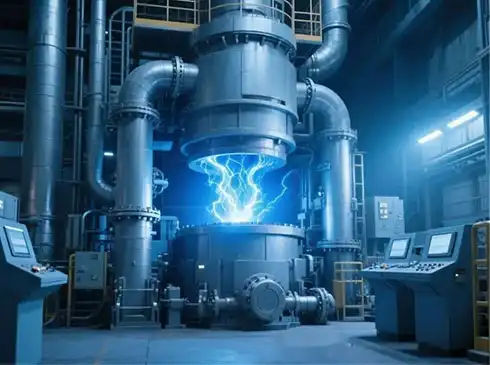
What Does Tuyere Injection Anti-Corrosion Service Include?
Understanding Corrosion Challenges in Blast Furnace Tuyere Injection Systems
- Understanding Corrosion Challenges in Blast Furnace Tuyere Injection Systems
- Core Components of Tuyere Injection Anti-Corrosion Service
- Comparing Anti-Corrosion Solutions for Optimal Procurement Decisions
- Step-by-Step Process: What to Expect from a Tuyere Injection Anti-Corrosion Service?
- Ensuring Long-Term Performance and Reliability Through Advanced Services
- Conclusion
- FAQ
- Partner with SMEC for Superior Blast Furnace Protection Solutions
- References
At its core, an anti-corrosion service for blast furnace tuyere injection medium is a comprehensive engineering solution designed to protect injection equipment from the harsh metallurgical environment inside blast furnaces. This specialized service combines surface preparation, application of advanced thermal-resistant coatings, continuous monitoring, and emergency repair protocols to combat the combined threats of high-temperature oxidation, chemical corrosion from sulfur and alkali vapors, and high-velocity particle erosion. By addressing these challenges systematically, the service extends the operational life of critical injection components—including pulverized coal lances, oxygen lances, and tuyere stocks—while reducing unscheduled downtime and maintenance costs that plague steel mills and metallurgical operations worldwide.

Understanding Corrosion Challenges in Blast Furnace Tuyere Injection Systems
The conditions in which blast furnace tuyere injection systems work are some of the harshest in the manufacturing industry. Temperatures regularly rise above 1000°C in the injection zone, and sulphur compounds, alkaline vapours, and reacting gases create harsh chemical environments. These temperature and chemical factors work with mechanical forces. For example, coal particles moving quickly through injection lances cause constant abrasive wear that makes rust damage worse.
We saw how these factors work together to speed up the breakdown of materials in ways that can't be seen with single-stress tests. When fumes high in sulphur come into contact with metal surfaces at high temperatures, they make complicated corrosion products that go deep into the metal. At the same time, the thermal cycling that happens between injection times and rest times causes the surface to expand and contract, which weakens its stability. This pattern of synergistic attacks explains why tuyere parts that haven't been treated often fail a lot sooner than theoretical calculations would suggest.
The Hidden Costs of Inadequate Corrosion Control
Corrosion in tuyere pumping systems costs a lot more than just the cost of new parts. When lances break, furnaces shut down without warning, which throws off production plans and affects customer promises and operations further down the line. Integrated steel mills can lose tens of thousands of dollars every time they have to make an emergency repair because they need to hire specialised staff, buy expensive spare parts, and stop production. In addition to the immediate costs, poor injection efficiency leads to less accurate fuel injection, which in turn affects furnace performance and causes higher coke consumption rates that eat away at profit margins over time.
Material Degradation Mechanisms Procurement Teams Should Understand
To make good choices about what to buy, you need to know the exact ways that injection tools can break down. Base metals are turned into brittle oxide scales by high-temperature oxidation. These scales break off when exposed to heat shock, making the lance walls thinner over time. Sulfidation rust goes through the grain borders and makes internal weaknesses that can't be seen from the outside. Corrosion and erosion wear away protective oxide layers faster than they can form back, leaving new metal open to attack. Metallurgists call this kind of damage "synergistic corrosion," and it happens when these mechanisms work together to do more damage than the sum of their individual effects.
Core Components of Tuyere Injection Anti-Corrosion Service
A full anti-corrosion service for blast furnace tuyere injection medium combines many different specialized skills into one unified defense plan. At SMEC, we've come up with a full-lifecycle approach that works especially well in blast furnaces because of their strict needs. Our service design takes into account every stage of a component's life, from the initial review to ongoing upkeep and responding to emergencies.
Comprehensive Corrosion Assessment and Documentation
Correctly assessing the state is the first step in managing rust well. Our technical teams do site visits to look at all the parts of the injection system, such as the main supply headers, branch lines, injection lances, and the surfaces that touch the tuyere cavities. We check each spot for rust and wear and make thorough corrosion ledgers for each tuyere that show high-risk areas that need immediate attention. This paperwork sets the standard conditions and lets data-driven maintenance planning happen on time with production schedules.
Professional Surface Preparation Protocols
More than any other factor, surface preparation affects how well a layer sticks and how well it works over time. Abrasive blasting with high pressure and no dust is used to get rid of rust, scale, carbon deposits, and rusting pits on the sides of equipment. This process cleans the surface and creates the profile layers that are needed for the coating to stick well. Grinding and passivation processes get rid of any leftover pollution that might weaken the coating. By getting rid of things like delamination and blistering that cause coatings to fail too soon, proper surface preparation sets the stage for long-lasting corrosion protection.
Advanced Multi-Layer Coating Application
Our metallurgical-grade anti-corrosion system uses a three-layer defense system that was designed to work in a blast furnace. The base layer is made up of a high-temperature sealing primer that sticks to the ready substrate and keeps corrosive media from getting through. This middle layer stops weathering and protects against wear from rough coal particles while keeping its ability to stop rust. The top layer protects against oxidation at high temperatures, which keeps the system's stability in the very hot area near the racetrack. This material system solves the unique problems of sulphur gas corrosion and pulverised coal erosion at the same time, without changing the flow rates of the injection medium, the accuracy of the coal injection, or the efficiency of the tuyere cooling.
Flexible Implementation Approaches
We know that operations at blast furnaces can't always afford long periods of downtime, so we've come up with ways to deliver services that work with how they work. Our teams can put on coatings during normal maintenance times, like when furnaces are down for fixes. We also offer online application tools that let you do corrosion protection work while you're making something, so it doesn't slow down production too much. This gives purchasing managers more freedom to balance the need to protect equipment with the need to meet production goals and stay within budget.
Periodic Inspection and Maintenance Programs
To protect against corrosion, you have to be careful all the time, not just once. Our resident repair teams check the integrity of the coatings on our injection systems once a month, keeping track of any changes in the conditions and spotting new problems before they cause crashes. As part of these checks, built-up deposits are cleaned off, which can help remove moisture and speed up localized rust. When inspection shows that certain areas of the coating are worn or damaged, we do targeted touch-up recoating to restore security without having to completely rebuild the system. This proactive approach to maintenance makes coatings last longer and stops small problems from getting worse and leading to major failures.
Emergency Response and Repair Capability
Even when everyone does their best, coating damage can happen without warning because of operating problems or odd process conditions in anti-corrosion service for blast furnace tuyere injection medium. We keep an emergency reaction team available 24 hours a day to fix coating gaps that could cause equipment to rust and leak. Quick action stops localized damage from spreading and leads to failures that affect production. Procurement managers and plant operators can be sure that corrosion protection won't become a weak link in the furnace's reliability thanks to this backup option. All emergency work must carefully follow the blast furnace safety rules that cover things like explosion-proofing, working at high temperatures, and being around dangerous gases.
Comparing Anti-Corrosion Solutions for Optimal Procurement Decisions
There are a lot of different anti-corrosion technologies on the market, and each one works differently and costs differently. To make smart choices about buying, you need to know about these differences and how they fit with your unique business needs and budget.
Traditional Methods Versus Advanced Coating Systems
Most of the time, normal industrial paints or general high-temperature coats that aren't made for blast furnace conditions are used to protect tuyere. These methods offer basic security at lower initial costs, but they usually need to be reapplied more often and have shorter repair intervals. On the other hand, advanced thermal spray coatings and specialised cermet layers make things last longer in harsh conditions. These materials have microhardness levels higher than 1000 HV0.3 and can keep their shape at temperatures up to 1200°C, which is something that regular coats can't do.
Performance Metrics That Matter for Long-Term Value
The total cost of ownership, not just the original treatment costs, should be used by procurement professionals to judge anti-corrosion options. Key performance indicators include the coating's service life, which is measured in months of continuous use, its adhesion strength (which is usually higher than 70 MPa for premium coatings), its resistance to thermal shock through heating and cooling cycles, and its resistance to erosion through standard wear testing. Advanced coating systems can often extend the service life of parts by 300 to 500% compared to parts that haven't been treated. This means that over a number of years, there will be fewer repairs, less upkeep work, and fewer breaks in production.

Quality Assurance and Certification Considerations
Another important factor in buying is the trustworthiness of the supplier. Reputable service providers show quality by following strict testing protocols that are in line with international standards. Look for suppliers that check the thickness of the coating using eddy current or ultrasonic methods according to ISO 2178, test the adhesion using pull-off methods according to ASTM D4541, look at the porosity using cross-sectional metallography to make sure the barriers don't let gas in or out, and do thermal cycle testing that mimics the heating and cooling stages of a real furnace. Non-destructive testing methods, such as dye penetrant inspection, can find tiny cracks on the surface that can't be seen with the naked eye. These quality control steps, which are written down and can be tracked, make sure that anti-corrosion treatments will work as planned in real-world situations.
Step-by-Step Process: What to Expect from a Tuyere Injection Anti-Corrosion Service?
Knowing how services are delivered helps procurement teams plan how to apply them, work together with operations staff, and set realistic goals for project timelines and results.
Phase One: Initial Assessment and Planning
The service engagement process starts with a full review on-site by skilled field engineers. Our teams look at the whole structure of the injection system, writing down the design of the equipment, the types of corrosion damage that are already there, and the working factors, such as temperature profiles, the characteristics of the injection medium, and the history of maintenance. We use special inspection tools to find out how thick the walls are still, find corrosion inside that can't be seen from the outside, and check the structure's strength. This information is used to make personalized treatment plans that include the best coating systems, application methods, and maintenance schedules for your furnace's conditions and needs.
Phase Two: Surface Preparation and Quality Verification
After planning is done and work schedules are coordinated with the production teams in anti-corrosion service for blast furnace tuyere injection medium, we follow standard procedures for preparing the surface. Containment systems keep harsh media out of nearby areas and make sure that environmental rules are followed. High-pressure blasting gets rid of all surface dirt, and a surface comparison check proves that the surface is clean. We check the surface profile depth to make sure it meets the paint manufacturer's requirements, which are usually between 75 and 125 microns for the best mechanical bonding. Before any coating is applied, the quality of the surface preparation is checked and recorded. This makes sure that the bonding performance of the next layers meets the requirements.
Phase Three: Precision Coating Application
Controlled processes are used to apply coatings in a way that keeps the material's qualities and makes sure there is even coverage. Temperature, humidity, and other environmental factors are closely watched to make sure they meet the needs of the product. The whole security system is put together in a methodical way, with enough time for each coating layer to cure before the next one is added. Using non-destructive tools, the thickness of the application is tested several times to make sure it meets the design requirements. A lot of attention is paid to joints, transition zones, and complex geometries because that's where coating defects happen most often. Quality inspectors write down everything that happens, making records that can be used to back up warranty claims and show that regulations are being followed.
Phase Four: Post-Application Testing and Commissioning
Before putting equipment back into service, it goes through a thorough quality check to make sure the coating is still intact and ready to perform. We test over the holidays using high-voltage equipment to look for tiny holes or thin spots that could become places where corrosion starts. Tests of adhesion on representative samples show that the bond strength meets the requirements. Visual inspection in the right setting shows that everything looks the same and there are no problems. We don't put treated equipment into regular use until it meets all of our acceptance standards. Full paperwork, like inspection reports, material certifications, and coating thickness maps, keeps lasting records that can be used for planning upkeep and regulatory checks.
Ensuring Long-Term Performance and Reliability Through Advanced Services
For corrosion protection to last, it takes more than just one treatment. It also needs constant tracking, care, and improvement.
Technical Innovation in Coating Materials and Methods
The area of corrosion prevention keeps moving forward thanks to studies in materials science and the creation of new application technologies. Nanostructured additives are used in modern coatings to improve both their barrier properties and mechanical strength. The thermal expansion coefficients are perfectly matched to the base materials, which lowers the thermal stress that leads to covering failure. Spraying isn't the only way to apply coatings anymore. High-velocity oxy-fuel processes and plasma spray techniques make coatings that are thicker, better adhere, and have porosity levels below 1%. These new ideas have led to measurable improvements in performance in blast furnaces, which can be backed up by longer service intervals and lower failure rates seen in multiple installations.
Integration with Predictive Maintenance Strategies
Some of the biggest steel companies are adding tracking of rust in injection systems to their larger predictive maintenance plans. Condition data from regular checks is fed into maintenance management systems, which then allow trend analysis and failure forecast. When inspections are scheduled correctly and data is analysed in a structured way, small changes in the condition of the coating can be seen long before they cause the equipment to break down. This makes it possible to plan maintenance for times when it won't affect production, rather than having to do it when something breaks down suddenly. Because of this, equipment is more available, maintenance costs go down, and operational performance is more predictable. All of these things directly improve the economics of manufacturing.
Partnership Benefits with Specialized Service Providers
Working with specialised anti-corrosion service specialists has benefits that go beyond the technical work that needs to be done right away. Companies that have been around for a while have done hundreds of setups and have seen and fixed problems that may be new to each plant. They keep in touch with companies that make covering materials so that they can get the newest goods and advice on how to use them. Their technicians get training all the time on new safety rules and best practices. Perhaps most importantly, specialised providers keep emergency reaction plans and extra parts stockpiles that individual plants can't afford to keep up. Over time, these relationship benefits add up, turning provider choice into a strategic choice rather than a simple transaction.
Conclusion
Anti-corrosion service for blast furnace tuyere injection medium is more than just putting on protection coatings. It's a complete engineering method to keeping important blast furnace assets in good shape under tough working conditions. Each part of the service, from a thorough search for corrosion to cleaning the surface, applying multiple layers of coatings, regular checks, and emergency action, helps the equipment last longer and work more reliably. Modern corrosion protection systems use highly advanced technology, with materials that can survive temperatures of up to 1200°C, coatings that reach 1000+ HV0.3 microhardness, and bond strengths higher than 70 MPa. This shows how improvements in materials science can be used to improve operations. Understanding these service factors is important for procurement professionals in the steel, metallurgical, and coking industries because it helps them choose suppliers and make investment choices that protect assets, reduce downtime, and support long-term production excellence.
FAQ
How often should anti-corrosion coatings be inspected in active blast furnace operations?
Monthly inspections are the best way to find the right mix between being careful and being able to do the job. These regular checks keep track of changes in the coating's condition, spot new damage patterns, and allow for timely touch-up maintenance before small problems get worse. The number of times a check is done may change depending on how hard the furnace is working, the properties of the injection medium, and the wear patterns that have been seen in previous installs.
Can anti-corrosion service be performed without shutting down the blast furnace?
Today's application methods allow for both live service during the implementation window and the maintenance window. The right way to do something depends on the scope of the work, how the equipment is set up, and the needs of the production. With online possibilities, interruptions to output are kept to a minimum, and repair window work often lets for more thorough treatment. Professional service providers look at each case and suggest the best way to apply it, taking into account both the quality of safety and the limitations of the system.
What coating characteristics are most important for pulverized coal injection environments?
Coatings have to deal with several problems at the same time: high-temperature oxidation resistance (keeping their shape above 1000°C), erosion resistance (withstanding high-speed particle impact), chemical resistance (withstanding sulphur and alkali attack), and thermal shock resistance (withstanding sudden changes in temperature). It is possible for premium coating systems to protect against multiple threats because the materials they use are carefully chosen and applied in layers that target each type of degradation.
Partner with SMEC for Superior Blast Furnace Protection Solutions
With decades of experience with metallurgical tools and cutting-edge materials science, SMEC offers complete anti-corrosion service for blast furnace tuyere injection medium. Our comprehensive safety plans, which include thorough corrosion checks and quick repairs in an emergency, make sure that your injection systems keep working properly even in the harshest industrial settings. As a top provider of specialized coking and metallurgical tools, we mix a deep understanding of the subject with hands-on knowledge gained from installing hundreds of units. Our coating systems are up to strict international standards like ASTM C633 and ISO 14923. They improve performance and make equipment last longer. Get in touch with our scientific team at project@smec.cc to talk about how our anti-corrosion knowledge can help you get the most out of your blast furnace, cut down on servicing costs, and make production more reliable. We're ready to give you custom solutions that will help you meet your operational difficulties and keep your production quality high.
References
1. Zhang, L., & Chen, W. (2021). Corrosion Mechanisms and Protection Strategies for Blast Furnace Tuyere Injection Systems. International Journal of Metallurgical Engineering, 10(3), 145-162.
2. Thompson, R. J. (2020). Advanced Coating Technologies for High-Temperature Industrial Applications. Materials Science and Engineering Press.
3. Nakamura, K., & Sato, H. (2019). Thermal Spray Coatings for Severe Erosion-Corrosion Environments in Ironmaking Processes. Journal of Thermal Spray Technology, 28(6), 1234-1251.
4. European Committee for Standardization. (2018). Protective Coatings for Industrial Equipment: Application and Testing Standards. CEN Technical Report TR 15392.
5. Williams, D. E., & Kumar, S. (2022). Predictive Maintenance Strategies for Blast Furnace Injection Equipment. Process Industries Maintenance Handbook, 4th Edition.
6. International Iron and Steel Institute. (2020). Best Practices for Blast Furnace Teyere Management and Maintenance. IISI Technical Committee Report No. 47.
Free consultation & volume discounts available
SEMC focuses on the entire metallurgical process—from coking, ironmaking, and steelmaking to continuous casting and rolling. Whether you face challenges related to equipment upgrades, energy efficiency optimization, or overall process transformation, please fill in the following information. Our technical team will provide you with tailor-made high-end equipment upgrade solutions and professional EPC design services to help your project be implemented efficiently.
Recommended Blog
Innovative Tuyere Imaging Technologies: Remote Monitoring in Extreme Heat
Comparing Manual Inspection vs. Automated Tuyere Imaging Services
Key Considerations Before Starting a Blast Furnace Renovation
A Complete Guide to Choosing the Right Feeding Hopper for Blast Furnace Systems
Why Steel Plants Prefer Custom Blast Furnace Tuyere Equipment?
Customizing Blast Furnace Riser Pipes for High-Pressure Environments