Customizing Blast Furnace Riser Pipes for High-Pressure Environments
Understanding Blast Furnace Riser Pipes and Their Role in High-Pressure Environments
- Understanding Blast Furnace Riser Pipes and Their Role in High-Pressure Environments
- Key Design Specifications and Customization Principles for High-Pressure Riser Pipes
- Installation, Maintenance, and Inspection Best Practices
- Comparative Analysis: Selecting the Best Riser Pipe for Your High-Pressure Blast Furnace
- Future Trends and Innovations in Blast Furnace Riser Pipes for High-Pressure Environments
- Conclusion
- FAQ
- Partner with SMEC for Superior Blast Furnace Riser Pipe Solutions
- References
The blast furnace riser pipe is always brought up when we talk about how to make iron more efficiently and safely. These strong pipes are the only way for gas from the furnace throat to get to the gas cleaning system. They handle the extremely hot and pressurized gas from the blast furnace. It's not enough to just meet specifications when customizing riser pipes for high-pressure environments. You need to protect your investment, make sure workers are safe, and keep production going in one of the most difficult metalworking processes known to modern industry.
Understanding Blast Furnace Riser Pipes and Their Role in High-Pressure Environments
What Makes Riser Pipes Different from Other Furnace Components
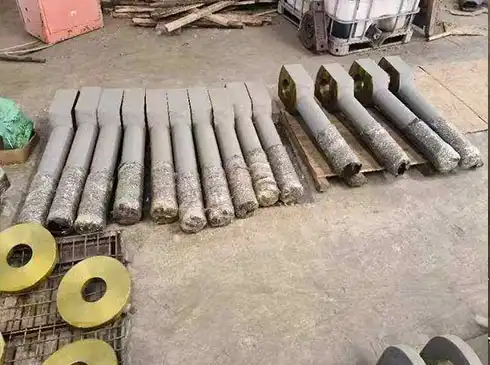
Blast furnace riser pipes have a special place in the structure of a blast furnace. Downcomer pipes move cooled gas out of the system, and tap holes let molten iron out. These vertical channels, on the other hand, take in raw gas straight from the furnace top. This difference is important because raw blast furnace gas has abrasive particles and corrosive chemicals in it, and its temperature ranges from 200°C to 1000°C based on the furnace conditions.
Because these parts are at the bottom of the furnace, they are exposed to the toughest operating conditions. The gas moving through the blast furnace riser pipe can go very fast, bringing dust particles that hit interior surfaces like sandblasting media. We've seen buildings fail before they should have when the designers didn't take these erosive forces into account.
Critical Performance Factors Under Extreme Conditions
The most important efficiency factor is thermal stability. During furnace operations, sudden changes in temperature cause cycles of expansion and contraction that would crack less durable materials. Tolerances for pressure become just as important. Today's blast furnaces work at very high pressures that require structural stability in ways that go beyond what is needed for pipes.
Gas channeling is another common failure mode that can be stopped by optimizing flow dynamics. When gas flow isn't even, erosion in certain areas speeds up a lot. When the shape of the blast furnace riser pipe is designed correctly, it makes sure that the flow is evenly spread. This extends the life of the parts and keeps the furnace safe during the campaign.
Why Procurement Teams Must Prioritize Engineering Specifications
To choose parts for high-pressure blast furnace systems, you need to know more about technology than just comparing prices. We work with procurement workers who have to weigh the cost of capital against the total cost of ownership. They know that when unplanned shutdowns happen, a cheaper choice can become more expensive.
Material traceability through mill test certificates, verification of heat treatment processes, and compliance with pressure vessel codes like ASME Section VIII are all operational requirements. These aren't just paperwork boxes; they're written proof that parts will work reliably in situations where failure would be catastrophic.
Key Design Specifications and Customization Principles for High-Pressure Riser Pipes
Essential Design Parameters for Customized Solutions
The first step in customization is taking basic measurements that are specific to your furnace's layout. Wall thickness is usually between 20 mm and 50 mm, which is chosen to allow for erosion over the expected service life while keeping the structure strong under pressure inside. Length requirements need to include measures for thermal expansion—not enough of a buffer creates stress concentration places that cause cracks to form.
Another important choice point is the connection technique. Flanged joints are easier to maintain because they can be inspected and replaced without a lot of hot work. Welded parts are better at keeping gases out, but they need to be welded very well so that there are no heat-affected areas that could crack from stress corrosion. This choice should be based on your business goals and how you think about maintenance.
Material Selection to Address Engineering Challenges
How well blast furnace riser pipes handle temperature stress, rust, and mechanical pressure is directly related to the materials they are made of. Standard types of carbon steel, such as ASTM A106 Grade B, work well in most situations. Facilities that use a lot of air or have rusting that happens quickly often ask for heat-resistant alloy steels with more chromium and molybdenum.
Ceramic lining technology has changed what is expected of performance in tough situations. These refractory materials are very good at handling changes in temperature and chemical attacks from carbon monoxide and sulfur compounds. Ceramic-lined designs require more up-front money, but they pay for themselves over time through longer repair intervals and less frequent upkeep. We have examples of ceramic linings that, when properly kept, lasted 10-15 years instead of 5-7 years for options that weren't lined.
To find the right balance between durability and cost, you need to be honest about your operating factors. Facilities that run ongoing campaigns at high production rates can afford to use more expensive materials because they don't have to pay for downtime. When operations have planned repair windows, they may choose stronger but less expensive choices that fit their replacement schedules.
Optimization Strategies for Enhanced Operational Efficiency
In addition to material qualities, geometric optimization has a big effect on efficiency. The internal surface finish changes how gas flows; smoother surfaces lower noise and reduce the number of places where erosion can start. Some more complex designs use computational fluid dynamics research to find possible trouble spots before they are built.
Thermal management features, such as packing boxes or expansion joints, let the gas seal stay in place even when the unit moves vertically. These built-in spaces stop the binding forces that would otherwise cause breaking stresses. Adding temperature tracking points lets you use condition-based maintenance plans instead of just time-based replacement plans for repairs.
Installation, Maintenance, and Inspection Best Practices
Pre-Installation Preparation and Installation Protocol
The construction process starts long before the blast furnace riser pipe gets to your building. We suggest that you do full site studies to make sure that the support structures can handle the load and that the connection points are lined up within the tolerances given. Misalignment during installation causes stress patterns that speed up wear failure, no matter how good the material is.
The order of placement is very important. When you torque flange bolts in the right way and in the right manner, you stop gasket stress irregularities. Welded connections need to be made by trained welders who follow approved methods and keep track of how much heat they put in. For thick-section welds, post-weld heat treatment is needed to get rid of any leftover stresses that could weaken the structure over time.
Before the system goes into business, hydrostatic or pneumatic pressure testing makes sure the work was done right. By testing the system at 1.5 times its design pressure, we can be sure that it will be able to handle practical loads with enough safety margins. Recording these commissioning tasks sets the standard for future state reviews.
Proactive Maintenance Strategies to Prevent Unplanned Downtime
With predictive maintenance, managing blast furnace riser pipes goes from being like putting out fires to being like managing assets strategically. Ultrasonic thickness readings keep track of how much wall is being lost, which lets repair choices be based on data instead of failures that happen after the fact. During operation, thermal imaging finds hot spots that mean the refractory is breaking down or gas is leaking before something terrible happens.
Localized weathering from gas channeling and stress corrosion cracks at weld zones are two common ways that things wear out. These known weak spots are the focus of regular inspections. Gas routing usually shows up as wear bands going around the edges of places where flow is interrupted. Stress corrosion cracking shows up as spreading surface cracks in areas that have been heated up next to welds.
Condition tracking tools set inspection times based on how often things actually wear out, not on random intervals. Facilities that work in harsh conditions may be inspected every three months, while facilities that work in mild conditions may be inspected once a year. Trending data is the key to finding signs of worsening situations before they become emergencies.
Advanced Diagnostic Tools and Compliance Documentation
Non-destructive testing methods let you see what's going on inside a component. Radiographic testing shows problems inside that can't be seen with the naked eye. Ultrasonic testing makes a picture of the part's envelope's leftover wall thickness. Magnetic particle screening finds cracks that break the surface and could grow into fails that go all the way through the wall.
Keeping detailed records of inspections is required by law and also helps build the body of knowledge that will be used to make future buying choices. When you keep track of the real service life under your specific working conditions, you can make better purchases in the future based on what has been proven to work, rather than what has been supposed to work.
Comparative Analysis: Selecting the Best Riser Pipe for Your High-Pressure Blast Furnace
Material Options: Ceramic-Lined Versus Steel Pipe Performance
To compare blast furnace riser pipe designs with and without ceramic lining, you need to know the whole lifecycle equation. Steel pipe systems have lower starting costs and are easier to put together. Standard grades work well when working conditions are mild and replacement cycles can happen more often because they are easier to access for upkeep.
The initial cost of ceramic-lined options is higher, but they offer better thermal protection and longer repair intervals. The refractory layer protects the steel shell from high and low temperatures and keeps chemicals and rough surfaces from wearing it down. The bond strength between the ceramic and steel base is now the most important quality sign; poor bonding causes the lining to flake off and fail early.
The most important difference between these methods is their thermal cycling tolerance. Unlined steel goes through the whole range of temperature excursions, and with each furnace run, it gets more fatigue damage. Ceramic insulation evens out the temperature difference through the steel wall, which lowers the amount of thermal stress and greatly increases the wear life.
Understanding Functional Differences Across Furnace Components
Blast furnace riser pipes have different operating needs than other parts of a blast furnace. Downcomers move cooled, pre-cleaned gas that has a lot fewer particles and is at lower temperatures. Because the working world is so different, designs that work well for one application rarely work well for another.
Both over-engineering and under-specification can be avoided by making sure the part fits the needs of the process. There have been times when buying teams chose lower-grade materials for use in blast furnace riser pipes, which led to quick failure. On the other hand, selecting heavy-duty riser pipe materials for the whole gas handling system raises costs without delivering any extra benefits.
Evaluating Global Manufacturers and Supply Capabilities
Supplier selection includes more than just the specs of the product. It also includes the supplier's ability to manufacture, their quality systems, and their expert support infrastructure. Leading makers have quality management systems that are written down and approved to international standards. This gives customers faith in the consistency of the products and the control of the manufacturing process.
Customization is important for buildings that need to meet specific size or performance standards. When a manufacturer has its own engineering team, it can work with you during the planning phase to come up with the best answers for your needs instead of making you change standard catalog items.
Lead time affects both the ordering of projects and the planning of operations. Standard setups usually ship between 8 and 12 weeks, but designs that are highly customized may take 16 to 20 weeks from the time they are ordered until they are delivered. Different manufacturers have different minimum order amounts. Knowing these during the quotation part keeps budget surprises to a minimum.
As much as the physical result, the level of technical teamwork affects long-term happiness. When suppliers help with installation, troubleshooting, and performance improvement, they stop being transactional sellers and become valuable partners.
Future Trends and Innovations in Blast Furnace Riser Pipes for High-Pressure Environments
Emerging Materials and Manufacturing Advancements
The mining business keeps coming up with new materials for the blast furnace riser pipe that are better than ever before. New metal formulations make them stronger at high temperatures and better able to fight rust caused by sulfur. These improvements make it possible for designs to work reliably in situations where materials from earlier generations would have broken down.
Another new area of innovation is composite lining technologies. Multi-layer refractory systems use a mix of ceramics that are best for different parts of the chemical and heat environment. Dense layers inside stop gases from moving through, and insulation layers outside control temperature differences. These built systems make things last longer than what uniform materials can do.
Improving the manufacturing method makes the products more consistent and lowers the number of defects. Modern welding methods reduce the size of the heat-affected zone, which makes it less likely that the metal will crack. Precision machining of link points makes the fit-up better and the gasket closing more effective.
Regulatory Evolution and Environmental Considerations
International safety standards keep making it harder for parts that hold pressure to meet certain requirements. New codes include stricter rules for checking materials and making sure they are of higher quality based on what was learned from mistakes in the field. Staying ahead of regulatory evolution avoids the costly situation where installed equipment goes out of line.
Environmental laws are having a bigger effect on design objectives. Systems that reduce fugitive gas leaks through better closing technology are becoming more popular because of the need to control emissions. As a result of business sustainability goals, sustainable production methods are now used by buying teams to judge suppliers.
Approaches to lifecycle management shift the attention from the cost of the original purchase to the total impact on the environment. Longer-lasting parts don't need to be replaced as often, which saves resources. When purchasing decisions are based on sustainability measures, manufacturers who can show that longer service lives are good for the environment have an edge.
Preparing for Next-Generation Operational Requirements
As makers try to get more done, blast furnace activities keep getting stronger. Higher amounts of oxygen enrichment and higher injection rates make the air more hostile for all parts, including the blast furnace riser pipe. Instead of just meeting the needs of the present, plans of the future must take these changing needs into account.
When smart sensors are integrated, they can be used to watch conditions in real time. This changes maintenance from planned actions to predictive responses. Temperature and vibration monitors that were built in during the manufacturing process give constant information about performance. Analytics systems find patterns of wear and tear early enough so that planned fixes can be made instead of emergency ones.
Conclusion
For blast furnace riser pipes to work properly in high-pressure blast furnaces, they need to be customized using knowledge from materials science, heat engineering, and real-world operations. The parts we looked at are very important to your ironmaking process because they move toxic gases in harsh situations where failure would have big effects. Your operational continuity is protected by choosing the right specs, enforcing strict quality control, and sticking to proactive inspection methods. Staying up to date on new solutions gives your facility a long-term competitive edge through higher stability and lower lifetime costs as material science progresses and regulatory frameworks change.
FAQ
What lifespan can I expect from customized riser pipes in harsh blast furnace conditions?
Service life changes a lot depending on how it is used and the materials that are used. In normal situations, standard steel designs should last between 5 and 7 years. Ceramic-lined alternatives usually last 10 to 15 years if they are taken care of properly. Facilities that run in harsh conditions, like those with high oxygen loading or high top pressures, may have shorter periods. Regular thickness monitoring gives more accurate facility-specific statistics on lifespan than general predictions.
How do ceramic linings perform compared to steel-only pipe designs?
Ceramic linings are very good at resisting heat and wear, so they last a lot longer than alternatives that aren't lined. The refractory layer protects the structure steel from high and low temperatures and from sulfur compounds' chemical attack. Designs made of only steel are cheaper at first, but they need to be replaced more often. The best choice for you will rely on how much you use the furnace, how you handle upkeep, and how much you want to spend on the whole campaign.
What critical factors should guide supplier selection for large-scale orders?
Manufacturing capability and quality systems approval give you a solid base of trust in the uniformity of the products you make. Customization lets you meet the needs of your building in ways that standard catalog things can't. The technical support system tells you if you're getting a real relationship or just transactional fulfillment. As you compare suppliers, you should look at their lead time promises, ability to work with you on engineering issues, and the amount of information they provide, along with the material specs.
Partner with SMEC for Superior Blast Furnace Riser Pipe Solutions
At SMEC, which is part of the Taiyuan Silian Heavy Industry Group, we bring decades of experience with metalworking tools to every unique blast furnace riser pipe job. Our research team works closely with clients to create solutions that work best in high-pressure settings, combining the need for durability with the goal of minimizing total cost. Our 23,000-square-meter factory is in the industrial center of Shanxi Province. It has advanced production tools and strict quality systems that make sure every part meets international standards for pressure vessels.
We know that people who work in buying need to be able to rely on blast furnace riser pipe makers who are both technically excellent and quick to respond to their needs. Some of our 168 engineers are experts in thermal stress analysis, choosing materials, and integrating refractory linings. From the initial design advice to installation support and lifecycle management, SMEC offers complete options that keep your business running. Email our team at project@smec.cc to talk about your special needs and get thorough technical proposals that are made to fit the way your facility works.
References
American Society of Mechanical Engineers. (2021). ASME Boiler and Pressure Vessel Code, Section VIII: Rules for Construction of Pressure Vessels. New York: ASME Press.
Geerdes, M., Toxopeus, H., & van der Vliet, C. (2020). Modern Blast Furnace Ironmaking: An Introduction. Amsterdam: IOS Press.
Nightingale, R.J. & Sheasby, J.S. (2019). "High-Temperature Corrosion Mechanisms in Blast Furnace Gas Systems." Journal of Materials Engineering and Performance, 28(4), 2156-2167.
Peacey, J.G. & Davenport, W.G. (2018). The Iron Blast Furnace: Theory and Practice. Oxford: Pergamon Press.
Reis, B.H., Bielefeldt, W.V., & Vilela, A.C. (2022). "Refractory Lining Performance in Blast Furnace Gas Distribution Systems." Ceramics International, 48(11), 15234-15245.
Ziebik, A. & Stanek, W. (2020). "Thermal and Flow Analysis of Blast Furnace Top Gas Systems." Applied Thermal Engineering, 175, 115389.
Free consultation & volume discounts available
SEMC focuses on the entire metallurgical process—from coking, ironmaking, and steelmaking to continuous casting and rolling. Whether you face challenges related to equipment upgrades, energy efficiency optimization, or overall process transformation, please fill in the following information. Our technical team will provide you with tailor-made high-end equipment upgrade solutions and professional EPC design services to help your project be implemented efficiently.
Recommended Blog
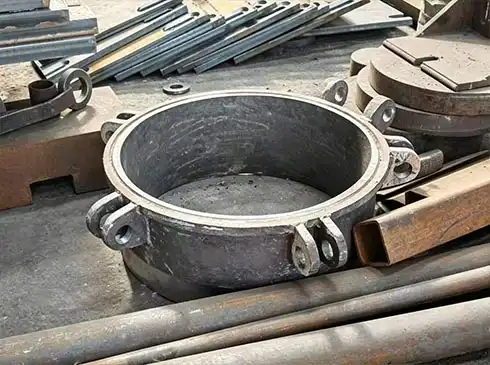
How Overall Blast Furnace Renovation Improves Steel Plant Efficiency?
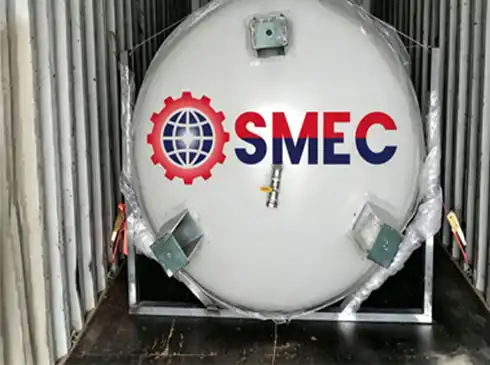
A Complete Guide to Blast Furnace Riser Pipe Maintenance and Replacement
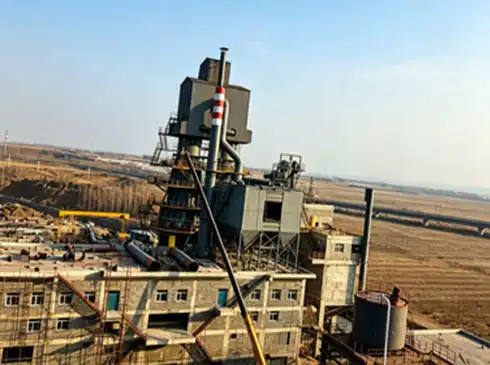
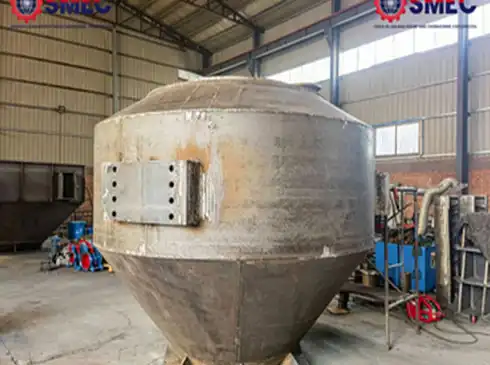
Why Modern Steel Plants Use Automatic Drill Rod Replacement Devices
Customizing Blast Furnace Riser Pipes for High-Pressure Environments
How Granulated Blast Furnace Slag Supports Sustainable Manufacturing