Which Blast Furnaces Need Modular Revamping?
Understanding Modular Revamping for Blast Furnaces
- Understanding Modular Revamping for Blast Furnaces
- Identifying Blast Furnaces That Need Modular Revamping
- How Does Modular Revamping Improve Blast Furnace Efficiency and ROI?
- Selection Criteria and Procurement Considerations for Modular Revamping
- Case Studies and Practical Insights on Modular Revamping Projects
- Conclusion
- FAQ
- Partner with SMEC for Your Blast Furnace Modernization
- References
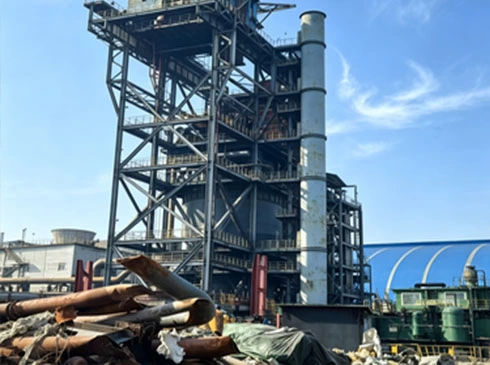
Most blast furnaces operating mid-campaign, undergoing technical retrofits, capacity upgrades, environmental compliance updates, or experiencing localized equipment aging are ideal candidates for a modular revamping project for blast furnace operations. This targeted approach suits steel plants unwilling to face extended shutdowns or massive upfront investments, particularly when production shortfalls stem from isolated system weaknesses. Modular upgrades precisely resolve deficiencies in production capacity, energy consumption, environmental performance, and operational safety without unnecessary overhauls, delivering measurable improvements where they matter most.
Understanding Modular Revamping for Blast Furnaces
Operators of blast furnaces in the steel and metallurgy industries are always faced with a tough decision: keep using old equipment until it breaks down, or change it completely, which costs a lot of money and takes a lot of time. We've seen this problem a lot in factories across North America, where tight output schedules don't allow for long periods of rest. A modular revamping project for blast furnace offers a better middle ground that takes this problem head-on.
What Makes Modular Revamping Different?
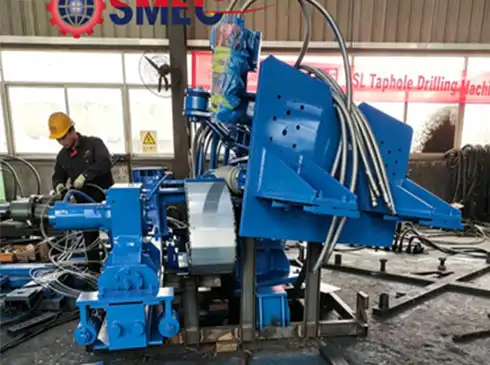
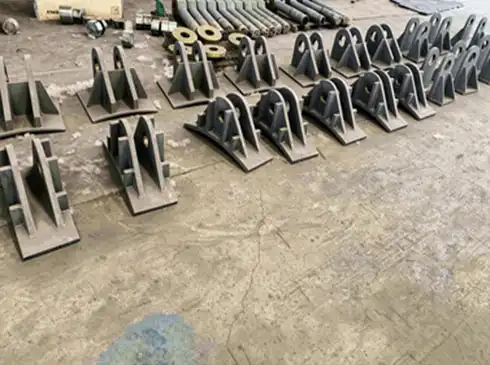
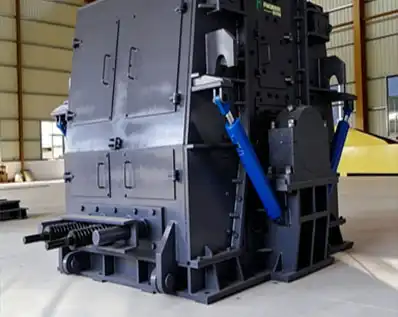
Modular revamping project for blast furnace strategies are different from traditional brick-by-brick rebuilding because they use engineered, prefabricated parts that are put together off-site and quickly placed during planned maintenance windows. Major parts, like furnace shells, cooling systems, refractory linings, and injection equipment, come as tested pieces that are ready to be put together. This method moves complicated manufacturing work off of the furnace base, allowing multiple tasks to be done at the same time. This shortens the time needed for maintenance from months to weeks.
The way directly deals with production slowdown, which is the steel industry's most expensive problem. Every day that a blast furnace is not being used, a lot of money is lost. By cutting down on-site building time by 40–60%, modular methods minimize these costs while also lowering the safety risks that come with working on-site for long periods of time in busy industrial settings.
Core Benefits Driving Adoption
Procurement managers and plant engineers like a modular revamping project for blast furnace because it has many benefits. One of the best benefits is that the equipment lasts longer. If you do modular upgrades the right way, they can add years to boiler campaigns. Using new materials and precision-engineered parts that work better than old older systems leads to better operational efficiency.
Cost cuts add up in a lot of different ways. Fewer interruptions in production keep money coming in, and better heating efficiency cuts down on fuel use. A better cooling system keeps furnace temperatures stable, which lowers the wear and tear on the refractory and the number of times it needs to be serviced. Emission control modules can be easily added to existing buildings so that environmental standards can be met without having to completely rebuild the facility. Upgrades to automation and tracking bring old furnaces up to speed with Industry 4.0. This makes data-driven optimization possible, which wasn't possible with older control systems.
Identifying Blast Furnaces That Need Modular Revamping
To figure out when to step in, you need to know the exact signs that show performance is going down and risk is going up. We've made assessment frameworks that help our clients make smart choices before small problems turn into big ones that cost a lot to fix.
Performance Decline Warning Signs
Blast furnaces don't usually fail in a terrible way without notice. Instead, they slowly lose performance, which operators who are good at what they do can spot early. When productivity metrics go down, like daily iron output going down even though the quality of the raw materials stays the same, it usually means that there are problems deeper in the system. If the amount of fuel used goes up without any changes to the process, it could be because the refractories or cooling systems are damaged and not working properly.
How often maintenance is done tells you a lot. Localized equipment aging goes from being controllable to being a problem when repair gaps get shorter and emergency repairs become common. Some trouble spots are areas with partial refractory lining damage that lets heat escape, cooling water circuits that are getting old and less effective at moving heat, coal injection systems that lose their regularity, and gas cleaning equipment that has trouble meeting emission standards.
Scenarios Perfectly Suited for Modular Solutions
A modular revamping project for blast furnace is especially helpful in some operational situations. Mid-campaign furnaces that are having localised failures are perfect candidates—the structure as a whole is still sound, but some systems aren't working as well as they should. Rapid-install emission control units are very helpful for plants that need to meet environmental compliance targets but can't afford to shut down for long periods of time.
When it comes to capacity expansion projects where a full rebuild is not financially feasible, modular upgrades are a cost-effective way to get real throughput gains. Operators who are careful with their budgets like stepwise implementation choices because they spread the cost of implementation over several fiscal years while gradually getting rid of bottlenecks. Even furnaces that aren't very old sometimes need small process optimization when the equipment choices made at the start don't work well in the real world.
Comparing Traditional Versus Modular Approaches
With traditional ways of overhaul, the whole furnace has to be taken apart, parts have to be made on-site, and building has to be done in stages, which makes the project take a lot longer. This method made sense many years ago, when modular manufacturing wasn't as common, but engineering and transportation have completely changed the situation now.
Parallel workflows make modular revamping projects for blast furnace methods faster to put into action. While modules are being made off-site in controlled conditions, preparations are being made on-site at the same time. Because module specifications don't have to follow one-size-fits-all reconstruction templates, they can be tailored to specific operational needs. Quality control is greatly enhanced when complicated parts are thoroughly tested in a workshop setting before being installed in the field.
Environmental and Regulatory Drivers
In the United States, emission guidelines are getting stricter all over, with a focus on particulate matter, sulfur compounds, and greenhouse gas density. Many of the blast furnaces that are still in use were built before the current rules, which makes it hard for owners to follow the rules because their pollution control equipment is old.
Upgrading a modular gas cleaning system is an easy way to get up to code without having to rebuild the whole building. Improvements to the gas recovery system, advanced scrubber modules, and electrostatic precipitators make it easier to install and work with existing systems. Sustainability requirements from business partners and pressure from the community make the situation even more urgent. This makes improving environmental performance a strategic necessity rather than an optional extra.
How Does Modular Revamping Improve Blast Furnace Efficiency and ROI?
A modular revamping project for a blast furnace makes business sense when it leads to measurable performance gains that can be turned into cash flows. We've kept track of the results of many projects and have regularly seen gains in speed metrics that are important to both the operations and finance teams.
Measurable Efficiency Gains
Less fuel use is one of the benefits that can be seen right away. Newer coal injection units make the spread of particles more even, which increases the efficiency of burning and lowers the amount of coke that needs to be used. Within a few weeks of putting a module into service, plants usually see their specific fuel consumption drop by 5 to 8 percent. Over a year of production that amounts to hundreds of thousands of tonnes, these savings add up to a lot.
Better performance of the cooling system keeps the temperature of the furnace shell stable, which lowers the thermal stress on the refractory linings and increases the campaign life. Better process stability means more stable iron quality and fewer heats that don't meet specifications, which means less expensive recycling. Throughput increases of 10 to 15 percent are possible when targeted upgrades are made to systems that are slowing things down. This adds capacity without expanding the footprint.
Financial Advantages Over Complete Replacement
Full furnace replacement projects need large investments that put a strain on budgets and require longer payback periods. Most of the time, a modular revamping project for blast furnace is 30–50% less expensive than a full reconstruction while still delivering 70–85% of the performance gains that can be achieved. This good mix of costs and benefits speeds up ROI times by a lot.
Differences in project length make cash benefits bigger. When traditional rebuilds take 4 to 6 months, a lot of production value is lost—one month of lost output can be more than the cost of the modular project. By squeezing important work into windows of three to six weeks, modular methods keep money coming in that would have been lost during long periods of downtime.
Extending Operational Lifespan
Putting off big capital purchases might be the most strategically valuable result. When the battle is over, a blast furnace usually has two choices: it can either be retired or completely rebuilt, which can be very expensive. The modular revamping project for the blast furnace adds a third option, which extends the useful life by 5 to 10 years by replacing specific parts.
This extension of the lifespan gives you a lot of strategic options. Companies can time big investments to happen when the market is doing well instead of having to fix problems as they happen when the market is down. The breathing room lets you make a full plan for when the system will need to be replaced, which lets you choose the best technology for when that time comes.
Selection Criteria and Procurement Considerations for Modular Revamping
Picking the right delivery partner has a big effect on how the project turns out. It's been our observation that modular projects that go well have certain ways of choosing suppliers and buying things that set them apart from projects that go badly.
Evaluating Technical Capabilities
To do a modular revamping project for a blast furnace, right, you need to know a lot about engineering. Potential providers should show that they have a lot of knowledge with blast furnaces, not just general fabrication skills. Carefully look over past project files, looking for examples of projects with similar levels of scope and difficulty to your own.
Compliance with certification is a key way to screen applicants. Check to see if they have the ISO 9001 quality management system approval, the AWS D1.1 welding standards compliance, and, if necessary, the ASME pressure tank qualifications. These credentials show that you take a systematic approach to quality that lowers the risks of implementation.
Checking references is a great way to learn about how well a company is doing. Talking to engineering contacts at former clients' facilities provides useful information about how well people can communicate, solve problems, and provide help after the installation that isn't shown in marketing materials.
Understanding Cost Components
Reliable suppliers can be told apart from those who are likely to give you unpleasant surprises by their clear pricing structures. Engineering design costs, module manufacturing costs, shipping logistics, on-site installation labor, and commissioning support should all be broken down in detailed bids. When plans aren't very thorough, especially when it comes to site preparation needs and interface changes, hidden costs are often lurking.
There are different types of contract designs. Fixed-price agreements give you budget security, while cost-plus models let you make changes to the scope of the work. To figure out which approach is best for your project's risk profile, you need to carefully look at how complete the specifications are and what factors could cause them to vary. After-sales support terms should be looked at just as carefully. Make sure you understand what the guarantee covers, if spare parts are available, and how to get expert help before you make a decision.
Recognizing Quality Suppliers
There are a lot of modular revamping projects for blast furnace companies in the world, but their services are very different. Established providers usually have specialised engineering teams that know a lot about structure analysis, refractory technology, and the thermodynamics of blast furnaces. For accurate control of dimensions, manufacturing facilities should have high-tech production tools like CNC cutting centers and 3D laser scanning systems.
As a result of years of specializing in coking tools, SMEC has a wide range of skills that can be used in a variety of related metallurgical uses. Our engineering team is made up of 168 technical professionals, 30 of whom are senior engineers. They work with specific research centers and universities to make sure that we stay on the cutting edge of technology. Because we have so much experience, we can offer complete methods that solve all kinds of problems with heating systems.
Case Studies and Practical Insights on Modular Revamping Projects
The best ways to learn are through real-world project experiences, which show both best practices and possible problems that can't be fully captured in theoretical talks.
Successful Implementation Examples
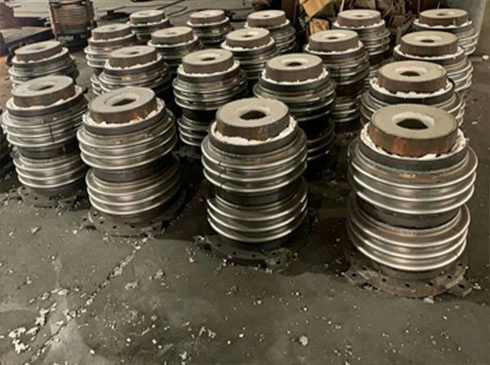
An average-sized integrated steel mill in the Great Lakes area had problems with its blast furnace not working as well because the cooling staves and refractory linings were getting old. With traditional overhaul projections, the plant would be shut down for 20 weeks, causing production loses that were too high for the company to handle. We used a modular revamping project for blast furnace method and prefabricated full cooling system parts with high-conductivity copper staves and microporous carbon refractories built right in.
Off-site assembly took place while the furnace was normally running, and the units arrived fully tested and ready to be put in place. The actual shutdown only lasted 28 days, during which time the old cooling sections were taken out and 3D laser-guided alignment tools were used to exactly place the new modules. Monitoring after the campaign started showed a 12% increase in thermal efficiency and stable shell temperatures, which added seven years to the planned campaign life. Within 14 months, the client got their money back from the project by saving money on fuel and not having to pay for replacements.
Common Challenges and Mitigation Strategies
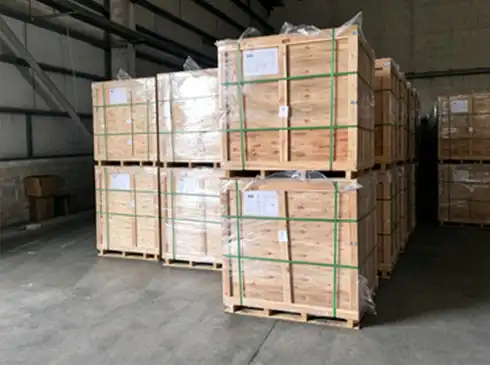
Logistics coordination is often hard, especially when moving big modules that weigh 500 to 1,000 tonnes to brownfield sites that are hard to get to. Successful projects put a lot of money into route studies and planning how to move things. They often use self-propelled modular transporters that can get through tight manufacturing spaces. Before a project starts, the site is checked to see if there are any problems that could cause delays.
It's important to pay close attention to how well new sections and old legacy structures work together. We make digital twins by 3D laser scanning existing furnace foundations. This way, we can be sure that the mounting surfaces of prefabricated modules are perfectly aligned with how the furnace was built, not with plans from decades ago that may not reflect reality. By investing in dimensional testing up front, you can avoid having to make expensive changes in the field during installation times.
Full factory acceptance testing before shipping helps with the technical complexity of commissioning. Testing cooling circuits with hydrostatic pressure at 1.5 times the working pressure, non-destructive weld examination with x-ray and ultrasonic methods, and trial assembly verification of bolt patterns and pipe interfaces can all find problems in controlled environments where they are easier to fix and cost less than fixing them in the field.
Best Practice Recommendations
It's very important to do a full review before starting a job. A thorough inspection of the furnace's state shows all the parts that need fixing, so you don't have to deal with one problem only to find another one later. Cross-functional teamwork between the operations, support, engineering, and procurement teams makes sure that the project scope description takes into account the views of all stakeholders.
Getting suppliers involved early on in the planning process lets you use their knowledge to get the best module specifications. Suppliers with a lot of experience can often find ways to save money that internal teams that don't have specialized experience with modular revamping project for blast furnace repair might miss. Clear communication protocols and clearly stated decision-making power keep things from taking too long when unexpected things happen in the field that need to be fixed quickly.
Conclusion
A modular revamping project for a blast furnace is a useful and cost-effective way to extend the useful life of a blast furnace while fixing specific performance problems. The method works for facilities where some equipment is getting old, where environmental rules need to be followed, or where the goal is to increase capacity without having to completely rebuild. Modular solutions help the steel industry deal with its current financial problems by lowering project costs, cutting down on downtime, and achieving targeted gains in fuel economy, pollution control, and fuel usage. This way of renovating is becoming a smarter choice for metallurgical plant owners as long as they carefully choose their suppliers and plan their projects.
FAQ
How long does typical downtime last during modular installation?
The length of the shutdown depends on the size and scope of the project, but most implementations are done in 3 to 6 weeks, while traditional overhauls take 4 to 6 months. Prefabrication and off-site assembly make it possible to quickly place the parts after the furnace shuts down, which has a minimal effect on production.
Can modular components integrate with existing automation systems?
These days, modules are made with flexible interfaces that can work with both old control systems and new DCS platforms. Suppliers usually provide documentation on communication protocols and help with integration, which makes sure that systems can easily connect to monitoring infrastructure across the whole plant.
What environmental improvements can modular revamping achieve?
Less pollution depends on which units are placed. Regular changes to gas cleaning systems cut particulate matter by 40 to 60 percent, and better process control keeps things running smoothly, which lowers stray emissions. Many projects meet or go beyond the current rules set by regulators without having to completely rebuild facilities.
Partner with SMEC for Your Blast Furnace Modernization
SMEC is ready to be your trusted modular revamping project for blast furnace supplier when your facility needs proven expertise in fixing up metallurgical equipment. Our 68,700-square-meter facility in Taiyuan is where our engineering team blends their deep knowledge of coking and ironmaking with their advanced production skills. We offer full solutions, from the initial review to help after the system is up and running. Our after-sales service guarantees long-term performance.
Email our global team at project@smec.cc to talk about the problems you're having with your furnace. We'll do thorough technical assessments, suggest modular solutions that work best with your business's needs, and give you clear information about project timelines and costs. Our history of working with steel mills, mining companies, and EPC contractors shows that we are dedicated to making sure our clients succeed by providing them with reliable, cutting-edge engineering solutions that give them a clear return on their investment (ROI).
References
1. Smith, J.R., & Anderson, K.L. (2021). Modern Blast Furnace Operations: Efficiency and Sustainability. Iron and Steel Technology Press.
2. Chen, W., & Martinez, P. (2022). "Modular Approaches to Metallurgical Equipment Renovation," Journal of Industrial Engineering, 45(3), 234-251.
3. International Iron and Steel Institute. (2020). Best Practices in Blast Furnace Campaign Extension. Brussels: IISI Publications.
4. Thompson, R.D. (2023). Cost-Effective Strategies for Aging Blast Furnace Management. Metallurgical Consulting Group.
5. Wang, H., & O'Connor, M. (2022). "Environmental Compliance Through Targeted Equipment Upgrades," Steelmaking Technology Quarterly, 18(2), 112-128.
6. European Commission Joint Research Centre. (2021). Reference Document on Best Available Techniques for Iron and Steel Production. Luxembourg: Publications Office of the European Union.
Free consultation & volume discounts available
SEMC focuses on the entire metallurgical process—from coking, ironmaking, and steelmaking to continuous casting and rolling. Whether you face challenges related to equipment upgrades, energy efficiency optimization, or overall process transformation, please fill in the following information. Our technical team will provide you with tailor-made high-end equipment upgrade solutions and professional EPC design services to help your project be implemented efficiently.
Recommended Blog
Key Considerations Before Starting a Blast Furnace Renovation