What Are the Benefits of Blast Furnace Slag Granulation?
Understanding Blast Furnace Slag Granulation
- Understanding Blast Furnace Slag Granulation
- Advantages of Using Blast Furnace Slag Granulation Equipment
- Comparing Blast Furnace Slag Granulation with Traditional Methods
- Key Considerations for Procuring Blast Furnace Slag Granulation Equipment
- Maintenance and Technical Support for Slag Granulation Equipment
- Conclusion
- FAQ
- Partner with SMEC for Advanced Blast Furnace Slag Granulation Equipment Solutions
- References
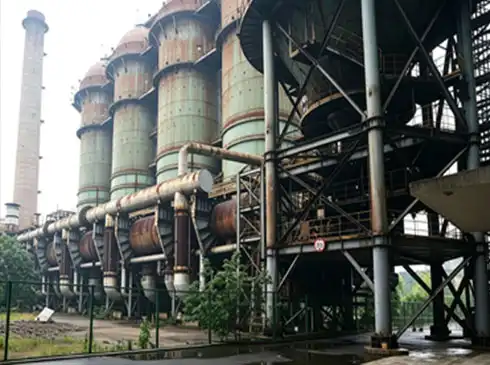
Critical problems in metallurgical processes are solved by granulating blast furnace slag, which turns dangerous liquid trash into useful industrial materials. Modern blast furnace slag granulation equipment turns slag that comes out of furnaces at temperatures between 1450°C and 1550°C into granulated blast furnace slag (GGBFS), a very explosive material that is needed to make cement and build things. This process not only gets rid of environmental dangers, but it also returns thermal energy, lowers the cost of getting rid of garbage, and supports the circular economy, which is becoming more and more important in today's business world.
Understanding Blast Furnace Slag Granulation
The Core Process and Technology
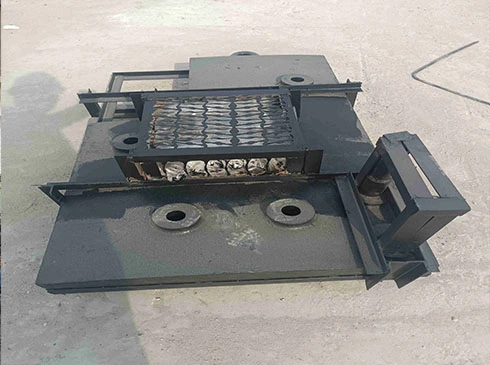
Rapid heat shock is the basis of how blast furnace slag granulation works. When molten slag comes into touch with high-pressure water blasts or mechanical atomization systems, it cools faster than the minerals in the slag can crystallize. This stops crystalline structures from forming and makes a glassy, flexible material that sticks together better. Granulation systems have come a long way. Now, they use chromium-molybdenum metals that are very resistant to wear for important parts, and they have automatic control systems that keep the right water-to-slag ratios between 1:8 and 1:12.
Industrial Applications Across Sectors
The blast furnace slag granulation equipment is used for different things in different businesses. Integrated steel mills use on-site granulation to get rid of the problems that come with moving liquid metal. This lowers the risks of handling and improves the safety of operations. Granulation is needed to make GGBFS that meets the strict chemical reaction standards needed for high-performance cement mixes. This is done in specialized cement production facilities. Slag with controlled particle sizes ranging from 0.5mm to 5mm is especially useful for marine infrastructure projects because it makes concrete that is resistant to chloride entry in corrosive coastal environments where regular materials break down quickly.
Environmental and Economic Drivers
As emission rules get tighter, the need for slag grinding has grown to protect the environment. If melted slag is not handled, it can release sulfur into the air and heat up, which are both very bad for the environment. These problems can be fixed by granulation equipment that has built-in systems for hydrogen sulfide cleaning and steam condensation. These systems neutralize dangerous gases before they are released into the air. Changing waste slag into usable GGBFS creates income streams, lowers the cost of landfills, and meets sustainability reporting standards that affect how much a company is worth and how easy it is to get into markets.
Advantages of Using Blast Furnace Slag Granulation Equipment
Superior Product Quality and Consistency
The quality of materials is greatly improved by modern grinding devices. The fast cooling method makes sure that the glass phase content is higher than 95%. This was confirmed by X-ray diffraction studies during quality control. This glassy structure sets the hydraulic reaction that makes GGBFS useful as a cement replacement material. In concrete mixes, it usually replaces 30 to 70% of Portland cement. Laser diffraction tracking makes sure that particle sizes stay the same. This means that users further down the line can expect consistent performance, which was not possible with older slag processing methods.
Operational Efficiency and Throughput Gains
The powers of the blast furnace slag granulation equipment have a direct effect on the costs of production. High-capacity systems can handle more than 1,500 tons of slag per day per unit, which is the same amount of slag that large-scale blast furnaces can produce without slowing down the flow of materials. Programmable logic controllers power automation technologies that control water pressure, flow rates, and draining processes with little help from operators. This cuts down on the number of workers needed while keeping the product's specs the same from one production run to the next. Systems with variable frequency drives can adapt to different slag viscosities, so they can work with both normal and difficult "cold" slag conditions that would stop other types of equipment.
Here are the measurable advantages that distinguish advanced granulation systems:
- Energy recovery potential: Heat exchangers built into modern designs take in thermal energy from steam production during cooling. This lowers the total energy use of the plant by balancing the need for boiler fuel in processes nearby.
- Reduced environmental footprint: When compared to open slag pits, sealed processing rooms with chemical scrubbers cut sulfur dioxide emissions by 98%, making it easier for facilities to meet EPA air quality guidelines without needing extra equipment.
- Lower water consumption: When mechanical dewatering systems are built into INBA spinning drum setups, the finished product's moisture content drops below 15%. This allows water to be recycled, which reduces the amount of fresh water used by 40–60% compared to filter tank methods.
- Extended equipment lifespan: Wear-resistant metal plates in granulator heads and impeller blades can handle the roughness of molten silicates, allowing service lives that match 10-15 year blast furnace campaign cycles and lowering the cost of capital replacement.
Companies that make steel and cement can see real cash benefits from these advantages. Facilities that use granulation systems say that they pay for themselves in three to five years through GGBFS sales income, energy saves, and lower waste handling costs.
Comparing Blast Furnace Slag Granulation with Traditional Methods
Performance Metrics Analysis
In the past, slag was cooled in pits or yards, where the liquid material slowly turned into crystals over a period of hours. These methods made slag that wasn't very good at cementitious tasks and could only be used as road base gravel or in landfills. When you look at key success measures, the difference with blast furnace slag granulation equipment becomes clear. Once the granulation process is done, there is no need for the following breaking and grinding steps that are needed to process crystalline slag. The process is much more efficient because grinding only takes seconds, while pit cooling takes hours. This means that less material needs to be moved and less land needs to be set aside for slag processing.
Scalability and Industrial Fit
When working at different sizes, the ability of granulation devices to change is very important. Small steel mills that make 500,000 tons of steel a year can use modular granulation units that can be expanded as production needs. Integrated complexes that make several million tons of steel a year, on the other hand, need high-throughput configurations with redundant systems to make sure that they can keep running during maintenance periods. The main thing that stops retrofit setups at older facilities is a lack of water supply, so engineering teams check to see if the current water infrastructure provides enough pressure and volume for grinding processes.
Validated Performance Through Industry Experience
Steel makers all over North America have seen big gains since they started using blast furnace slag granulation equipment. A mining plant in the Great Lakes area said that the value of slag it used went up by 35% in its first year of operation. This was because the material went from low-value gravel sales to high-value GGBFS markets. Another combined mill cut the amount of work needed to process slag by 60% and also cut the amount of dust released by moving materials. These results from real life back up the technical specs and give procurement managers faith that the benefits they've heard about will actually lead to measured operational gains.
Key Considerations for Procuring Blast Furnace Slag Granulation Equipment
Technical Specifications and Customization
Before making a purchase choice, it's important to carefully look at how the blast furnace slag granulation equipment parameters match up with the work setting. The capacity of the blast furnace must match its output, taking into account the different rates at which slag is made depending on the iron ore and how well the furnace works. Automation levels range from simple manual controls to fully integrated systems that talk to central control and data gathering networks across the whole plant. When coordinating granulation with current infrastructure for moving materials, treating water, and by-product recovery systems that collect tar, ammonia, and other valuable compounds from coking processes, it's important to have a lot of integration flexibility.
Investment Considerations and Financial Planning
The money spent on granulation systems is a big investment that needs a careful study of the finances. Smart procurement teams create total cost of ownership models that include the costs of buying equipment, setting it up and commissioning it, training operators, continued upkeep, and finally shutting it down. Equipment providers may offer payment plans with deferred payments or performance-based contracts that link payments to verified production metrics or product quality successes. These can help with cash flow problems.
Supplier Evaluation and Partnership Criteria
There's more to choosing a factory partner for blast furnace slag granulation equipment than just comparing the prices of tools. Suppliers with a good reputation show they have strong engineering skills by providing thorough technical paperwork, computational fluid dynamics models of granulation chambers, and pilot testing sites where customers can check performance before buying on a large scale. The warranty should cover wear parts separately from structural parts, since granulator heads break down over time and need to be replaced every 12 to 18 months, based on the slag's chemistry. Infrastructure for after-sales support is very important, especially for international purchases, where different time zones and complicated processes can make troubleshooting take longer if sellers don't already have service networks in the buyer's area.
Maintenance and Technical Support for Slag Granulation Equipment
Preventative Maintenance Protocols
To keep performance at its best, you need to do regular maintenance that is tailored to the harsh working conditions. Every 3,000 hours of operation, the blast furnace slag granulation equipment head is inspected by looking at the wear patterns on the metal plates. These patterns show if the slag acidity or temperature changes are higher than what was planned. To keep the pressure in the gun manifold, hydraulic systems need to regularly check the fluid and change the seals so that leaks don't happen and make atomization less effective. By dynamically balancing spinning drums, vibrations that speed up bearing wear and weaken supporting frames are stopped.
Troubleshooting and Service Response
Even when precautions are taken, equipment problems will still happen, so it's important to be able to quickly diagnose and fix problems. Problems that happen often include slag getting stuck in the nozzles, steam condensers getting clogged up which makes thermal recovery less effective, and drainage system problems that make the end product too wet. Expert service teams know a lot about how the granulation process works and can tell the difference between signs and root causes so that they can come up with long-term solutions instead of quick fixes that fail again and again.
Spare Parts Strategy and Service Contracts
Strategic parts inventory combines the cost of holding on to parts with the risk of production. Important parts like impeller blades, hydraulic pump kits, and wear liner sets should be kept on-site so that they can be replaced right away during planned repair times. Manufacturers of equipment offer full service agreements that include preventative maintenance, emergency repair reaction, performance optimization advice, and updates to operator training as granulation technology changes. The value of these contracts comes from moving technical risk from the plant user to the equipment provider, whose business goal is to maximize system uptime and throughput.
Conclusion
Granulating blast furnace waste is a revolutionary technology that simultaneously addresses environmental and economic needs. Multiple benefits can be seen, such as turning hazardous garbage into useful industry products, collecting thermal energy that would otherwise be lost, lowering emissions to meet stricter rules, and making money through GGBFS sales. These benefits come from modern blast furnace slag granulation equipment and its advanced engineering, which can handle high temperatures, corrosive materials, and high output needs while still being reliable enough for constant metalworking operations. Industries thinking about investing in granulation should look at how they make things, understand the full value offer that goes beyond initial capital costs, and work with providers who can support long-term operating excellence.
FAQ
How does slag granulation maximize hydraulic activity?
High-pressure atomization and keeping the water-to-slag ratio high make sure that cooling happens faster than mineral formation rates. This quick temperature shock keeps the flexible glass structure that is needed for pozzolanic reactions in cement uses. Premium GGBFS is different from lower-grade materials because it has a glass phase level of above 95%.
What maintenance cycles apply to granulation heads?
Every 3,000 hours of operation, the machine is usually inspected, and the metal liner needs to be replaced every 12 to 18 months, based on how acidic and rough the slag is. Facilities that handle slag that has a lot of sulfur or aluminum oxide experience faster wear, which means that parts need to be replaced more often.
Can granulation equipment adapt to varying slag conditions?
Modern systems have changeable frequency drives and valve configurations that can be changed to work with slags of different temperatures and viscosities. This adaptability lets both normal and "cold" slag conditions be processed, which would need different handling methods or lead to differences in the quality of the final product otherwise.
What environmental controls address sulfur emissions?
Integrated steam condensation hoods collect gases released during cooling and send them through chemical cleaning towers with alkaline solutions that get rid of hydrogen sulfide and sulfur dioxide before releasing them into the air. Compared to open cooling ways, this closed-loop method cuts emissions by more than 98%.
Partner with SMEC for Advanced Blast Furnace Slag Granulation Equipment Solutions
SMEC has been building granulation systems that work well with coking and ironmaking processes for more than 30 years, so they can help with problems related to processing slag. Our 30 senior engineers work in our 68,700-square-meter manufacturing plant in Taiyuan as part of our engineering team. They work with customers to come up with unique solutions that meet their production needs and site limitations. We provide full help throughout the whole procurement process, from the original feasibility studies and computer models to installation supervision, operator training, and ongoing technical support. As a top blast furnace slag granulation equipment supplier, we keep a large stock of spare parts and can provide service in the field, so we can respond quickly to operating requirements. Email our foreign trade experts at project@smec.cc to discuss how our granulation technologies can help your business make more money and be better for the environment.
References
Chen, M., & Zhang, L. (2019). "Advanced Technologies in Blast Furnace Slag Processing and Utilization," Journal of Sustainable Metallurgy, Volume 5, Issue 3, pp. 412-428.
International Slag Association. (2021). "Best Practice Guidelines for Granulated Blast Furnace Slag Production and Quality Control," Technical Report Series, Document ISA-2021-04.
Kumar, R., & Schmidt, J. (2020). "Comparative Life Cycle Assessment of Slag Processing Methods in Integrated Steel Mills," Environmental Engineering Science, Volume 37, Number 8, pp. 563-579.
National Ready Mixed Concrete Association. (2022). "Ground Granulated Blast Furnace Slag: Performance Characteristics and Specification Compliance," NRMCA Publication 2GN805.
Wang, H., Liu, F., & Thompson, D. (2018). "Thermal Energy Recovery from Blast Furnace Slag Granulation Systems," Energy Conversion and Management, Volume 172, pp. 316-327.
World Steel Association. (2023). "Sustainability Indicators Report: Slag Utilization and Circular Economy Performance in Global Steel Production," WSA Statistical Yearbook Supplement.
Free consultation & volume discounts available
SEMC focuses on the entire metallurgical process—from coking, ironmaking, and steelmaking to continuous casting and rolling. Whether you face challenges related to equipment upgrades, energy efficiency optimization, or overall process transformation, please fill in the following information. Our technical team will provide you with tailor-made high-end equipment upgrade solutions and professional EPC design services to help your project be implemented efficiently.
Recommended Blog
How Overall Blast Furnace Renovation Improves Steel Plant Efficiency?
How to Extend the Service Life of Blast Furnace Tuyere Equipment
OEM vs Standard Blast Furnace Vent Valves: Which Is Better?