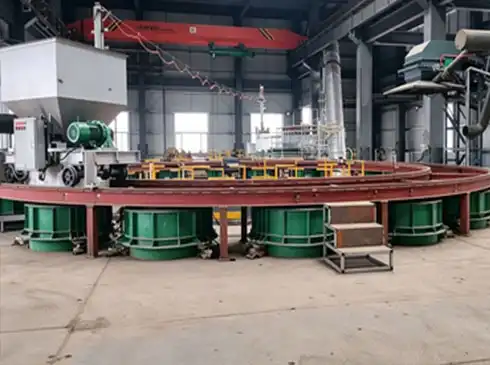
What Does blast furnace gas purification service Include?
Understanding Blast Furnace Gas Purification Service
- Understanding Blast Furnace Gas Purification Service
- Core Components and Process Steps Included in Blast Furnace Gas Purification Service
- Benefits of Engaging Professional Blast Furnace Gas Purification Services
- How to Select the Right Blast Furnace Gas Purification Service Provider?
- Conclusion
- FAQ
- Partner with SMEC for Integrated Gas Purification Solutions
- References
Blast furnace gas purification service encompasses a comprehensive suite of industrial solutions designed to transform raw blast furnace gas into a clean, reusable energy source. This service addresses the removal of dust particles (typically 10-40 g/Nm³ in raw gas), moisture, corrosive chlorides, sulfides, and tar compounds that compromise downstream equipment performance. Through advanced dry or wet purification technologies, these services enable steel mills to meet ultra-low emission standards while recovering valuable secondary energy, protecting critical assets like top gas recovery turbines and hot blast stoves from premature degradation.
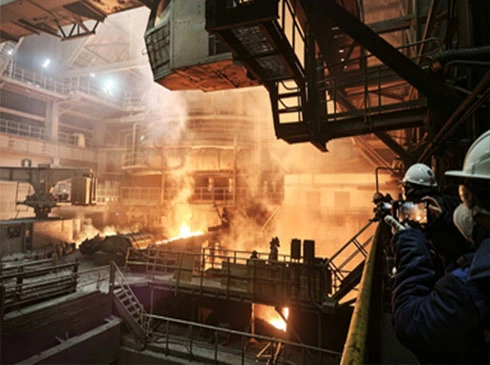
Understanding Blast Furnace Gas Purification Service
In modern metalworking, the raw gas that comes out of blast furnaces causes a lot of problems. Fine particles, acidic substances, and temperature differences can damage equipment and make it harder to follow environmental rules. The blast furnace gas purification service turns dangerous waste into useful fuel streams, filling the gap between what can be produced and what regulators want.
The Industrial Context and Urgency
Steel companies are under more and more pressure to cut down on their carbon footprints while keeping costs low. Even though raw blast furnace gas is high in hydrogen and carbon monoxide, it also has other contaminants that damage pipes, wear down turbine blades, and cause environmental violations. Without the right purification infrastructure, plants could shut down without warning, face fines from regulators, and lose the chance to use their full energy potential. Specialized blast furnace gas purification services must now be included in sites that want to be productive and good to the earth at the same time.
Why Does Purification Matter for Energy Recovery?
Clean gas has a direct effect on how well power plants work. When turbines get clean gas that keeps the amount of dust in the air below 5 mg/Nm³, blade erosion goes down a lot, which means that maintenance can be done every few years instead of every few months. This cleanliness standard not only keeps mechanical parts safe, but it also makes the best use of kinetic energy in TRT systems, which increases electricity output by 30–40% compared to processes that use gas that hasn't been properly handled. By keeping gas temperatures between 100°C and 250°C during purification, the temperature stays stable. This stops dew point rust and keeps useful heat for later combustion processes.
Core Components and Process Steps Included in Blast Furnace Gas Purification Service
Comprehensive cleansing happens in several designed stages, each of which targets a different type of contamination. The blast furnace gas purification service architecture combines chemical neutralization, physical separation, and thermal management to make sure that the gas meets strict quality standards.
Source Gas Collection and Pre-Treatment
The trip to purity starts at a number of collection points spread out across blast furnace activities. SMEC starts by controlling stray emissions at the tops of furnaces, in tapping areas, and in areas where materials are stored. Specialized collection boxes collect unorganized dust emissions from spread-out sources. This keeps the workplace clear and meets the requirements for fugitive emissions in the steel industry. In this first stage, localized suppression methods and daily upkeep of collection structures are used to keep scattered particles from reaching the air. Managing sources well lowers the amount of contaminants that get into equipment further down the line, which makes the whole system work better.
Organized Emission Purification Systems
Once they are gathered, organized emissions from furnace top vents, hot blast stove exhaust, and streams used in the ironmaking process are treated in a very thorough way. The service includes cyclones and bag filters for multiple stages of dust removal, followed by desulfurization and denitrification modules that remove sulfur oxides and nitrogen compounds. Advanced systems also get rid of smells and change the temperature and moisture levels to get rid of noticeable clouds. These coordinated treatments make sure that fixed discharge points always meet the limits for pollutant concentration. This keeps facilities from not following the rules when they are inspected regularly.
Gas Refinement for Energy Reuse
Refining crude gas is the most important part of cleaning. SMEC's refinement protocols get rid of corrosive impurities like sulfides, tar residues, and fine dust. They also dry out the gas stream to make it more calorific and stable for combustion. This cleaning process keeps hot blast stoves and captive power plants safe from equipment failures caused by fuel, like burner nozzles getting clogged or checker brick glazing. By making gas cleaner, plants can access reliable secondary energy sources that cut down on their need for fuels from outside sources and lower their operating costs.
It's important to be precise when doing the technical parts of these steps. For example, PTFE-membraned media used in dry bag filtering systems can last 18 to 24 months with the right pre-coating and temperature control. Wet cleaning options get rid of a lot of dirt, but they cause problems with wastewater. In line with operating goals of zero wastewater, modern services are increasingly favoring dry ways that keep gas useful heat and get rid of problems with liquid discharge.
Integrated System Operation and Maintenance
Along with the purification gear, ongoing operating help is needed to make sure that performance stays high. Full service packages include daily checks, calibration of online monitoring instruments, replacement of worn-out parts like filter bags and sealing elements, and emergency repairs for when equipment breaks down. On a regular basis, maintenance workers check on spray systems, filtration media, gas transport pipes and environmental monitoring equipment. This keeps their work from slowly getting worse, which could hurt compliance and efficiency.
Consumable Supply and Lifecycle Management
Stable long-term cleansing depends on always having access to good products. As part of its services, SMEC provides dust filter bags, desulfurization and denitrification chemicals, spray tower packing, and sealing parts that are specifically needed for each project. This all-encompassing consumable backup takes away the uncertainty of buying, making sure that plants never have to stop production because of a lack of materials or problems with compatibility.
Environmental Compliance Documentation
Following the rules includes more than just controlling pollution. It also includes having very accurate records. Specialized workers put together operational data, maintenance logs, discharge monitoring reports, and paperwork that is ready for inspection. These records are in sync with platforms used by environmental regulators, which makes sure that the data is correct during checks. Facilities can avoid administrative fines and show stakeholders that they are taking care of the environment by keeping good records.
Emergency Response and Contingency Protocols
Emission jumps can be caused by changes in production, strange weather, or sudden problems with equipment. SMEC sends out emergency reaction teams 24 hours a day, 7 days a week, so they can be on-site during important times. Rapidly lowering the concentration of pollutants stops regulatory violations and production stops, giving operators peace of mind in case something unexpected happens. This safety net is very helpful in dangerous situations where normal rules are put to the test.
In addition to these basic services, more advanced ones include optimizing gas resources, fine-tuning recovery flow rates, and cleaning factors to get the most out of secondary energy use. With this all-around method, cleaning goes from being a compliance task to a chance to create value.
Benefits of Engaging Professional Blast Furnace Gas Purification Services
Working with skilled purification experts can help in many ways, including operations, finances, and long-term planning. These benefits go far beyond simple compliance; they affect every part of how well the plant works. Professional blast furnace gas purification services minimize unexpected downtime by keeping equipment from breaking down because of dirty gas.
Operational Continuity and Asset Protection
When turbine blades, heat exchanges, and combustion systems only use clean fuel, they last longer between maintenance checks. Longer equipment lives mean that capital expenditures can be put off and production schedules can stay on track. Plants say that maintenance cycles have been pushed back from three months to several years, which frees up technical staff to do more value-added work instead of fixing problems as they happen.
Financial Performance Through Energy Recovery
More energy can be recovered when the quality of the gas is improved. Captive power generation systems work better when the calorific value of the gas stays steady and the amount of impurities is low. Recovered energy balances out the need to buy electricity from the grid and lowers the overall cost of energy used to make one tonne of steel. Over the course of a yearly production cycle, these savings add up to big changes in the bottom line, which usually makes investments in purification worth it within 18 to 24 months.
Environmental Compliance and Corporate Reputation
Companies that meet or beat pollution standards avoid fines, production cuts, and damage to their image. Having consistently clean data on emissions makes partnerships with officials and community groups stronger. As environmental, social, and governance (ESG) measures become more important in judging companies, being able to show that they control pollution becomes a way to stand out from the competition. B2B customers want sellers with confirmed sustainability credentials more and more, so strong purification is needed to get into the market.
Risk Mitigation Through Expert Partnership
When you hire specialized companies to do cleaning, you are passing on technical and legal risks. Service partners guarantee performance, make sure there are enough supplies of consumables, and handle emergencies. This approach protects plant management from the difficulties of adapting to new environmental rules and improvements in water treatment technology. The "five-package" model includes labor, materials, operations, compliance, and checks. This model lets steel mills focus on their main output tasks while experts take care of environmental management tasks that aren't as important. With all of these benefits, professional cleaning services are no longer seen as costs, but as long-term investments in staying competitive and strong.
How to Select the Right Blast Furnace Gas Purification Service Provider?
To find the best partner, you need to carefully look at their professional, business, and strategy qualities. To find a blast furnace gas purification service provider who can provide long-term value, procurement teams have to deal with a lot of complicated trade-offs.
Technical Capability Assessment
Start by looking at how skilled the provider is in both dry and wet methods of cleansing. Check to see how much experience they have with plants of the same size as yours. Integrated steel factories that process thousands of tonnes of steel every day have different needs than small facilities. Ask for case studies that show how setups have gone well in similar industrial settings, paying close attention to how well dust was removed and how long the equipment was up and running. Providers should be clear about their repair procedures, the availability of extra parts, and the time it takes to fix problems.
Regulatory Compliance and Certification
Check to see if any potential partners have up-to-date certifications that are relevant to the areas where you do business. Getting ISO 9001 process management certification shows that you have a system for controlling quality, and meeting regional ultra-low emission metallurgical standards shows that you know what the latest rules say. Providers should show that they know how to integrate environmental tracking platforms and follow the standards for documents that are needed for regulatory audits.
Customization and Scalability
Do not use one-size-fits-all methods that do not take into account the unique problems at your place. Before offering custom systems, leading companies carefully examine the site, looking at the gases present, the flow rates, the temperature profiles, and any space limitations. Solutions should be able to adapt to future increases in production or tightening of regulations without needing to completely rebuild infrastructure. As working needs change, modular designs that allow for improvements over time give you the freedom to adapt.
Service Model and Contract Structure
Check to see if service providers give full packages of services or choices that can be used separately. Turnkey models that include design, installation, commissioning, operations, maintenance, and supply of consumables make it easier to be accountable and cut down on the work that goes into coordinating. Compare the terms of the contracts that promise to perform. Pay attention to promises about the amount of dust that can be present, the percentage of uptime, and the time it will take for emergency help to arrive. Make it clear who is responsible for what: does the provider take on all management risk, or does your team still have some support duties?
Cost-Performance Balance and ROI
It's important to look at the total cost of ownership over the life of the equipment, not just the original capital prices. Cheaper systems usually have higher costs for consumables, more downtime, and shorter replacement cycles. Ask for full lifetime cost estimates that include how much energy will be used, how often filters will need to be replaced, how much reagent will be used, and how much labor will be needed. Figure out the payback periods based on better energy recovery, fewer fines from the government, and longer equipment life. Providers should be clear about how their solutions give a measurable return on investment.
References and Track Record
Insist on references from current clients in your industry that can be checked out. Talking to peers in person gives you useful information about how quick a service is, how good their technical support is, and how happy you are with your long-term relationship that you won't find in any advertising. Site visits to sites that are already up and running let you see for yourself how well the system works and how easy it is to use. As a manufacturer with 168 engineers, 30 of whom are senior engineers, and specialized research institutes, SMEC has a level of technical depth that isn't common among rivals that only offer services. When we design, build, and service equipment over its entire life, we make sure that everyone is responsible for the work. We only succeed when your systems work reliably year after year.
Conclusion
Comprehensive blast furnace gas purification services are smart investments that protect equipment, protect the environment, and save energy all at the same time. The job includes controlling fugitive emissions, organizing wastewater treatment, gas processing for energy reuse, full system maintenance, making sure there is a secure supply of consumables, keeping regulatory records, and responding to emergencies. Leading service models take on full operating responsibility through combined packages. This lets steel makers focus on making steel while experts handle the complicated process of purification. To choose the right partner, you need to look at their technical depth, legal knowledge, ability to customize, service breadth, and track records. As environmental rules get stricter and energy prices change, strong purification infrastructure goes from being an operational necessity to a competitive benefit. This has a direct effect on both sustainability measures and the financial performance of steel markets around the world.
FAQ
What dust removal efficiency should I expect from quality purification services?
Modern services that use advanced bag filtration always get residual dust levels below 5 mg/Nm³, which is the standard for keeping top gas recovery turbines safe. Most wet scrubbing systems get to 10-15 mg/Nm³. Continuous emission tracking systems use laser backscattering and isokinetic sampling to check performance and make sure everything is clear.
How do services handle temperature fluctuations in raw gas?
Systems have backup nitrogen cooling systems and bypass valves that are turned on by high-limit monitors. These safeguards keep the filter media from getting damaged by heat when things go wrong. Keeping gas temperatures between 100°C and 250°C stops humidity and keeps the energy level for later use.
Can purification remove acidic components like hydrogen chloride?
Yes, modern designs use dry sorbent injection, usually hydrated lime or sodium bicarbonate, to neutralize chlorides and keep pipelines from corroding from acid. This treatment is very important for places that process iron ores that have a lot of chlorine in them.
What determines filter media lifespan?
PTFE-membraned bags can last up to 18 to 24 months if they are pre-coated correctly, kept at the right temperature, and pulse-cleaned regularly. Operators must keep synthetic fibers from getting wet or exposed to chemicals that break them down too quickly.
Partner with SMEC for Integrated Gas Purification Solutions
When it comes to blast furnace gas purification service devices, SMEC has decades of experience and a wealth of knowledge. Our full-spectrum service model gets rid of fragmented vendor management from the start with source control to emergency response. With 168 engineers on staff and our own research labs, we can make solutions that fit your production size and regulatory setting. People in North America who work for steel mills, integrated facilities, and EPC companies believe in our five-package method, which includes labor, supplies, operations, compliance, and inspections. Get in touch with our technical team at project@smec.cc to talk about your needs for purification with a reliable blast furnace gas purification service provider dedicated to measurable performance improvements and long-term partnership success.
References
1. American Iron and Steel Institute. (2021). Environmental and Energy Management Practices in the U.S. Steel Industry. Washington, DC: AISI Technical Publications.
2. Zhang, L., & Wang, H. (2020). Advanced Gas Cleaning Technologies for Blast Furnace Systems. Metallurgical Industry Press.
3. International Energy Agency. (2022). Iron and Steel Technology Roadmap: Towards More Sustainable Steelmaking. Paris: IEA Publications.
4. Chen, Y., Liu, X., & Zhao, M. (2019). Dry versus wet purification methods for blast furnace gas: A comparative analysis. Journal of Cleaner Production, 245, 118-127.
5. European Best Available Techniques Reference Document. (2021). BAT Conclusions for Iron and Steel Production. European Commission Joint Research Centre.
6. National Council for Air and Stream Improvement. (2020). Industrial Gas Purification Systems: Design, Operation, and Maintenance Guidelines. NCASI Technical Bulletin Series.
Free consultation & volume discounts available
SEMC focuses on the entire metallurgical process—from coking, ironmaking, and steelmaking to continuous casting and rolling. Whether you face challenges related to equipment upgrades, energy efficiency optimization, or overall process transformation, please fill in the following information. Our technical team will provide you with tailor-made high-end equipment upgrade solutions and professional EPC design services to help your project be implemented efficiently.
Recommended Blog
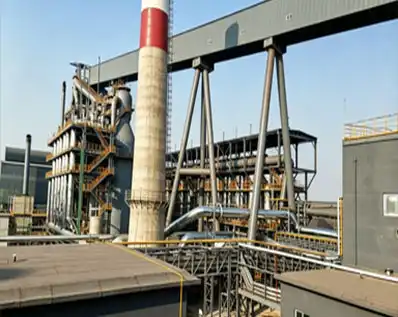
Common Problems in Three-Ring Cone Scrubbers and How to Fix Them
_1787208999657.webp)
Why Choose Flexible Thermocouple for Blast Furnace Hearth?
Why Does Blast Furnace Cooling Stave Need High Precision Temperature Sensors?
Can Hydraulic Clay Gun Adapt to Different Blast Furnace Taphole Sizes?
A Complete Guide to Blast Furnace Riser Pipe Maintenance and Replacement