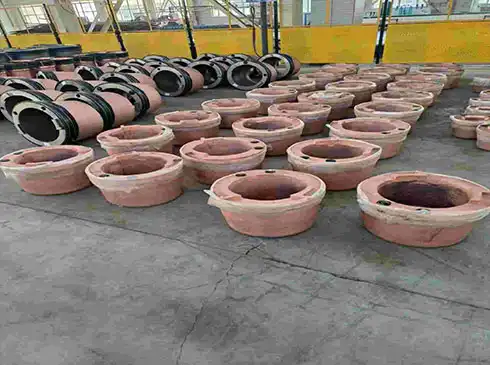
Cost Analysis for High Furnace Refractory Replacement
Understanding High Furnace Refractory Replacement Costs
- Understanding High Furnace Refractory Replacement Costs
- Comparison of Furnace Lining Materials and Their Cost-Effectiveness
- Furnace Lining Replacement Process and Its Cost Implications
- Procurement Considerations for Furnace Refractory Replacement Services
- Case Studies and Cost-Benefit Analysis of Furnace Refractory Replacement
- Conclusion
- FAQ
- Partner with SMEC for Expert Refractory Solutions
- References
If you are in charge of blast furnaces or other high-temperature industrial vessels, you need to know how much refractory upkeep costs. A high furnace body lining replacement service is both a big investment and an important business decision for keeping things running smoothly. In this complex engineering process, old refractory materials are taken out and replaced with new heat-resistant linings that keep furnace shells safe from temperatures topping 1700°C. Choosing to change the lining has an impact on long-term capital planning, energy economy, and the ability to keep making things. Plant managers and procurement workers need to know all the costs, from materials and labor to downtime and quality control, so they can make choices that balance short-term costs with long-term benefits.
Understanding High Furnace Refractory Replacement Costs
The cost of replacing refractory is broken down into many different financial layers that need to be carefully thought through. Material costs usually take up most of your budget. The prices of specialized refractories change a lot depending on their makeup and how well they work.
Material Costs and Selection Factors
Refractory products are what your cost estimate is based on. Alumina-based ceramics, magnesia-chrome bricks, silicon carbide castables, and microporous carbon blocks are all high-performance choices. Each material has its own price range, thermal qualities, and chemical protection profiles. Alumina refractories are very good at resisting thermal shock and aren't too expensive. Silicon carbide forms, on the other hand, are much better at conducting heat but cost a lot more. Microporous carbon blocks have great alkali protection and heat efficiency, which makes up for their higher purchase costs over time. Choosing the right material has a direct effect on both the initial cost and the number of times it needs to be replaced. This makes it an important choice point for lowering costs.
Labor and Installation Expenses
Securing skilled workers is another important cost factor. Certified refractory workers know how to work with materials that can reach high temperatures and are skilled in precision bricklaying, gunning methods, and applying materials that can be cast. Installation difficulty depends on the type of heater, how easy it is to get to, and any safety rules that need to be followed. To fix the belly and bosh of a blast furnace, you need to know how to work in a tight area and have advanced gunning tools. To fix the sidewall of an electric arc furnace, you have to work quickly during short maintenance windows. Labor rates change depending on the area's minimum wage, the length of the job, and the skills of the contractor. The cost of work is usually higher in North American markets compared to other areas because of strict safety rules and specific certification needs.
Hidden Costs of Operational Downtime
The financial effect of stopping production often exceeds the direct costs of replacement. Every day that the furnace isn't working, it loses output, has to pay fixed costs, and could face contract fines. A fix in the middle of a campaign that needs ten to twenty days of downtime can have a big effect on quarterly income goals. Complete relining jobs that last between 45 and 90 days need detailed plans for production, inventory management, and talking to customers. Smart timing that works with repair schedules and production cycles keeps income from being lost to a minimum. Some businesses use "hot repair" methods that involve advanced gunning techniques during short windows of time. This cuts down on downtime while fixing wear patterns in specific areas.
Comparison of Furnace Lining Materials and Their Cost-Effectiveness
The choice of materials has a big effect on both the short-term costs of the project and the long-term costs of running it. Strategic buying choices can be made by knowing the performance-to-cost ratio of different types of refractory.
Ceramic Refractories Versus Refractory Bricks
Ceramic-based high furnace body lining replacement service linings can be shaped and installed without joints, which lowers heat stress points and makes it easier to use in complicated shapes. The volume stability and thermal shock protection of these single-piece devices are very good. Refractory bricks have been used in many different types of furnaces and have a long history of reliable performance. Brick systems let you change only the broken parts without having to redo the whole lining. Whether ceramic castables or standard brickwork is used relies on how the kiln is set up, the temperature profiles that are used, and the conditions of chemical exposure. Castable installations usually go faster with fewer trained workers, which could cut down on the time and money needed for the job.
Total Cost of Ownership Considerations
To evaluate lifetime economics, you need to look at more than just the original cost of materials. To evaluate lifetime economics, you need to look at more than just the original cost of materials. The value per working year is higher for a refractory that costs more to buy but lasts twice as long. Materials with a perceived porosity below 15% stop hot metal from penetrating, which keeps catastrophic failures from happening that require emergency replacements. High refractoriness under pressure above 1700°C keeps the structure strong during long missions. Superior resistance to abrasion against falling load materials and slag rust resistance lowers the rate of wear, which means that parts don't need to be replaced as often. Quality guidelines set by ISO 13765 and ASTM C113 make sure that performance can be predicted, which lowers the risk of losing money when planning long-term upkeep.
Furnace Lining Replacement Process and Its Cost Implications
Inspection and Demolition Procedures
A full check before replacement finds wear patterns, structural damage, and the main reasons why the refractory is breaking down. Ultrasonic thickness measure, infrared thermography, and eye inspection are used to decide what needs to be replaced and what materials to use. To safely remove old linings, controlled methods must be used to keep furnace shells and cooling systems from getting damaged. Robotic dismantling technologies make workers safer and speed up the removal process in dangerous places. Using high-pressure water sprays, hydraulic hammers, or breaking things by hand will all have different costs and lead times. When demolition is done correctly, the shell's structure is kept, and costly structural fixes that raise project costs are avoided.
Installation and Quality Assurance
How well and how long a refractory lasts depends on how precisely it is installed. Pneumatic gunning for quick monolithic placement, precision bricklaying with designed mortar systems, and castable filling with vibration consolidation are some of the more advanced ways to use the material. How well something is installed has a direct effect on how well it resists heat, wear, and how long a mission lasts. Real-time quality control uses laser scanning to check that measurements are correct compared to engineering standards, X-ray fluorescence testing to confirm the material's make-up, and cold crushing strength sampling to confirm its mechanical properties. During controlled heat-up after installation, infrared thermography finds holes or insulation gaps that need to be fixed. Tough quality standards keep things from failing too soon and needing expensive repairs.
Drying and Commissioning Challenges
Getting rid of the right amount of wetness from newly installed refractories stops steam-induced spalling that weakens the lining. Temperature ramps that are measured and watched by scattered thermocouples and programmable logic controllers control the drying-out processes. High-velocity burners with precise fuel control keep up certain burning rates for a certain amount of time, which can be a few days or longer based on the thickness of the lining and the qualities of the material. If you rush approval to get production going again, you could damage the structure and need to replace it right away, which would cost more and take longer. Following the cure instructions given by the maker will protect your refractory investment and make sure it lasts as long as it was designed to.
Procurement Considerations for Furnace Refractory Replacement Services
Vendor Qualification and Certification
Reliable refractory workers for high furnace body lining replacement service keep the right quality certifications that show they know how to control the process and are technically competent. ISO 9001 quality management approval means that a project is carried out and documented in a structured way. Compliance with ASTM C860 for bonding agents and mechanical fastening systems makes sure that the old and new refractory layers can be put together reliably. Track records of vendors with similar furnace types give you trust in their technical skills. References from similar industrial buildings back up promises of performance and dependability. By looking at the safety records of contractors, you can protect your employees and lower your risk of being sued during on-site work.
Lead Times and Project Scheduling
Longer production times are needed for custom refractory formulas that are made to work in certain situations. Standard products may be sent out within a few weeks, but customized solutions can take months to arrive after the order is placed. Knowing when to buy materials lets you plan around production schedules, which keeps the effect on income to a minimum. Strategies for keeping important refractory parts in stock lower the cost of replacing them when they break down unexpectedly. Setting up framework deals with qualified suppliers makes sure that you have priority access to materials and expert help during maintenance events that were not planned.
Cost Negotiation Strategies
Cost control and quality certification go hand in hand in good buying. When you commit to a certain amount of work across various stoves or for a longer period of time, you can often get better prices. When you combine the sale of materials with fitting services, you can save a lot of money. Performance-based contracts, in which vendors are paid based on how long their campaigns last, encourages good work and the choice of materials. Clear breakdowns of costs help with talks and conversations about value engineering. When comparing bids, it's easier to see which one is better when you look at the total cost of the job, which includes materials, labor, downtime, and quality control.
Case Studies and Cost-Benefit Analysis of Furnace Refractory Replacement
Extended Campaign Life Through Advanced Materials
Using standard refractory systems, a big integrated steel mill had to fix its blast furnace every eight years. The program lasted twelve years after switching to microporous carbon blocks that were better at conducting heat and resisting alkalis. However, even though the cost of materials went up by about 30%, removing one full relining cycle over twenty-four years saved a lot of money on materials, labor, and production delays. The longer period of working stability made planning more certain and lowered the risk of a repair problem. This case shows that even though they cost more at first, premium products have better lifetime economics.
Optimized Scheduling Reducing Downtime Costs
During unexpected breakdowns, an independent coking plant used to do full oven battery relinings, which caused extended production loses and high rush contractor premiums. Condition-based tracking with infrared thermography and regular ultrasonic tests made it possible to plan repair ahead of time. Scheduling replacements during planned repair times that were in sync with changes in market demand lessened the financial impact of downtime. By hiring a contractor ahead of time, you can get normal prices without having to pay extra for emergencies. When you take a preventative approach, replacing refractory stops being a reactive cost and more of a managed capital investment with a limited financial effect.
Hot Repair Techniques Minimizing Production Impact
A chemical recovery plant that runs ongoing processes looked into hot repair methods to fix worn refractory areas without having to shut down completely. Targeted fixes could be made during short maintenance sessions using specialized gunning methods and materials that set quickly. Even though hot repair materials were more expensive and needed specialized contractor knowledge, not having to stop output for long periods of time gave a strong return on investment. The facility cut down on yearly downtime by 60% while keeping the integrity of the refractory system. This showed creative ways to handle costs in continuous operations.
Conclusion
Strategic planning for high furnace body lining replacement service strikes a mix between short-term prices and long-term operating goals. A full cost study looks at everything from materials and labor to downtime and quality control, as well as the economics of the whole project over its lifetime, not just the original cost. Performance-to-price evaluation is important because the choice of material has a big effect on both the cost of purchase and the frequency of replacing. When compared to low-bid options, qualified workers with certified knowledge, tried-and-true methods, and clear prices offer better value. With proactive repair planning and condition tracking, you can make the best schedules that cause the least amount of downtime for production. Modern materials and fix methods often make higher prices worth it by extending the life of a product and lowering the number of times it needs to be replaced, which lowers the total cost of ownership.
FAQ
What indicators signal that furnace lining requires replacement?
Visual inspection showing thinner refractory, hot spots on furnace shells showing insulation failure, higher energy use showing loss of thermal efficiency, and structural cracks affecting container integrity are all signs that the furnace needs to be replaced. Infrared thermography finds changes in temperature before they cause damage that can be seen. This lets you take action before it's too late.
How long do properly installed furnace linings typically last?
Service life depends on how it is used, what materials are used, and how well it is maintained. In well-run settings, good systems using advanced refractories last ten to fifteen years. Campaigns for blast furnaces usually last between eight and twelve years. On the other hand, electric arc furnace linings may need to be replaced every three to five years because of the harsh temperature cycles and chemical exposure.
What safety considerations govern refractory replacement projects?
Workers are kept safe by following confined space rules, wearing respirators to protect against refractory dust, managing heat stress during hot repairs, making sure the structure is stable during removal, and using the right techniques for moving materials. Qualified contractors keep up-to-date safety programs that are in line with government rules. This lowers their risk of liability and protects workers throughout the project.
Partner with SMEC for Expert Refractory Solutions
SMEC can help you with your refractory problems because they have a lot of experience with mining tools and high-temperature systems. We are a high furnace body lining replacement service supplier with deep roots in China's energy and heavy chemical industries. We know how hard it is for coking plants, steel mills, and mining facilities to run their businesses. Our engineering team of 168 technical experts, including 30 top engineers, works on every project with decades of experience between them. We use cutting-edge materials science from our Large-scale Intelligent Coking Equipment Research Institute along with construction know-how gained from working with a wide range of furnaces. Our method puts practical continuity and lifetime cost optimization at the top of the list, whether you need full relining solutions, focused hot repairs, or expert advice on choosing the right materials. Email our foreign trade team at project@smec.cc to talk about your unique needs and get thorough technical advice that is specific to your furnace configuration and production goals.
References
American Society for Testing and Materials. (2019). Standard Test Methods for Reheat Change of Refractory Products. ASTM International Technical Committee C08.
Chen, Y., & Zhang, L. (2021). Advanced Refractory Materials for Iron and Steel Production. Metallurgical Industry Press.
International Organization for Standardization. (2018). Refractory Products - Dense Shaped Refractory Products - Determination of Bulk Density, Apparent Porosity and True Porosity. ISO Technical Committee 33.
McConnell, R. (2020). Blast Furnace Refractory Maintenance: Economic Analysis and Best Practices. Journal of Industrial Refractory Engineering, 45(3), 112-128.
Routschka, G., & Wuthnow, H. (2022). Refractory Materials: Design, Engineering and Performance Optimization. Vulkan-Verlag Publishing.
Technical Association of Refractories Japan. (2020). Handbook of Refractory Practice for Steelmaking and High-Temperature Industrial Processes. TARJ Publications Division.
Free consultation & volume discounts available
SEMC focuses on the entire metallurgical process—from coking, ironmaking, and steelmaking to continuous casting and rolling. Whether you face challenges related to equipment upgrades, energy efficiency optimization, or overall process transformation, please fill in the following information. Our technical team will provide you with tailor-made high-end equipment upgrade solutions and professional EPC design services to help your project be implemented efficiently.
Recommended Blog
How to Select the Best Blast Furnace Renovation Contractor
Blast Furnace Tower Equipment: Modular vs Traditional Designs
Understanding the Structure of a Blast Furnace Three-Ring Cone Scrubber
How Real-Time Tuyere Imaging Service Can Extend Your Blast Furnace Life