A Complete Guide to Blast Furnace Coal Injection System Upgrade Services
A Complete Guide to Blast Furnace Coal Injection System Upgrade Services
Key Considerations When Planning Your BFCI System Upgrade
- Key Considerations When Planning Your BFCI System Upgrade
- The Upgrade Process: Step-by-Step Guide
- Choosing the Right Supplier and Upgrade Service Provider
- Future Trends and Innovations in Blast Furnace Coal Injection Systems
- Conclusion
- FAQ
- Partner with SMEC for Advanced Coal Injection Solutions
- References
These days, making steel requires more than just keeping things running smoothly; it also needs to change its overall strategy. The upgrading service for the blast furnace coal injection system is a major engineering project that changes how integrated steel plants handle the infrastructure for delivering pulverized coal. This service solves problems that keep happening in the business, like high coke ratios, unreliable injection performance, and using too much energy. By improving the whole process, from cleaning the coal to using high-pressure pneumatics to move it to the tuyere, facilities can replace expensive metallurgical coke with cheaper pulverized coal. This modernization directly helps efforts to reduce carbon emissions while keeping precise temperature control in the furnace environment.This guide covers every aspect of the decision to upgrade, from the initial evaluation of performance to choosing a supplier and making plans for the future.

Why System Upgrades Matter Now
The metallurgical landscape has changed a lot. What used to be considered good performance for a pumping system is not good enough for today's standards. Injection stability with a coefficient of variation below 3% is required by modern furnaces. This lets workers increase replacement rates without worrying about thermal instability or inconsistent hot metal quality. This performance gap is closed by upgrading by making specific changes to important subsystems.
Obsolescence of equipment creates real practical risks. Unplanned downtime happens more often because of old control systems, worn ceramic liners in transport pipelines, and old injection tanks. Each failure of an injection system could cost tens of thousands of dollars in lost production. Improving reliability is therefore a good investment that goes beyond just saving money on fuel.
Core Components Targeted During Upgrades
To successfully update a pulverized coal injection system, you need to focus on certain types of tools. Newer atomization tip designs make mixing coal and oxygen much more efficient in the raceway, which is why injection lances get extra attention. High-chromium alloy construction with advanced ceramic lining increases service life by 300% compared to carbon steel designs, which lowers the need for maintenance and the cost of replacement.
Flow distribution systems are another important area that needs to be improved, and this is precisely the focus of the Upgrading Service for the Blast Furnace Coal Injection System. Modern mass flow controllers that are validated by gravimetry make sure that each tuyere gets the exact amount of coal it needs. This gets rid of the hot spots and cold spots that speed up the wear on the refractory. Automated distribution valves react in milliseconds to changes in furnace pressure, keeping injection stable even when casting is happening or when the load is falling unevenly.
Benefits Beyond Fuel Cost Reduction
At first, people are interested in upgrading because it means switching from expensive coke to cheaper coal. However, other benefits often make the upgrade more valuable in the long run. Better thermal distribution protects furnace linings, which could add 6 to 18 months to the campaign's length. This means that projects to reline machines won't have to be financed right away, and production won't be lost during long shutdowns.
Environmental compliance is becoming a more pressing issue. Facilities can meet stricter air quality standards without sacrificing production goals thanks to upgraded systems that track emissions and change parameters automatically. Real-time tracking of carbon monoxide and oxygen, along with automatic inertization, keeps dust from building up to levels that could be explosive. This addresses safety issues while still following the rules.
Key Considerations When Planning Your BFCI System Upgrade
Performance Assessment and Baseline Establishment
Setting up complete baseline performance metrics is necessary before putting money into making system improvements. We suggest checking the stability of the injection rate across different furnace operating states, comparing the actual replacement ratios to the theoretical maximums, and keeping track of how often wear-prone parts need to be serviced. During this part of diagnosis, it is found which subsystems cause operating limitations more than others.
Patterns of coal use show where the system isn't working well. Replacement rates below 0.85 usually mean that the coal isn't small enough, the lances aren't placed correctly, or there isn't enough oxygen enrichment. By looking at these factors, you can figure out which upgrade parts will have the most effect. The objective condition assessments of ultrasound thickness measurements of existing pipeline ceramic liners and pressure integrity testing of injection vessels make it clear whether repair or replacement is the better value.
Technology Integration Opportunities
Modern upgrades to coal injection include digital features that older generations did not have. IoT-enabled sensors all along the path of grinding, drying, transporting, and injecting produce continuous streams of data. When combined with AI-powered analytics tools, this data allows for predictive maintenance planning, automated parameter optimization in response to changes in coal quality, and remote troubleshooting by experts who know what they're doing.
As industry moves toward intelligent systems, it opens up chances for efficient change. Adding visualization screens to old systems, a key feature of the upgrading service for the blast furnace coal injection system, gives workers a new level of understanding into how injections work. Automated reactions to discovered anomalies, like gradually lowering injection rates when the flow coefficient of variation rises, keep small changes from turning into thermal disturbances that need major operational changes.
Safety and Regulatory Compliance Framework
Because of the risk of coal dust explosions, strict safety rules must be followed during both the upgrade and any operations that follow. Modern installations have multiple layers of protection, such as monitoring oxygen and carbon monoxide levels in enclosed spaces in real time. When sensors sense that conditions are getting close to those that could cause an explosion, automatic inertization systems go into action and flood the affected areas with nitrogen or carbon dioxide before the risk of an explosion happens.
Upgrades to pressure vessels must follow the rules in ASME Section VIII, and electrical work in restricted areas must follow ATEX or NFPA 70 Article 500. Documentation showing compliance with regulations shields facilities from legal risks and makes sure that insurance coverage stays valid. This compliance load is made a lot easier by working with sellers who have a history of getting certified.
The Upgrade Process: Step-by-Step Guide
Initial Consultation and System Diagnostics
Professional update services start with full on-site inspections by engineers who are experts in pulverized coal injection technology. During this phase, the condition of the existing equipment is checked, operational data from recent campaigns is looked at, and plant staff are asked about problems that keep happening or workarounds they've come up with. The evaluation report that was made lists areas of poor performance, potential for increased safety, and chances for increased efficiency. This information is used to create customized upgrade proposals.
At this time, experts measure important factors that are often missed during normal operations. These include the R90 index for the fineness of the coal coming out of the grinding circuits, the characteristics of the pressure drop in the transport pipelines, and the temperatures at the tips of the injection lances while they are working. By comparing these measurements to the design specifications, you can figure out how bad the degradation is, which helps you decide whether to buy certain upgrade parts.
Engineering Design and Component Selection
Using the results of diagnostics, engineering teams create thorough upgrade plans that include changes to equipment, replacement parts, and improvements to the control system. High-performance ceramic-lined delivery lines take the place of parts that were wearing away faster, and advanced atomization nozzles that are designed to work best with certain types of coal replace general ones. Older methods of measuring volume that were prone to calibration drift have been replaced by mass flow meters that are more accurate than ±1%.
During the planning process, control system architecture gets a lot of attention, as illustrated by the Upgrading Service for the Blast Furnace Coal Injection System. To keep operations running smoothly, carefully designing interfaces is needed to connect new hardware to existing distributed control systems. Modern programmable logic controllers with more processing power can handle complex algorithms for automatic parameter changes, emergency shutdown coordination, and predictive maintenance alerts without giving operators too much information.
Installation Execution and Commissioning
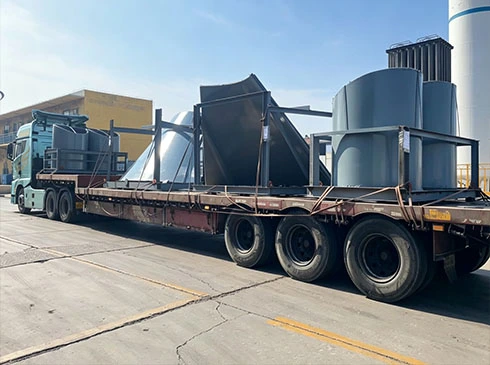
One thing that makes professional update services stand out is that they use modular deployment strategies to keep production as smooth as possible. Most of the work that goes into making, testing, and preparing parts happens when the boiler is running normally. This method limits the length of the real shutdown to necessary tie-in tasks—usually 48 to 72 hours for big upgrades—rather than the weeks-long downtime that comes with replacing the whole system.
Before handing over, commissioning protocols make sure that the upgraded systems meet certain performance goals. This includes testing the hydrostatic pressure of pressure vessels up to 1.5 times their operating pressure, making sure that the flow is evenly distributed across all injection lances, and making sure that the emergency shutdown system works properly so that the coal supply stops within two seconds of being activated. When the project is finished, full documentation is sent to the operators. This gives them detailed maintenance instructions, troubleshooting guides, and performance baseline data that they can use in the future.
Post-Upgrade Support and Performance Optimization
The long-term success of a change depends on the transition time that comes after the system is put into service. During the first few weeks of operation, experienced service providers stay on-site to help with technical issues and make adjustments to settings as workers get used to the new features. Remote tracking access lets expert engineers keep an eye on how the system is working all the time, finding ways to make it work better that might go unnoticed during normal operations.
Every three, six, and twelve months, performance reviews are set up to keep track of gains in efficiency, record maintenance needs, and compare results to original projections. These checkpoints hold people accountable while setting up data-driven maintenance schedules that are based on actual wear patterns instead of manufacturer recommendations. During this phase, training programs are given to plant employees to make sure they learn the skills they need to get the most out of the improved system without ongoing outside help.
Choosing the Right Supplier and Upgrade Service Provider
Evaluating Technical Credentials and Project Experience
The choice of supplier has a big effect on how well an upgrade project turns out. We suggest that you give more weight to partners who can show they are experts in coal injection systems rather than general industrial equipment vendors. Relevant project portfolios should include installations on furnaces that are about the same size and how they work as your facility, with proof of performance improvements to back up claims of abilities.
Certification and credentials in quality management are objective ways to prove that a supplier is qualified. An ISO 9001 quality management certification is the minimum that should be met. Other certifications, like those for making pressure vessels or installing electricity in dangerous areas, show that the person has specific skills that are useful for upgrading injection systems. Suppliers' ability to meet compliance requirements can be judged by references from past clients who worked in similar regulatory environments.
Customization Capabilities and Technical Support Infrastructure
The way different sites use blast furnaces is very different because the raw materials, furnace shapes, and ways of doing things are all very different. Upgrade providers that offer basic options that don't take these factors into account rarely give the best results. The best relationships are ones where sellers take the time to understand your business and then come up with custom solutions that meet your specific needs and limitations.
Comprehensive support infrastructure sets great suppliers apart from average ones. This includes technical helplines staffed by engineers instead of call center workers, kept inventories of critical spare parts that can be quickly replaced when they break down, and training programs that give your maintenance teams the skills they need to do routine maintenance without outside help. These skills are more important in the years after installation than when the project is first being carried out.
Commercial Terms and Long-Term Partnership Potential
Clear scope lines and transparent pricing systems help you stick to your budget and avoid disagreements during project execution. Costs for engineering design, buying equipment, installation services, commissioning activities, and support after installation should all be broken down in detailed proposals. This way, people can make smart choices about which parts to get from inside or outside the company.
When engaging the upgrading service for the blast furnace coal injection system, warranty terms should be carefully looked over for more than just how long they last. Full warranties cover more than just broken parts. They also promise certain levels of performance, like guarantees that the improved system will reach certain injection rates and stability factors. These performance-based warranties are a better way to match the interests of your suppliers with your business goals than standard defect coverage alone.
Future Trends and Innovations in Blast Furnace Coal Injection Systems
Digital Transformation and Predictive Analytics
Putting advanced monitors along the paths used for coal input creates huge amounts of data that describe how the system works in a way that has never been seen before. Machine learning algorithms that are trained on this data find small patterns that show when parts are about to break. This lets maintenance workers know when problems will happen and fix them before they do. With this feature, maintenance approaches can change from reactive problem-solving or time-based avoidance to condition-based optimization.
Digital twin technology, which creates virtual copies of real injection systems, lets managers test planned changes to operations before putting them into action. Changing the fineness targets for the coal, the injection rate profiles, or the levels of oxygen enrichment can be tested in a digital environment to see what might happen without putting the furnace's stability at risk. This simulation feature speeds up operational optimization while lowering the risks that come with testing new ideas on real production equipment.
Environmental Regulations Driving Innovation
Around the world, stricter rules on emissions are driving new developments in continuous injection systems. Next-generation designs have better dust collection in the grinding circuits, better sealing in the transport systems to reduce fugitive emissions, and more advanced tracking of burning to make sure that all the coal is used up in the raceways. These changes that are better for the environment often have side effects like lower upkeep costs and better pumping efficiency.
New ways of pricing carbon in many places make it financially worthwhile to increase coal-to-coke replacement ratios. Each percentage point increase in the replacement ratio directly lowers the amount of carbon dioxide released per tonne of hot metal. This creates carbon credits that can be traded or gets rid of the need to pay carbon taxes. This economic aspect raises the performance of the pumping system from a practical issue to a strategic one, which affects the facility's ability to compete.
Modular and Scalable System Architectures
Progressive upgrade plans use flexible design ideas that let improvements be made gradually as practical needs change. Instead of replacing whole systems when they need to be upgraded, modular architectures let you replace just a few subsystems at a time. For example, you can upgrade control systems without replacing any mechanical parts. This method lowers the risk of technological obsolescence while keeping the value of capital investments for longer periods of time.
Scalability issues are especially important for facilities that want to increase their production capacity. Injection systems that are built with extra space for more work can be used when furnaces get bigger or productivity goes up without having to be completely redesigned. This method that isn't dependent on the present offers better long-term value, even if it may require a bigger initial investment than systems that are only optimized for the current working conditions.
Conclusion
Upgrading blast furnace coal input systems is a smart investment that pays off in many ways, including lower fuel costs, better environmental performance, more reliable operations, and longer furnace life. This guide gives procurement workers and engineering teams a complete plan for making upgrade choices, from evaluating performance at the start to choosing a seller and making sure things work best in the long term, all within the framework of the Upgrading Service for the Blast Furnace Coal Injection System. As environmental concerns grow and the steel industry's profit margins stay tight, plants that have modern, energy-efficient coal injection infrastructure stay ahead of the competition. These advantages grow over time as the plants are used. Operators who are ahead of the curve will be able to easily adapt to new technologies and changing business needs over the next few decades thanks to flexible, digitally enabled systems that are becoming industry standards.
FAQ
1. What ROI can facilities expect from coal injection system upgrades?
After upgrading their systems, most integrated steel plants see a return on their investment in 8 to 14 months. The main reason for this fast payback is a big drop in the amount of coke that is used. Depending on the quality of the coal and how well the injection system works, each kilogram of coal injected usually replaces 0.85 to 0.95 kilograms of metallurgical coke. Less expensive energy for grinding and less money spent on repairs add to the savings. Facilities that use big blast furnaces to make a lot of things naturally get their money back faster than smaller ones.
2. How do upgraded systems address coal dust explosion risks?
Multiple layers of protection are part of comprehensive safety strategies. Monitoring the levels of carbon monoxide and oxygen in enclosed spaces in real time lets people know early on when the atmosphere could become explosive. When sensor readings get close to certain levels, automatic inertization systems go into action and flood the affected areas with nitrogen or carbon dioxide before they become a fire risk. If other safety steps don't work, explosion venting that meets ATEX and NFPA standards is the last line of defense. Protective systems stay fully functional throughout their working lifetimes thanks to regular inspection routines and maintenance processes.
3. Can upgrades proceed without complete furnace shutdowns?
With modular implementation strategies, most of the installation and testing can be done while production is still going on as usual. Fabrication, subassembly, and cold testing all happen at the same time that the kiln is running. Short planned outages—usually every 48 to 72 hours for big projects—are needed only for final tie-in activities that connect upgraded parts to active process streams. This method keeps workers safe during the implementation phases and interrupts production as little as possible.
4. What service life improvements do upgraded components deliver?
When compared to traditional carbon steel designs, parts made of a high-chromium alloy with advanced ceramic lining in high-wear areas last a lot longer. When these high-quality materials are used to make injection lances, pipeline bends, and distribution parts, they often last longer than 300% longer than standard parts. This makes the parts last longer, which means they need to be replaced less often, require less upkeep work, and cost less to keep in stock throughout the system's working lifecycle.
5. How do upgrades improve coke replacement ratios?
Optimizing the fineness of the coal to meet higher R90 index standards, making the oxygen enrichment lance designs better to increase combustion efficiency in the raceways, and controlling the flow precisely to make sure that the coal is evenly distributed across all tuyeres all lead to higher replacement efficiency. These improvements make it possible for the coal to be completely burnt with little unburned char left over. This means that each kilogram of pumped coal saves the most coke. With the right coal quality, modern systems often get replacement rates above 0.90, while older systems usually get them between 0.75 and 0.85.
Partner with SMEC for Advanced Coal Injection Solutions
As a company with a lot of engineering skills and a manufacturing base, SMEC has a track record of success in updating coal injection systems. Our specialized team of 30 senior engineers works with clients to create custom upgrade plans that solve the operational problems and improve the performance of your facility. As a reliable provider of pulverized coal injection equipment, we offer full solutions, from diagnosing the problem to installing, starting up, and providing ongoing expert support. Our factories are in Shanxi Province, which is China's main hub for heavy and energy industries. They make high-durability parts that meet international quality standards, and our committed after-sales service makes sure that equipment keeps working well for its whole life. Email our engineering team at project@smec.cc to set up a free evaluation of your injection system and get a detailed proposal on how SMEC's Upgrading Service for the Blast Furnace Coal Injection System can help your blast furnace work better.
References
1. Babich, A., Senk, D., & Gudenau, H.W. (2009). Ironmaking Textbook. Mainz: Department of Ferrous Metallurgy, RWTH Aachen University.
2. Geerdes, M., Chaigneau, R., & Kurunov, I. (2015). Modern Blast Furnace Ironmaking: An Introduction. Amsterdam: IOS Press.
3. Worrell, E., Price, L., Neelis, M., Galitsky, C., & Zhou, N. (2008). World Best Practice Energy Intensity Values for Select Industrial Sectors. Berkeley: Lawrence Berkeley National Laboratory.
4. International Energy Agency. (2020). Iron and Steel Technology Roadmap: Towards More Sustainable Steelmaking. Paris: IEA Publications.
5. Carpenter, A.M. (2006). Coal Use in the Iron and Steel Industry. London: IEA Clean Coal Centre.
6. Zhao, J., Zuo, H., Wang, Y., Wang, J., & Xue, Q. (2020). Development and application of pulverized coal injection technology in a blast furnace. Journal of Iron and Steel Research International, 27(1), 1-12.
Free consultation & volume discounts available
SEMC focuses on the entire metallurgical process—from coking, ironmaking, and steelmaking to continuous casting and rolling. Whether you face challenges related to equipment upgrades, energy efficiency optimization, or overall process transformation, please fill in the following information. Our technical team will provide you with tailor-made high-end equipment upgrade solutions and professional EPC design services to help your project be implemented efficiently.
Recommended Blog
Understanding the Structure of a Blast Furnace Three-Ring Cone Scrubber
How to Select the Best Blast Furnace Renovation Contractor
The Working Principle of Blast Furnace Water-Cooled Valves
How to Ensure Environmental Compliance with Blast Furnace Gas Purification
Blast Furnace Tower Equipment: Modular vs Traditional Designs
How Does a Blast Furnace Drill Rod Replacement Device Work?