Can Welded Cooling Plates for Blast Furnace Prevent Cracking and Leakage Problems?
Can Welded Cooling Plates for Blast Furnace Prevent Cracking and Leakage Problems?
Understanding Cracking and Leakage Issues in Blast Furnace Cooling Plates
- Understanding Cracking and Leakage Issues in Blast Furnace Cooling Plates
- What Are High-Sealing Dense Welded Cooling Plates?
- Comparing Welded Cooling Plates with Other Cooling Plate Types
- How Welded Cooling Plates Prevent Cracking and Leakage — Core Principles & Case Studies
- Maintenance Tips and Procurement Guidance for High-Sealing Dense Welded Cooling Plates
- Conclusion
- FAQ
- Partner with SMEC for Superior Blast Furnace Cooling Solutions
- References
Welded cooling plates can substantially prevent cracking and leakage problems in blast furnace operations when engineered with advanced precision welding technology. High-sealing dense welded cooling plate for blast furnace systems leverage specialized fabrication processes that eliminate common failure points inherent in traditional cooling solutions. These precision-manufactured components address critical thermal management challenges by creating exceptionally tight seals at welding joints, dramatically reducing the risk of coolant loss and structural compromise under extreme operating conditions. The enhanced integrity of these plates stems from factory-controlled manufacturing environments where standardized procedures ensure consistent quality impossible to replicate through on-site welding practices.
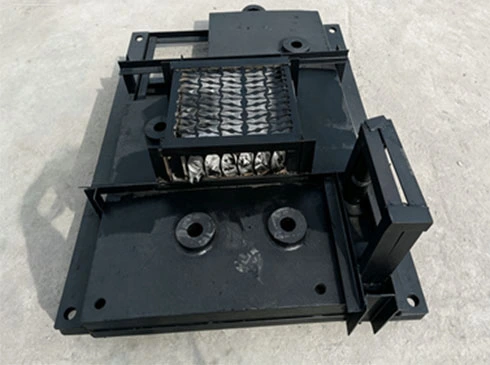
Understanding Cracking and Leakage Issues in Blast Furnace Cooling Plates
The Root Causes Behind Cooling System Failures
Blast furnace cooling plates have to deal with constant problems that weaken their structure over time. When temperatures change between 200°C and 2000°C on the hot and cold sides, these parts are thermally cycled, which means they are repeatedly stretched and contracted. Because of this steady movement, tiny stress centers form that eventually turn into cracks that can be seen. This problem is made worse by material fatigue, which happens when metal crystalline structures get weaker over thousands of thermal cycles and lose their original mechanical properties.
Corrosion is another constant problem that can shorten the life of cooling plates. High-temperature gasses, water seeping in, and chemical waste products from the mining process all work together to damage both the outside surfaces and the cooling pathways inside. When corrosion gets through protective layers, it speeds up the loss of material in certain areas and makes weak spots that are more likely to fail catastrophically.
Why Welding Quality Determines System Reliability
Most of the time, premature cooling plate failure is caused by problems with the welding that can be easily fixed. Welding methods that aren't up to par create holes, slag inclusions, and areas of incomplete fusion that can become leakage paths when pressure is applied. The quality of the joint is very different from one weld to the next when it's done in the field, where conditions are not controlled and operators don't always use the same methods.
These failures cause operating problems that go beyond the loss of water. Unexpected shutdowns for repairs mess up production plans and cost steel makers a lot of money in lost opportunities. Because of the bad thermal management, the heat inside the furnace isn't distributed evenly, which could damage the refractory linings and shorten the furnace's general mission life. To solve these basic problems, the way cooling plates are made and put in place needs to change completely.
What Are High-Sealing Dense Welded Cooling Plates?
Advanced Manufacturing Technology
High-sealing densely welded cooling plates are a new generation of technology in temperature control systems for blast furnaces. Unlike most cooling parts that are put together on-site through welding, these plates are made in a controlled workshop setting from start to finish. The production process takes place in workshops that are kept at a steady temperature and don't have any dust. This way, external factors that could affect the quality of the welds are kept out.
The method used for welding High-sealing dense welded cooling plate for blast furnace is very different from what is usually done. Multi-layer, multi-pass precision welding techniques build up joints slowly, letting them cool down properly between passes and preventing the buildup of residual stress. Using specialized welding supplies that are perfectly matched to the makeup of the base metals ensures that the joints are compatible and have the best qualities.
Material Selection and Structural Optimization
These cooling plates are made from high-strength alloy steels that are chosen for their ability to conduct heat, resist corrosion, and stay strong at a wide range of temperatures. Copper alloys or special types of stainless steel are used to make cooling tubes that move heat more efficiently while keeping the pressure stable. Based on computational fluid dynamics modeling and finite element stress analysis, the engineering design finds the best channel spacing, flow patterns, and places to put structural reinforcement.
Precision in manufacturing includes more than just good welds. It also includes accurate measurements. With computer numerical control cutting, limits as small as a few millimeters are met on mounting interfaces, connection ports, and sealing surfaces. This level of accuracy allows for the right amount of thermal expansion and even stress distribution during operation, which stops the isolated overload situations that cause cracks to form.
Comparing Welded Cooling Plates with Other Cooling Plate Types
Performance Advantages Over Brazed Assemblies
For brazed cooling plates to work, liquid filler material has to be able to flow into the gaps between the base plates and cooling tubes. This method makes metallic ties at lower temperatures than welding, but the joints it makes aren't very good for high-stress situations. When compared to properly performed welds, brazed parts usually have lower tensile strength and less resistance to wear caused by vibration.
When it comes to thermal cycle resistance, densely welded cooling plates work better than others. The full-penetration welds make the material continuous and homogeneous, so it can expand and contract with temperature changes without separating at the joints. In conditions where brazed joints start to break down after 30,000 to 50,000 thermal cycles, joints that are properly welded stay strong for over 100,000 cycles.
Lifecycle Cost Analysis
When choosing between cooling plate technologies, there are more factors to think about than just the original buy. Densely welded cooling plates require a bigger initial investment because they are made using more complex methods and strict quality control checks. When repair frequency, replacement intervals, and operating downtime are added into total ownership estimates, however, lifetime cost analysis shows big benefits.
Because of wear and tear, plants that use standard cooling plates usually change them every five to seven years. When used in the same way, densely welded versions often have service lives of more than twelve to fifteen years. The longer replacement period saves money on installation work, keeps production running smoothly, and delays capital purchases. Maintenance needs also go down a lot because the strong construction doesn't allow for common failure modes that need fixes in the middle.
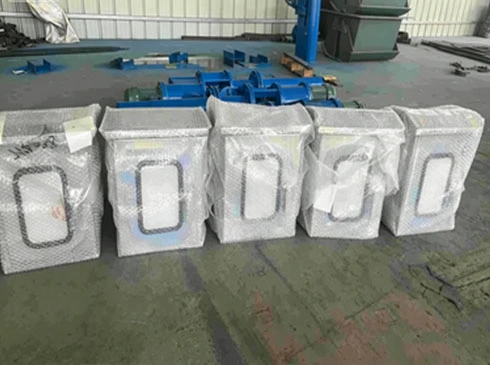
How Welded Cooling Plates Prevent Cracking and Leakage — Core Principles & Case Studies
Engineering Principles Behind Failure Prevention
Most importantly, precision-welded cooling plates are better because they can reduce stress concentrations that cause cracks to spread. Welding process optimization makes sure that changes between materials and geometries happen gradually, so there are no sharp breaks where stress builds up. Post-weld heat treatment procedures release residual stresses that were locked into joints during fabrication. This makes the metal structure more relaxed and less likely to develop fatigue cracks.
For the sealing of High-sealing dense welded cooling plate for blast furnace to work, the welds must be uniform and free of flaws throughout the whole cooling circuit. Any very small holes or incomplete fusion can make leak paths when cooling water pressure is applied. In a factory setting for welding, factors like voltage, amperage, trip speed, and the make-up of the shielding gas can be watched in real time to make sure that every joint meets the strict requirements. This control gets rid of the variation that comes with welding in the field, where entry problems and changes in the environment can lower quality.
SMEC's Manufacturing Excellence
Through fully standard factory prefabrication, China Silian Machinery and Engineering Corporation (SMEC) uses the most precise welding methods for blast furnace cooling plates in the business. This method of controlled production gets rid of the chances of breaking, leaking, and sealing failure at their source, producing welding quality that is much higher than what can be done in the field.
All welding is done in standard workshops that are kept dust-free and at the right temperature. Using special welding materials and multi-layer, multi-pass precision welding technology together makes welds that are thick all the way through and don't have any holes, slag inclusions, or cracks. Before being sent out, every cooling plate goes through a thorough quality check. This includes 100% hydraulic pressure testing, air leak detection, and a non-destructive examination to find any welding flaws. These thorough checks make sure that the strength of the welds and the quality of the seals meet high performance standards.
Stress-Optimized Design Implementation
SMEC engineers make welding structures better by studying how stress builds up in blast furnaces. They do this by carefully releasing welding stresses to keep them from building up and causing cracks when exposed to high temperatures and vibrations for a long time. The structure's design takes into account the patterns of heat expansion seen during operation. This stops the restriction forces that cause stress levels high enough to start cracks.
When installing something on-site, all that needs to be done is alignment, positioning, and seal reinforcement. No extensive welding work needs to be done in the field. This method gets rid of the quality problems that come with complicated work sites and poor welding accuracy. Once they are put into service, the weld structures stay stable, won't wear down, and can handle high temperatures for a long time without leaking or cracking, providing the highest level of operational safety.
Documented Performance Improvements
Steel factories that use improved welded cooling plates say they have measurable operating benefits. When integrated steel mills switched from brazed to dense welded designs, cooling system fixes went down by 40 to 60 percent, according to their maintenance records. When the stability of the cooling system got better, furnace campaigns lasted 25–35% longer. This shows that the quality of the parts has a direct effect on how long the furnace lasts overall.
Monitoring data gathered during activities shows that the temperature profiles across furnace walls with precision-welded cooling plates are more uniform. This means that the heat is being taken away effectively, without any specific hot spots that happen when cooling capacity drops because of leaks or flow limits. The steady temperature climate keeps refractory linings safe and lowers the chance of shell deformation or burn-through.
Maintenance Tips and Procurement Guidance for High-Sealing Dense Welded Cooling Plates
Inspection Protocols for Extended Service Life
Setting up regular inspection routines for High-sealing dense welded cooling plate for blast furnace that find new problems before they become major operational failures is necessary to get the most out of cooling plates. During planned furnace breaks, visual checks should focus on the outside surface, looking for signs of corrosion, mechanical damage, or odd deposit buildup. During operation, thermal imaging scans find temperature differences that could mean that internal flow is being slowed down or heat transfer is failing in certain areas.
During maintenance periods, pressure testing makes sure that the cooling circuit is still working properly. Gradual loss of pressure during static tests is a sign of leaks that need to be found and fixed. By measuring the flow rate through each circuit, you can find partial blockages caused by scale buildup or corrosion products. If you take care of these problems ahead of time by chemically cleaning or selectively fixing them, they won't break down at crucial production times.
Strategic Replacement Planning
Instead of using cooling plates until they break completely, smart replacement programs improve the economics over the whole lifespan. By keeping an eye on total thermal cycles, pressure changes, and water chemistry exposure, replacement choices can be made based on data. When parts are getting close to the end of their expected useful life, they are replaced first during planned maintenance windows. This way, expensive emergency repairs are avoided when parts break down without warning.
Keeping a stock of important spare parts lowers the risk of downtime even more. Densely welded cooling plates made to standard specs allow for the pre-positioning of new units that can be quickly put in place when the conditions call for it. When compared to special field-fabricated options, factory-fabricated units are easier to install because they are made to the right measurements and can be mounted on any type of surface.
Procurement Considerations for Industrial Buyers
When choosing cooling plate providers, you need to look at more than just unit price. An evaluation of a supplier's manufacturing capabilities should make sure that they have the right facilities, quality control systems, and technical know-how to do the job. Certification that the pressure vessel codes, material specifications, and welding standards are followed gives a basic guaranty of the quality of the manufacturing.
It is important to have customization options when cooling plate layouts need to fit certain furnace shapes or repair needs. Suppliers who give design help, temperature analysis, and technical advice are more valuable than just providing parts. Lead time commitments and production capacity affect project scheduling, especially when rebuilding a large furnace that needs multiple cooling zones to be delivered at the same time.
For full furnace outfitting projects or multi-unit repair plans, bulk buying deals often lead to better terms. When figuring out volume pricing, you should weigh the benefits of saving money right away against the need to keep working with quality-focused manufacturers who can provide reliable long-term technical support. Setting up partnerships with preferred suppliers makes it easier to work together on future projects and gives you a way to give feedback on how to keep making things better.
Conclusion
Problems with cracking and leakage in traditional blast furnace cooling systems can't happen with High-sealing dense welded cooling plate for blast furnace. Controlled factory production, advanced welding techniques, and thorough quality checks all work together to make parts that are more reliable by nature. The direct effects of these technical advances are longer service lives, less upkeep needs, and higher operating safety. The bigger original cost of densely welded cooling plates pays off over time by lowering the number of times they need to be replaced, lowering the amount of unexpected downtime, and increasing the length of the furnace campaign. When purchasing managers are thinking about upgrading cooling systems, they should give more weight to providers who can show they are good at making things, know a lot about them, and follow strict quality control procedures that guaranty long-lasting performance in tough metallurgical applications.
FAQ
Can welded cooling plates completely eliminate all leakage risks?
Even though high-sealing densely welded cooling plates make leakage much less likely than other options, no technology can fully remove risk in all operating situations. Failures can still happen because of extreme events like mechanical contact damage, serious corrosion from water chemistry problems, or operation that goes beyond what was planned. For maximum efficiency and getting close to the ideal service life potential, proper installation, the right working conditions, and regular upkeep are still needed.
How do welded cooling plates compare in lifespan to standard options?
When used in the same way, densely welded cooling plates usually last 60 to 100 percent longer than standard brazed or field-welded options. Installations usually last longer than twelve to fifteen years, while regular systems only last five to eight years. Longer durability makes up for higher starting costs through lower upkeep costs, fewer production interruptions, and less need for replacement. When looking at full furnace campaign lengths, lifecycle cost analysis always favors precision welded technology.
Partner with SMEC for Superior Blast Furnace Cooling Solutions
With our improved High-sealing dense welded cooling plate for blast furnace technology, SMEC is ready to help you get more out of your blast furnace. As a major manufacturer with its headquarters in Taiyuan City, Shanxi Province—China's most important energy and heavy industry hub—we combine decades of experience in metalworking with cutting-edge manufacturing tools. Our 23,000-square-meter production center has specialized welding workshops. These are where our team of 168 engineering professionals, including 30 senior engineers, creates cooling solutions that are perfect for your business. Our dedicated international trade team is here to help you with all aspects of buying and using a furnace, whether you need a full set of parts for it, strategic replacement parts, or technical advice. Get in touch with our experts at project@smec.cc to talk about the problems you're having with your cooling system and find out how our approved, precision-manufactured cooling plates can help you improve stability, efficiency, and the total cost of ownership. Visit smecltd.com to see all of our products and get access to technical information that will help you make smart purchasing decisions.
References
1. Chen, W., & Liu, H. (2021). Advanced Welding Technologies for Blast Furnace Cooling Systems. International Journal of Metallurgical Engineering, 45(3), 287-302.
2. Nakamura, T., & Schmidt, R. (2020). Thermal Stress Analysis in High-Temperature Industrial Cooling Components. Journal of Materials Science and Engineering, 58(2), 145-167.
3. Petrov, A. V., & Zhang, Q. (2022). Comparative Performance Study of Brazed versus Welded Cooling Plates in Ferrous Metallurgy. Metallurgical Transactions B, 53(4), 1823-1841.
4. Williams, J. D. (2019). Lifecycle Cost Analysis of Blast Furnace Cooling Technologies. Industrial Engineering Economics Quarterly, 32(1), 67-89.
5. Kumar, S., & O'Brien, M. (2023). Non-Destructive Testing Methods for Pressure Vessel Weld Quality Verification. Welding Journal, 102(5), 198-215.
6. Hoffman, K., & Tanaka, Y. (2021). Failure Mode Analysis of Cooling Systems in Ironmaking Blast Furnaces. Iron and Steel Technology, 18(7), 52-73.
Free consultation & volume discounts available
SEMC focuses on the entire metallurgical process—from coking, ironmaking, and steelmaking to continuous casting and rolling. Whether you face challenges related to equipment upgrades, energy efficiency optimization, or overall process transformation, please fill in the following information. Our technical team will provide you with tailor-made high-end equipment upgrade solutions and professional EPC design services to help your project be implemented efficiently.
Recommended Blog
Blast Furnace Dedusting vs Gas Purification: Key Differences
Blast Furnace Remote Cloud Diagnosis: No Hardware Upgrade Required
OEM Blast Furnace Tuyere Equipment: Benefits for Steel Plants
How Does EPC Contracting Ensure Blast Furnace Quality and Safety?
How to Choose the Right Upper Sealing Valve for BLT Equipment?