Integrated Blast Furnace Tower Equipment Solutions for Modern Steel Plants
Integrated Blast Furnace Tower Equipment Solutions for Modern Steel Plants
Understanding Blast Furnace Tower Equipment and Its Role in Steel Plants
- Understanding Blast Furnace Tower Equipment and Its Role in Steel Plants
- Common Challenges and Maintenance Strategies for Blast Furnace Tower Equipment
- Comparison and Selection Criteria for Blast Furnace Tower Equipment Solutions
- Latest Technologies and Trends Shaping Blast Furnace Tower Equipment
- Procurement Guide for Blast Furnace Tower Equipment
- Conclusion
- FAQ
- Partner with SMEC for Reliable Blast Furnace Tower Equipment
- References
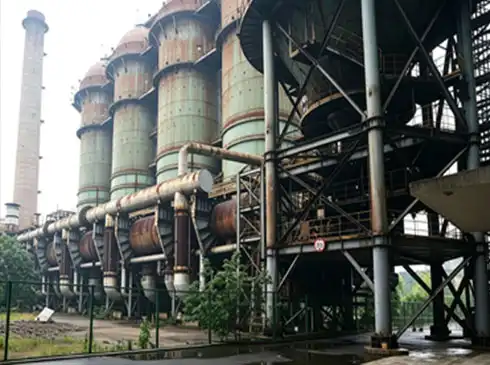
Modern steel manufacturing requires precision-engineered infrastructure that can resist harsh conditions and comply with environmental regulations. Ironmaking facilities depend on blast furnace tower equipment, including the furnace shell, high-line charging systems, top pressure control units, cooling staves, skip hoists, and conveyor towers. This whole assembly continuously converts iron ore into molten pig iron at pressures and temperatures above 1500°C. Modern tower solutions address industrial issues such thermal expansion stability, gas sealing during high-pressure operations, and outdated material transportation system maintenance.
Understanding Blast Furnace Tower Equipment and Its Role in Steel Plants
The Core Components That Drive Ironmaking Efficiency
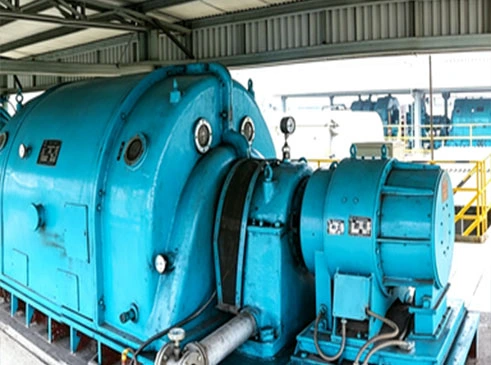
Every blast furnace functioning relies on well-planned tower structure. During mining, gas cleaning devices and integrated cooling systems maintain the proper temperature. Bell-less top charging systems, which distribute raw materials precisely, depend on the tower assembly. A furnace dropping or slipping might stop output for days, therefore blast furnace tower equipment is crucial.
How Advanced Systems Maintain Operational Stability?
The contemporary tower framework's expansion joints allow the furnace shell and support structure to move individually. This engineering solution prevents temperature cycling stress fractures and maintains millimeter alignment precision. The tower's gas cleaning systems collect pollutants before they reach the air. This helps plants fulfill EPA pollution standards without delaying output. Well-coordinated systems produce a regulated chemical environment for fast, efficient reduction. This directly reduces coke usage and increases iron production.
Supporting Compliance Through Engineered Solutions
In the steel industry, environmental regulations effect tool specifications. Tower equipment at charging points and secured transfer zones features dust reduction connections to reduce fugitive emissions. The tower structure's real-time monitoring informs operators about gas kinds, pressure, and structure integrity. This information supports U.S. facility safety and reporting standards.
Common Challenges and Maintenance Strategies for Blast Furnace Tower Equipment
Identifying Operational Stressors That Impact Performance
Sulfurous gas corrosion is a continual blast furnace tower equipment maintenance issue. High heat and strong chemicals wear down protective coatings and metal surfaces. Damage to charging equipment connectors produces alignment issues that reduce distribution accuracy. Thermal stress accumulation at structural locations might cause fatigue cracks if not detected early. Repair crews may take precise actions to solve problems before they grow worse and cost more by knowing how they break down.
Preventive Maintenance Programs That Extend Equipment Life
Blast furnace tower equipment requires regular checks to function reliably. Ultrasound and x-rays every three months detect weld fractures before they spread. A 3D laser scan annually ensures the tower's verticality remains within permissible limits, regardless of temperature. Coating integrity tests measure the dry film thickness in vulnerable areas, requiring reapplication before base metal exposure. Compared to reactive maintenance, these proactive actions, frequent lubrication of moving parts, and wear plate replacement at defined periods reduce unplanned downtime by 40 to 60%.
Safety Protocols That Protect Personnel and Assets
Tower equipment repair at high elevations requires safety precautions. Permanent platforms, OSHA-compliant staircases, and fall prevention system tie-offs are modern features. There are severe requirements for working in gas tubes and cooling rooms, where hazardous gasses and lack of air are deadly. Depressurizing and furnace banking are part of tower equipment breakdown emergency procedures to help workers handle unforeseen events and avoid harm and lost productivity.
Comparison and Selection Criteria for Blast Furnace Tower Equipment Solutions
Evaluating Structural Materials and Design Standards
Material choice for blast furnace tower equipment affects durability and cost. Low-alloy high-strength steels like Q345R resist heat stress and may be welded for field repairs. In high-duty cycle scenarios, Q390GJR steel quality requirements can extend load-bearing part life. Design standards matter too. Insurance firms and government organizations recognize safety margins in ASME Section VIII pressure tank equipment. ISO 12944-compliant protective covering solutions ensure durability in tough industrial settings.
Performance Characteristics That Match Production Requirements
Charging system capability is a key factor. While maintaining top pressures over 2.5 bar, dual-seal valve technology and bell-less top designs handle throughput. This boosts blast temperatures and fuel economy. The cooling stave shape impacts campaign life. Copper staves with strong thermal conductivity and water cooling preserve refractory linings better than cast iron, although they cost more. How successfully plants clean their gases determines if they can exceed particle pollution limitations without expensive extra treatment systems. Compare these performance criteria to output objectives to determine the optimum equipment setups.
Balancing Standardized Solutions Against Custom Engineering
Standardized tower kits are appropriate for new building projects with standard design requirements due to their speedier shipment and good performance. Custom-engineered solutions are needed for modernizing small buildings or installing by-product recovery systems. When deciding between techniques, consider site-specific factors such foundation size, crane access, utility hookups, and how the new system will function with the existing one. Design support from skilled equipment vendors helps procurement teams manage technical challenges and project budgets and goals.
Latest Technologies and Trends Shaping Blast Furnace Tower Equipment
Automation Systems Transforming Operational Control
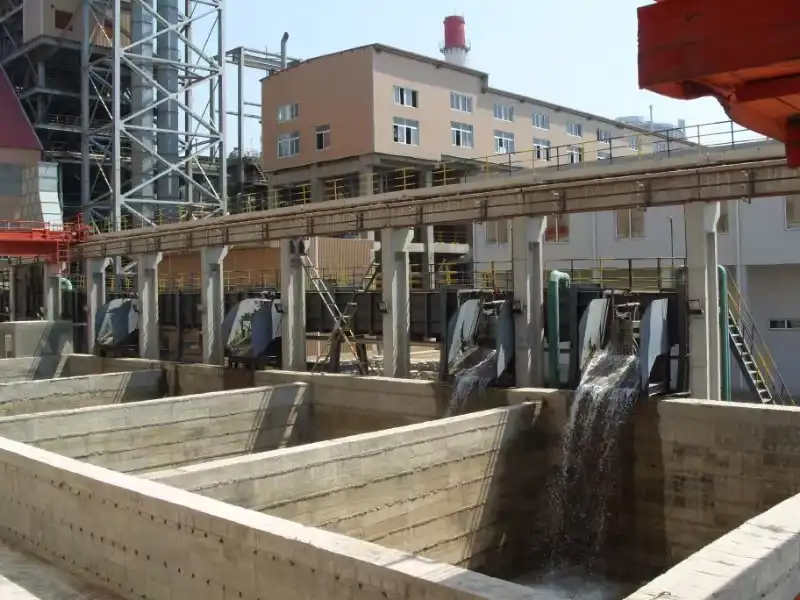
Blast furnace tower equipment maintenance has altered radically using IoT-based tracking systems. Wireless sensor networks monitor structural vibration and mechanical imbalances in spinning machinery before they cause serious damage. Thermal imaging devices at important tower sites detect persistent hot spots and blocked cooling systems, enabling targeted maintenance and preventing unplanned shutdowns. Real-time tracking allows automated charging solutions to optimize material distribution and reduce fuel usage by 3–5% in case studies.
Material Innovations Enhancing Durability
Recently developed metallurgy has produced wear-resistant alloys for blast furnaces. Nickel-chromium-molybdenum steel grades withstand high-temperature sulfidation and maintain impact toughness at room temperature throughout maintenance. High-temperature ceramic composite gas duct linings don't wear down like normal refractories when dust gets in them. Material advancements lengthen maintenance times and minimize lifespan costs, but they must be properly defined for real-world service.
Emission Control Technologies Meeting Stricter Standards
Environmental safety inspires tower equipment designers to innovate. Adding electrostatic precipitators to the tower gas cleaning circuit removes particles with over 99.5% efficiency, fulfilling industrial and city air quality standards. Water-intensive wet scrubbing requires treatment, whereas dry dust collecting doesn't. Advanced charging port seals reduce stray emissions, improving workplace air quality without numerous ventilation systems. These technologies must be invested in as large steel-producing areas tighten restrictions.
Procurement Guide for Blast Furnace Tower Equipment
Supplier Selection Criteria That Reduce Risk
The most crucial step in buying blast furnace tower equipment is verifying that the firm can create them. We recommend assessing suppliers by their production facility size, ISO 9001 certifications, and documented project references from similar sites. Suppliers with in-house design teams might offer innovative ideas and technical documents that simplify permits and installation. After-sales service infrastructure, including spare parts and field service technician response time, dramatically impacts long-term operational costs and uptime performance.
Financial Considerations Beyond Initial Purchase Price
Total cost of ownership studies demonstrate costs beyond tool purchases. Installation expenditures such base work, rigging, and finishing add 30–50% to the equipment's worth. Energy usage is a cost that varies with equipment performance. Cooling water and clean gas circulation systems are significantly affected. Equipment types require various maintenance parts and personnel. Some arrangements require vendor-supplied tools or services, which increases annual running expenditures. Lease agreements and deferred payment arrangements might help you finance capital investments while maintaining operating cash flow.
Technical Specifications That Ensure Compatibility
When new equipment is purchased and compared to plant equipment, detailed design documents prevent costly mistakes. The electrical supply (voltage, frequency, phase configuration), cooling water quality (temperature, hardness, suspended particles), and shipping and installation size limits are crucial. Systems that move items, perform processes, and connect to utilities must have defined interface demands. The warranty should state performance promises, fault coverage, and the supplier's beginning assistance. Clear requirements throughout the purchase process eliminate concerns that might delay and increase prices.
Conclusion
Integrated blast furnace tower equipment choices are expensive investments that will effect furnace performance and environmental compliance for decades. You must carefully consider structural materials, performance capabilities, and supplier standards to determine the correct solutions for your organization. Robotics, materials science, and pollution control upgrades make ironmaking facilities more efficient. Strategically buying anything means considering all of its costs during its lifetime, not just the initial price. This buying method provides higher long-term value and consistent performance in challenging conditions.
FAQ
What service life can operators expect from quality blast furnace tower equipment?
Specification-grade steel used to build structural tower components lasts 20–30 years with adequate maintenance. However, mechanical charging systems and spinning tools need extensive overhauls every 5–8 years. Longevity varies on usage, maintenance, and raw material qualities.
How do modern designs accommodate thermal expansion without structural damage?
Engineers create movable support structures and expansion joints to separate the furnace shell and tower framework. This strategy reduces stress and early failure while maintaining alignment precision for charging operations.
Are customization options available to match specific production requirements?
Reliable manufacturers allow you to modify the charging system, gas cleaning, and refit structure. Engineering teams collaborate with plant operators to develop site-specific solutions that achieve output targets.
Partner with SMEC for Reliable Blast Furnace Tower Equipment
SMEC supplies entire blast furnace tower equipment systems for modern ironworks' harsh circumstances. We use cutting-edge design and production expertise from years in the metalworking industry to supply blast furnace tower equipment backed by Taiyuan Silian Heavy Industry Group. Our 168-person technical team, including 30 outstanding engineers, helps choose tools, organize installations, and ensure seamless operations. Contact our specialists at project@smec.cc to learn how customized tower equipment may improve building efficiency, environmental protection, and reliability. We provide comprehensive paperwork, quality certifications, and after-sales support to ensure our solutions operate with your existing systems.
References
Chen, W., & Liu, H. (2021). Structural Design and Optimization of Modern Blast Furnace Equipment. Metallurgical Industry Press.
American Iron and Steel Institute. (2022). Best Practices in Blast Furnace Operation and Maintenance. AISI Technical Report Series.
Kumar, S., & Patel, R. (2020). "Advanced Materials for High-Temperature Metallurgical Equipment." Journal of Iron and Steel Research International, 27(8), 891-904.
Zhang, Y., et al. (2023). "Emission Control Technologies in Modern Blast Furnace Systems." Environmental Engineering in the Steel Industry, 15(2), 134-149.
Bergman, T. (2019). Economic Analysis of Blast Furnace Equipment Procurement and Lifecycle Costs. Industrial Economics Publishing.
International Iron and Steel Institute. (2022). Safety Standards for Blast Furnace Tower Operations and Maintenance. IISI Safety Guidelines, 4th Edition.
Free consultation & volume discounts available
SEMC focuses on the entire metallurgical process—from coking, ironmaking, and steelmaking to continuous casting and rolling. Whether you face challenges related to equipment upgrades, energy efficiency optimization, or overall process transformation, please fill in the following information. Our technical team will provide you with tailor-made high-end equipment upgrade solutions and professional EPC design services to help your project be implemented efficiently.
Recommended Blog
Why Steel Plants Prefer Custom Blast Furnace Tuyere Equipment?
Common Problems in Three-Ring Cone Scrubbers and How to Fix Them
The Working Principle of Blast Furnace Water-Cooled Valves
Best Materials for Blast Furnace Tuyere Equipment Explained
Comparing Different Types of Blast Furnace Tuyere Equipment
What to Look for in Blast Furnace Tower Equipment Suppliers