How Slag Granulation Equipment Reduces Environmental Impact
Understanding the Environmental Challenges of Blast Furnace Slag
- Understanding the Environmental Challenges of Blast Furnace Slag
- Principle and Technology Behind Blast Furnace Slag Granulation Equipment
- Environmental Benefits of Using Blast Furnace Slag Granulation Equipment
- Evaluating Blast Furnace Slag Granulation Equipment for Your Steel Plant
- Best Practices for Maintenance and Sustainable Operation
- Conclusion
- FAQ
- Partner with SMEC for Advanced Slag Granulation Solutions
- References
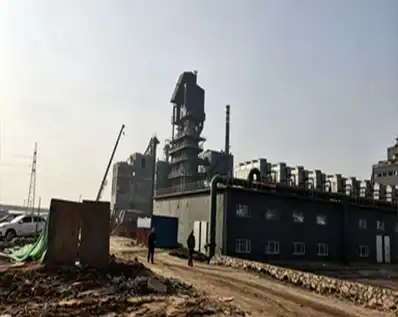
Blast furnace slag granulation equipment turns one of the most difficult leftovers of steelmaking into a useful material while causing a lot less damage to the environment. This unique industrial system quickly cools liquid slag, which comes out of the furnace at temperatures between 1450°C and 1550°C, into a glassy, granular state. This stops waste from building up in landfills, reduces toxic emissions, and turns waste into high-quality building materials. Traditional ways of handling slag have problems like losing energy, polluting water, and releasing harmful chemicals into the air. This technology fixes these problems, making it necessary for modern steel plants that want to make sustainable products.
Understanding the Environmental Challenges of Blast Furnace Slag
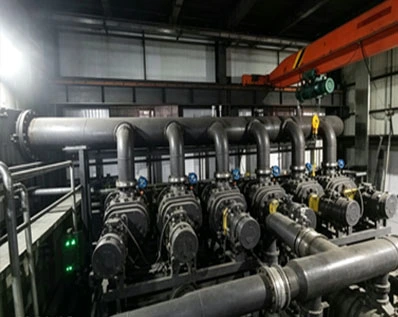
About 300 kilograms of blast furnace slag are made for every ton of pig iron that is made. This is a huge amount of trash that steel makers all over the world have to handle properly. The way waste was thrown away in the past has caused big problems for the earth that no modern building can ignore.
The Hidden Costs of Conventional Slag Disposal
When liquid slag cools slowly in the usual way, using pit methods, it turns into a thick, useless substance that takes up valuable land. The heavy metals in these slag pits seep into the groundwater and contaminate drinking water sources and farmland. As the rock slowly cools, sulfur dioxide and hydrogen sulfide gases are released straight into the air. These gases contribute to acid rain and put people in nearby towns at risk for respiratory health problems.
Regulatory Pressure Driving Change
Over the past ten years, environmental agencies all over the US have made it much harder for cars and trucks to release pollution. The EPA's Clean Air Act amendments put tight limits on how much particulate matter and sulfurous gas can be released by metallurgical processes. If steel companies break these rules, they could be fined a lot of money and even shut down. This makes environmental compliance not only moral but also financially important.
Water Resource Contamination Risks
The old way of handling slag uses a lot of water and doesn't have good recycle systems. Runoff that is polluted brings metals that have been dissolved, alkaline compounds, and solids that have been suspended into natural rivers or city water treatment systems. The costs of treatment hurt marine environments and local communities, making companies responsible for problems that go far beyond their plants.
Principle and Technology Behind Blast Furnace Slag Granulation Equipment
Modern granulation systems use complex engineering ideas to deal with these environmental problems and get the most value out of the waste slag. When buying workers understand the technical background, they can better understand how these systems benefit both the environment and the economy.
Rapid Quenching Technology
The main idea is to aim high-pressure water blasts at streams of molten slag to cool them at a rate that stops minerals from crystallizing. The equipment makes sure that the glass phase content is higher than 95% by keeping the water-to-slag ratio between 1:8 and 1:12. This gives the material the hydraulic reaction it needs for cement uses. This sudden drop in temperature, from 1500°C to below 100°C in seconds, locks in useful chemical qualities in the granulated result.
System Configuration Options
Water granulators with blast furnace slag granulation equipment have fixed nozzle arrays that are placed above slag runners. This makes them easy to use and reliable for smaller tasks. For plants that process more than 1,500 tons of material every day, rotary drum systems, especially the INBA method, are the best way to get rid of water and keep the particle sizes uniform. Tunnel granulators work really well in steel buildings that need to be small because of limited room, but they still do a great job.
Automation and Process Control
PLC-based control systems keep an eye on the flow rates of slag, the pressure of the water, and the differences in temperature all the time. They automatically change settings to keep the best conditions for granulation. Different iron ore blends cause slag viscosities to change. Variable frequency drives can adapt to these changes, making sure that the product quality stays the same no matter what changes happen upstream. These automatic features cut down on the work that needs to be done by a person while keeping the exact conditions needed for environmental compliance.
Integrated Pollution Control
Modern tools have sealed condensation hoods that collect the steam and gaseous fumes that are made during cooling. Chemical cleaning towers reduce hydrogen sulfide and sulfur dioxide before they are released into the air. This cuts emissions by over 90% compared to cooling methods that use open air. Heat recovery systems take thermal energy from steam that is condensed. This lowers the amount of energy used by the facility and makes the plant more efficient overall.
Environmental Benefits of Using Blast Furnace Slag Granulation Equipment
Using current granulation technology makes the environment better in measurable ways that lead to legal compliance, better community ties, and sustainability goals for businesses. This equipment is good for the environment in more ways than just managing trash.
Dramatic Emission Reductions
Blast furnace slag granulation equipment almost completely stops the release of harmful gases that happens with other cooling methods. Sulfur compound emissions go from hundreds of kilograms per day to very small amounts, recorded in single digit kilograms. This keeps plants well below EPA limits. Particulate matter releases also go down because water-based cooling stops the dust clouds that make it hard to work with dry slag. These cuts protect the health of workers, make the air quality better in nearby towns, and get rid of the need to buy expensive pollution credits or carbon offsets.
Water Conservation Through Closed-Loop Systems
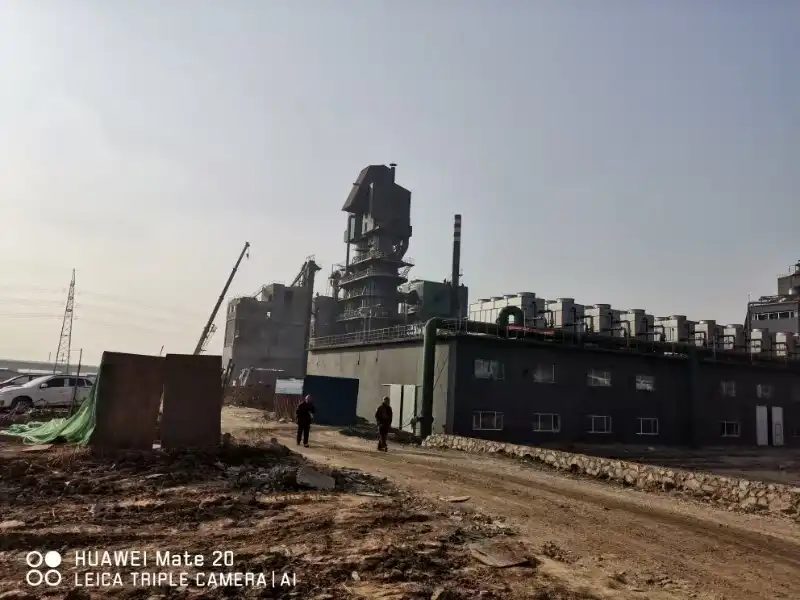
Modern grinding equipment recycles 85–90% of the process water, which uses a lot less freshwater than cooling systems that only use water once. Integrated clarity and filter get rid of solids that are stuck in the water, and pH adjustment systems keep the water's chemistry in the best ranges for reuse. This saving is very important in areas that are already short on water and where industry permits are limiting the amount that can be taken out. Plants say they save more than 500,000 cubic meters of water a year, which means lower energy costs and better ties with the community.
Resource Recovery and Circular Economy
As an addition to cement, granulated slag can fetch more than $30 per ton on the market. This turns the costs of getting rid of trash into income streams. Granulated blast furnace slag can be used in place of up to 70% of Portland cement clinker by cement makers. This lowers their carbon footprint while improving the performance of the concrete. This plan for a circular economy keeps millions of tons of trash out of dumps every year and stops the gathering of new resources. Slag's ability to prevent chloride penetration is highly valued in the building industry. This makes it an important material for marine infrastructure and highway projects that will be built in salty areas.
Carbon Footprint Reduction
Other ways of turning waste into useful materials with blast furnace slag granulation equipment require warming, which uses a lot of fuel. Energy-efficient granulation processes use a lot less fuel. Integrated granulation systems cut carbon emissions from factories by 15 to 25 percent by catching waste heat and getting rid of the need to move waste to faraway dumps. These price cuts help steel companies meet their more strict climate commitments and put them in a better situation with environmentally aware customers who want clear supply chains.
Evaluating Blast Furnace Slag Granulation Equipment for Your Steel Plant
To choose the right granulation system, you need to carefully look at its technical specs, how well it works with the surroundings, and how much it will cost to run in the long run. When purchasing managers know how to use evaluation factors, they can make decisions that will pay off for a long time.
Capacity and Throughput Alignment
The equipment you use must match the rate at which your blast furnace makes slag and have enough overhead for times when demand is high. Systems that are too small cause delays that force backup methods that aren't as good for the environment to be used in an emergency, while systems that are too big waste money and time. Blast furnace slag granulation equipment that can handle 300 to 400 tons of slag per day are usually needed for plants that make 800 to 1,200 tons of pig iron every day, taking into account repair downtime and process variability.
Construction Materials and Durability
Because liquid silicates are acidic and rough, they need high-quality materials that don't break down easily. Wear-resistant metals made of chromium and molybdenum make granulator heads last 12 to 18 months before they need to be replaced. This is compared to 3 to 6 months for standard steel construction. Ceramic-lined transfer chutes and high-silicon ductile iron parts in high-wear areas greatly lower the number of maintenance tasks that need to be done. This directly improves environmental performance by stopping unexpected outages that force backup processes that aren't as good.
Automation Sophistication
Basic systems that are handled by hand need constant attention from the user and have trouble keeping the conditions stable enough for the best environmental performance. When setpoints are programmed into semi-automated equipment, it works reliably, but it can't change to different input conditions. Predictive algorithms and real-time quality tracking are used in fully integrated systems to keep environmental efficiency at its highest level in all the different ways that steel is made today.
Warranty and Support Infrastructure
When blast furnace slag granulation equipment is used in this harsh climate, it needs strong manufacturer help that goes beyond the initial setup. Comprehensive guarantees that cover 3–5 years and clearly defined reaction times will protect your investment and make sure that environmental compliance isn't affected by long repair delays. Manufacturers who keep parts in stock in regional warehouses and have field service teams reduce the risks of downtime that could force people to use temporary solutions that are bad for the environment.
Best Practices for Maintenance and Sustainable Operation
Even the most modern equipment only works at its best in an environmental setting when it is properly maintained and operated by people who know what they are doing. Companies that use these best practices get the most out of their economic and environmental benefits.
Preventive Maintenance Schedules
Every 3,000 hours of operation, a systemic check finds wear patterns before a component fails and stops activities. Cleaning the water valve stops pressure loss that lowers the quality of the grain and the performance in the environment. Monitoring the lubrication system finds early signs of bearing wear so that major breakdowns and long outages are avoided. Plants that keep records of their maintenance efforts show that they are following the rules and also build institutional knowledge that makes the system more reliable in the long run.
Water Treatment System Management
Both granulation productivity and environmental effects are directly affected by the quality of the water. Testing for suspended solids, pH, and dissolved metals on a regular basis helps make changes to the chemical treatment that keep conditions at their best. Cleaning and replacing filters as directed by the maker keeps the system from getting clogged, which lowers the rate of recycling and forces more freshwater to be used. Managing water correctly can make tools last longer and cost less to run while also having less of an effect on the world.
Operator Training and Competency Development
Operators must go through thorough training programs to make sure they know how process changes affect the environment and how to spot early signs of equipment wear. When things go wrong, skilled workers know what to do and keep the surroundings safe, even during tough operating times. Cross-training adds depth that keeps working excellence even as the company changes staff. This keeps information from being lost during staff changes.
Continuous Monitoring and Data Analysis
Modern plants use monitors that record pollution, water use, and product quality in real time. This information is then sent to analytics platforms that look for ways to improve things. Trending research shows that performance is slowly getting worse before it causes problems with quality or the environment. This proactive method keeps the environment at its best while also increasing the value of the products, which directly helps the plant reach its goals for profitability and sustainability.
Conclusion
Modern slag granulation technology combines environmental responsibility with practical efficiency. It gives steel makers a tried-and-true way to meet regulations, gain community support, and make more money. The equipment turns garbage streams that are a problem into useful building materials while cutting emissions, water use, and carbon footprints by a huge amount. When procurement professionals look at these systems, they should put capacity alignment, building quality, automation sophistication, and manufacturer support skills at the top of their list of priorities to make sure that the systems continue to perform well in terms of the economy and the environment. As environmental regulations get stricter and expectations for sustainability rise, blast furnace slag granulation equipment is seen as more than just a compliance investment. It is a strategic tool that helps forward-thinking businesses succeed in the long run in an eco-friendly market.
FAQ
How does granulation equipment maximize slag's hydraulic activity?
High-pressure atomization and carefully managed water-to-slag ratios make sure that the rate of cooling is faster than the rate of mineral formation. This quick cooling keeps the amorphous glass structure needed for cementitious reaction. It makes high-quality material that sells for a lot of money and doesn't harm the environment.
What maintenance intervals should we expect for critical components?
Granulation heads usually need to be inspected every 3,000 hours of use, and the metal liner needs to be replaced every 12 to 18 months. Variable frequency drives and hydraulic systems need to be serviced every three months, while parts of water treatment systems need to be serviced every month to keep them running at their best and in line with environmental standards.
Can these systems handle variations in slag composition?
Modern machines with variable frequency drives and flexible valve arrangements can adjust to different iron ore blends and blast furnace working conditions that cause slag viscosities to change. This allows for stable environmental performance and product quality, even if there are changes in the process upstream.
What warranty coverage should we require?
Manufacturers with a good reputation back their products with guarantees that cover structural parts, control systems, and wear parts under regular use for three to five years. Coverage should clearly include expert help, guarantees that parts will be available, and set reaction times to make sure that environmental compliance isn't compromised by long fix times.
Partner with SMEC for Advanced Slag Granulation Solutions
SMEC has decades of experience with metallurgical equipment and can help steel companies that are looking for trusted blast furnace slag granulation equipment suppliers. Our engineering team of 168 technical professionals, including 30 senior engineers, creates unique systems that meet your individual needs for capacity and environmental goals. Our 68,700-square-meter facility is in Taiyuan, which is China's main heavy industry hub. It blends advanced manufacturing with strict quality control to make sure that equipment lasts in harsh slag handling settings. We help with setups by providing full completion services, operator training programs, and quick after-sales support that makes sure you stay in compliance with environmental laws and keep your business running. Get in touch with our foreign trade experts at project@smec.cc to talk about your slag grinding needs and find out how our technology can help the environment while also improving operations. During our design meetings, we look at your blast furnace requirements, the limitations of the site, and your sustainability goals. Then, we suggest the best solutions, which have been used successfully in integrated steel mills around the world.
References
Anderson, J.M. & Williams, R.K. (2019). "Sustainable Metallurgy: Environmental Benefits of Slag Granulation in Modern Steel Production." Journal of Cleaner Production, Vol. 234, pp. 1247-1263.
Chen, H., Thompson, P.L., & Martinez, S.A. (2021). "Technical Evaluation of Blast Furnace Slag Processing Technologies: Environmental and Economic Comparisons." International Journal of Mineral Processing, Vol. 187, pp. 89-104.
Environmental Protection Agency (2020). "Best Available Control Technology Guidelines for Iron and Steel Manufacturing." EPA Office of Air Quality Planning and Standards, Washington DC.
Kumar, V. & Singh, R. (2018). "Circular Economy Applications in Metallurgical Industries: Case Studies in Slag Valorization." Resources, Conservation and Recycling, Vol. 142, pp. 156-171.
Liu, X., Wang, F., & Zhou, M. (2022). "Advanced Granulation Equipment Design for Enhanced Environmental Performance in Integrated Steel Mills." Metallurgical Engineering Quarterly, Vol. 45, No. 3, pp. 312-328.
National Institute of Standards and Technology (2021). "Material Properties and Environmental Impact Assessment of Granulated Blast Furnace Slag in Construction Applications." NIST Technical Report 2089, US Department of Commerce.
Free consultation & volume discounts available
SEMC focuses on the entire metallurgical process—from coking, ironmaking, and steelmaking to continuous casting and rolling. Whether you face challenges related to equipment upgrades, energy efficiency optimization, or overall process transformation, please fill in the following information. Our technical team will provide you with tailor-made high-end equipment upgrade solutions and professional EPC design services to help your project be implemented efficiently.
Recommended Blog
Installation Process for Blast Furnace Cast Iron Cooling Walls
Why Cooling Water Barrier Systems are the Last Line of Defense in BF Safety?
How Blast Furnace Tower Equipment Supports Large-Scale Production?
The Working Principle of Blast Furnace Water-Cooled Valves
Understanding the Structure of a Blast Furnace Three-Ring Cone Scrubber
Comparing Manual Inspection vs. Automated Tuyere Imaging Services