How Does a Three-Ring Cone Scrubber Work in Blast Furnace Gas Cleaning?
How Does a Three-Ring Cone Scrubber Work in Blast Furnace Gas Cleaning?
Understanding the Working Principle of the Three-Ring Cone Scrubber
- Understanding the Working Principle of the Three-Ring Cone Scrubber
- Benefits and Performance Advantages of the Three-Ring Cone Scrubber
- Comparison with Other Blast Furnace Gas Cleaning Technologies
- Maintenance, Troubleshooting, and Operational Tips
- Procurement Guide for Three-Ring Cone Scrubbers
- Conclusion
- FAQ
- Partner with SMEC for Advanced Gas Cleaning Solutions
- References
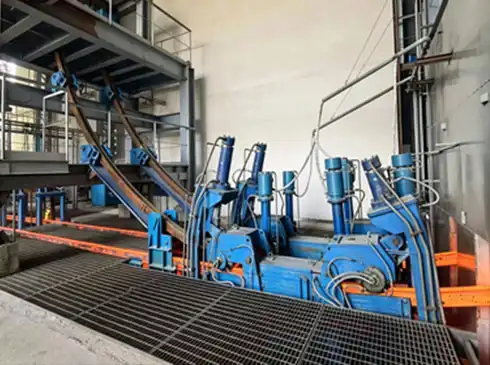
A blast furnace three-ring cone scrubber is a high-tech wet gas cleaning machine with three circular rings and a center cone that can be adjusted vertically to make different annular gaps. As gas from the blast furnace moves through these gaps, hydraulic motors change the throat area on the fly to keep the differential pressure at its best. Water sprays scrub the gas very hard to remove fine particles and cool it down. This system gets ultra-clean exit standards below 5mg/Nm³, which protects equipment further down the line and keeps the top pressure of the furnace stable when gas amounts change.
Understanding the Working Principle of the Three-Ring Cone Scrubber
Blast furnace gas usually comes out of the furnace at high temperatures, bringing tar mists, sulfur compounds, and dust amounts of 10 to 20 g/Nm³. Before this tough mixture can be safely put into combustion systems or recovery engines, it needs to be treated in a strong way. To deal with this problem, the blast furnace three-ring cone scrubber uses a carefully designed contact device to bring polluted gas and scrubbing liquid together.
Structural Configuration and Flow Dynamics
The machine is made up of three fixed rings that are arranged in a cylinder shape and a center cone that moves up and down using hydraulics. As gas enters the scrubber, it moves quickly through the holes between the rings and the cone's surface. This speeding up makes areas with a lot of turbulence where water sprays from tubes placed in the gas stream at just the right angles. The rough mixing greatly increases the surface area where liquid drops and particulate matter can touch each other, making it possible to efficiently collect particles as small as a few microns.
The cone that can be moved up and down has two uses besides just letting gas and liquid touch. The system changes the total throat area by moving in real time, which directly affects the pressure drop across the device. This ability to make changes on the fly is very helpful when the furnace is working and things are happening like the load hanging or slipping. In fixed-geometry scrubbers, quick changes in gas volume would make the top pressure unstable.
Material Engineering for Extreme Conditions
The conditions under which these scrubbers work are tough: gases that are up to 250°C, fast-moving, abrasive dust particles, and acidic chemicals that break down normal materials. There have been many sites where the choice of materials made the difference between a five-year service life and an early failure. The cone and rings are usually made of 316L stainless steel or an alloy steel that doesn't wear down easily. Stellite or ceramic coatings with hardness grades between HRC 55 and 62 protect the most important areas.
According to ASME Section VIII guidelines for pressure tanks, the frame must be able to handle differential pressures of up to 150kPa while still being structurally sound. Internal spray nozzles are made with self-cleaning shapes and corrosion-resistant alloys to keep them from getting clogged by recirculated water, which even with filters still has some suspended solids in it.
Pressure Regulation Precision
The pressure control accuracy of ±2kPa is what makes this technology different from other scrubbers. Within 1.5 to 2 seconds, the hydraulic positioning system reacts to changes in pressure by changing the position of the cone automatically to keep the goal differential pressure. This quick reaction keeps the blast furnace safe from dangerous changes in pressure that could make it hard to distribute the load or let gases out through the release valves. Plant engineers like this automation because it gets rid of the need to make constant changes by hand with older scrubber designs. This makes the process more stable while also lowering the workload of operators.
Benefits and Performance Advantages of the Three-Ring Cone Scrubber
Data from setups at big steel mills shows why this technology is becoming more popular among metallurgical companies that care about both performance and cost. The benefits go beyond just getting rid of dust; they also have a direct effect on prices and following the rules.
The blast furnace three-ring cone scrubber design makes more swirling zones than single-stage designs, which greatly increases the surface area where gas and water can interact. This improved interaction makes the dust removal work better, lowering outlet concentrations below 5mg/Nm³ even when input loads go up during furnace working changes. We have proof of plants that switched from cyclone-venturi combos to blast furnace three-ring cone scrubbers and saw a 40% increase in particulate capture right away. This meant that downstream equipment didn't wear out as quickly and turbine blades lasted two years longer.
The amount of energy used is a big part of the cost of running any wet cleaning machine. The changeable throat design keeps the best pressure drop even when the gas volume changes. This keeps energy use from being wasted, which happens with fixed-geometry systems that have to be made for peak flow. Most of the time, water-to-gas ratios of 0.3 to 0.6L/m³ are enough. This is much lower than what standard venturi scrubbers need, which is 0.8 to 1.2L/m³. This efficiency cuts down on pumping costs and the work that needs to be done to clean wastewater, which saves money in the short term and a lot over the life of the equipment.
Maintenance times have a direct effect on how long work can go on. Quality blast furnace three-ring cone scrubbers are made of strong materials and have self-cleaning tip designs so they can keep working while regular maintenance is done during planned furnace campaigns instead of having to shut down at the last minute. Noise levels below 85dB also make the workplace better, which is an important but often forgotten factor that affects worker safety and plant permits.
Environmental laws have become stricter around the world, and pollution standards are getting stricter in all areas. The scrubber's ability to regularly produce ultra-low particulate pollution helps businesses follow current rules while leaving room for higher standards in the future. This forward compatibility saves capital investments and backs up companies' promises to be more environmentally friendly, which are becoming more and more important in deciding what to buy and how to deal with stakeholders.
Comparison with Other Blast Furnace Gas Cleaning Technologies
When purchasing managers look at gas cleaning options, they need to be able to tell the difference between the tools that are offered. Each type of system has its own benefits that rely on the conditions of the blast furnace, the infrastructure that is already in place, and the operating goals.
Venturi Scrubbers
Venturi scrubbers are great at getting rid of fine particles because they have high-speed throat parts that make strong cutting forces between the gas and liquid. They are very good at catching particles smaller than a micron. It does a good job of cleaning, but it uses a lot of energy because the pressure drops a lot—usually 8–15kPa compared to 4–8kPa for blast furnace three-ring cone scrubbers that do the same job. The set throat geometry can't respond to changes in gas flow, which often leads to systems that are too complicated and lose energy when they're not working or don't work well when they do.
Cyclone Separators
Cyclone dividers are good for cleaning gases in the beginning stages because they don't cost much to buy and don't have any working parts. Centrifugal power helps them get rid of large objects bigger than 10 microns. Cyclones, on the other hand, have a hard time getting rid of fine particles. The lowest concentrations that they can get are usually only 50 to 100 mg/Nm³ at the exit, which is too high for current turbine safety standards and environmental standards.
A lot of setups use fans to clean up first, then wet scrubbers to finish the job. This staged method works well, but it makes the system bigger and more complicated overall. The blast furnace three-ring cone scrubber can handle a wider range of particle sizes in a single unit. This makes the layout of the plant easier and cuts down on the number of pipes and switches that need to be connected.
Selection Criteria for Procurement
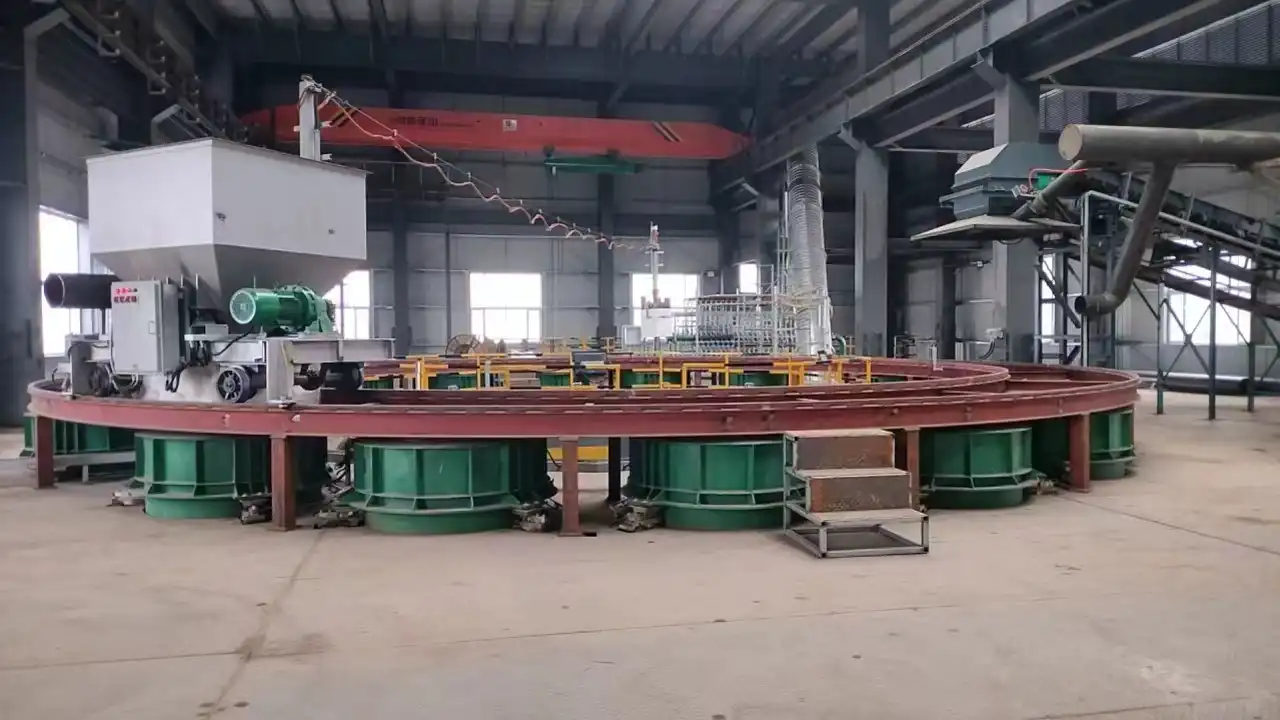
Plant engineers should look at the total cost of ownership of these technologies instead of just the capital cost when judging them. The blast furnace three-ring cone scrubber usually costs between the middle and high end when it comes to the original investment. However, it has lower ongoing costs because it uses less energy, needs less upkeep, and keeps the process more stable. When it comes to brownfield improvements, compact forms are better because they need less structural support and can be used in smaller spaces. Being able to handle changes in gas volume without affecting performance saves the investment against changing operating conditions, such as changes in blast furnace campaigns or future capacity increases.
Maintenance, Troubleshooting, and Operational Tips
To keep a blast furnace three-ring cone scrubber working at its best, it needs routine care that is specific to its working surroundings. We've seen that sites that use organized maintenance plans regularly get longer equipment life and fewer unexpected shutdowns than those that use reactive maintenance methods.
Routine Inspection Protocols
Regular inspections that focus on key wear spots are the first step to good upkeep. During planned downtime, the cone's surface covering should be looked at visually to see if there are any erosion patterns. This is especially important in the throat areas where gas flow is highest. Ultrasonic scales used to measure coating thickness help guess how long something will last. Most good coatings last 3 to 5 years before they need to be fixed, but situations with a lot of abrasive gas may speed up wear.
Pay attention to ring orientation and concentricity, as even small changes can cause gaps to spread out unevenly, creating high-velocity areas that speed up weathering. Laser-guided measurement during yearly upkeep makes sure that the circular gaps are all the same, which keeps the design working as planned. The hydraulic positioning system needs to be calibrated again to make sure that the reaction time and positioning accuracy stay within the required range, which is usually less than 1% mistake from the setpoint.
Water transport systems need to have their nozzles checked for clogging or wear and tear on a regular basis. Mineral layers can build up over time, even in water treatment systems, making sprays less effective. Nozzle efficiency can be restored by high-pressure water jetting or light acid cleaning during shutdowns. Scaling on internal surfaces can be avoided by making sure that the flowing water has less than 50 mg/L of suspended solids and that it has been treated for hardness correctly.
Common Operational Challenges
The main way that things break down is through erosion from sharp particles. If the levels of particles in the exit gas start to rise even though the conditions at the entrance stay the same, it usually means that the coating is breaking down or the cone isn't aligned correctly, causing bypass paths. Taking care of these problems quickly stops damage to tools further down the line from getting worse faster. During setup, you should set standard performance measures like differential pressure, water consumption, and outlet dust concentration. Then, you should keep an eye out for changes that could mean problems are starting to appear.
It's possible for operators to waste water by making changes during fixing that were never returned to their original settings. The system works at its most efficient when the water-to-gas levels are checked against the design specs on a regular basis. Too much water use loses pumping energy and puts too much stress on wastewater treatment without making cleaning better.
If the hydraulic system fails, the cone can get stuck in place, which stops the cleaner from being able to adjust. These problems can be avoided by keeping the hydraulic fluid, seals, and actuators clean. Backup position signs make sure that important pressure control functions don't stop working.
Procurement Guide for Three-Ring Cone Scrubbers
Choosing the right equipment provider has a big impact on the success of the project, the costs of running it in the long term, and the dependability of the service. During the procurement process, more than just blast furnace three-ring cone scrubber unit specs and original quotes should be taken into account.
Manufacturer Evaluation Criteria
Certifications are a basic way to make sure that the quality of the blast furnace three-ring cone scrubber product is good. As a minimum, look for certification in an ISO 9001 quality management system. Certification in ASME Section VIII for pressure tank design shows that the company can meet international safety standards. Facilities that work in places with specific rules should make sure that the maker is familiar with those rules during the initial talks.
When customizing something to fit a specific blast furnace, OEM capabilities are important. Manufacturers who have their own technical teams can make sure that the measurements, materials, and control systems of their scrubbers work best with certain gases, temperatures, and flow rates. We've found that suppliers who offer full design help, such as computational fluid dynamics models and process integration planning, give us better systems that are easier to set up.
Customer reviews and reference setups can tell you a lot about how well a product works in the real world and how good the customer service is after the sale. Ask for the contact information of similar sites in related industries, and be very particular about your questions about how reliable the equipment is, how quickly they respond to technical questions, and how easy it is to get spare parts. When you visit sites that are already up and running, you can learn useful things that specs alone can't tell you.
Customization and Lead Time Considerations
Standard scrubber setups work well for many uses, but blast furnace operations often have their own problems that need to be fixed by changing the design. Custom materials for environments with a lot of rust, parts that are too big for environments with a lot of gas, or special control merging with current distributed control systems may make engineering and manufacturing take longer. Making sure that customization needs are clear from the start of the conversation helps set reasonable arrival dates.
Depending on how complicated the product is and how busy the factory is right now, manufacturing wait times are usually between 16 and 28 weeks. Overall schedules may be affected by things on the critical path, such as forged metal parts or special finishes. Early involvement with suppliers and potentially faster production can help projects with tight commissioning dates, but rush charges can hurt the project's bottom line.
Commercial Terms and Long-Term Support
The warranty should cover both the products and the work, and it should last for 12 to 24 months after the installation is completed. Make it clear what normal wear and tear and flaws are, and know how to file a guarantee claim to avoid problems. Contractual promises that equipment will meet requirements include performance guarantees for how well it removes dust, how much pressure drops, and how much energy it uses.
After-sales support includes professional help, training for operators, and the availability of extra parts. Plant workers can get the most out of their tools by going through thorough training programs that cover operational theory, regular repair procedures, and troubleshooting methods. Before starting up, you should find out how many spare parts you should keep on hand and how long it takes to get things like valves and seals. This will help you avoid long periods of downtime during future maintenance.
Different suppliers offer different installation services. Some offer "turnkey" installations that include supporting structures, pipes, and integrating controls, while others only sell equipment. Making the roles and tasks clear helps avoid costly breaks during the building stages. We've seen projects get held up for months because of confusion over interconnection details that could have been avoided with better procurement specs.
Conclusion
The blast furnace three-ring cone scrubber is an advanced and tried-and-true method for cleaning blast furnace gas that strikes a good mix between high performance and low cost of operation. Its ability to change pressure dynamically, better particulate capture, and lower energy use compared to other technologies make it very useful for integrated steel plants and big coking operations that care about protecting equipment and being environmentally friendly. Plant engineers and procurement workers can make choices that are good for the long term if they understand the working principles, maintenance needs, and buying factors that are explained here. If you choose, install, and take care of these scrubbers correctly, they will last for decades and protect expensive equipment further down the line while meeting stricter emission standards.
FAQ
What kinds of pollution do three-ring cone scrubbers get rid of well?
These blast furnace three-ring cone scrubbers are very good at getting rid of a wide range of particle sizes, from large dust particles to sub-micron aerosols, with amounts below 5mg/Nm³ at the exit. They also cool the air, which condenses tar mists, and get rid of gases that dissolve in water, like hydrogen sulfide. However, chemical cleaning steps are better at dealing with high levels of acid gas.
How does the amount of energy used compare to regular venturi scrubbers?
Blast furnace three-ring cone scrubbers usually use 30–40% less energy than fixed venturi types to clean just as well. The movable opening keeps the right pressure drop even when the flow of gas changes. This keeps energy from being wasted by fixed-geometry systems that are too big. Lower amounts of water to gas cut pumping costs even more.
How long does it really take to customize something for a specific use?
It takes 16 to 20 weeks to ship standard setups. Timelines are usually extended to 22 to 28 weeks for custom materials, over-sized measurements, or specialized control integration. Schedules are set by critical path items like forged metal parts or the methods used to apply ceramic coatings, so involving suppliers early on helps keep expectations in check.
Partner with SMEC for Advanced Gas Cleaning Solutions
SMEC has decades of experience building metallurgical tools and can help with cleaning blast furnace gas. As a company that makes blast furnace three-ring cone scrubbers and is based in Taiyuan, China's energy and heavy industry hub, we mix cutting-edge research with production infrastructure that has been used for years. Our 168 engineering professionals, including 30 top engineers, work out of a 68,700-square-meter building with a wide range of testing tools that make sure every unit meets strict quality standards.
Our Large-scale Intelligent Coking Equipment Research Institute creates unique answers that meet your exact needs for gas makeup, flow rates, and integration. We offer full turnkey support, from the initial design to user training, installation, and making sure that parts are always available. Our team can help you with technical advice that will improve performance and keep lifecycle costs low, whether you're installing new blast furnaces or updating old gas cleaning systems. Contact our experts at project@smec.cc to talk about how our blast furnace three-ring cone scrubbers can help your business be more efficient and follow environmental rules. We can give your building the reliable, high-performance gas cleaning tools it needs.
References
Zhang, Y., & Liu, H. (2021). Advanced Wet Scrubbing Technologies for Industrial Gas Treatment. Metallurgical Industry Press.
American Society of Mechanical Engineers. (2019). ASME Boiler and Pressure Vessel Code, Section VIII: Pressure Vessels. ASME International.
Wang, J., Chen, X., & Li, M. (2020). "Performance Optimization of Multi-Ring Cone Scrubbers in Blast Furnace Gas Cleaning Systems." Journal of Iron and Steel Research International, 27(8), 892-901.
European Commission. (2022). Best Available Techniques Reference Document for Iron and Steel Production. Publications Office of the European Union.
Kumar, S., & Patel, R. (2023). "Comparative Analysis of Wet Scrubbing Technologies for Particulate Removal in Metallurgical Processes." Powder Technology, 418, 118-132.
International Organization for Standardization. (2020). ISO 9001:2015 Quality Management Systems - Requirements. ISO Central Secretariat.
Free consultation & volume discounts available
SEMC focuses on the entire metallurgical process—from coking, ironmaking, and steelmaking to continuous casting and rolling. Whether you face challenges related to equipment upgrades, energy efficiency optimization, or overall process transformation, please fill in the following information. Our technical team will provide you with tailor-made high-end equipment upgrade solutions and professional EPC design services to help your project be implemented efficiently.
Recommended Blog
How Three-Ring Cone Scrubbers Improve Blast Furnace Gas Quality
Integrated Blast Furnace Tower Equipment Solutions for Modern Steel Plants
Why Wear-Resistance is Key for Your Next Blast Furnace Riser Pipe?
Case Study: Successful Overall Blast Furnace Renovation Projects
5 Key Factors When Buying Blast Furnace Water-Cooled Valves
How to Choose a Blast Furnace Drill Rod Replacement Device Supplier?