What Is a Blast Furnace Coal Injection System Upgrade Service and Why Is It Needed?
What Is a Blast Furnace Coal Injection System Upgrade Service and Why Is It Needed?
Understanding Blast Furnace Coal Injection System Upgrade Services
- Understanding Blast Furnace Coal Injection System Upgrade Services
- Key Benefits of Upgrading Blast Furnace Coal Injection Systems
- How to Effectively Upgrade Your Blast Furnace Coal Injection System
- Choosing the Right Blast Furnace Coal Injection System Upgrade Provider
- Conclusion
- FAQ
- Partner with SMEC for Advanced Coal Injection System Upgrades
- References
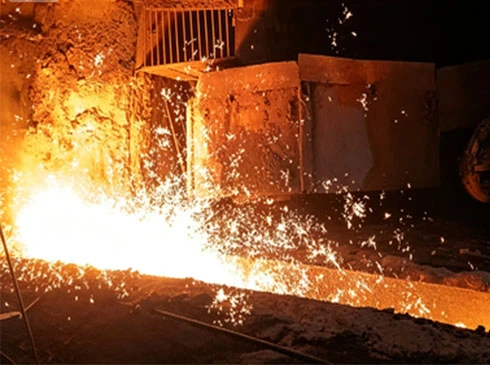
The Upgrading Service for the Blast Furnace Coal Injection System is a big engineering project that will bring pulverized coal delivery systems in integrated steel plants up to date. One of the most important problems this service fixes is high coke ratios, unstable injections, and using too much energy. By making the whole process better—from grinding and drying the coal to high-pressure pneumatic transport and tuyere injection—facilities can use cheaper pulverized coal instead of expensive metallurgical coke. This improves thermal control, lowers carbon emissions, and makes blast furnace linings last longer by spreading heat more evenly.
Understanding Blast Furnace Coal Injection System Upgrade Services
Core Components and Operational Principles
Pulverized coal injection (PCI) technology is a big part of modern blast furnace processes that need to make hot metal cheaply. The system is made up of several fully integrated parts that work together perfectly: coal grinding mills that finely grind the raw materials to the right size, drying equipment that keeps the right amount of moisture, storage tanks that keep track of inventory in controlled conditions, and high-pressure delivery pipelines that move the pulverized fuel to injection lances at each tuyere opening.
The basic idea behind the process is to use pulverized coal injected straight into the blast furnace raceway instead of the more expensive metallurgical coke. To make this replacement work, you have to keep certain particle size distributions, which are usually measured by the R90 index. This is to make sure that the fuel burns completely in the short amount of time that it has to stay in the high-temperature zone. Oxygen enrichment at the tuyeres helps coal burn more efficiently, releasing heat energy that melts iron ore and making reducing gases that are needed for the chemistry of ironmaking.
What an Upgrade Service Encompasses
A full upgrading service for the blast furnace coal injection system starts with thorough system diagnostics that compare the current performance to modern standards. Engineering teams look at how the supply pipes are worn, how regular the injection rate is across all tuyeres, how consistent the coal fineness is, and what the automation system can do. During this phase, specific bottlenecks that are slowing down throughput, efficiency, or reliability are found.
Most upgrade projects start with hardware upgrades. Standard carbon steel sections that wear down quickly are replaced with high-wear parts like ceramic-lined delivery pipes with hardness values above HV 1500. Advanced atomization nozzles improve the shape of mixing coal and oxygen, which makes burning more efficient in the raceway zone. High-precision mass flow meters measure the amount of coal going to each injection lance in real time, which lets the distribution control be done automatically.
In modern PCI systems, software integration is what makes them smart. As part of upgrade services, remote control systems are put in place that change the rate of injection based on the temperature of the burner, the way the load falls, and the quality goals for the hot metal. Predictive maintenance programs look at patterns of sound, changes in pressure, and temperature changes to see when equipment will break down before it stops production. Real-time dashboards give operators a full picture of how the system is working, so they can quickly adapt to new situations.
Differentiating Upgrades, Retrofits, and Replacements
Knowing the difference between these two ways of doing things helps procurement teams make decisions that are in line with operational needs and available capital. Upgrades usually focus on improving existing infrastructure by replacing parts, making the control system better, and making the process run more smoothly, while keeping the basic structure of the system. This method cuts down on capital costs while still delivering big performance gains.
When you retrofit something, you make bigger changes, and you often add whole new subsystems to an existing installation. A building with a simple PCI system could add advanced safety tracking, inert gas protection, or the ability to inject data on multiple lines at once. While targeted upgrades usually have shorter implementation times and less capital investment, retrofits cost a lot less than replacing the whole system.
When the old infrastructure has hit the end of its useful life or when production needs grow faster than the current equipment can handle, a full system change is needed. New installations use the newest technological advances from the time they were first designed, so they can perform at their best. Replacement projects, on the other hand, require a lot of money, take a long time to install, and stop all production during launching.
Key Benefits of Upgrading Blast Furnace Coal Injection Systems
Enhanced Fuel Efficiency and Cost Reductions
Steel producers always put lowering operational costs near the top of their list of goals. This means that improvements in fuel economy are quickly useful. With an upgraded service for the blast furnace coal injection system, injection rates of more than 200 kg per tonne of hot metal are possible. This greatly increases the replacement ratio, which is the amount of expensive coke that is moved by each unit of injected coal. When you compare the energy-equivalent costs of coal and metallurgical coke, you can see that every small increase in the replacement ratio saves raw materials.
The effect on money goes beyond the cost of raw materials. When people use less coke, it lowers the demand for coking operations. This means that less energy is needed to carbonize coal, and it costs less to comply with environmental laws when coke is made. A lot of integrated steel mills that have updated their PCI systems say that they get their money back in eight to fourteen months. This is mostly because they use less coke and pay less for energy to grind coal.
Improving the efficiency of transportation saves even more money. Modern high-concentration, low-velocity transport systems keep pipelines from wearing down and use less compressed air. Ceramic-lined parts have 300 percent longer service lives than normal carbon steel parts. This means that upkeep costs are much lower and spare parts inventory needs are lower as well.
Improved Steel Quality and Production Stability
How evenly the finely ground coal is spread out around the blast furnace's perimeter depends on how accurately the coal is injected. Changes in the delivery of coal can cause localized thermal imbalances that mess up the way the load falls and make the quality of the hot metal vary. Upgraded systems using high-precision mass flow controllers achieve uniform distribution with coefficient of variation values below 3%, which guarantees stable furnace operation.
When the temperature stays stable, workers can better control the chemistry of hot metals, especially the silicon content, which is a key sign of the furnace's thermal state. When silicon levels stay the same, changes to charging sequences and raw material blends don't have to be made as often, which saves money. Thanks to the upgrading service for the blast furnace coal injection system, when PCI system performance stays within tight control limits, production managers say there are fewer operational problems, tapping delays are shorter, and productivity in the casting shop goes up.
Advanced Technology Integration
One of the most important changes that current PCI updates bring is automation. Legacy systems often need to be adjusted by hand by operators based on regular sampling and lab analysis. This causes response times that are too long, which lets process deviations spread. Modern automatic control systems change injection rates all the time in real time, reacting within seconds instead of hours to changes in boiler pressure, load level, and thermal signs.
Predictive maintenance stops equipment from breaking down at the worst possible time, which would throw off production plans. Condition tracking systems look at how spinning equipment shakes, how pressure changes in delivery lines, and how temperatures change in grinding circuits. Machine learning algorithms that are based on previous data can spot small changes in patterns that point to impending failures. This means that maintenance work is done during planned outages instead of emergency fixes during production times.
With remote monitoring and diagnostic tools, expert support teams can help plant workers from anywhere in the world. Systems that are connected to the cloud send performance data to engineering centers, where experts look for patterns, suggest changes that will improve performance, and help with fixing problems. This connectivity is especially helpful for facilities that are in places where it's hard to get specialized technical help.
Environmental Compliance and Sustainability
Regulatory pressures are getting stronger in big steelmaking regions. Mandates to cut emissions affect both new and current facilities. In more than one way, upgraded PCI systems help with environmental compliance. Higher rates of coal input lower the amount of carbon used to make one tonne of hot metal, which directly lowers the level of CO₂ emissions. Better burning efficiency cuts down on particulate pollution and carbon losses that aren't burnt.
Modern safety monitoring systems take care of both environmental and workplace safety issues at the same time. Real-time tracking of carbon monoxide and oxygen levels in places where coal is handled and injected lets people know right away when conditions could be dangerous. When dangerous concentrations are reached, automatic inertization systems fill the area with nitrogen or carbon dioxide. This stops the risk of an explosion from dust that meets ATEX and NFPA standards.
Fumigated emissions are caught at transfer points, grinding operations, and storage facilities by dust control systems that are built into newer models. Baghouse filters and wet scrubbers keep particles from going into the air and get back valuable coal fines that would have been lost otherwise. These features that protect the environment help businesses keep their operating permits in places with strict rules about air quality.
How to Effectively Upgrade Your Blast Furnace Coal Injection System
Comprehensive System Assessment and Diagnostics
Successful upgrading service for the blast furnace coal injection system projects starts with a careful analysis of the current infrastructure, how it is used, and its performance limits. Assessment teams carefully check mechanical parts, writing down details like wear patterns, corrosion damage, and concerns about the structure's integrity. Ultrasonic thickness gauging finds erosion in pipeline turns and injection lances, where particle streams moving quickly speed up the wear process.
Performance testing sets baseline metrics that can be used to measure how much an upgrade has helped. Flow distribution tests measure changes in injection rates between tuyeres, showing imbalances that make the boiler less stable. Coal fineness analysis makes sure that grinding circuits get the right particle size distributions. This is important because too-big particles don't burn completely, and too-fine particles raise the risk of dust explosions. When evaluating an automation system, the response times of the control loop, the accuracy of the sensors, and the ability to log data are all looked at.
Selection of Retrofit Components and Modern Technologies
When choosing components, you have to weigh the efficiency needs against the cost and difficulty of installation. The design of high-chromium alloys makes them very resistant to wear in harsh working conditions, especially at pipeline bends where particle impact erosion is most common. Even more durability is offered by ceramic lining technology, but it needs to be installed by someone with specialized knowledge and careful quality control to make sure proper bonding and void-free application.
The shape of the injection lance has a big effect on how well the fuel burns in the blast furnace track. Modern lances use computational fluid dynamics optimization to get the best mixing patterns of coal and oxygen, even when the environment around each tuyere is rough and hot. Adjustable lance placement systems let workers find the best entry depth based on how the furnace is working, how permeable the load is, and how the coal burns.
Upgrades to automation gear often include industrial-grade mass flow meters that can measure continuously and accurately to within 1% of the number. Automated distribution valves react to control signals in milliseconds, allowing for quick adjustments that keep the flow distribution even when the supply of coal upstream or the conditions downstream of the furnace change. Industrial communication standards-compliant programmable logic controllers work perfectly with distributed control systems that are already in place.
Installation and Commissioning Phases
Keeping production as steady as possible while the upgrade is being installed is a key part of the project's success. Using modular execution methods lets you do a lot of planning work while the furnace is running normally. Along with production, new pipe pieces are being made, instrumentation screens are being pre-assembled, and factory testing of automation hardware is going on. Scheduled production outages are only needed for final tie-in connections and system integration.
Before adding pulverized coal, cold starting checks the mechanical soundness and makes sure the control system works. Pressure integrity testing shows that there is no leakage even when the operating pressure is raised by fifty percent. This meets the requirements of ASME Section VIII for pressure vessels and piping systems. Checking the control system makes sure that the sensors are calibrated correctly, that the locking logic works, and that the emergency shutdown reaction times are fast enough to cut off the coal supply within two seconds of an upset being detected.
Staff Training and Maintenance Planning
The capabilities of equipment don't mean much if there aren't skilled workers to run and maintain the new systems. Comprehensive training programs teach both how to do normal tasks and how to fix problems. Operators learn how to read real-time performance screens, spot odd working patterns, and know what to do when an alarm goes off. Maintenance technicians learn how to do specific things with precision instruments, automated control systems, and parts that are lined with ceramic.
Schedules for preventative repair make equipment last longer and keep it from breaking down when it's least expected, which would stop production. Based on operating hours and throughput volumes, inspection protocols say how often to check wear-prone parts. Lubrication needs, filter replacement schedules, and methods for checking the accuracy of the calibration become normal parts of regular upkeep. Recommendations for spare parts make sure that important parts can be quickly replaced when they reach their wear limits.
Documentation packages include important reference materials that help a system run for a long time. As-built drawings show how things were actually set up, including any changes that were made in the field during installation. Operating manuals explain how to do normal things like start up and shut down. Troubleshooting tips help employees figure out what's wrong with common issues and fix them. This documentation is very helpful when people leave the company because it makes sure that practical information is passed on to new employees.
Choosing the Right Blast Furnace Coal Injection System Upgrade Provider
Evaluating Experience and Technical Capabilities
Choosing a provider has a big effect on how the project turns out, so it's important to do a full evaluation of their upgrading service for the blast furnace coal injection system experience. Companies that have used blast furnaces for a long time know how hard it can be to add new equipment to facilities that are already running with little to no interruption to production. Reference projects at sites of a similar size show how well a provider can offer solutions that meet certain performance standards.
Technical skills go beyond just selling tools; they also include engineering services that help make sure the installation goes smoothly. Computer modeling lets you simulate how coal is injected, which helps you make the best lance design for your furnace's shape and conditions. By predicting how stress will be distributed in changed structures, finite element analysis makes sure that there are enough safety margins. Expertise in process control makes sure that automation systems work well with existing infrastructure and offer advanced features.
Manufacturing quality determines equipment reliability and service life. Facilities that have ISO 9001 certification show that they are dedicated to managing quality in an organized way. The steps used for testing and inspecting should be in line with international rules that apply to pressure tanks, structural steel, and industrial instruments. Traceability systems that keep records of material approvals, fabrication records, and test results give customers faith in the quality of the tools they receive.
Comparing Upgrade Versus Replacement Options
A cost-benefit analysis helps you make strategic decisions about whether to upgrade your current infrastructure or put in brand-new systems. Most of the time, upgrade projects require a lot less money up front but lead to big improvements in performance. Facilities with generally sound old equipment that can do sixty to eighty percent of what modern systems can do often find that changes give them the best return on their investment.
When existing systems have fundamental design flaws, heavy wear that needs to be rebuilt from scratch, or capacity issues that stop production goals from being met, it's better to replace them. Instead of adding new technologies to old structures, modern installations use them from the start of their creation. Integrated new system design improves energy economy, the level of automation, and the ease of upkeep.
Vendor Selection Criteria
When technologies are compatible, new parts can work with older ones without any problems. Interface standards must match the existing equipment so that expensive changes aren't needed to make designs work with each other. Communication protocol compatibility lets new robotic gear share data with control systems that are already in place. The sizes, types, and utility needs of the mechanical interfaces should match the conditions of the spot or only need minor changes.
Customization options can meet the needs of your facility in ways that normal catalog goods can't. Different blast furnace designs have different shapes, capacities, and ways of working, which means they have different technical needs. Instead of making facilities accept less-than-ideal generic configurations, providers who are willing to change standard designs to fit the needs of a specific site offer solutions that work best in real-world settings.
Long-term partnership worth is based on the framework for after-sales service. Spare parts availability makes sure that important parts can be reached throughout the service life of an item, avoiding long downtimes while waiting for replacements to arrive. When practical problems happen, technical help that is responsive lets you fix the problem quickly. Training classes help building staff learn how to manage and get the most out of new systems.
Clear pricing systems help people accurately estimate how much a job will cost and plan their budgets. Detailed quotes that list the cost of equipment, engineering services, installation support, and commissioning help keep people from getting confused about the scope and cost of the project. Clear payment terms that are in line with project milestones make it possible to plan ahead financially. The warranty's covering details spell out who is responsible for problems or poor performance.
Conclusion
Updating blast furnace coal injection systems makes operations more efficient, products better, and the environment better. These changes have a direct effect on how much money steel producers make and how competitive they are. The money saved by using less coke, having lower maintenance costs, and having more stable production usually pays for the upgrading service for the blast furnace coal injection system within twelve to eighteen months. In addition to helping the economy right away, upgrading systems also puts facilities in a better position to meet stricter environmental rules and add automation technologies that make work safer and more efficient.
FAQ
1. What signals indicate that my facility needs a PCI system upgrade?
Several success measures show that the benefits of the upgrading service for the blast furnace coal injection system would make the investment worth it. Despite efforts to boost throughput, coal injection rates are going down, which could mean that the system isn't working as well as it should or isn't reliable. Wear-resistant upgrades would save money because maintenance costs are going up because parts need to be replaced more often. More changes in the quality of hot metal, especially changes in the amount of silicon in it, suggest that better injection distribution would make the process more stable. It may be necessary to improve dust control and combustion efficiency if it becomes harder to meet environmental emission limits.
2. How long does a typical upgrade project require from initiation to completion?
The length of a project depends a lot on the size of the system, the scope of the upgrade, and how it is implemented. Targeted component upgrades that fix specific performance problems might only take four to eight weeks, which includes buying the parts, installing them during a planned furnace shutdown, and turning them on. Usually, it takes three to six months to do full upgrades that include a lot of automation improvements, changes to many subsystems, and new safety systems. The modular implementation method lets a lot of the planning, making, and pre-assembly work get done while the business is normally running. This means that the production impact is limited to short scheduled downtimes for final connections and system integration.
3. Can upgrade packages accommodate different blast furnace designs and capacities?
Modern update services are very flexible and can be used with a wide range of building layouts. Upgrade options that are the right size can help furnaces with capacities ranging from less than 1,000 cubic meters to more than 4,000 cubic meters. Performance improvements can be made to both simple single-line injection systems that work with furnaces that have twelve to twenty tuyeres and complicated multi-line parallel injection systems that work with furnaces that have thirty or more tuyeres. The key is to do a thorough initial assessment to find out exactly what the facility needs. This lets engineering teams set up parts, control strategies, and safety systems that work with the site's conditions instead of trying to force standard packages onto installations that don't work with them.
Partner with SMEC for Advanced Coal Injection System Upgrades
SMEC has a lot of engineering knowledge and can help with projects to update blast furnace coal injection systems. Thirty top engineers on our technical team have a lot of experience designing metallic process equipment, integrating automation, and completing projects. Our base in Taiyuan has 68,700 square meters of advanced industrial space in the Shanxi Comprehensive Reform Demonstration Zone. These facilities allow us to make precision-engineered parts that meet the strictest quality standards.
Our process starts with thorough system tests that show you exactly where your facility's performance is lacking and where it can be improved. To meet your specific operational needs, engineering teams create upgrading services for the blast furnace coal injection system specifications that include ceramic-lined delivery systems, precise flow control instruments, and advanced automation platforms. As a reliable company that upgrades blast furnace coal injection systems, we take care of the whole project, from the initial assessment to commissioning and training the operators.
Steel producers, managers of metallurgical facilities, and EPC contractors are welcome to talk to us about how our coal injection system upgrade services can help you solve your specific operational problems. Get in touch with our technical team at project@smec.cc to set up a meeting and learn more about our upgrade services, component technologies, and project execution methods.
References
1. International Iron and Steel Institute, "Best Available Techniques for Blast Furnace Ironmaking with Pulverized Coal Injection," Technical Report Series on Sustainable Steel Production, 2022.
2. Peacey, J.G. and Davenport, W.G., "The Iron Blast Furnace: Theory and Practice," Pergamon Press Metallurgy and Materials Science Series, 2019.
3. American Iron and Steel Institute, "Pulverized Coal Injection Technology: Operational Guidelines and Safety Standards," Steel Manufacturing Technology Handbook, 2021.
4. Geerdes, M., Toxopeus, H., and van der Vliet, C., "Modern Blast Furnace Ironmaking: An Introduction," IOS Press Materials Science and Engineering Publications, 2020.
5. Society for Mining, Metallurgy, and Exploration. "Coal Injection Systems: Design, Operation, and Maintenance." SME Industrial Minerals and Metallurgical Processing Symposium Proceedings, 2021.
6. European Commission Joint Research Centre, "Reference Document on Best Available Techniques in the Iron and Steel Production Industry," Integrated Pollution Prevention and Control Bureau Publications, 2023.
Free consultation & volume discounts available
SEMC focuses on the entire metallurgical process—from coking, ironmaking, and steelmaking to continuous casting and rolling. Whether you face challenges related to equipment upgrades, energy efficiency optimization, or overall process transformation, please fill in the following information. Our technical team will provide you with tailor-made high-end equipment upgrade solutions and professional EPC design services to help your project be implemented efficiently.
Recommended Blog
The Impact of Cooling Water Barrier Integrity on Blast Furnace Longevity
How Granulated Blast Furnace Slag Supports Sustainable Manufacturing
Overall Blast Furnace Renovation vs Partial Upgrade: Which Is Better?
Why Steel Plants Prefer Custom Blast Furnace Tuyere Equipment?
How Real-Time Tuyere Imaging Service Can Extend Your Blast Furnace Life
Comparing Manual Inspection vs. Automated Tuyere Imaging Services
How to Reduce Operating Costs of Three-Ring Cone Scrubbers