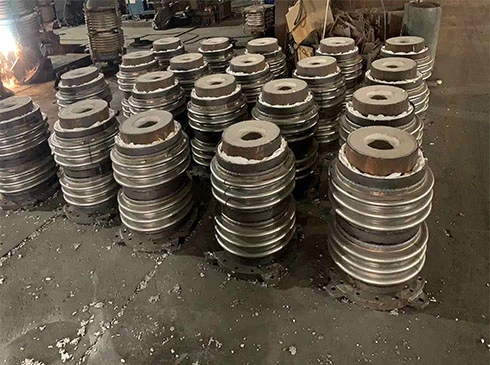
How Is the High Temperature and Wear Resistance of Hydraulic Clay Gun?
How Is the High Temperature and Wear Resistance of Hydraulic Clay Gun?
Understanding the Challenges of High Temperature and Wear in Blast Furnace Cast Houses
- Understanding the Challenges of High Temperature and Wear in Blast Furnace Cast Houses
- Materials and Design Innovations That Enhance Temperature and Wear Resistance
- Operational Best Practices to Maximize Clay Gun Durability
- Comparing Hydraulic Clay Guns With Other Clay Application Tools
- Procurement Considerations for High-Quality Hydraulic Clay Guns
- Conclusion
- FAQ
- Partner With SMEC for Proven Blast Furnace Clay Gun Solutions
- References
When plant engineers and procurement managers evaluate taphole sealing equipment, one question surfaces consistently: how well does a hydraulic clay gun for blast furnace cast house operations actually hold up against extreme heat and relentless abrasion? The answer matters enormously. SMEC's hydraulic clay gun is engineered specifically for these brutal conditions—withstanding sustained thermal radiation above 1,500°C, resisting molten iron splatter, and maintaining hydraulic stability through years of continuous tapping cycles. Under standard operating and maintenance conditions, the overall equipment service life reaches 8 to 10 years, with core hydraulic components running reliably for more than 5 years.
Understanding the Challenges of High Temperature and Wear in Blast Furnace Cast Houses
Why Cast House Conditions Are So Demanding?
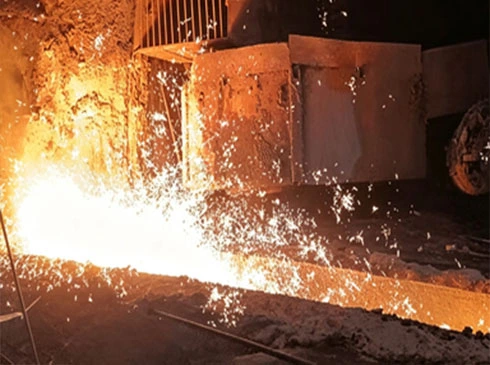
Blast furnace cast houses are some of the harshest places to work in the world. During each tapping cycle, the area around the taphole subjects nearby equipment to heat from molten iron streams that are over 1,450°C, flying slag, and thick iron oxide dust. Each contact cycle puts direct thermal shock on a clay gun that is placed at the taphole nose.
Thermal stress is not just a theory; it is a known way that things break. Metal structures get microcracks from being heated and cooled over and over again, and touch surfaces get worn down over time by friction from taphole clay and iron splash. According to ISIJ International research, failure of taphole equipment is a measurable cause of unplanned cast house stoppages in integrated steel mills around the world.
If there isn't enough resistance to heat and wear, operations will be interrupted, leading to unplanned downtime, higher spare part costs, and serious safety risks for workers near the taphole. The first step in choosing a hydraulic clay gun for blast furnace cast house that will really work over time is to be aware of these growing problems.
Materials and Design Innovations That Enhance Temperature and Wear Resistance
High-Temperature Alloys and Refractory Structures at the Gun Nose
The first parts of the gun to take heat damage are the nose and body. SMEC designs these contact areas with high-temperature alloys and a protective structure that prevents deformation. This mix doesn't react to long-term heat radiation above 1,500°C, so it doesn't bend, burn, or ablate the surface like cheaper equipment often does.
Wear-Reinforced Components for Extended Service Life
Two main things cause wear on clay contact surfaces: the frictional shear of thick taphole clay as it moves through the barrel, and the eroding effect of molten iron splash. Wear-strengthening treatments are applied to all high-attrition parts by SMEC. This greatly increases the service life of parts without the need for frequent mid-cycle inspections.
Hydraulic System Integrity Under Dust and Heat
In addition to mechanical wear, hydraulic dependability is also very important. SMEC's hydraulic circuit uses high-quality sealing elements and abrasion-resistant hydraulic parts that are designed to keep dust out and keep the hydraulic fluid from breaking down. The end result is a system that works properly even after being exposed to high-dust, high-temperature cast house environments for a long time.
Three layers of protection—a thermal alloy body, wear-reinforced mechanics, and a strong hydraulic circuit—all work together to make a hydraulic clay gun for blast furnace cast house solution that consistently outperforms industry-standard equipment. Facilities that have deployed SMEC units report substantially reduced unplanned maintenance intervals and lower total replacement frequency over multi-year operational windows.
Operational Best Practices to Maximize Clay Gun Durability
Even the most robustly built hydraulic clay gun for blast furnace cast house benefits from disciplined operational practice. During clay injection, the pressure and flow rates should stay within the range given by the manufacturer. If the system pressure goes too high, it speeds up seal wear and can cause stress fractures in the gun body over time.
Here are the core maintenance practices that sustain clay gun performance:
- Scheduled lubrication and component inspection: At regular intervals, rotating joints and hydraulic actuators should be lubricated and inspected visually. Detecting early-stage wear on nozzle components or seal degradation allows planned replacement rather than reactive repair.
- Hydraulic fluid quality monitoring: Contaminated or oxidized hydraulic oil is a leading cause of premature valve and cylinder wear. Periodic fluid sampling and timely oil changes protect the entire hydraulic circuit from accelerated internal erosion.
- Calibration of pressure relief and safety systems: Automatic pressure relief valves and overheat detection circuits should be tested and recalibrated as part of every scheduled maintenance cycle, ensuring they respond accurately to abnormal operating conditions.
These practices are not optional extras; they are the operational foundation that allows an 8-to-10-year equipment lifespan to be realized in practice. A clay gun maintained according to protocol protects both production continuity and workforce safety.
Comparing Hydraulic Clay Guns With Other Clay Application Tools
Hydraulic vs. Pneumatic vs. Manual Systems
Not all taphole sealing tools deliver equivalent performance under blast furnace conditions. Manual clay guns require direct worker proximity to the taphole—an inherent safety compromise in a high-radiant-heat environment. Although pneumatic systems offer remote operation, the pressure of the compressed air can fluctuate, which can cause clay to be delivered unevenly and the quality of the taphole seal to be inconsistent.
Hydraulic systems provide a distinct advantage: precise, continuous pressure control that adapts to taphole resistance without pressure spikes or delivery gaps. This stability makes the gun body less stressed and makes the taphole plugs tighter and more even, which supports a steady beat for tapping in the blast furnace. For high-volume operations, the cumulative operational and safety benefits of a hydraulic clay gun for blast furnace cast house are substantial, making it the preferred choice globally.
Procurement Considerations for High-Quality Hydraulic Clay Guns
What to Evaluate Before Committing to a Supplier
Selecting a hydraulic clay gun for blast furnace cast house supplier involves more than comparing surface specifications. The durability claims that matter are those supported by verifiable field data and clearly defined warranty terms. Key evaluation criteria include:
- Material traceability and engineering documentation: Suppliers should provide verifiable specifications for alloy grades used in the gun nose, barrel, and hydraulic components.
- Customization capability: A credible manufacturer should accommodate dimensional and pressure-parameter customization to match specific blast furnace geometries and cast house layouts.
- After-sales support infrastructure: Indicators of a supplier's long-term commitment include spare parts availability, on-site commissioning assistance, and access to technical engineers after installation.
- Certification compliance: Equipment destined for integrated steel mills should meet relevant quality and safety certifications aligned with international procurement standards.
Sourcing from a manufacturer with a proven track record in high-temperature, high-wear metallurgical environments substantially reduces procurement risk and lifecycle costs.
Conclusion
Thermal radiation, abrasive clay friction, and molten iron splash are all present at once in a hydraulic clay gun for blast furnace cast house operations, day in and day out. SMEC addresses this reality through high-temperature alloy construction at the gun nose, wear-reinforced contact components, and a sealed hydraulic circuit that resists dust contamination and fluid degradation. The outcome is documented in operational results: 8 to 10 years of overall equipment service life, with core hydraulic components stable for more than 5 years. That performance level meaningfully reduces downtime, lowers replacement costs, and supports safer cast house operations.
FAQ
How often should a hydraulic clay gun receive maintenance?
Under standard cast house operating conditions, a routine inspection covering lubrication, seal integrity, and hydraulic fluid quality is recommended every three to six months. High-frequency tapping schedules may warrant shorter intervals. Adhering to the manufacturer's preventive maintenance calendar is the most reliable way to achieve the maximum rated service life.
Can SMEC customize the clay gun for specific blast furnace dimensions?
Yes. SMEC designs hydraulic clay gun for blast furnace cast house solutions to accommodate specific furnace geometries, clay barrel capacities, and operating pressure requirements. Customization requests are evaluated by the engineering team, and dimensional modifications are documented in the delivery specification.
What safety mechanisms are integrated into SMEC's hydraulic clay guns?
SMEC's units incorporate automatic pressure relief valves, overheat detection circuits, and emergency shutdown capability. These features protect both the equipment and cast house personnel during abnormal tapping conditions or hydraulic system irregularities.
What is the typical service life of the hydraulic components specifically?
Core hydraulic components—including cylinders, valves, and sealing assemblies—are engineered for more than 5 years of stable operation under standard conditions, significantly exceeding the replacement frequency of conventional market alternatives.
Partner With SMEC for Proven Blast Furnace Clay Gun Solutions
SMEC delivers hydraulic clay gun for blast furnace cast house applications that combine high-temperature alloy engineering, wear-resistant component design, and a sealed hydraulic circuit—backed by 8–10 years of demonstrated service life. As a trusted hydraulic clay gun supplier, SMEC provides full customization, professional installation support, and dedicated after-sales service. Connect with our technical team today at project@smec.cc or visit smecltd.com to request a consultation tailored to your cast house requirements.
References
1. ISIJ International – Transactions of the Iron and Steel Institute of Japan, 2019.
2. Iron and Steelmaking – Taylor & Francis, 2020.
3. Journal of Materials Processing Technology – Elsevier, 2018.
4. Metallurgical and Materials Transactions B – Springer, 2021.
5. Ironmaking & Steelmaking – Maney Publishing, 2017.
6. Refractory Materials Handbook – American Ceramic Society, 2016.
Free consultation & volume discounts available
SEMC focuses on the entire metallurgical process—from coking, ironmaking, and steelmaking to continuous casting and rolling. Whether you face challenges related to equipment upgrades, energy efficiency optimization, or overall process transformation, please fill in the following information. Our technical team will provide you with tailor-made high-end equipment upgrade solutions and professional EPC design services to help your project be implemented efficiently.
Recommended Blog
How to Ensure Environmental Compliance with Blast Furnace Gas Purification
Why Choose Blast Furnace EPC Contracting Over Separate Outsourcing?
What Are the Main Components of a Blast Furnace Sealing System?
_1787213867373.webp)
Why Is Erosion Resistant Lining Essential for Blast Furnace Shaft Protection?