How Blast Furnace Renovation Enhances Operational Safety?
Understanding Blast Furnace Renovation and Its Impact on Operational Safety
- Understanding Blast Furnace Renovation and Its Impact on Operational Safety
- Identifying Safety Risks and Signs Indicating Blast Furnace Renovation Needs
- The Blast Furnace Renovation Process and Its Role in Enhancing Safety
- Choosing the Right Blast Furnace Renovation Service Provider for Safety Assurance
- Cost, Timeline, and Environmental Impacts: Safety-Driven Considerations
- Conclusion
- FAQ
- Partner with SMEC for Comprehensive Blast Furnace Renovation Solutions
- References
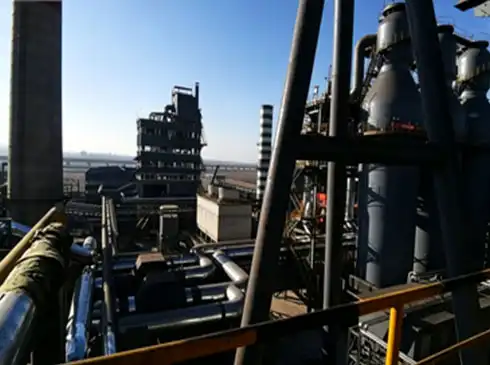
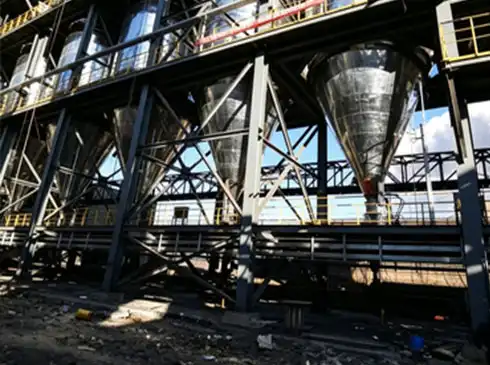
By carefully handling important structure weaknesses, refractory degradation, and cooling system failures that endanger worker safety and production continuity, the overall blast furnace renovation service significantly improves operating safety. Renovation projects remove the risk of catastrophic breakouts, stop toxic gas leaks, and set up strong thermal management protocols that protect both people and equipment during long operational campaigns. This is done by completely overhauling furnace shells and hearth linings and adding advanced monitoring technologies.
Understanding Blast Furnace Renovation and Its Impact on Operational Safety
Defining Comprehensive Furnace Renewal Services
The overall blast furnace renovation service is more of a full technical change than just repair work. This methodical approach includes taking apart damaged structural parts, changing old refractory materials, improving the cooling system, and adding modern automation systems. Regular maintenance only fixes problems on the surface. Renovation, on the other hand, fixes problems deep inside the hearth, bosh, and shell parts that have a direct effect on safety.
Distinguishing Renovation from Routine Maintenance
It can be hard for procurement managers to tell the difference between upkeep plans and renovation needs. Through regular checks, small fixes, and lubricating parts, maintenance efforts try to keep things in good shape. Renovation projects are done when major damage, like carbon block weathering, stave failure, and shell warping, threatens the structure's stability. When thermocouple readings show that the hearth is thinned below critical levels or when visual checks show that the shell is bulging, renovation is the only way to get things back to a safe working state.
Critical Triggers Demanding Immediate Intervention
Several signs show that repairs need to be done right away. The typical "elephant foot" weathering pattern in refractory wear shows that hot iron penetration risks exist. Corrosion on cooling staves makes it harder to control temperature, which leads to hotspots that speed up material failure. Cracks around the edges of shell plates, charging equipment that isn't lined up right, or uneven movement of base supports are all signs of structural degradation. Each sign is a safety risk that needs to be fixed all at once instead of one at a time.
Safety Enhancements Through Modern Materials Integration
In renovation projects, high-performance microporous carbon blocks are used. These blocks have a heat conductivity of more than 20 W/m·K and don't let molten iron through. These new refractories are much better at withstanding chemical attacks and sudden changes in temperature than older materials. Even when there is a lot of heat flow, high-purity copper staves or thin-wall cooling structures keep the shell temperatures below 80°C. This keeps the structure from weakening, which could cause it to fail catastrophically. Boiler-grade steel plates, like Q345R, are better at resisting heat expansion loads, which means they are less likely to crack or leak.
Identifying Safety Risks and Signs Indicating Blast Furnace Renovation Needs
Visible Warning Signs in Aging Furnaces
Plant engineers with a lot of experience can spot small changes that lead to major safety problems. Cracks on the furnace shell's surface, especially near the circumferential welds, show stress clusters caused by uneven heat expansion. Infrared screening can find changes in the temperature profile that indicate refractory thinning or cooling system clogs. Problems with tapping that don't happen on purpose could mean that hearth erosion is changing the way water drains, and higher carbon monoxide levels in work areas could mean that the gas seals aren't working right.
Catastrophic Hazards from Delayed Action
Putting off choices about overall blast furnace renovation service puts operations at risk of a number of terrible outcomes. When the hearth breaks, hot iron and slag are released into the foundation areas. This puts workers in danger and causes months of unplanned downtime. Failures in the shell let high-temperature gases escape, which can cause burns and dangerous exposure. When water hits molten metal from the cooling system, it causes steam bursts in the flood blast furnace spaces. In each case, there are terrible cash loses and life-threatening effects.
Maintenance Versus Renovation from Safety Perspectives
When figuring out how much risk there is, it's important to understand this difference. Maintenance tasks like changing wear plates, adjusting the load distribution, and cleaning the tuyeres stop the machine from gradually losing its performance, but they can't fix the underlying problems that are causing it to break down. Renovation projects fix areas that were damaged, bring back the original design standards, and get rid of safety problems that have built up over time. Professionals in procurement need to know the difference between small fixes that just put off expected failures and the overall blast furnace renovation service that makes sure operations are truly safe.
The Blast Furnace Renovation Process and Its Role in Enhancing Safety
Systematic Approach to Furnace Overhaul
The steps for the overall blast furnace renovation service are organized in a strict way. They start with thorough condition assessments using ultrasonic tests, x-rays, and laser alignment checks. Engineering teams make detailed plans for taking things apart that make sure that damaged parts are taken out safely while keeping structures that can be used again. When refractory is replaced, it must be done according to strict rules about the materials used and how they should be installed. These rules are backed up by tests of cold breaking strength and thermal shock resistance that meet ISO 5019 standards.
Advanced Technologies Elevating Safety Standards
During reassembly, precise alignment methods are used to keep the verticality within ±5mm tolerances and make sure that the gas spread is even. Before the furnace is heated up again, hydraulic testing of the cooling lines at 1.5 times the working pressure shows that there is no leakage. Before going back to production, thorough commissioning processes check all of the safety interlocks, emergency shutdown systems, and tracking equipment.
Modern repair projects use smart tracking systems that change how safety is managed. Multi-layered thermocouple grids built into hearth refractories send real-time data to digital twin models that precisely calculate the thickness of the refractories to the millimeter. Ultrasonic erosion monitors keep track of how much wear there is and send out alerts when critical levels are reached. Automated control systems improve charging processes and temperature regulation, which stops human mistakes that used to lead to safety problems.
Minimizing Production Disruption During Renovation
B2B decision-makers prefer remodeling methods that cut down on downtime. Using modular building methods, cooling stave pieces and refractory parts can be made at the same time before the furnace shuts down. Pre-engineered plans speed up the process of installing things. Renovation teams with a lot of experience can complete 1000m³ to 5000m³ furnace projects in 60 to 110 days by carefully planning their work and coordinating their resources. This efficiency keeps income losses to a minimum while building stronger safety grounds.
Choosing the Right Blast Furnace Renovation Service Provider for Safety Assurance
Essential Qualifications and Certifications
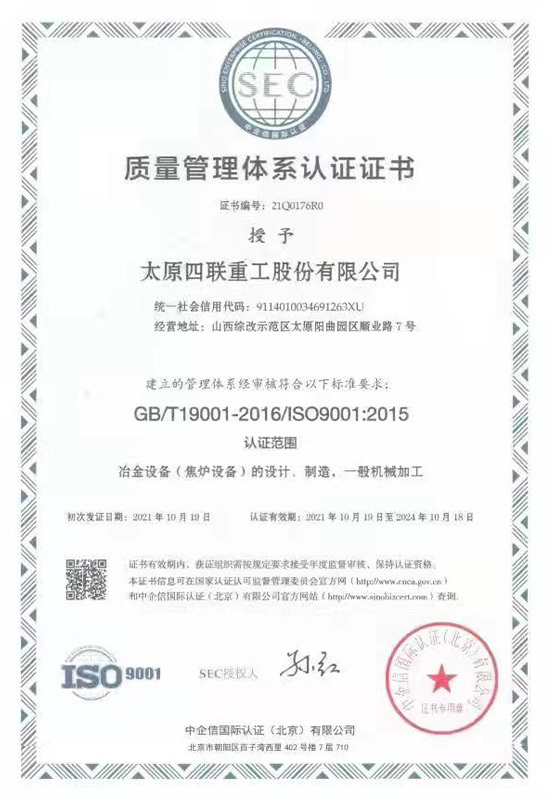
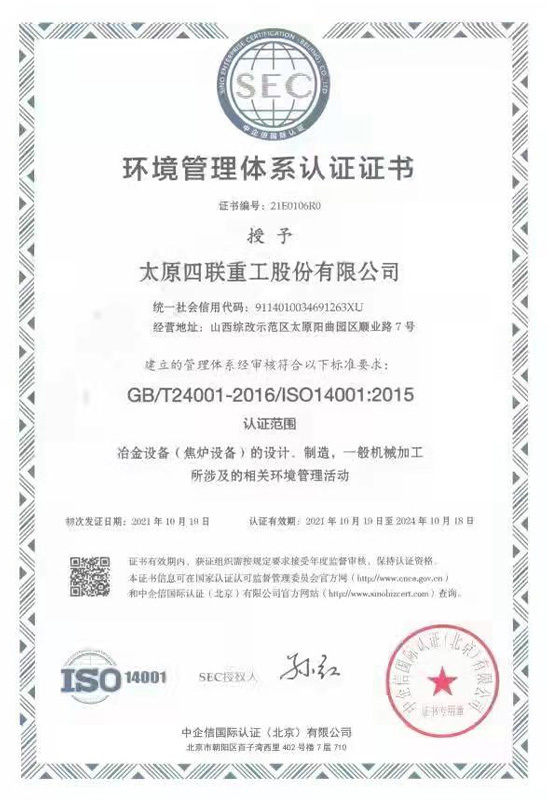
When choosing overall blast furnace renovation service partners, you need to carefully look at their technical qualifications and safety performance records. To be qualified, a service must have experience with ASME Section VIII compliance for welding pressure vessels, be good at non-destructive testing methods like ultrasound and radiographic inspection, and know about international refractory standards. Safety certifications from well-known industry bodies show that the right steps were taken to reduce risks during the makeover.
Evaluating Technical Expertise and Project Portfolios
Procurement teams should look at samples of finished projects that show how well repairs were done on furnaces of different sizes and shapes. Case studies that show how providers dealt with problems that came up during performance can help you understand how well you can solve problems. Referrals from past clients about meeting deadlines, the number of safety incidents during building, and how well the makeover worked afterward are useful pieces of information for making decisions. Companies that offer full turnkey solutions, from engineering design to post-commissioning support, usually have better teamwork and responsibility.
Contract Terms Ensuring Safety and Performance
Transparent service agreements spell out who is responsible for safety, what insurance covers, how to handle emergencies, and what the performance promises are. In order for contracts to be valid, they need to include clear language about the quality of the materials, how they should be inspected, what tests they need to be done, and how they should be accepted. Warranty terms that cover how long a refractory should last and how reliable a cooling system is protect clients' interests. Payment plans that are linked to verified milestone completion encourage safe work and good performance throughout the project.
Cost, Timeline, and Environmental Impacts: Safety-Driven Considerations
Investment Justification Through Risk Reduction
The costs of overall blast furnace renovation service are big investments that need a careful study of the finances. But when you look at the starting costs along with the money you could lose from unplanned shutdowns, accident liabilities, and lower output, there is a strong economic case for doing what you need to do. A single hearth breakout can cause repair costs, missed production income, and fines from the government that are much higher than the cost of a full makeover. Better safety directly leads to more reliable operations, lower insurance costs, and higher happiness among workers, all of which help a business make money in the long run.
Environmental Safety and Regulatory Compliance
Modern methods of remodeling put reducing environmental hazards and improving operating safety at the top of the list. Newer top gas cleaning systems get rid of almost all of the fugitive fumes that used to cause health risks at work and problems with the air quality in the neighborhood. Better fire covering keeps process materials from polluting the groundwater. Improvements to energy recovery lower running costs and reduce carbon footprints. These improvements in environmental safety help facilities stay in line with changing rules, which helps them avoid fines and support their promises to sustainability, which are becoming more and more important to their ability to compete in the market.
Strategic Scheduling for Uninterrupted Safety
When you plan your renovations well, you make sure that the time of the work fits with production schedules, repair windows, and market demand cycles. Possible problems, like finding unexpected refractory damage, supply chain delays, or weather outages, can be dealt with by contingency measures that don't lower safety standards. Providers can act quickly when unexpected failures pose immediate safety risks thanks to emergency rescue capabilities. This strategy adaptability makes sure that renovation projects improve operational safety rather than risk it during the execution stages.
Conclusion
By carefully removing structural weaknesses, incorporating advanced materials, and putting in place smart tracking systems, an overall blast furnace renovation service results in hugely improved safety. When looking at renovation investments, procurement professionals should give more weight to providers who can show they have proven technical knowledge, strict safety procedures, and open project execution. The operating benefits—a campaign that lasts up to 15 to 20 years longer, fewer accidents, better compliance with regulations, and better environmental performance—justify repair investments while protecting workers and keeping production going. Strategic planning for renovations gives mining companies a long-term competitive edge based on safety standards that can't be compromised.
FAQ
How long does a typical furnace renovation take?
Renovation times depend on how big the boiler is and how complicated the work is. When using flexible building methods, projects with 1000m³ to 5000m³ furnaces usually need 60 to 110 days from when they are shut down to when they are turned back on. Experienced execution teams, detailed planning before shutting down, and making parts at the same time all help keep downtime to a minimum while still meeting strict safety and quality standards for the overall blast furnace renovation service.
Can renovation improve environmental compliance?
Modern repair projects are much better for the environment because they use better gas cleaning systems, seal hearths better, and improve energy recovery systems. These changes almost completely get rid of fugitive emissions, protect the environment, and lower carbon footprints. This helps sites meet changing government rules and supports community relations and business sustainability goals.
What lifespan can be expected after complete renovation?
When repairs are done correctly using high-quality microporous carbon blocks, improved cooling staves, and precise installation methods, campaigns usually last for 15 to 20 years. Actual life relies on how often it is used, the quality of the raw materials, how well it is maintained, and how well it is followed during operation. Integrated tracking systems allow for proactive management that raises the worth of renovations.
How is hearth erosion monitored post-renovation?
During modern repairs, complex tracking systems with multi-layered thermocouple arrays are built into fireplace refractories. Using heat flux analysis, the data from these devices is fed into special software that figures out the thickness of the fire in real time. This digital twin method keeps track of continuous erosion, which lets upkeep choices be made more accurately and stops sudden failures that put people in danger.
Partner with SMEC for Comprehensive Blast Furnace Renovation Solutions
SMEC uses our parent company's deep knowledge of coking and ironmaking technologies to bring a wide range of technical skills to metallurgical repair projects. We offer a full range of overall blast furnace renovation service. With state-of-the-art research centers and highly skilled technical teams, we provide bundled solutions that include structural renewal, refractory optimization, and automation upgrades. Forty of our 168 engineering professionals, including 30 senior engineers, work with top research institutions to come up with new ways to improve working safety and make tools last longer. Get in touch with our team at project@smec.cc to talk about how our full repair services can change the way your furnace works by using tried-and-true methods and reliable completion.
References
Blast Furnace Ironmaking: Analysis, Control, and Optimization. John Wiley & Sons, 2020.
Refractory Engineering: Materials, Design, and Applications. American Ceramic Society, 2019.
Modern Blast Furnace Operations: Technology and Safety Management. Metallurgical Industry Press, 2021.
Industrial Furnace Renovation: Best Practices and Case Studies. International Journal of Metallurgical Engineering, 2022.
Safety Management in Steel Production: Risk Assessment and Mitigation Strategies. Springer International Publishing, 2021.
Advanced Cooling Systems for High-Temperature Industrial Applications. Elsevier Science, 2020.
Free consultation & volume discounts available
SEMC focuses on the entire metallurgical process—from coking, ironmaking, and steelmaking to continuous casting and rolling. Whether you face challenges related to equipment upgrades, energy efficiency optimization, or overall process transformation, please fill in the following information. Our technical team will provide you with tailor-made high-end equipment upgrade solutions and professional EPC design services to help your project be implemented efficiently.








Recommended Blog
How to Choose a Reliable Blast Furnace Vent Valve Manufacturer?
Maintenance Tips for Blast Furnace Drill Rod Replacement Equipment
Installation Process for Blast Furnace Cast Iron Cooling Walls
Why Steel Plants Prefer Custom Blast Furnace Tuyere Equipment?
How Does High Furnace Body Lining Replacement Improve Efficiency?