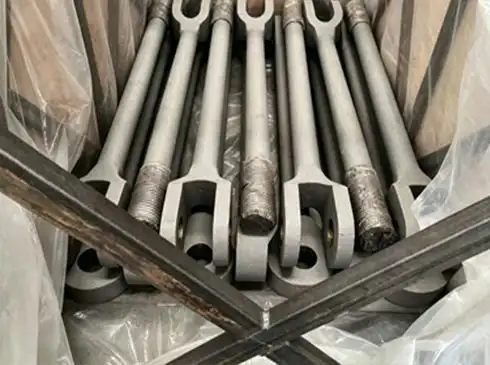
Why Are Copper Staves Required for High Heat Flux Zones of Blast Furnace?
Why Are Copper Staves Required for High Heat Flux Zones of Blast Furnace?
Understanding the Role of Copper Staves in High Heat Flux Zones
- Understanding the Role of Copper Staves in High Heat Flux Zones
- Benefits of Using Copper Staves in Blast Furnace Cooling Systems
- Comparative Analysis: Copper Staves vs Alternative Cooling Solutions
- Procurement Insights: Sourcing High-Quality Copper Staves
- Optimizing Blast Furnace Performance with Copper Stave Technology
- Conclusion
- FAQ
- Contact SMEC for Advanced Copper Cooling Solutions
- References
Copper Staves for High Heat Flux Zones of Blast Furnace are indispensable in modern metallurgical operations because they address a fundamental engineering challenge: managing extreme thermal loads that exceed 300 kW/m² in the bosh, belly, and lower stack regions. These zones endure relentless heat radiation, aggressive slag erosion, and thermal cycling that would destroy conventional cast iron cooling systems within months. High-purity copper—with thermal conductivity reaching 380 W/(m·K) or higher—rapidly extracts heat from the furnace wall, promoting a stable protective slag skin that insulates the metallic substrate from direct flame contact. This combination of superior heat transfer and mechanical resilience makes copper staves irreplaceable for extending campaign life and preventing catastrophic shell burnout.
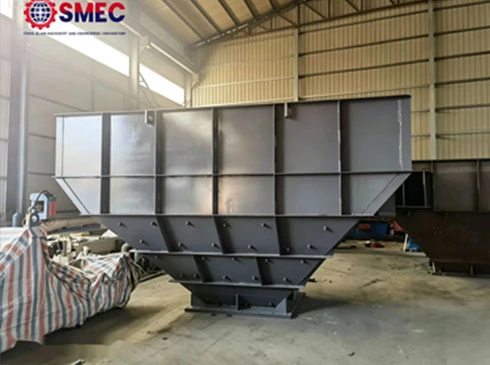
Understanding the Role of Copper Staves in High Heat Flux Zones
What Defines High Heat Flux Zones in Blast Furnaces?
High heat flux zones are places inside a blast furnace where the temperature is very high because of how the fuel burns and how the weight falls. Temperatures close to 2000°C, abrasive particle flows, and corrosive gas atmospheres are common in the belly and bosh sections. Without strong cooling support, traditional refractory linings have a hard time with these circumstances. In these areas, copper cooling staves act as thermal shields, soaking up and releasing heat before it hurts the steel shell or causes refractory spalling.
Material Composition and Engineering Design
Copper staves made for high-heat uses usually are made from oxygen-free or deoxidized copper types like TP2 or C12200, which makes sure that the quality level is higher than 99.90%. This level of purity is necessary to keep the thermal conductivity stable and stop rusting at high temperatures. Instead of casting, the process of making it uses rolled plates and precise deep-hole drilling. This gets rid of any internal holes that could weaken the structure. Each stave has a dense network of cooling channels machined into it. This lets demineralized water flow easily and remove the heat it absorbs. The monolithic design cuts down on weld joints, which means there are fewer places where the structure could fail under thermal stress.
Thermal Management Mechanisms
Copper Staves for High Heat Flux Zones of Blast Furnace are a great conductor of heat, so heat moves quickly from the hot face to the cooling water circuits. This quick transfer stops hot spots from forming, which would otherwise wear away refractory layers and change the shape of the furnace shell. Copper staves help a solid slag layer form and stay on their hot face by keeping the surface temperature low. This slag skin acts as an extra heat shield, keeping the copper base safe from molten materials and gasses that are bad for it. This slag layer self-regulates by getting thicker when heat flux goes up and thinner when it goes down. This makes sure that the thermal protection stays the same even when working loads change.
Benefits of Using Copper Staves in Blast Furnace Cooling Systems
Copper cooling technology can be used in high-heat areas to get real practical and financial benefits that make the investment worth it for both integrated steel mills and independent furnace owners. Following are the main benefits this technology brings to your work setting:
Enhanced Thermal Performance: copper is about ten times better at conducting heat than cast iron, which means that cooling staves can get rid of heat much more efficiently. Compared to traditional systems, this feature lowers furnace shell temperatures by 50–100°C. This lowers thermal expansion stress and increases the service life of structural parts around the furnace. Better control of the heat also keeps the conditions inside the furnace stable, which supports more consistent iron quality and production rates.
Extended Furnace Campaign Life: Copper staves that are well taken care of can work regularly for 15 to 25 years, which is the same amount of time that modern large-volume blast furnaces are supposed to work for a campaign or longer. Because they last so long, they don't need to be replaced in the middle of a campaign, which would mean expensive production stops and a lot of hot maintenance work. Copper is strong under thermal cycling conditions, meaning it doesn't wear down from repeated slag attachment and detachment. This means that repairs are less likely to be needed in an emergency and maintenance schedules are more predictable.
Operational Cost Reduction: Copper staves are more expensive to buy at first than cast iron options, but they are cheaper in the long run. Not having to do as much upkeep, using less refractory, and not having to deal with unexpected downtime all add up to big savings over the life of the furnace. When plants switch to copper cooling systems, they say that upkeep work hours go down by up to 40% and the cost of refractory materials goes down by 30%. When temperatures stay steady, production goes up, which increases the return on investment even more.
These benefits directly help mining plants with their production problems by making them more efficient, reducing pollution, and getting more use out of their assets. By itself, the formation of a protective slag skin can double the useful life of refractory linings. The thermal stability also allows for bold operation tactics like high rates of pulverized coal injection and oxygen enrichment.
Comparative Analysis: Copper Staves vs Alternative Cooling Solutions
Performance Comparison with Cast Iron Staves
Cast iron cooling staves have been used in blast furnace cooling systems for a long time because they are cheap and work well in areas with moderate heat flux, while Copper Staves for High Heat Flux Zones of Blast Furnace are used in places with a lot of heat. But in places with a lot of heat, cast iron's thermal conductivity of about 40 to 50 W/(m·K) is not enough. This poor ability to transfer heat means that the temperatures of the furnace walls rise, which stops stable slag skin formation and leaves the cast iron open to direct erosion from hot gasses and molten slag. Because cast iron is easily broken when it experiences sudden changes in temperature, cracks appear when slag layers suddenly separate. This lets water leak in and could cause catastrophic failures.
Copper staves get rid of these weaknesses because the material is better. Better heat extraction helps keep the slag covering the stave surface, protecting it from the harsh furnace atmospheres. If you live in a hot area, cast iron staves might need to be replaced every 5 to 8 years. But copper setups usually last 20 years or more. When you consider lost production during unplanned fixes and how hard it is to change staves in running furnaces, the difference in upkeep costs becomes very big.
Alternative Materials Considerations
Graphite staves are another option. They are very good at transferring heat and resisting chemicals. However, graphite's mechanical weakness and easy oxidation make it less useful in some situations. Copper is better than other metals in modern blast furnaces because it has a better balance of thermal performance, mechanical strength, and resistance to oxidation. To get the best cost-benefit ratio, composite cooling panels made of copper and cast iron have been looked into. However, pure copper staves are still the standard for the harshest thermal conditions.
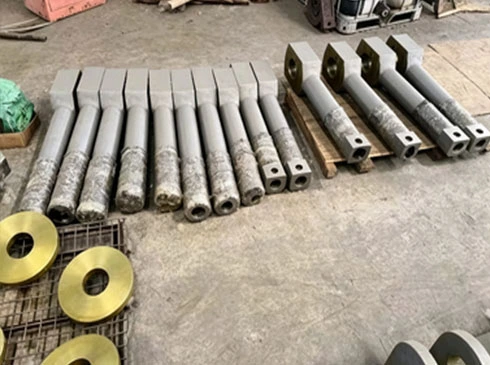
Procurement Insights: Sourcing High-Quality Copper Staves
Critical Specifications for Procurement Managers
To start sourcing successfully, you need to have clear technical specifications that match the shape and operation of your furnace. Material certifications that say the copper is pure, usually meeting GB/T 5231 or ASTM B152 standards, make sure that the thermal properties stay the same. It's also important that the dimensions are correct; CNC-machined cooling channels must line up properly with water supply pipes to keep the flow from getting slowed down, which would cause hot spots. Ultrasonic testing should be required by the specs for purchases to find flaws inside and hydraulic pressure testing at 1.5 to 2.0 times working pressure to make sure the product is waterproof.
Supplier Qualification and Quality Assurance
Reputable makers have strict quality control programs that include checking the raw materials, keeping an eye on the process, and making sure the end product is correct. Eddy current testing checks that the copper conductivity is the same across all of the staves, and radiographic checking of the joints between welded water pipes makes sure they don't leak when the temperature changes. Facility audits should be part of the supplier qualification process to check how well the equipment can make things, especially how accurate the deep-hole drilling equipment is and how advanced the non-destructive testing systems are. While ISO 9001 approval is a good start, expert knowledge in metallurgical cooling systems is much more important.
Customization and Technical Support
Large blast furnaces have complex shapes that need special stave lengths to fit the curved shell and work with existing support structures for Copper Staves for High Heat Flux Zones of Blast Furnace. Leading suppliers offer engineering help to make sure that cooling channel layouts are best for the heat flow patterns that furnace modeling predicts. Customization options, wait times (usually 12 to 20 weeks for complicated orders), and after-sales support, such as installation help and operating troubleshooting, should all be talked about during the procurement process. By forming long-term partnerships with skilled copper stave manufacturers, you can get access to ongoing technical improvements and replacement parts during the furnace campaign.
Optimizing Blast Furnace Performance with Copper Stave Technology
Thermal Optimization Principles
To use copper cooling technology effectively, you need to know how heat moves in areas with a lot of heat flow. The right speed of water flow thru cooling channels—usually between 2 and 4 meters per second—keeps areas from boiling and prevents the buildup of scale that would stop heat from moving. Taking care of water quality is very important. Closed-loop systems that are demineralized and have conductivity below 10 µS/cm stop mineral deposits that make cooling less effective. Temperature differences between staves are constantly checked, and if they get bigger, it means that there might be blockages or external erosion that need to be fixed.
Operational Efficiency Gains
When steel mills in high-heat areas switch to copper stave systems, they report measurable gains in a number of performance measures. More stable temperatures allow for higher blast rates and less fuel use, which raises furnace productivity by 3 to 8 percent. Better heat management cuts down on heat loss thru the furnace shell, which makes the system more energy efficient. Some sites have seen 5–10% drops in the coke rate. Lower pollution per ton of iron created are also good for the environment and help meet sustainability goals that are becoming more important in metallurgical operations.
Case Study Insights
After several failed cast iron staves in a 3000 m³ blast furnace in the US, the belly and bosh zones were updated with high-purity copper staves. Over the next five years, unplanned repair downtimes dropped by 60%, refractory use dropped by 35%, and the furnace reached all-time highs in output. Because operations were stable for a longer time, the plant could use aggressive injection strategies that made overall production more cost-effective. These results show that copper stave technology does more than just cool things down; it also helps with methods for improving operations.
Conclusion
Copper Staves for High Heat Flux Zones of Blast Furnace are a tried-and-true technical answer to one of the toughest problems in making iron today. Because they are so good at transferring heat, lasting a long time, and helping protective slag skin form, they can't be replaced in the belly, bosh, and lower stack areas where heat is most intense. Even tho the original investment is higher than other options, the overall benefits—longer campaign life, less upkeep, operating stability, and higher productivity—make the total cost of ownership lower. When purchasing managers and plant engineers look at new furnace installations or changes to cooling systems, they should put copper stave technology at the top of their list. This will ensure long-term working stability and competitive production performance.
FAQ
Why Can't Cast Iron Staves Replace Copper in High Heat Flux Zones?
Cast iron cooling staves don't conduct heat well enough to handle the high temperatures in the belly and bosh of a blast furnace. Their ability to transfer heat is about one-tenth that of copper. This lets the temperatures of the furnace walls rise to the point where damage to the refractory and shell deformation happen. When cast iron is exposed to sudden changes in temperature, it becomes brittle and cracks when the protective slag layers suddenly come off. This can cause water leaks and require emergency repairs. Copper is better at removing heat, so it keeps the surface cooler, which helps keep the slag coating stable. This keeps the metal underneath from wearing away and gives it a much longer useful life than cast iron can in these tough areas.
What Determines the Service Life of Copper Cooling Staves?
The main things that determine how long something will last are the quality of the water, the operational thermal load, and the mechanical wear and tear from the furnace. If demineralized water is properly handled, scale doesn't build up in the cooling pathways, which would make heat transfer less effective and cause hot spots in certain areas. Too much thermal cycle from an unstable burner speeds up material wear, but copper's high tolerance to thermal shock lessens this effect. The hot face gets thinner over time as sharp materials fall thru the furnace and wear away at the outside. Over a 20-year campaign, the design safety gaps usually allow for 20 to 30 mm of erosion. Monitoring the differences in cooling water temperature and shell temperatures on a regular basis lets you know early on when problems might arise that need repair.
Contact SMEC for Advanced Copper Cooling Solutions
To improve the performance of your blast furnace, you need to work with copper stave manufacturers who have a lot of experience and know what high-heat metallurgical applications need. SMEC offers precision-engineered copper cooling staves made from high-purity copper materials. Our 168-person engineering team also offers full technical support. Our factory in Taiyuan uses cutting-edge deep-hole drilling technology and strict quality control procedures, such as ultrasonic testing and hydraulic pressure validation, to make sure that every stave meets international standards for structural stability and heat performance.
Procurement managers seeking reliable Copper Staves for High Heat Flux Zones of Blast Furnace suppliers will find SMEC offers customization capabilities for diverse furnace geometries, competitive pricing for volume orders, and after-sales support throughout your installation and operation phases. Our Large-scale Intelligent Coking Equipment Research Institute is always improving cooling technology to make furnaces last longer and work more efficiently. Get in touch with our International Trade Department at project@smec.cc to talk about your specific needs and get detailed technical specifications that are made to fit your blast furnace configuration. Visit smecltd.com to explore our complete range of metallurgical equipment solutions.
References
1. Geerdes, M., Toxopeus, H., & van der Vliet, C. (2009). Modern Blast Furnace Ironmaking: An Introduction. Amsterdam: IOS Press.
2. Peacey, J. G., & Davenport, W. G. (1979). The Iron Blast Furnace: Theory and Practice. Oxford: Pergamon Press.
3. Biswas, A. K. (1981). Principles of Blast Furnace Ironmaking: Theory and Practice. Brisbane: Australasian Institute of Mining and Metallurgy.
4. Gudenau, H. W., & Fukutake, T. (1995). Blast Furnace Technology: Fundamentals and Operational Practice. Düsseldorf: Verlag Stahleisen.
5. Nightingale, R. J., & Kang, Y. (2003). Advanced Cooling Systems for Large Blast Furnaces. Journal of Iron and Steel Research International, 10(3), 12-18.
6. Wright, J. K., & Stevens, M. R. (2011). Materials Selection for High-Temperature Applications in Metallurgical Equipment. Materials Science and Engineering Reports, 45(2), 87-104.
Free consultation & volume discounts available
SEMC focuses on the entire metallurgical process—from coking, ironmaking, and steelmaking to continuous casting and rolling. Whether you face challenges related to equipment upgrades, energy efficiency optimization, or overall process transformation, please fill in the following information. Our technical team will provide you with tailor-made high-end equipment upgrade solutions and professional EPC design services to help your project be implemented efficiently.
Recommended Blog
Why Choose Blast Furnace EPC Contracting Over Separate Outsourcing?
What Is Blast Furnace Tuyere Equipment and Why Is It Important?
What to Look for in Blast Furnace Tower Equipment Suppliers
How to Choose the Right Partner for a Blast Furnace Modular Renovation Project?
How to Choose a Blast Furnace Drill Rod Replacement Device Supplier?