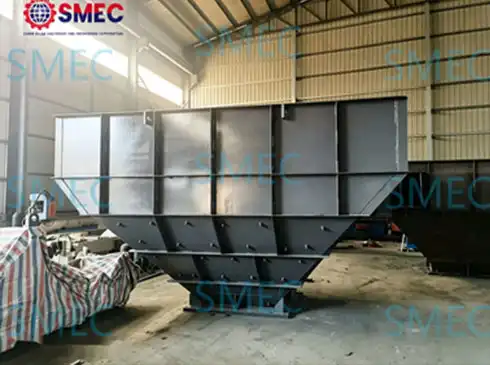
How Blast Furnace Tower Equipment Supports Efficient Ironmaking?
Understanding Blast Furnace Tower Equipment and Its Role in Ironmaking
- Understanding Blast Furnace Tower Equipment and Its Role in Ironmaking
- Key Design Principles and Operational Advantages of Modern Blast Furnace Towers
- Common Challenges and Maintenance Best Practices for Blast Furnace Tower Equipment
- Comparing Blast Furnace Tower Equipment: Making the Right Procurement Choice
- Future Trends and Innovations in Blast Furnace Tower Equipment
- Conclusion
- FAQ
- Partner With SMEC for Advanced Tower Solutions
- References
Modern ironmaking relies on blast furnace tower equipment, which incorporates charging systems, pressure control units, and material delivery devices. This integrated system maintains accurate temperature conditions and gas flow dynamics to continuously reduce iron ore into molten pig iron. Advanced automation and heat-resistant design offer operational stability while tackling crucial difficulties like thermal expansion management and high-pressure gas sealing, processing raw materials into quality iron efficiently.
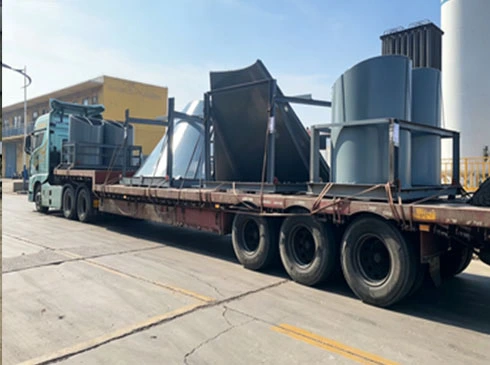
Understanding Blast Furnace Tower Equipment and Its Role in Ironmaking
Modern ironmaking plant tower assemblies depend on structural stability and precision. Knowing the core purpose of blast furnace tower equipment helps procurement experts make educated decisions that affect productivity and operational sustainability, according to SMEC.
Core Components That Drive Performance
The furnace tower has several interdependent mission-critical sections. Whether with a skip hoist or a bell-less top, the filling system delivers raw materials on schedule and in position. Top pressure control systems maintain pressures over 2.5 bar to improve chemical processes by managing internal atmospheres. Fires that might harm the structure or reduce efficiency are prevented by cooling staves that limit heat flow and preserve the refractory linings.
The Ironmaking Workflow and Tower Integration
Automated devices move raw materials up the tower structure from ground level. Complex procedures uniformly distribute materials into the furnace's top, which is crucial to gas flow and reduction efficiency. Tower gas offtake systems clean and recover energy from industrial gases, converting potential pollutants into beneficial byproducts. Vertical integration reduces material handling losses and seals the environment, preserving iron purity.
Impact on Productivity Metrics
When properly constructed, blast furnace tower equipment affects several crucial performance variables. Material processing capacity increases when charging systems function without bottlenecks. Evenly spreading the burden increases gas efficiency and reduces coke usage per ton of iron produced. Design strength reduces downtime due to temperature cycles and mechanical stresses of continuous operation. All of these factors determine whether a plant accomplishes production goals while controlling operational expenses.
Key Design Principles and Operational Advantages of Modern Blast Furnace Towers
Decades of metallurgical research, materials science, and control engineering have led to modern designs. SMEC engineers employ proven design approaches to help steel manufacturers and metallurgical companies work more effectively with blast furnace tower equipment.
Structural Engineering for Extreme Conditions
Low-alloy high-strength steels like Q345R and Q390GJR are used in modern blast furnace tower equipment because they withstand combined mechanical and thermal stresses. Quick on-site assembly and exact measurements are confirmed with 3D laser scanners and modular building methods. Differential thermal development between the furnace shell and tower framework is addressed by expansion joints and movable support systems, preventing stress concentrations that could trigger structural failure. Seismic resistance ratings keep activities functioning even in geologically active regions.
Advanced Automation and Process Control Integration
Programmable logic devices and distributed control systems have revolutionized tower operation. Monitoring load levels, top gas makeup, and internal temperatures in real time helps personnel make immediate modifications to optimize reduction efficiency. Automated charging procedures eliminate human error in material distribution and maximize work output. Predictive maintenance programs arrange repairs based on sound and temperature trends before parts fail and production stops.
Here are the core operational advantages these design principles deliver:
Energy Efficiency Through Gas Management: Gas management saves energy by sealing the furnace top to keep valuable reducing gases in. Modern offtake systems capture sensible heat for electricity generation or preheating. New tower designs save 8–12% on fuel compared to previous equipment generations.
Extended Equipment Lifespan via Material Selection: ISO 12944-compliant corrosion-resistant coatings protect structural steel from sulfurous and nitrogenous gasses. In refractory support systems, strong thermal conductivity materials decrease shell temperatures, allowing the cooling system to survive over 25 years with regular maintenance.
Emission Reduction Meeting Regulatory Standards: Dust suppression technologies in charging ports and hydraulic shutting mechanisms reduce particle emissions below EPA and European requirements. This environmental compliance helps the organization achieve sustainability and protect essential working permits.
Operational Uptime Maximization: Backup seals, duplicate instrumentation, and hot-swappable control units for critical functions maximize operational uptime. This prevents costly production delays from repairs or damaged parts, helping plants exceed 95% availability annually.
Common Challenges and Maintenance Best Practices for Blast Furnace Tower Equipment
Repairing blast furnace tower equipment in tough ironmaking circumstances is difficult and requires proactive maintenance planning. SMEC has collaborated with plant engineers to develop inspection procedures that detect faults before they become safety hazards or disrupt operations.
Operational Stress Points Requiring Attention
Refractory wear accelerates in areas with high temperature cycles and mechanical abrasion from falling materials. Scaling from poor water quality or temperature shock on copper panels can cause cooling stave failures. Material impact and dust ingress into gear systems wear down mechanical charging devices like skips, bells, and rotary distributors. Gas sealing systems fail when valve seats wear out or temperature fluctuations misalign sealing surfaces.
Proven Inspection and Intervention Strategies
Load-bearing weld seams in blast furnace tower equipment should be ultrasonically and radiographically inspected during scheduled shutdowns. Thermal imaging scans reveal developing hotspots of refractory thinning or cooling system failure, allowing targeted fixes rather than large relining. Vibration studies on spinning charging equipment can detect worn bearings weeks before failure. Laser scanning ensures structural element dimensions stay within design limits even when temperature fluctuates.
Quality Standards Guiding Maintenance Activities
Replacement parts must meet or exceed original standards, and test sheets showing chemical and mechanical properties must trace materials back to their sources. Welder licenses must be current, and welding procedures must be qualified to ASME Section IX standards. To ensure adequate protection, protective coating repairs must prepare the surface according to SSPC-SP requirements and monitor dry film thickness. Hydrostatic and pneumatic testing shows gas-tightness following pressure boundary maintenance, reducing undiscovered leak threats.
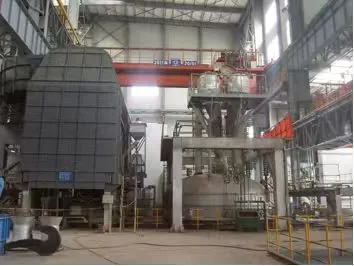
Comparing Blast Furnace Tower Equipment: Making the Right Procurement Choice
Buying major capital blast furnace tower equipment might impair or enhance flexibility, upkeep, and long-term production. Knowing equipment configurations helps buyers match specifications to building demands and strategic goals.
Functional Differences Affecting Suitability
Bell-less top systems manage load distribution better than double-bell installations, allowing accurate ore-to-coke ratio changes over the furnace radius. This precision improves gas utilization and lowers fuel prices, though it requires higher initial capital. Skip hoist charging systems work well on small sites or brownfield rehabilitations. For greenfield installations, belt conveyor towers have better throughput and gentler material handling. High-pressure operation demands improved sealing and structural strengthening to support revenue streams from gas recovery.
Supplier Evaluation Criteria for Confident Selection
Project success depends on a supplier's technical expertise and quality systems certified to ISO 9001 and pressure equipment directives. With engineering aid during planning, equipment works well with present infrastructure and is correctly sized for expected production rates. Installation aid like comprehensive designs, on-site control, or full building management reduces commissioning risks. After-sales service networks with replacement parts and technical troubleshooting minimize downtime when operating difficulties arise.
Custom Manufacturing and Compliance Considerations
Standard designs seldom include modern facilities or specialized metallurgical processes. Engineering customization lets suppliers adjust tower heights, charging capabilities, and automation interfaces to suit a specific location. Following regional standards like ASME codes in North America, EN standards in Europe, or GB standards in Asia ensures government approval and insurance coverage. Documentation packets comprising design calculations and quality control data aid start-up and maintenance planning.
Future Trends and Innovations in Blast Furnace Tower Equipment
Pressure is mounting on the ironmaking sector to reduce carbon density while maintaining cost and productivity using modern blast furnace tower equipment. New technologies are changing how these systems achieve these often contradictory aims.
Digital Technologies Enhancing Operational Intelligence
IoT-enabled sensor networks now evaluate dozens of process parameters and feed data to cloud-based analytics tools to enhance optimization opportunities humans cannot see. Machine learning techniques detect minor patterns before equipment breaks, arranging repairs during planned downtime. Digital twin simulations allow staff to evaluate process modifications online before implementing them, reducing resource-wasting trial-and-error testing. These technologies require towers with sensor mounting and control system architecture that allow software integration.
Energy-Saving Innovations Reducing Operating Costs
New cooling stave designs make heat removal easier, allowing more heat to be recovered for steam or combustion air. Instead of keeping charging motors and fans at full capacity, variable-frequency drives adjust power utilization to match process demands. More efficient refractory materials prevent shell heat loss, requiring less cooling water and energy to pump. Recuperative gas cleaning systems recover thermal energy lost during conventional brushing. These innovative concepts can reduce building energy usage by 15–20% compared to older technology.
Environmental Compliance Driving Material and Process Changes
Sealing charging systems with negative pressure dust collecting are becoming more common due to stricter particle emission limitations. Water quality regulations require cooling system designers to use closed loops with less blowdown. Carbon costs and greenhouse gas emission constraints are encouraging the use of bio-coke and hydrogen to modify processes. Changing blast furnace tower equipment to accommodate varying gas volumes and kinds may be necessary, and suppliers of adaptable equipment assist facilities in future-proofing their capital assets.
Conclusion
Investing in blast furnace tower equipment will have long-term benefits on iron production, cost, and environmental impact. Procurement teams may pick long-term solutions by understanding how structural design, process integration, and upkeep needs interact. Modern towers with high-tech materials, automation, and fast maintenance access enable steel producers and EPC businesses to achieve reliability and efficiency. As the industry develops toward digital efficiency and sustainability, selecting adaptable equipment with long-term supplier technical support becomes increasingly crucial. Thorough evaluation of supplier capabilities ensures that capital decisions align with both immediate operational needs and long-term strategy goals.
FAQ
What determines the optimal maintenance interval for tower equipment?
Maintenance frequency, material characteristics, and blast furnace tower equipment type determine when to conduct maintenance. High-production factories utilizing rough iron ores may need to inspect the cooling stave every 18–24 months, whereas those using high-quality materials can wait 30–36 months. Critical wear components are evaluated every 6–12 months depending on production. Predictive monitoring systems track equipment's actual status rather than random periods to inform scheduling.
Which features should procurement teams prioritize during equipment selection?
Modern control systems immediately affect operations efficiency and manpower needs. Structural designs that accommodate thermal expansion prevent stress-related breakdowns and costly unexpected outages. Gas sealing efficiency affects energy recovery costs and environmental compliance. Modular construction simplifies installation and future growth. Full support after the sale, including replacement parts and technical troubleshooting, protects the company investment throughout the equipment's lifespan.
Can tower equipment be customized for specific facility requirements?
Reliable manufacturers offer extensive modification to meet site constraints, output objectives, and unique procedures. Tower heights depend on vertical space, charging capabilities on predicted throughput, and automation links with plant control systems. Material requirements can be raised for difficult operating circumstances, and environmental control systems can be built to fulfill local regulations. Custom engineering ensures equipment is optimized for each location's unique operational context.
Partner With SMEC for Advanced Tower Solutions
SMEC has over 20 years of specialized experience as an engineer for blast furnace tower equipment. We provide superior manufacturing abilities and experienced support, having successfully installed equipment in many working environments using international-standard quality control. Our 168-person engineering team works with customers from concept to commissioning to ensure solutions satisfy realistic demands and budgets. The Taiyuan facility has 23,000 square meters for production and can handle conventional and custom configurations, with quality controls including non-destructive testing and hydrostatic validation. Procurement professionals should discuss project needs with our technical specialists to discover how our unified approach to building and servicing equipment may optimize ironmaking processes. Contact us at project@smec.cc to schedule a meeting and learn how SMEC's reliable and efficient tower solutions can help you meet your production goals.
References
Geerdes, M., Toxopeus, H., & van der Vliet, C. (2020). Modern Blast Furnace Ironmaking: An Introduction. IOS Press, Amsterdam.
Peacey, J. G., & Davenport, W. G. (2019). The Iron Blast Furnace: Theory and Practice. Pergamon Press, Oxford.
International Iron and Steel Institute. (2021). Energy Efficiency and CO2 Emissions Reduction in the Steel Industry. IISI Technology Committee Report, Brussels.
Biswas, A. K. (2018). Principles of Blast Furnace Ironmaking: Theory and Practice. SBA Publications, Kolkata.
American Society of Mechanical Engineers. (2022). ASME Boiler and Pressure Vessel Code, Section VIII: Pressure Vessels. ASME, New York.
European Commission. (2020). Best Available Techniques Reference Document for Iron and Steel Production. Joint Research Centre, Seville.
Free consultation & volume discounts available
SEMC focuses on the entire metallurgical process—from coking, ironmaking, and steelmaking to continuous casting and rolling. Whether you face challenges related to equipment upgrades, energy efficiency optimization, or overall process transformation, please fill in the following information. Our technical team will provide you with tailor-made high-end equipment upgrade solutions and professional EPC design services to help your project be implemented efficiently.
Recommended Blog
Overall Blast Furnace Renovation vs Partial Upgrade: Which Is Better?
OEM Blast Furnace Tuyere Equipment: Benefits for Steel Plants
Comparing Manual Inspection vs. Automated Tuyere Imaging Services
Maximizing ROI: Is Investing in Tuyere Imaging Service Worth the Cost?
What Makes High-Performance Blast Furnace Valves Different?
What Makes a Three-Ring Cone Scrubber More Efficient Than Traditional Scrubbers?
Why Modern Steel Plants Use Automatic Drill Rod Replacement Devices