Does Gas Purification Revamping Require Blast Furnace Shutdown?
Understanding Blast Furnace Gas Purification and Its Revamping Needs
- Understanding Blast Furnace Gas Purification and Its Revamping Needs
- Advanced Solutions for Minimal Production Disruption
- Key Technologies Elevating Purification Performance
- Proven Results From Real-World Applications
- Sustaining Performance Through Proactive Maintenance
- Conclusion
- FAQ
- Partner With SMEC for Comprehensive Gas Purification Solutions
- References
The revamping of blast furnace gas purification system does not always demand a complete furnace shutdown. Modern engineering approaches now enable phased upgrades, modular installations, and bypass configurations that allow continuous operation during most construction activities. The decision hinges on project scope, existing infrastructure, and coordination with planned maintenance windows. Many metallurgical plants successfully execute these upgrades through strategic scheduling and advanced installation techniques, minimizing production disruptions while achieving ultra-low emission targets and enhanced operational efficiency. This approach balances safety protocols with economic realities, ensuring steel producers maintain productivity throughout environmental compliance initiatives.
Understanding Blast Furnace Gas Purification and Its Revamping Needs
The Core Function of Gas Purification Systems
When iron is made, dust particles, sulphur compounds, nitrogen fumes, and water are released into the air as blast furnace gas. There are 10–40 g/Nm³ of particles in raw gas that can damage equipment further down the line, such as top-gas-recovery turbines and hot-blast stoves. This harmful waste product is turned into a useful energy source by scrubbers, filters, and absorption units in purification systems. These systems keep important machinery from wearing down, keep burners from getting clogged, and allow gas to be used again for heating or power generation, which has a direct effect on a facility's carbon footprint and operational costs.
Why Revamping Becomes Necessary?
Aging infrastructure has a lot of problems that make people decide to improve it. Older wet scrubbing methods use too much water and make sludge that needs to be thrown away, which costs a lot of money. When bag filters get old, they stop working as well, which lets more dust in and breaks emission standards. Pipeline rust and buildup of particles slow down flow, which raises pressure drops and uses more energy. Regulatory standards around the world now require leftover dust levels to be less than 5 mg/Nm³, which is a level that many older systems can't reach. Wear and tear on equipment, problems with automation, and wasted energy all make running costs go up. To stay competitive, it's not only a good idea to update systems, it's a must.
Drivers Behind Modern Upgrades
Environmental laws are the main thing that drives changes to cleaning systems. The U.S. steel business has to deal with stricter Clean Air Act rules, and foreign markets have the same strict rules. Besides following the rules, operational benefits are what drive investing choices. Modern dry filtering keeps the useful heat in the gas, which increases TRT power output by 30 to 40 percent compared to wet systems. Early fault detection by automated monitoring keeps equipment from getting damaged. Fans and variable frequency drives that use less electricity cut down on power use. These improvements in technology directly lead to lower production costs, which makes remake projects financially appealing even if there are no rules or regulations to back them up.
Advanced Solutions for Minimal Production Disruption
SMEC's Turnkey Ultra-Low Emission Upgrade Engineering
The most important operational problems in the metallurgical industry are solved by SMEC's complete gas purification system transformation. The problems that our turnkey solution fixes are inefficient dust removal, poor desulfurization and denitrification performance, old equipment, high energy use, ash buildup in the pipeline, system blockages, and poor intelligent control. Because we have a lot of experience with environmental retrofitting in the steel industry, we can make full upgrade plans that fit the needs of each site, the loads of the blast furnace, and the environmental rules that must be followed in that area. After the change, systems fully meet national standards for ultra-low emissions. This fixes problems with environmental damage, inefficient equipment, wasted energy, hard upkeep, and missing compliance paperwork all along the operational chain.
The engineering scope in revamping of blast furnace gas purification system includes replacing hardware, fixing pipelines, improving processes, making upgrades smarter, and making sure compliance is across five modules that work together. Old, ineffective equipment for getting rid of dust is completely replaced with new, better bag filters and cyclone separation core parts. We improve the fine particulate catch accuracy by tweaking the filter media materials and structures. Desulfurization and denitrification combined reaction systems are built or upgraded with better spray layouts, chemical proportioning, and flue gas reaction processes that make it easier to get rid of sulphide and nitrogen oxide. Comprehensive rectification fixes corroded exhaust flues and main and branch pipelines for the blast furnace gas gearbox. It gets rid of stubborn ash buildup and dead zones that block airflow while improving airflow velocity and pressure distribution to get rid of leaks, dust buildup and flue gas backflow problems.
Our smart tracking system has updated terminals for watching exhaust gases and uploading environmental data. This lets us see real-time data on emissions, set automatic alarms for over-limits, and send data in a way that is compatible with networks. Old fans and pressurization tools that use a lot of energy are being replaced with energy-saving variable frequency drive control systems. This lowers the amount of electricity used by the cleaning system. Noise control and tail gas whitening tools are part of extra building changes that fill in gaps in managing fugitive emissions. During the whole project lifecycle, which includes materials, construction, commissioning, and acceptance, we make sure that primary blast furnace production operations are not interrupted. This way, we can help businesses with environmental compliance verification and getting regulatory discharge permits.
Strategic Implementation Without Operational Interruption
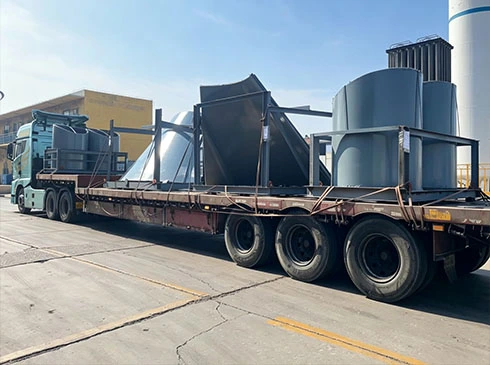
Renovating something successfully depends on careful planning and building in stages. Before starting a project, our tech teams do thorough evaluations that include mapping out the current infrastructure and figuring out which tasks are most important. Making modular equipment off-site cuts down on the time it takes to put it on-site. Temporary bypass systems keep the gas flow going while the filter box is being built, so the burner can keep running. Tie-in work is done during planned repair breaks, so activities that need to stop the process can take advantage of the planned pauses. This coordinated method cuts down on the total time needed for the project while keeping production plans. This is a huge benefit for businesses that lose thousands of dollars every hour because of shutdowns.
Key Technologies Elevating Purification Performance
Filter Technology Selection Criteria
Bag filters are the most common type of installation today because they are so good at catching small particles—they work over 99.9% of the time. PTFE-membrane filter media can handle temperatures up to 250°C and keeps moisture from condensing, which can damage fabrics. If you keep the temperature right, pulse-jet cleaning methods can keep the difference pressure within acceptable limits, which can extend the life of the media to 24 to 36 months. Electrostatic precipitators are an option for some uses, but fabric filtration is usually the better choice because it requires less upkeep. Cyclone separators remove large particles before the final stages of filtration. This keeps the primary filter from getting too full and extends the time between service calls.
Desulfurization and Denitrification Integration
To get very low levels of sulfur and nitrogen gas emissions, you need to know a lot about chemical process engineering. Spray tower configurations improve the amount of time that gases and liquids interact and the even distribution of reagents. Desulfurization with limestone slurry systems is a cheap option, and selective catalytic reduction can get rid of nitrogen oxides when pollution limits call for it. Real-time tracking of the gas makeup tells process control algorithms how much of each reagent to use. This maximises removal efficiency while minimising chemical use. By putting these technologies into small spaces, existing building layouts are kept, and expensive structural changes are avoided during the retrofit process.
Intelligent Control System Architecture
Modern systems for cleaning in revamping of blast furnace gas purification system use programmable logic devices that connect to spread control systems to give a full picture of the whole business. Temperature sensors placed throughout the ductwork turn on protective cooling when temperatures get too high. This keeps the filter media from getting damaged. Differential pressure sensors start the cleaning cycle, which uses the least amount of energy possible. Continuous emission tracking systems keep track of compliance with regulations and allow for strategic ordering of repair. Data historians keep track of operational factors, which makes performance tracking and predictive analytics possible, which find problems before they happen. This automation system cuts down on the need for human involvement, which saves money on labor costs and makes things safer.
Proven Results From Real-World Applications
European Steel Mill Partial Upgrade Success
A major European integrated steel company had to meet emission compliance targets but didn't have any shutdown gaps open. To meet the new particulate standards, they had to replace their old wet scrubbing method with dry bag filtration. Engineers came up with a way to install new filter chambers at the same time as scrubbers that were already running. During phased startup, gas flow was moved bit by bit, and performance was checked before the whole system was turned on. The project was finished on time and without any interruptions to production. It immediately reduced residual dust to 3 mg/Nm³ and increased TRT power generation by 35%. Within 18 months, the whole investment was paid back through savings on energy and avoided shutdown costs.
Comprehensive Asian Retrofit Demonstrates Planning Value
On the other hand, a large steel complex in Asia chose to completely update their system during a planned furnace reline. The wide range of work included replacing ductwork, installing a filter system, integrating desulfurization equipment, and updating the control system. Fourteen months before the shutdown, detailed project planning began, arranging the purchase of tools, the making of parts, and the movement of goods. The 45-day building window required careful planning and organization of the work crews. After starting up, performance went above and beyond goals, reaching a dust concentration of 2 mg/Nm³ and an efficiency of 85% in desulfurization. This case shows how important it is to choose the right source. Experienced turnkey companies get better results by using tried-and-true methods and having a lot of technical knowledge.
Best Practices Emerging From Industry Experience
Successful renovation projects have things in common, even if they have different goals or ways of carrying them out. Engaging stakeholders early on helps set clear goals and get all the necessary approvals before starting building. People who work in dangerous places or small areas are protected by strict safety rules. Each part of the system is tested thoroughly before it is put together, which keeps expensive repairs from having to be done. Performance verification after launching keeps track of compliance and sets operating baselines. When these practices are used regularly, they reduce risk and increase project value, no matter how big the company is or how complicated the technology is.
Sustaining Performance Through Proactive Maintenance
Essential Inspection and Cleaning Protocols
Structured regular repair plans are needed to keep purification systems reliable. Visual inspections done once a week find any strange vibrations, changes in temperature, or pressure problems that need to be looked into. Reviewing the differential pressure of a bag filter once a month shows alarming patterns that the cleaning system is breaking down or the media is getting old. Inspections of the ducts every three months find ash buildup that needs to be removed before it causes flow problems. Every year, full inspections check the structure's strength, the accuracy of the instruments, and the state of the spinning equipment. These layered inspection protocols find problems as they start to develop before they affect operations. This keeps equipment available and maintenance costs low.
Predictive Technologies Enhancing Equipment Longevity
With today's advanced monitoring tools in revamping of blast furnace gas purification system, upkeep can go from being reactive to being proactive. Vibration research on fan bearings finds patterns of wear that let you replace them before they break completely. Thermographic imaging finds hot spots that mean the insulation is breaking down or there are problems with the flow of air. The filter bag leak detection systems find the media that is damaged, so it can be replaced selectively instead of having to be replaced completely. Trends in online tracking of dust concentration show when cleaning systems aren't working right or when processes aren't working right and need to be fixed. When compared to reactive maintenance strategies, these technologies cut unplanned downtime by 60–70%, directly improving operational reliability.
Operator Training Maximizing System Capabilities
To achieve the intended results, operators must have the same level of technical knowledge. Comprehensive training programs teach employees how to use systems, how to use control tools, and how to fix problems. Hands-on simulations help people feel more confident in how to handle unusual situations before they happen in real life. Regular refresher sessions go over the right way to do things and introduce changes to the system. Well-trained workers can spot small changes in performance that mean problems are starting to form, so they can be fixed quickly. This human part can't be replaced by machines, so investing in training is important for long-term success.
Conclusion
Updating the infrastructure for cleaning the gas from blast furnaces doesn't have to mean long production stops that hurt the bottom line. Modern engineering methods, modular building methods, and strategic project management make it possible to make big improvements with little trouble. With their full turnkey solutions, SMEC can fix all of your purification problems, from old dust collection to desulfurization systems that don't work right to automation that isn't good enough. Our tried-and-true methods find a balance between meeting regulatory requirements and keeping production going. This leads to measurable changes in the environment and increases in operating efficiency. Adding smart monitoring systems, advanced filtration technologies, and energy-saving parts to upgraded facilities gives them a long-term edge in markets that are becoming more regulated.
FAQ
Can minor upgrades proceed without stopping blast furnace operations?
Of course. A lot of home improvement projects use modular methods and bypass designs that keep the gas flowing while the work is being done. During normal operations, filter bag replacements, instrument upgrades, and improvements to the control system usually happen. The scale decides whether or not something is possible. For example, replacing all the ductwork might need to be coordinated with planned maintenance breaks, but making small changes to individual parts rarely require stopping production.
What safety considerations govern revamp project execution?
Safe building practices are based on things like confined space protocols, lockout-tagout processes, and hot work permits. Continuous gas monitoring finds atmospheres that could catch fire or lack oxygen. Fall safety equipment and scaffolding keep people working at heights safe. Comprehensive hazard analysis finds risks that are unique to a project and lets you plan how to reduce them before work starts. Experienced workers keep their safety records very good by strictly following these basic safety measures.
Which suppliers offer reliable turnkey project solutions?
SMEC provides full-blast furnace gas purification systems backed by a wealth of engineering knowledge and the ability to manufacture and service knowledge in the field. Our 23,000-square-meter production room and 168-person expert team in Taiyuan make sure that quality work is done from the planning stages to the final commissioning. Having partnerships with the biggest names in automation lets you get combined control systems that meet the strictest requirements. This wide range of skills sets true package providers apart from component sellers that need to coordinate with multiple vendors.
Partner With SMEC for Comprehensive Gas Purification Solutions
SMEC is ready to change your infrastructure for cleaning up blast furnace gas through excellent engineering and tried-and-true methods of implementation. We are a revamping of blast furnace gas purification system supplier based in Shanxi Province, which is the center of China's energy and heavy industry. We combine decades of experience with coking equipment with cutting-edge environmental technologies. Our "turnkey" approach includes designing the system, making the equipment, overseeing the installation, and providing support after the system is up and running. This makes sure that the project runs smoothly. Email our expert team at project@smec.cc to talk about the specifics of your update needs. We'll do a full site review, come up with a custom modernization plan, and lay out a way to carry it out that has the least possible effect on production while still meeting environmental compliance goals. Find out how SMEC's bundled services can improve the working efficiency and legal standing of your building.
References
1. Chen, W., & Liu, H. (2021). Advanced Technologies for Blast Furnace Gas Cleaning and Energy Recovery in the Steel Industry. Metallurgical Engineering Quarterly, 48(3), 215-234.
2. International Iron and Steel Institute. (2022). Best Available Techniques Reference Document for Iron and Steel Production: Gas Cleaning Systems. Brussels: IISI Technical Publications.
3. Nakamura, T., Yoshida, K., & Sato, M. (2020). Operational Experience with Dry-Type Blast Furnace Gas Purification Systems in Japanese Integrated Steel Mills. Journal of Sustainable Metallurgy, 6(2), 347-365.
4. United States Environmental Protection Agency. (2023). Emission Standards for Integrated Iron and Steel Manufacturing Facilities: Technical Support Document. Washington, DC: EPA Office of Air Quality Planning and Standards.
5. Williams, R. J., & Thompson, D. A. (2022). Economic Analysis of Blast Furnace Gas Purification System Retrofits: Case Studies from North American Steel Producers. Industrial Energy Efficiency Journal, 15(4), 512-530.
6. Zhang, Y., Wang, L., & Zhao, Q. (2023). Innovative Approaches to Non-Shutdown Retrofitting of Gas Cleaning Systems in Operational Blast Furnaces. Proceedings of the International Conference on Clean Steel Production, 112-127.
Free consultation & volume discounts available
SEMC focuses on the entire metallurgical process—from coking, ironmaking, and steelmaking to continuous casting and rolling. Whether you face challenges related to equipment upgrades, energy efficiency optimization, or overall process transformation, please fill in the following information. Our technical team will provide you with tailor-made high-end equipment upgrade solutions and professional EPC design services to help your project be implemented efficiently.
Recommended Blog
A Complete Guide to Choosing the Right Feeding Hopper for Blast Furnace Systems
How to Ensure Environmental Compliance with Blast Furnace Gas Purification
Why Do Old Blast Furnaces Need Overall Revamping Services?