Blast Furnace Tower Equipment: Modular vs Traditional Designs
Understanding Blast Furnace Tower Equipment: Traditional vs Modular Designs
- Understanding Blast Furnace Tower Equipment: Traditional vs Modular Designs
- Key Technical and Operational Dimensions of Blast Furnace Tower Equipment
- Comparative Analysis: Evaluating Modular vs Traditional Blast Furnace Tower Equipment
- Making the Right Choice: Procurement Guidance for B2B Clients
- Future Trends and Innovations in Blast Furnace Tower Equipment
- Conclusion
- FAQ
- Partner with SMEC for Advanced Ironmaking Solutions
- References
Metallic specialists must make a strategic selection about blast furnace tower equipment that affects capital investment and everyday operations. Traditional tower systems have sustained steel production for decades using field-assembled structures and established engineering. Modern modular designs use prefabricated components for speedier deployment and more flexibility. Understanding these two techniques helps plant managers, engineers, and procurement teams choose the best option for their operational context and long-term production goals.
Understanding Blast Furnace Tower Equipment: Traditional vs Modular Designs
Defining Traditional Tower Systems
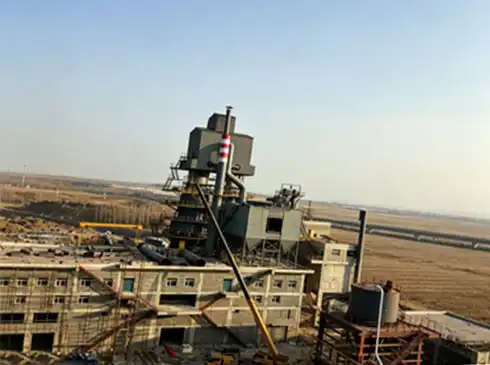
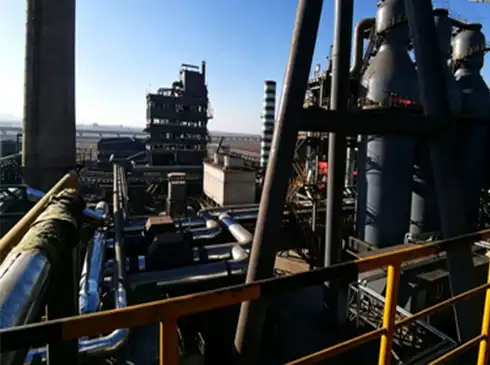
Traditional blast furnace tower equipment uses typical structural steel pieces delivered on-site. Workers weld beams and columns into the tower structure. This method has powered integrated steel mills in North America for centuries, giving installation crews familiarity and field expertise. The typical way provides maximal building customisation. Engineers can change assembly to address site-specific issues or design revisions. Due to well-established maintenance routines and various supplier replacement parts, many older facilities still use these systems.
Introducing Modular Equipment Architecture
Modular systems reverse construction by assembling large components in regulated factories. Large portions are pre-welded, pre-tested, and ready for installation. With modular blocks, a charging tower can be built in weeks instead of months. This manufacturing method adds quality control to climate-controlled workplaces for precision welding and inspection. Pre-transportation non-destructive testing, dimensional verification, and surface treatment reduce weather delays and field rework. The result is tighter tolerances and more consistent structural integrity across the entire installation.
Key Structural and Assembly Differences
These philosophies differ beyond assembly speed. Traditional towers employ I-beams, channels, and plates joined by substantial field welding. Fast-integration modular components use bolted flanges or patented joining mechanisms to avoid heat work at elevation. Material processing also varies greatly. Conventional construction uses smaller cranes for individual components, but modular assembly requires heavy-lift equipment for multi-ton assemblies. This shift alters site logistics, ground preparation, and staff specialization. Understanding these differences helps project planners estimate resource demands and schedules for each technique.
Key Technical and Operational Dimensions of Blast Furnace Tower Equipment
Material Selection and Thermal Performance
Low-alloy high-strength steels like Q345R or Q390GJR are used in high-performance blast furnace tower equipment constructions to withstand radiant heat from the furnace shell below. These materials withstand thermal fatigue over a furnace campaign's many heating and cooling cycles, which can last 15 to 20 years between relinings. Thermal expansion control is a major technical task. The supporting tower structure stays cooler than the furnace shell, which expands dramatically over 1500°C. Stress concentration can shatter or misalign charging equipment, but specialized expansion joints and sliding bearing assemblies allow independent movement. Energy efficiency is affected by material selection, which reduces structural heat loss and stabilizes process conditions.
Integrated Environmental Control Systems
Blast furnace tower equipment must meet strict emission regulations for modern ironmaking. Gas cleaning, dust suppression, and top-pressure management are included into the tower. To work properly without compromising structural performance, these subsystems must be carefully coordinated throughout design and installation. Traditional towers need retrofits to fulfill environmental laws, which complicates and slows operations. Modular designs now include factory-integrated environmental controls with pre-installed ducting, filters, and monitoring systems. This interface streamlines compliance documentation and speeds commissioning, which is important for brownfield modernization projects where production disruptions cost money.
Maintenance Access and Operational Safety
Tower equipment must provide safe access for high-height inspections and maintenance. Stairways, platforms, and tie-off points that meet OSHA and EN 14122 criteria become structural elements. Traditional and modular maintenance access designs differ. Traditional towers provide site-specific access systems for different facility layouts. Modular systems include pathways and railings during factory fabrication for safety. Standardization ensures uniform design and eliminates field improvisation, improving worker safety. Predictable access routes and equipment placement simplify inspection schedules and high-altitude job planning for maintenance planners.
Comparative Analysis: Evaluating Modular vs Traditional Blast Furnace Tower Equipment
Installation Timeline and Project Dynamics
In preparing a furnace rebuild, a big integrated steel mill examined both methods. The conventional approach from groundbreaking to hot commissioning took 14 months, with weather delays adding six weeks. Despite extended factory fabrication time, modular construction reduced the timeline to nine months since on-site assembly occurred during optimum weather windows without precipitation or temperature extremes. These timing advantages yield financial benefits beyond building expenses. Monthly manufacturing delays cost income and require alternate iron suppliers. Modular equipment decreases vulnerability by shortening catastrophic outages. Shorter construction windows reduce production disturbance in capacity expansion projects where new towers must connect with current operations.
Cost Structure and Return on Investment
Look beyond original purchase prices to calculate overall cost. Because they employ common steel forms and conventional manufacture, traditional towers have cheaper upfront equipment costs. However, longer project durations increase field labor, site infrastructure, and construction management costs. Factory fabrication and specialist transportation cost modular systems. Initial blast furnace tower equipment investment is expensive, but less field labor, shorter building timeframes, and faster income generation can yield a higher ROI. A complete study must consider construction financing costs, outage production losses, and fast starting cash flow. Quality-related costs demand equal consideration. Pre-shipment inspection and testing are easier with factory fabrication. Detecting faults in a workshop is far cheaper than field difficulties during commissioning.
Flexibility and Future Expansion Considerations
As markets change, steelmakers demand operational flexibility for blast furnace tower equipment. Modular architecture allows incremental capacity expansions by planning initial installations for growth. Standardised connection interfaces allow furnace capacity or subsystem upgrades without structural changes. Traditional towers may expand but require specific engineering for modifications. Retrofit projects restart the design process due to the lack of standardized interfaces, increasing time and cost. Modular platforms that anticipate future demands through purposeful design are preferred by long-term facility developers. Metallurgical equipment leaders Siemens, Mitsubishi Heavy Industries, and Danieli provide both traditional and modular systems.
Making the Right Choice: Procurement Guidance for B2B Clients
Assessing Your Operational Requirements
Honest assessment of your facility's demands and restrictions leads to successful blast furnace tower equipment selection. Greenfield developments on undeveloped lands generally use modular methods to reduce construction infrastructure. Traditional approaches that operate around existing buildings using smaller components and normal rigging equipment may assist crowded industrial brownfield improvements. This choice is largely influenced by production continuity. Compressed installation windows of modular equipment benefit facilities that cannot afford prolonged outages. Operations with more scheduling flexibility may emphasize older systems' lower initial capital requirements. Maintenance capability is also important—organizations with strong manufacturing and repair capabilities may select classic towers that match staff skills and workshop equipment.
Evaluating Technical Performance Criteria
Performance comparison should emphasize quantifiable results, not construction approach. Structural integrity during thermal cycling, furnace gas resistance, dimensional stability impacting charging system alignment, and seismic performance are important. When correctly engineered and performed, both techniques can fulfill strict technical criteria. Real difference comes from consistency and quality. Factory manufacturing yields more consistent output due to stable ambient conditions, machine calibration, and labor competence. Field construction increases outcome variability due to weather, site access, and crew experience. Predictable performance organizations emphasize this consistent advantage in their evaluations.
Customization and Spare Parts Strategy
Long-term operating flexibility depends on equipment customisation. Standard fabrication techniques make one-time design changes easy in traditional construction. Engineered differences in factory manufacturing allow modular systems to be customized for original design characteristics but may hinder mid-life adjustments. Spare parts management methods vary. Standard steel forms and components from numerous sources minimize procurement and inventory carrying costs in traditional towers. Modular systems may need manufacturer-specific connecting hardware or assemblies. Comparing long-term operational costs requires assessing replacement parts availability, lead times, and supplier reliability.
Future Trends and Innovations in Blast Furnace Tower Equipment
Digitalization and Smart Manufacturing Integration
The metallurgical industry is adopting Industry 4.0 concepts to improve blast furnace tower equipment operation and plant control system integration. Sensor networks monitor structural stress, vibration, and temperature in real time in new towers. Predictive maintenance algorithms employ these data streams to spot faults before unforeseen outages. Modular equipment integrates sensors and networking infrastructure during plant assembly, accelerating digital transformation. Pre-installed and tested wiring harnesses, junction boxes, and communication protocols simplify commissioning. Retrofitting these features into traditional towers may increase installation costs and cause compatibility issues with existing systems.
Evolution of Environmental Regulation and Emission Control Evolution
Tightening environmental rules in North America and abroad increase demand for tower equipment that seamlessly combines modern emission control systems. Equipment must evolve to meet particle matter, greenhouse gas intensity, and fugitive emission regulations. Next-generation designs emphasize enclosed material handling, charging point gas collection, and vent gas volume reduction through top-pressure optimization. By upgrading factory production standards rather than field building techniques, modular platforms enable quick adoption of new advances. This adaptability lets manufacturers comply with changing laws without losing recently installed equipment.
Automation and Workforce Considerations
Heavy industry labor markets change when older workers retire and younger generations change careers. This drives automation in entire steel manufacturing, including tower operations and maintenance. Equipment designs increasingly include robotic inspection, automatic lubrication, and remote monitoring to decrease manual involvement. By moving skilled labor from dangerous fields to controlled factories, modular building systems adapt the workforce. Manufacturing occupations instead of construction roles increase working conditions, quality, and recruiting. Organizations contemplating 20-year equipment lifecycles must consider these labor dynamics when choosing staffing-intensive systems.
Conclusion
Choosing between modular and traditional blast furnace tower equipment demands careful analysis of your facility's unique circumstances, operational priorities, and long-term strategic direction. Both approaches deliver reliable performance when properly engineered and installed, but their distinct characteristics suit different project profiles. Traditional systems offer familiarity, lower initial costs, and customization flexibility through conventional construction practices. Modular designs provide compressed schedules, consistent quality through factory fabrication, and simplified integration of advanced environmental and digital technologies. Successful procurement balances these technical and financial dimensions against realistic assessments of organizational capabilities and market positioning. The metallurgical equipment landscape continues evolving toward greater efficiency, environmental performance, and operational intelligence—considerations that should inform today's investment decisions for assets that will operate decades into the future.
FAQ
What determines the expected service life of different tower configurations?
Properly maintained tower structures typically operate 20 to 30 years before requiring major rehabilitation. The structural steel framework itself shows excellent longevity when protected from corrosive atmospheres through appropriate coating systems. Mechanical components like skip hoists, charging equipment, and sealing systems experience higher wear rates, generally needing significant overhaul every 5 to 8 years. Modular and traditional systems show comparable lifespans when constructed to equivalent specifications, though factory fabrication quality control may reduce early-life issues that occasionally shorten conventional tower service intervals.
How do these systems accommodate thermal expansion during operation?
Engineers address thermal expansion through specialized bearing assemblies and expansion joints that permit relative movement between the hot furnace shell and cooler supporting structure. The tower framework incorporates sliding supports at key locations, allowing the furnace to expand vertically and radially without inducing stress in the structural steel. Proper expansion accommodation prevents misalignment of charging equipment and reduces fatigue loading on structural connections—both traditional and modular designs employ these principles, though modular systems often integrate expansion hardware during factory assembly rather than field installation.
Can existing traditional towers be upgraded with modular components?
Selective upgrades incorporating modular elements into existing traditional structures represent an increasingly common modernization path for blast furnace tower equipment. Facilities often replace aging charging equipment, top-pressure control systems, or environmental subsystems with prefabricated modular units that bolt onto existing structural frameworks. This hybrid approach captures some modular advantages—faster installation, factory quality control—without requiring complete tower replacement. Success depends on careful interface engineering ensuring compatibility between old and new components, particularly regarding load transfer and connection details.
Partner with SMEC for Advanced Ironmaking Solutions
SMEC delivers comprehensive blast furnace tower equipment backed by decades of metallurgical engineering expertise rooted in Shanxi Province's heavy industry corridor. Our engineering team—comprising 30 senior engineers among 168 technical professionals—applies advanced design methodologies that optimize both traditional and modular tower configurations for North American operating conditions. We recognize that procurement decisions extend far beyond initial equipment costs to encompass installation complexity, operational reliability, and lifecycle economics.
Our manufacturing capabilities at the 23,000-square-meter Taiyuan facility enable us to serve as a dependable blast furnace tower equipment supplier offering both standard and customized solutions. The Large-scale Intelligent Coking Equipment Research Institute and our Shenzhen research branch continuously advance product designs incorporating automation, environmental controls, and predictive maintenance capabilities that future-proof your investment. We support clients throughout the entire project lifecycle—from initial specification development through installation supervision and operator training—ensuring seamless technology transfer and optimal system performance.
Whether you're planning greenfield construction, brownfield modernization, or capacity expansion, our team provides objective technical consultation helping you navigate the modular versus traditional decision based on your specific operational context. Contact our specialists at project@smec.cc to discuss how our tailored engineering approach and comprehensive service model can optimize your next ironmaking project.
References
Anderson, M. & Roberts, K. (2021). Modular Construction in Heavy Industrial Applications: Economic and Technical Analysis. Industrial Engineering Press.
Chen, W., Liu, S., & Zhang, H. (2020). Blast Furnace Engineering: Modern Design and Operational Practices. Metallurgical Industry Publishing House.
European Commission Joint Research Centre. (2019). Best Available Techniques (BAT) Reference Document for Iron and Steel Production. Publications Office of the European Union.
Gupta, R. & Kumar, P. (2022). Structural Design Considerations for High-Temperature Metallurgical Equipment. Journal of Materials and Metallurgical Engineering, 18(3), 234-251.
International Iron and Steel Institute. (2020). Technology Roadmap: Innovations in Ironmaking Infrastructure. Brussels: IISI Technical Committee.
Williams, J., Thompson, D., & Martinez, E. (2023). Prefabrication and Modularization Trends in Process Industry Construction. Construction Management Quarterly, 41(2), 78-96.
Free consultation & volume discounts available
SEMC focuses on the entire metallurgical process—from coking, ironmaking, and steelmaking to continuous casting and rolling. Whether you face challenges related to equipment upgrades, energy efficiency optimization, or overall process transformation, please fill in the following information. Our technical team will provide you with tailor-made high-end equipment upgrade solutions and professional EPC design services to help your project be implemented efficiently.
Recommended Blog
OEM Blast Furnace Tuyere Equipment: Benefits for Steel Plants
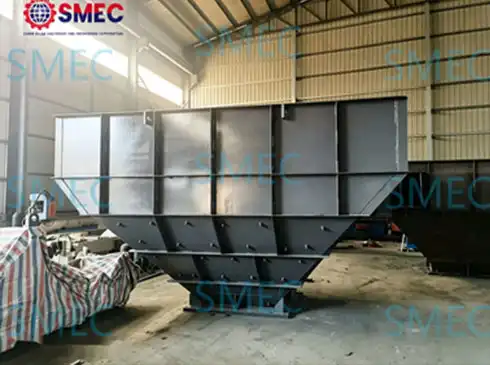
How to Choose the Right Partner for a Blast Furnace Modular Renovation Project?
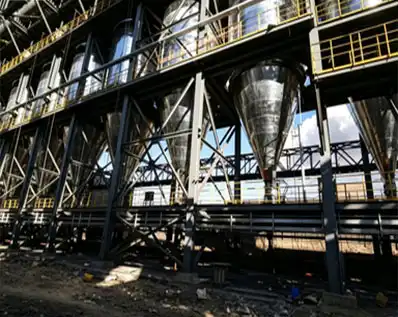
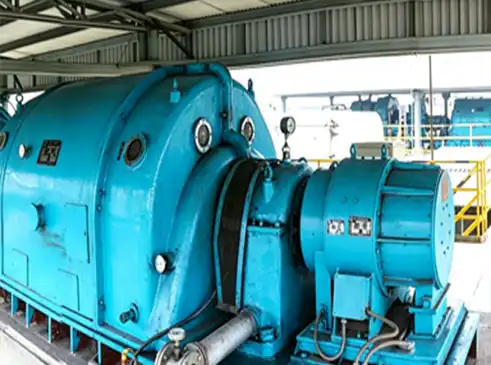
Integrated Blast Furnace Tower Equipment Solutions for Modern Steel Plants
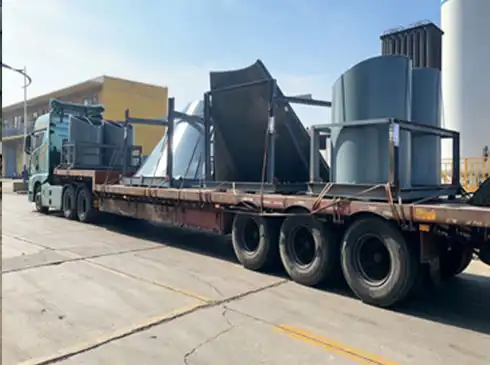
How Blast Furnace Tower Equipment Supports Efficient Ironmaking?