What Are the Key Benefits of Blast Furnace Top Infrared Thermal Imager?
What Are the Key Benefits of Blast Furnace Top Infrared Thermal Imager?
Introduction
- Introduction
- Understanding Blast Furnace Top Infrared Thermal Imagers
- Key Benefits of Using Infrared Thermal Imagers on Blast Furnace Tops
- How to Choose the Right Blast Furnace Infrared Thermal Imager for Your Operation?
- Best Practices for Using and Maintaining Blast Furnace Top Infrared Thermal Imagers
- Real-World Case Studies and Industry Insights
- Conclusion
- FAQ
- Partner with SMEC for Advanced Thermal Imaging Solutions
- References
A Blast Furnace Top Infrared Thermal Imager serves as the intelligent core of furnace condition assessment, gas flow regulation, and equipment hazard prevention in modern steel production. This advanced visualization system enables real-time, high-precision temperature field imaging across the entire furnace top, delivering immediate insights into critical operational conditions. By generating comprehensive thermal maps, it captures localized hot spots, cold zones, temperature segregation, and airflow irregularities that directly reflect material distribution issues, gas flow disturbances, and structural anomalies within the furnace interior.
Introduction
Temperature changes of just a few degrees can cause production problems, damage to equipment, or safety issues in blast furnace operations, which are still some of the most difficult jobs in industry. Traditional tracking methods, like thermocouples placed at specific places or mobile pyrometers, only give you pieces of information, which makes it hard to figure out how the temperature really changes at the throat of the furnace. The introduction of infrared thermal imaging technology has completely changed how steelmakers and metallurgical engineers manage blast furnaces.
When it comes to buying things in the steel and metalworking business, SMEC knows that operating reliability, production efficiency, and lowering long-term costs are the most important factors. This article talks about the real benefits that infrared thermal imaging systems bring to monitoring blast furnaces. It targets the needs of coking plants, integrated steel mills, EPC contractors, and industrial equipment distributors looking for tried-and-true ways to improve process control and preventative maintenance.
Understanding Blast Furnace Top Infrared Thermal Imagers
What Makes Thermal Imaging Different from Conventional Monitoring?
Thermal imaging cameras pick up infrared radiation that is emitted across the whole surface of the burden, while contact-based temperature sensors only measure heat in fixed spots. This method doesn't involve any damage and makes a full thermal profile of the furnace top, showing patterns that can't be seen with regular instruments. It works well even in places that are hotter than 1200°C, where dust and gases that eat away at metal would quickly break down regular optical gear.
SMEC's thermal imaging systems use mid-wavelength infrared sensors that work at 3.9 micrometers and can see through the thick clouds of particles that are common in blast furnaces. This spectral window lets the camera "see through" the dust barrier, which keeps the accuracy of the measurements when other optical systems fail. The end result is constant, real-time data that shows how the furnace really works instead of just a few temperature points.
How the System Translates Heat into Actionable Intelligence
When infrared light hits the sensor array, it is turned into electrical signals that are related to how much heat energy it has. This starts the imaging process. Advanced algorithms turn these signals into heat maps that you can see by giving different temperature ranges different colors. Engineers can quickly tell if the burden surface has the desired thermal profile, which is usually a controlled "V" or "M" shape that shows even gas distribution, or if it has patterns that aren't good, like edge flow, center channeling, or uneven heating.
Modern Blast Furnace Top Infrared Thermal Imager systems connect directly to plant control networks using common industrial protocols such as OPC UA and Modbus TCP/IP. This lets charging parameters, blast air distribution, and fuel injection rates be changed automatically based on thermal feedback. With this closed-loop feature, raw thermal data can be turned into precise process control.
Key Benefits of Using Infrared Thermal Imagers on Blast Furnace Tops
Implementing thermal imaging technology has many benefits that affect different areas of blast furnace operation. All of these benefits help increase profits and keep operations stable. When procurement teams know about these benefits, they can better explain capital investments and choose systems that fit with their business goals.
Enhanced Process Control and Product Quality
Thermal imaging gives you the clear view you need to keep the heat distribution in the furnace constant, which directly affects the quality of the iron and the amount of iron that can be made. When workers can see the temperature profile of the burden surface in real time, they can find and fix problems with material distribution before they affect the quality of the product.
Uneven charging leads to gas flow channeling, which means that combustion gases tend to move along low-resistance paths instead of spreading out evenly through the load. This effect, which can be seen on thermal images as localized hot spots, makes the reduction of iron ore less efficient and increases the use of coke. Plant engineers can keep gas use at its best by changing the charging grid based on thermal data. This lowers fuel costs and improves the stability of the iron grade.
Here are the core operational advantages this technology delivers:
- Real-time burden distribution monitoring: The system creates ongoing thermal maps that show if charge materials have made the desired profile, allowing for instant corrections when they don't.
- Gas flow pattern analysis: Temperature cross-sections show if combustion gases are moving through the middle, preferentially moving along the walls, or spreading out evenly as planned.
- Early detection of furnace irregularities: Changes in temperature can show problems like scaffolding formation, hanging charges, or refractory decline hours or days before they cause production to stop.
These features change the way blast furnaces are run from reactive problem-solving to proactive management, where workers keep things running at their best all the time instead of fixing problems as they happen.
Predictive Maintenance and Equipment Protection
In addition to helping to improve processes, thermal imaging can also be used to spot problems with the integrity of equipment before they become catastrophic. Extreme temperature and mechanical stress are put on the furnace throat area, which means that the refractory coating and cooling system will eventually break down.
Localized temperature rises on the furnace shell or top structure picked up by thermal cameras can mean that there are problems below, like refractory thinning, cooling stave failure, or water jacket leaks. By finding these problems during normal operations, maintenance teams can plan their work for planned outages instead of having to respond to sudden shutdowns.
Critical infrastructure parts like top gas offtake pipes, pressure adjustment valves, material charging equipment, and blast furnace bells are constantly watched over by a thermal imaging system. Any changes in the usual temperatures of these parts, like high temperatures that mean thermal stress or suddenly low temperatures that mean flow blockages, set off alarms that make people look into the problem right away, before it gets worse and costs a lot to fix.
Improving the life of difficult campaigns is part of the management value. Maintenance engineers can find areas with faster wear by keeping an eye on thermal patterns over time. They can then change working settings or cooling techniques to make the refractory last longer. This method to managing refractory based on data has helped steel plants extend furnace campaigns beyond traditional goals, which has helped them put off big capital expenditures while keeping production going.
Operator Safety in Hazardous Environments
Extreme heat, toxic gas emissions, high pressure, and physical dangers from material handling equipment make the top of the blast furnace one of the most dangerous places in industrial production. When tracking was done the old way, people had to be close to these dangers when they installed thermocouples, took readings from a pyrometer by hand, or did eye checks.
With Blast Furnace Top Infrared Thermal Imager systems, operators don't have to go to dangerous places. The camera can handle rough conditions thanks to its protection cooling jackets and nitrogen purging systems, which keep the interior temperatures safe even when the temperature outside goes over 1000°C. Operators keep an eye on the furnaces from control rooms, which keeps people out of immediate danger and improves the quality of the data by using continuous automated surveillance.
This safety benefit applies not only to normal use but also to emergencies. When problems happen with a furnace, thermal imaging lets response teams know what's going on from afar, so they can check out the situation and plan what to do without having to go into dangerous environments too soon.
Long-term Cost Savings and Return on Investment
Even although thermal imaging systems require a big upfront investment, they pay for themselves over and over again in many ways. When gas delivery is improved, coke use goes down. This usually saves enough fuel to pay for the investment within two to three years of starting up.
Less downtime, longer machine life, better iron quality consistency, and lower emergency repair costs all add up to more money in the bank. Companies that use thermal imaging say their furnaces are more productive. They can often increase production by three to five percent by making the process more stable and improving how they charge the furnaces.
How to Choose the Right Blast Furnace Infrared Thermal Imager for Your Operation?
When choosing the right thermal imaging tools, you need to look at a number of technical and business factors to make sure the system meets your short-term and long-term operating needs. Industrial thermal imaging is different from regular infrared cameras used in less demanding situations because it needs to be able to work in harsh environments like blast furnaces.
Critical Technical Specifications to Consider
The temperature measurement range needs to be able to handle the whole range of temperatures at the top of the furnace, which is usually between room temperature and 1500°C at the load surface. The system's ability to see small thermal features depends on the resolution of the sensors. A camera with 640x480 pixels is much better at diagnosing problems than cameras with lower resolutions because it can see subtle patterns that show problems are happening.
Response time impacts the system's ability to record short-lived temperature events like material charging cycles or quick changes in gas flow. Systems with refresh rates between 25 and 60 frames per second offer smooth, real-time visualization that works well for process control. Systems with slower refresh rates may miss important short-duration events.
In the harsh environment of a blast furnace, the longevity of a device depends on its environmental safety features. Effective solutions include cooling systems that use water or air, protective nitrogen purging to keep dust from building up on optics, and retraction mechanisms that pull the sensor out of the way automatically when something goes wrong, like when the cooling system fails.
Evaluating Supplier Capabilities Beyond the Hardware
As part of a full monitoring system, the thermal imaging camera is just one part. How well the system works with existing control infrastructure, SCADA platforms, and data historians is based on its integration support. To make sure data flows smoothly, vendors should clearly list the standards they support and offer setup help.
Calibration services make sure that measurements are accurate for as long as the system is used. Temperature readings change over time because sensors get old and are exposed to the environment. For accurate data, they need to be recalibrated on a regular basis. Long-term running costs and system uptime are affected by the vendor's calibration service model. This includes whether they offer on-site calibration, require return to factory calibration, or offer user-calibration tools.
How well plant workers can use the system's features depends on how well they are trained and given expert help. Basic operation should be covered in training programs, but so should interpretation of thermal images, common troubleshooting situations, and how to work with existing operating procedures.
Procurement Considerations for Industrial Buyers
Lead times for specialized Blast Furnace Top Infrared Thermal Imagers are usually between a few weeks and a few months, but this depends on how customized the system needs to be and how much can be made. It's important for procurement teams to plan ahead, especially when arranging setups with planned furnace shutdowns or plant expansions.
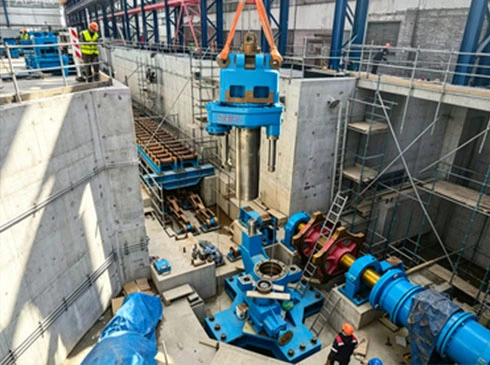
A lot of providers offer both basic systems that can be used with most blast furnaces and custom-engineered systems that can be used with specific installations. Finding the right method for your project affects both the cost and the time it takes to deliver. By combining tried-and-true technology with adaptable engineering, SMEC creates custom thermal imaging solutions that meet the needs of steel plants, coking facilities, and metallurgical operations.
Best Practices for Using and Maintaining Blast Furnace Top Infrared Thermal Imagers
Proper Data Interpretation and Operator Training
Thermal imaging creates a lot of data, but it's only useful if it's interpreted correctly and acted upon quickly. To spot big changes, operators need to know what regular thermal patterns are for their furnace and how to charge it. Training programs should set baseline thermal profiles for different operating conditions and teach staff how to tell the difference between normal changes and problems that need to be fixed.
Some common mistakes in interpretation are confusing things that happen on the surface with things that happen inside, focusing too much on sudden changes in temperature instead of long-term trends, and not connecting temperature data with other process variables like load composition, blast volume, and production rate. These mistakes can be avoided with full operator training that includes scenario-based lessons and time spent practicing under supervision.
Structured Maintenance and Calibration Schedules
To keep measurements accurate, they need to be calibrated at regular times, which can be anywhere from three to twelve months based on how harsh the operation is and how accurate the measurements need to be. Operators should do regular functional checks to make sure the system works and the data is correct in between formal calibrations.
Cleaning protected windows and optical parts, checking the stability of the cooling system, checking the flow rates of purge gas, and testing mechanical positioning systems are all maintenance tasks. A lot of providers offer repair kits that include replacement parts and step-by-step instructions. Setting up preventive maintenance plans based on what the maker suggests keeps the system reliable and increases its useful life.
Safety Protocols and Regulatory Compliance
Even although they can be used from afar, thermal imaging systems still have to follow the safety rules for hot work areas, confined spaces, and maintaining equipment. Procedures should include lockout/tagout rules for maintenance work, safety rules for nitrogen purge to avoid asphyxiation risks, and ways to work together with furnace operations to keep people from accidentally entering dangerous areas.
Real-World Case Studies and Industry Insights
Documented Improvements in Operational Efficiency
In the United States, a big integrated steel mill put thermal imaging on three blast furnaces and was able to lower the coke rate by 4.2% by better controlling the distribution of work. The thermal data helped operators keep the radial gas distribution more stable, which meant they didn't have to make as many charging adjustments to make up for short-term losses in efficiency.
Another facility used thermal imaging to find early refractory wear in the furnace throat area. They then scheduled targeted repairs for a planned outage instead of having to shut down without warning. The early warning kept output from being lost for about 12 days and avoided emergency repair costs that would have been four times higher than normal maintenance costs.
Insights from Procurement and Technical Teams
Technical managers say that thermal imaging systems are worth more than they were paid for because they often find ways to improve operations that weren't known existed before. Studies that find the best charging strategies, blast air distribution patterns, and fuel injection practices for different load materials and working rates are made possible by the constant data stream.
Procurement managers stress how important it is to think about the total cost of ownership, which goes beyond the initial purchase price. Systems that are well-built, have easy access to service support, and come with full training lower long-term running costs, even if they may cost more to buy. Long-term deployments that went well depended on how well the vendor was known for quick technical support and having spare parts on hand.
Conclusion
Putting Blast Furnace Top Infrared Thermal Imager technology on top of the blast furnace is a smart way to improve operating sight, process control, and equipment safety. These systems are useful for steel producers, metallurgical operations, and industrial facilities that want to stay ahead in a tough market because they improve production efficiency, lower costs, make maintenance easier, and keep workers safe. As technology keeps getting better, thermal imaging systems are becoming more and more important to how modern blast furnaces work. They make it possible for world-class steel production facilities to be precise and reliable.
FAQ
How accurate are thermal imaging accuracy compare to traditional sensors?
Instead of measuring points, thermal imaging systems cover large areas, giving you a full picture that separate sensors can't provide. While thermocouples may be a little more accurate where they are placed (usually within one to two degrees), thermal cameras show patterns and changes in temperature across the whole top of the furnace. This big-picture view finds issues that point sensors miss completely, like uneven gas flow or problems with the distribution of materials in certain areas.
Can thermal imaging systems integrate with existing control platforms?
Modern industrial thermal imagers have standard communication protocols, such as OPC UA, Modbus TCP/IP, Profibus, and analog outputs, which means they can be connected to almost all industrial control systems. The camera sends constant variables of temperature data that control systems can use to keep an eye on, record, sound a warning, and make automatic changes to the process.
What maintenance frequency do these systems require?
Routine upkeep, which includes cleaning the optics and making sure they work, usually happens once a month. Formal calibration should happen once a year or as often as the manufacturer suggests, depending on how important the measurements are. Compared to sensors that aren't protected, Blast Furnace Top Infrared Thermal Imagers with self-cleaning nitrogen purge systems require a lot less upkeep.
Partner with SMEC for Advanced Thermal Imaging Solutions
SMEC provides unique thermal imaging systems that were designed to work in the harsh conditions of blast furnaces. As a top manufacturer of Blast Furnace Top Infrared Thermal Imagers, we combine cutting-edge sensor technology with industrial-grade safety systems to make sure that our products work reliably in the harshest metallurgical settings. Our full range of services includes system design advice, help with installation, training for operators, and ongoing technical support from our team of 168 engineering experts.
SMEC is based in Taiyuan City, Shanxi Province, which is the energy and heavy industry hub of China. It has 23,000 square meters of modern manufacturing facilities where it makes thermal imaging systems that steel makers all over the world trust. We can do more engineering than just sell equipment. We can also help you improve your processes and do full turnkey installation projects.
Use tried-and-true thermal camera technology to improve your ability to keep an eye on your blast furnace. You can talk to our technical team at project@smec.cc about your unique needs, get full specs, or set up a meeting with one of our application engineers. Check out smecltd.com to see our full selection of mining equipment options made for tough industrial uses.
References
1. Johnson, R.T., & Williams, M.A. (2021). Advanced Monitoring Technologies in Modern Blast Furnace Operations. Iron and Steel Technology Journal, Vol. 18, Issue 3, pp. 142-158.
2. Zhang, L., Chen, H., & Kumar, S. (2020). Thermal Imaging Applications in Metallurgical Process Control. Metallurgical Engineering Quarterly, Vol. 45, Issue 2, pp. 87-103.
3. Peterson, D.K. (2022). Predictive Maintenance Strategies for High-Temperature Industrial Equipment. Industrial Maintenance and Plant Operations, Vol. 83, Issue 7, pp. 34-47.
4. Anderson, J.P., & Thompson, R.L. (2019). Cost-Benefit Analysis of Non-Contact Temperature Monitoring in Steel Production. Journal of Manufacturing Economics, Vol. 31, Issue 4, pp. 215-229.
5. European Steel Technology Platform (2021). Best Practices for Blast Furnace Optimization and Process Control. Brussels: ESTEP Technical Report TR-2021-08.
6. Martinez, C.A., & Lee, S.H. (2020). Safety Improvements through Remote Monitoring Technologies in Hazardous Industrial Environments. Occupational Safety and Engineering Review, Vol. 29, Issue 1, pp. 56-71.
Free consultation & volume discounts available
SEMC focuses on the entire metallurgical process—from coking, ironmaking, and steelmaking to continuous casting and rolling. Whether you face challenges related to equipment upgrades, energy efficiency optimization, or overall process transformation, please fill in the following information. Our technical team will provide you with tailor-made high-end equipment upgrade solutions and professional EPC design services to help your project be implemented efficiently.
Recommended Blog
Key Considerations Before Starting a Blast Furnace Renovation
How to Extend the Service Life of Blast Furnace Tuyere Equipment
5 Key Factors When Buying Blast Furnace Water-Cooled Valves
Comparing Different Types of Blast Furnace Tuyere Equipment