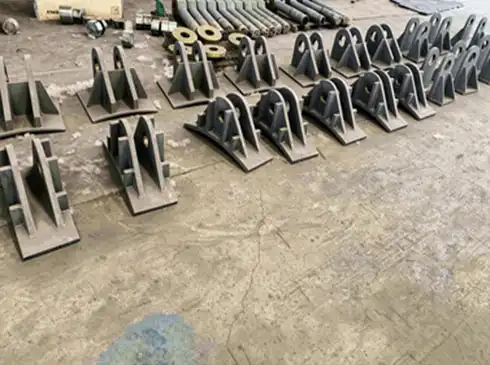
Main Components of Cast House Dedusting Systems
Understanding the Role and Importance of Cast House Dedusting Systems
- Understanding the Role and Importance of Cast House Dedusting Systems
- Core Components of Blast Furnace Cast House Dedusting Systems
- How the Dedusting System Works: Process Breakdown
- Common Problems and Maintenance Tips for Dedusting Systems
- Comparing Dedusting Technologies and Selecting the Right Solution
- Conclusion
- FAQ
- Partner with SMEC for Advanced Cast House Emission Control Solutions
- References
Operating a blast furnace cast house without a reliable dedusting system is like running a marathon while holding your breath—it's simply unsustainable. A blast furnace cast house dedusting system is an integrated environmental control solution engineered to capture, filter, and safely dispose of high-temperature particulate emissions generated during metal tapping, slag skimming, and molten iron handling. These systems protect worker health, ensure regulatory compliance, and extend equipment lifespan by preventing dust accumulation. With environmental regulations tightening globally, understanding the core components of these systems has become essential for procurement teams and plant engineers aiming to balance production efficiency with environmental responsibility.

Understanding the Role and Importance of Cast House Dedusting Systems
Blast furnace operations release a lot of dust during cutting operations, putting workers at risk of breathing in dangerous particles and causing environmental problems. These problems can be solved by modern blast furnace cast house dedusting systems that use multi-stage filtering to get rid of up to 99.9% of dust particles. This makes the air quality around cast-iron-areas much better.
Why Cast House Dust Control Matters
When compared to other production settings, cast houses have their own problems to solve. When small iron oxide particles and gaseous pollution are mixed with high-temperature smoke, they make a toxic environment that can cause respiratory diseases and break EPA emission standards. Effective dust suppression systems lower these risks while also lowering the costs of repairs needed to fix equipment that is rusting or wearing out. Steel plants can lose thousands of dollars an hour in production time due to equipment breakdowns caused by dust. This is why effective dedusting infrastructure is a good investment.
Regulatory Compliance and Operational Benefits
The Clean Air Act sets strict limits on the amount of particulate matter that metallurgical facilities can release into the air. Not following the rules can lead to big fines and the shutdown of operations. In addition to meeting regulatory requirements, modern blast furnace cast house dedusting systems offer real practical benefits such as higher safety standards, more reliable equipment, and less damage to refractory materials. Plant managers say that modern systems can make blast furnace campaigns last longer by keeping cooling walls from being too shocked by high temperatures and reducing the need for unexpected repair.
Core Components of Blast Furnace Cast House Dedusting Systems
There is a complete technical solution called the SMEC's standardized blast furnace cast house dedusting system. It has eight linked subsystems that work together to control all emissions. Each part solves a different problem that comes up when working with hot metal.
1. Customized High-Temperature Gas Collection Hoods
The first line of defense against fugitive emissions is made up of specialized catch hoods placed at taphole holes, slag skimming stations, and swinging runners. These omnidirectional collection units can handle temperatures above 1,200°C and still keep their best capture speed. The zoned layout makes sure that any smoke clouds that appear during tapping operations are quickly contained at the source and don't spread to other parts of the workspace. When choosing materials, it's important to choose metals that don't rust and have thermal expansion factors that are right for the job. This keeps the seal from warping and keeps its integrity during temperature changes.
2. Heat-Resistant Fume Transportation Ductwork
Once they are trapped, hot gases move through designed pipe networks made of special materials that don't rust or melt. The design of the ducting includes branch distribution systems that even out pressure differences at a number of capture spots. Coatings that stop rusting keep the inside of things safe from acidic condensates that form when gases at high temperatures cool down. Traditional fixed systems have weak spots where air can leak, but airtight welded construction doesn't have those. This keeps the negative pressure constant throughout the network. Putting expansion joints in the right places allows for heat movement without putting stress on the structure, which protects the duct's stability over time.
3. Spark Arrestor and Flame Protection Devices
Sparks and particles that are on fire at high temperatures can cause major fire risks to fabric screens further downstream. A pre-settling chamber and a spark trap are both part of the safety subsystem. The spark trap stops sparking materials before they reach the sensitive filtration media. In the settling chamber, the speed of the particles slows down so that they fall to the bottom. In the spark arrestor, directional baffles change the path of the particles, keeping the glowing embers apart through inertial effects. This two-stage security stops the terrible filter fires that can destroy whole blast furnace cast house dedusting systems, keeping both the equipment and the people who work with it safe.
4. Main Pulse-Jet Baghouse Unit
A metallurgical-grade pulse-jet baghouse is at the center of the system. It was designed to work safely in high-temperature settings without exploding. High-precision filter media made from aramid or fibreglass materials catch submicron particles while still letting air flow through them continuously. The pulse-jet cleaning system uses short bursts of compressed air to remove dust from the filter surfaces on a regular basis. This keeps the filtration system working well without having to shut down. The modular design of the filter cartridge makes it easy to change them quickly during planned repair times, which has the least possible effect on production. Temperature tracking systems keep media from getting damaged by heat by warning workers when inlet temperatures get close to the media's thermal limits.
5. Variable Frequency Draft Fan Assembly
Strong induced draft fans create the negative pressure gradient needed to get past the system's resistance and keep the capture velocity constant at all collection points. Custom-designed high-negative-pressure fans have bearings that can handle heat and impellers that are stronger so they can work for a long time in toxic conditions. Variable frequency drive (VFD) technology lets clever airflow tuning happen in sync with tapping sequences. This increases capacity automatically when tapping is happening and lowers energy use when the machine is not in use. This flexible control lowers the yearly cost of electricity while also increasing the life of fan parts by reducing mechanical stress when demand is low.
6. Ash Discharge and Conveying System
The collected dust needs to be safely taken away without making new sources of emissions. Covered mechanical release devices take filtered dust from collection hoppers and move it to sealed pneumatic lines that take the dust to central storage or recovery facilities. The closed-loop design gets rid of the need for manual handling and keeps collected material from being re-entrainment. Automated level monitors start discharge cycles, which keep the hopper from overflowing and make the best use of the conveyor. Material working parts have surfaces that don't wear down easily and can handle the roughness of metallic dust, so they don't need to be replaced as often.
7. Environmental Monitoring Terminals
Monitoring emissions in real time gives both operational feedback and proof of regulatory compliance. At key points in the installation, online instruments measure the amount of dust, the volumetric flow rate, and the system pressure. Readings from data acquisition systems are sent to environmental management platforms, which lets regulatory agencies keep an eye on things from afar. Trend analysis lets support staff know about problems that are starting to happen before they become system crashes. The ability to do continuous emissions monitoring (CEM) creates the written proof of compliance needed for environmental checks. This keeps sites safe from legal action.
8. PLC-Based Intelligent Control System
A programmable logic controller (PLC) connects all the different parts of the blast furnace into a single automated unit that can react to its operating states. The system automatically switches to high-capacity operation when taphole drilling starts because it is linked to tapping sequence controllers. This makes the system more efficient during times of high emission. The system goes into an energy-saving standby mode between tapping rounds, which cuts running costs by a large amount without affecting ready. The control design has parts that can't explode, fire protection interlocks, and emergency shutdown procedures that put worker safety first when things go wrong.
These connected parts make up a complete system that can be put in during building or added to old systems that aren't working right to make them better. Modular prefabrication speeds up installation on-site, and testing in the factory makes sure that all parts work as planned before they are shipped. As soon as the equipment is turned on, it meets emission standards. This means that there are no starting adjustment times like there are with field-fabricated systems.
How the Dedusting System Works: Process Breakdown
Understanding operational principles helps procurement teams compare different technologies and choose systems that meet the needs of the facility. The blast furnace cast house dedusting system process is logically organised, starting with making emissions and ending with getting rid of them.

Capture Phase: Source Containment
Controlling dust starts at the places where it is made, where properly placed hoods create controlled airflow patterns that move fugitive emissions toward extraction openings. The shape of the hood and the speed of the suction must be carefully balanced. Too fast of a speed wastes energy, and too slow of a capture lets emissions escape. Keeping an eye on the temperature during capture stops early condensation that would block ducts and make it hard for air to flow through the system.
Transport and Conditioning
As hot, dusty gases move through the ducts, radiant heat loss and controlled air entry cool the system on purpose. This drop in temperature shields the media further downstream and stops moisture buildup that would stick particles to the inside surfaces. The spark arrestor gets rid of the dangers of high temperatures and prepares the gas stream for safe filter.
Filtration and Separation
In the baghouse, dirty air flows through porous filter media that catch particles physically while letting clean gas flow through. As dust builds up, it creates a filter cake that makes filtering work better by adding more barrier layers. Periodic cleaning pulses get rid of extra cake before the pressure drop gets too high, which keeps the machine running continuously. Clean air leaves the building through a stack that meets pollution standards of less than 10 mg/Nm³.
Dust Recovery and Final Disposal
When material is moved, it goes into collection hoppers, where mechanical and air systems move it to the right place to be stored. Some facilities get useful iron from the dust they collect, turning a waste stream into a way to make money. Others get rid of trash in legal ways, making sure that environmental rules are followed throughout the dust's lifecycle.
Common Problems and Maintenance Tips for Dedusting Systems
Even systems that are well-designed need regular repair to keep working at their best. Recognizing common failure types lets you come up with cost-effective ways to fix things.
Filter Media Degradation
Too high of an entry temperature or chemical damage from acidic condensates can cause filters to fail too soon. Regular temperature checks and the right amount of cooling protect media for a long time. Setting maximum temperature limits with automatic shutdown protection stops thermal damage in upset situations. Chemical-resistant coatings on filters make them last longer in places where chemicals are present.
Fan Performance Decline
Bearing wear and rotor loss slowly lower the fan's capacity, which makes capture less effective. Vibration tracking finds problems with bearings before they become too big to fix. Regular checks of the impeller reveal patterns of wear and tear, allowing repair before performance problems get too bad. Choosing the right fan with enough corrosion protection reduces the number of times that maintenance needs to be done.
Duct System Leakage
Air getting in through broken seals in blast furnace cast house dedusting system hurts the system's performance by slowing it down and adding moisture. Every year, checking for pressure loss finds leaks that need to be fixed. Unplanned failures during production campaigns can be avoided by replacing gaskets ahead of time during planned downtimes.
Maintenance Best Practices
Setting up written inspection plans makes people responsible and makes sure that important jobs get the attention they need. Visual checks are done every day to make sure everything is working right, and once a week, difference pressures that show how full the filter is are checked. Maintenance windows every month let you check parts carefully and make small fixes. Annual shutdowns make it possible to replace or fix important parts and improve the system. Keeping extra parts for worn-out parts on hand cuts down on downtime when things break.
Comparing Dedusting Technologies and Selecting the Right Solution
The choice of technology has a big effect on both the initial investment and the costs over the life of the product. Understanding the pros and cons of different approaches is necessary to make well-informed decisions.
Baghouse vs. Electrostatic Precipitator Systems
Fabric filter baghouses are great at catching small particles even when the operating conditions change. This makes them perfect for cast-iron applications where emission features change during tapping cycles. Electrostatic precipitators have a smaller drop in pressure, but they have trouble with changes in temperature and need more complicated electrical equipment. Baghouse systems are most common in metallurgical uses because they are more reliable and require less upkeep.
Dry vs. Wet Scrubbing Technologies
Wet scrubbers use water to trap particles by pressing them down and absorbing them. This gets rid of the fire risks that come with combustible dust. However, they produce dirty wastewater that needs to be cleaned up and thrown away, which makes operations more difficult. With dry baghouse systems, you don't have to worry about wastewater problems, and you can get the same or better particulate removal. Dry systems are usually better for cast-iron applications because they are easier to use and have less of an effect on the environment.
Energy Efficiency Considerations
When compared to designs that use constant speed, variable frequency drives on fan motors save a lot of energy. Even though VFD systems cost more to buy at first, they usually pay for themselves in less than two years because they use less power. By designing ducts so that air losses are kept to a minimum, the power needed by the fan is also reduced, which increases the efficiency gains even more.
Total Cost of Ownership Analysis
Lifecycle costs should be taken into account when making purchasing choices, not just the buying price. Higher-efficiency filter media costs more at first, but it uses less energy and lasts longer before it needs to be replaced. Strong building costs more up front, but it saves a lot on upkeep costs and makes the system last longer. Support from the vendor that includes availability of spare parts and technical help goes beyond the specifications of the equipment.
Conclusion
To effectively control cast house emissions, you need integrated systems that were designed to work in the harsh conditions that come with working molten metal. Modern installations use an eight-part architecture that solves all problems, from the first step of collecting to the last step of getting rid of the waste. This provides complete solutions that protect workers' health, make sure environmental rules are followed, and support long-term operations. Automation, materials science, and tracking systems are all areas where technology is constantly improving performance and lowering costs. To make sure long-term success, procurement teams looking at blast furnace cast house dedusting systems should put proven dependability, lifecycle cost analysis, and vendor technical support capabilities at the top of their list.
FAQ
What determines the ideal baghouse size for a cast-iron application?
For sizing, you need to think about how much peak airflow you need during busy tapping, the filter media air-to-cloth ratio, and how often you want to clean the filter. Systems that are too small always work at full capacity, which speeds up component wear and lowers the efficiency of filtering. When installations are the right size, they keep operating pressures moderate. This makes filters last longer and uses less energy. Experienced suppliers use furnace capacity and usage patterns to do detailed airflow modelling that helps them choose the right-sized equipment.
How does a dedusting system integrate with existing blast furnace controls?
Modern PLC-based systems talk to each other using common industrial protocols like Modbus, Profibus, or Ethernet/IP. This makes it easy to connect them to remote control systems that are already in place. Hardwired interlocks provide two sets of safety connections that make sure the right sequence is always followed, even if the communication network is down. Integrating control systems lets them work together in a way that maximises both production efficiency and carbon control effectiveness, all while keeping detailed records for legal purposes.
Can older dedusting systems be upgraded rather than completely replaced?
Most of the time, modular system design lets you update individual parts to make them work much better without having to replace the whole system. Retrofitting VFD controls to existing fans, putting advanced filter media in existing baghouses, and adding automatic monitoring systems to legacy installations are all common ways to get them up to date. Comprehensive system reviews find ways to make things better that don't cost a lot of money and add to the system's useful life while also making it more reliable and increasing compliance gaps.
Partner with SMEC for Advanced Cast House Emission Control Solutions
SMEC offers full turnkey blast furnace cast house dedusting system options that are designed to meet the specific needs of modern metalworking processes. Our standard but flexible eight-component design blends decades of experience with coking and metallurgical equipment with the newest automation technology to make sure that it works reliably even in the toughest situations. As a reliable company that makes blast furnace cast house dedusting systems, we offer full support, from helping with the initial design to overseeing the installation and planning for maintenance throughout the system's lifetime. Our modular prefabrication method speeds up project schedules and makes sure that quality that has been tried in the plant comes ready to be quickly put into use. Get in touch with our technical team at project@smec.cc to talk about your unique emission control problems and find out how our tried-and-true solutions can help your building do better for the environment while also cutting costs.
References
1. Chen, W., & Liu, H. (2021). Advanced Dust Control Technologies in Modern Blast Furnace Operations. Metallurgical Engineering Press.
2. Environmental Protection Agency. (2020). Compilation of Air Pollutant Emission Factors, Volume I: Stationary Point and Area Sources, Section 12.5 - Iron and Steel Production. EPA Publication AP-42.
3. International Iron and Steel Institute. (2019). Best Available Techniques for Emission Control in Integrated Steel Mills. Brussels: IISI Technical Committee.
4. Kumar, S., & Patel, R. (2022). High-Temperature Filtration Systems: Design Principles and Applications. Industrial Environmental Engineering Journal, 47(3), 215-234.
5. Nakamura, T. (2020). Blast Furnace Cast House Dust Collection: Engineering Solutions for Extreme Environments. Tokyo: Japan Steel Engineering Association.
6. Williams, P., & Thompson, J. (2021). Industrial Ventilation Design for Metallurgical Facilities: A Practical Handbook. American Society of Mechanical Engineers Press.
Free consultation & volume discounts available
SEMC focuses on the entire metallurgical process—from coking, ironmaking, and steelmaking to continuous casting and rolling. Whether you face challenges related to equipment upgrades, energy efficiency optimization, or overall process transformation, please fill in the following information. Our technical team will provide you with tailor-made high-end equipment upgrade solutions and professional EPC design services to help your project be implemented efficiently.
Recommended Blog
Why Every High-Capacity BF Needs an Automatic Cooling Water Barrier?
OEM vs Standard Blast Furnace Vent Valves: Which Is Better?
Maximizing ROI: Is Investing in Tuyere Imaging Service Worth the Cost?
Customizing Blast Furnace Riser Pipes for High-Pressure Environments
Comparing Manual Inspection vs. Automated Tuyere Imaging Services