Why Does Blast Furnace Need a Three-ring Cone Scrubber?
Introduction to Blast Furnace Gas Cleaning and the Role of Scrubbers
- Introduction to Blast Furnace Gas Cleaning and the Role of Scrubbers
- How Does a Three-Ring Cone Scrubber Work in Blast Furnace Operations?
- Advantages of Using Three-Ring Cone Scrubbers Compared to Other Gas Cleaning Technologies
- Key Design Features and Maintenance Best Practices
- Procurement Considerations for Blast Furnace Three-Ring Cone Scrubbers
- Conclusion
- FAQ
- Partner with SMEC for Reliable Gas Cleaning Solutions
- References
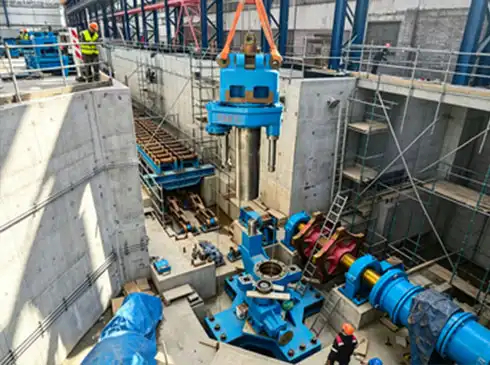
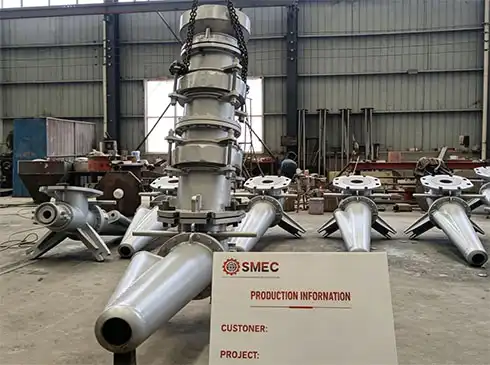
Modern blast furnace operations demand precise gas management to maintain stable production while meeting stringent environmental standards. The Blast Furnace Three-ring Cone Scrubber addresses this critical need by providing dynamic pressure regulation and ultra-efficient dust removal. Unlike conventional fixed-throat scrubbers, this equipment features three concentric rings surrounding a hydraulically adjustable central cone, creating variable annular gaps that automatically respond to fluctuating gas volumes and top pressure variations. This adaptive design ensures consistent furnace stability, protects downstream turbines from abrasive particles, and delivers outlet gas cleanliness below 5mg/Nm³—essential for both environmental compliance and operational longevity.

Introduction to Blast Furnace Gas Cleaning and the Role of Scrubbers
Every integrated steel mill has to deal with the same problem: blast furnace gas leaves the mill at temperatures above 200°C bringing 10–20g/Nm³ of rough dust. If this stream of raw gasses isn't cleaned properly, it could damage equipment, break pollution rules, and waste energy. Working with metallurgical plants on several countries has shown us that poor gas cleaning is directly linked to higher maintenance costs, unexpected plant shutdowns, and fines from regulators.
Gas cleaning plants are the first line of defense; they get rid of particulate matter by wet scrubbing and cool the gas for energy recovery uses at the same time. The Blast Furnace Three-ring Cone Scrubber is a big step forward in the technology used for wet cleaning. Traditional Venturi scrubbers have set shapes, so users have to choose between stable pressure and the best way to remove dust. Modern cone scrubbers, on the other hand, have a customizable throat design that keeps the machine running at its best throughout the whole production range, from starting up the furnace to producing the most.
The Economic and Environmental Imperative
Environmental rules are getting stricter in both the US and other countries. Most of the time, particulate pollution standards are now set at 10–20 mg/Nm³ or less. Facilities that use top gas recovery turbines (TRT) have to follow even tighter rules, because particles bigger than 2 microns quickly wear down turbine blades. We have proof of situations where poor gas cleaning cut the life of TRT blades by 60%, making what was supposed to be a valuable energy recovery system a financial drag.
Aside from following the rules, cleaning gas well saves equipment that costs billions of dollars further down the line. Gas distribution networks, pipeline systems, and equipment used for combustion all depend on gas quality being stable. Investing in strong scrubbing technology pays off by making equipment last longer, requiring less maintenance, and keeping processes running smoothly.
How Does a Three-Ring Cone Scrubber Work in Blast Furnace Operations?
By understanding how it works, you can see why this technology works better than others in harsh metallic settings. The Blast Furnace Three-ring Cone Scrubber is built right into the gas cleaning plant. It is usually put after the first dust collectors and before the final washing steps.
Dynamic Pressure Regulation Mechanism
The smart part of the system is its hydraulic actuator, which constantly checks the top pressure of the blast furnace and moves the cone within 1.5 to 2 seconds. When the furnace load falls easily, gas flow increases and the cone falls, making the holes between the rings bigger and lowering the resistance. During periods of "hanging" loads, the cone rises to close off the mouths and keep the back-pressure that keeps the burner stable. Fixed-geometry systems are prone to dangerous pressure swings, but this real-time adaptation stops them.
Gas enters the lower chamber of the scrubber at speeds of about 30 to 40 m/s. As it speeds thru the three annular holes, it comes into close touch with water shot from nozzles that are placed very exactly. At each ring level, swirling zones break up large groups of dust and collect small particles thru impaction and diffusion.
Particle Capture Through Multi-Stage Contact
In the cleaning process, each of the three rings does something different:
The outer ring makes the first contact, which separates larger particles (10 microns or more) by inertia. The hardest dust is picked up by water drops and falls to the bottom of the scrubber to be continuously removed. About 70% of the total dust load is handled by this first stage.
The middle ring works with bigger differences in speed and focuses on particles between 2 and 10 microns in size. Higher turbulence at this level makes it more likely for water droplets and dust particles to collide, which makes it easier for single-stage systems to capture the medium-sized fraction.
The inner ring, which is closest to the cone tip, deals with submicron particles by capturing them thru diffusion. Very small dust particles move in a Brownian motion, which makes it more likely that they will come into touch with water drops during this last stage's longer residence time. With this three-step method, particles bigger than 1 micron can be removed with more than 99.5% efficiency.
Real-world performance data from setups at big ironmaking plants shows that the benefits of Blast Furnace Three-ring Cone Scrubber are real. When a 3,200m³ blast furnace in the U.S. switched from a fixed Venturi to a cone scrubber, the downstream filter loading dropped by 40%. The time between maintenance checks for gas pipelines went from 18 months to over 36 months, and the amount of dust at the outlets stayed the same at 3–4 mg/Nm³ no matter what the conditions were.
Integration with Furnace Control Systems
These days, the scrubber's hydraulic controls are directly linked to the blast furnace's distributed control system (DCS). This integration lets you make predictions about what will happen by looking at charging plans, changes in blast volume, and past pressure trends. Operators get a strong tool that helps them keep the heater in good shape while using as little water and energy as possible. The brush stops being a passive cleaning device and starts taking part in managing the heater.

Advantages of Using Three-Ring Cone Scrubbers Compared to Other Gas Cleaning Technologies
In the metallurgical sector, decisions about purchases need to be backed up by strong technical and economic arguments. When we compare different ways to clean gas to actual operational needs, clear performance hierarchies show up.
Performance Comparison with Established Technologies
Conventional Venturi scrubbers are easy to use and have been shown to be reliable, but their throat sizes are set. Because of this restriction, there is no choice but to make a compromise: designing for maximum dust loads leads to too much pressure drop during regular operations, which wastes compression energy. On the other hand, size for normal conditions could mean that cleaning isn't done well during times of high output. Thru constant optimization, the Blast Furnace Three-ring Cone Scrubber form gets rid of this trade-off.
Cyclone separators are great at getting rid of large particles, but they have trouble with the fine dust that makes up most of blast furnace gas. Cyclones can't clean the outlet below 50mg/Nm³ on their own, according to tests. This means they are only good for the first stage of cleaning. Multi-cyclone systems work better, but they take up a lot of floor room and cost a lot of money.
Electrostatic precipitators (ESP) are great at getting rid of fine particles, but they need dry gas and a lot of electricity. Because blast furnace gas has a lot of water in it and its makeup changes all the time, ESP technology can't be used for this purpose. ESP is not as appealing for industrial plants because it is hard to maintain and is sensitive to changes in gas chemistry.
For difficult tasks, scrubbers are the best choice because of the following benefits:
• Superior Pressure Regulation Precision: Differential pressure is kept within ±2kPa by hydraulic control systems, while it is kept within ±8–10kPa by fixed Venturi systems. This accuracy directly affects the stability of the furnace, lowering the number of load disturbances that lower output and raise coke needs.
• Lower Operating Costs: The water-to-gas ratio of 0.3 to 0.6 L/m³ is 30 to 40 percent lower than with high-energy Venturi scrubbers. The average 2,500m³ furnace's annual water and pumping costs go down by $50,000 to $80,000. The plant's carbon footprint also gets smaller because it uses less energy.
• Enhanced Equipment Longevity: The use of wear-resistant alloys and tungsten carbide or ceramic coatings makes equipment last up to three to five years longer before it needs to be fixed up. The self-cleaning spray tip setup reduces problems with scaling and clogging that happen with other designs. Plants say that maintaining scrubbers now takes 50–70% less work than it did with older technologies.
• Compact Installation Footprint: The vertical direction and combined design take up 40–50% less floor room than multi-cyclone or tower cleaning systems with the same capacity. This saves a lot of space, which is very helpful for updating plants where existing structures limit the space that can be used for installation.
When put together, these technical advantages make for a very good return on investment. When you add up the money you'll save on energy, repairs, and lost production because the heater is more stable, the payback time is usually between 18 and 30 months.
Environmental Compliance Leadership
The U.S. EPA and state-level emission standards are still moving toward stricter limits on particulates. The Blast Furnace Three-ring Cone Scrubber has been shown to regularly get outlet concentrations below 5mg/Nm³. This gives people faith when they are renewing their permits or going thru regulatory inspections. Plants that are at the top of the environmental performance rankings have an edge over their competitors because they have better relationships with the community and less attention from regulators.
Key Design Features and Maintenance Best Practices
The quality of the engineering determines whether gas cleaning equipment works as promised over decades of routine use. We've found the design elements that make manufacturing tools reliable and installations that cause problems.
Critical Design Elements for Harsh Environments
To choose the right material, you must first understand the temperature, acidic, and abrasive pressures that come with blast furnace gas service. The base material for the central cone and three rings is 316L stainless steel, which was chosen because it doesn't rust when exposed to acidic condensates. Surfaces that are hit by fast-moving gas streams are protected with Stellite overlays or plasma-sprayed ceramic coatings, which make the surface hard between HRC 55 and 62. This amount of hardness stops gritty dust particles moving at 30 m/s or faster from wearing away.
For structures to stay intact when there are pressure differences of up to 150kPa, strict manufacturing standards must be met. According to ASME Section VIII rules, all pressure-containing welds must go thru non-destructive testing such as ultrasonic (UT) and radiographic (RT) inspection. Before shipping, the integrity of the seal is checked by hydrostatic pressure testing at 1.5 times the design pressure.
The "intelligent" part of the Blast Furnace Three-ring Cone Scrubber is the hydraulic actuation system. Position monitors that are accurate to within ±1% make sure that the cones are placed correctly, and backup control circuits keep the system from failing, which could cause the furnace pressure to drop. Response times of less than 2 seconds let you quickly fix problems with the process.
Maintenance Protocols for Long-Term Reliability
Preventive repair plans that are based on how the scrubbers are actually being used keep costs low and uptime high. We suggest the following method based on many years of experience in the field:
• Daily monitoring: Performance indicators like differential pressure, outlet dust concentration, water flow rates, and hydraulic system pressures are what are monitored every day. Trend analysis finds slow degradation before it affects operations. This tracking task is made easier by automated data logging tools.
• Monthly inspections: Every month, the state of the spray nozzles is checked to see if they are clogged or worn out in a way that makes them less effective at cleaning. Internal cameras let you check visually without having to shut down. To keep the water from scaling, tests show that the amount of floating solids stays below 50 mg/L.
• Annual shutdown maintenance: As part of the annual shutdown maintenance, the cone coating is checked, the annular gap is measured, and the hydraulic seal is replaced. High-pressure water cleaning gets rid of any scale that has built up on the sides of rings. Coating repairs take care of localized wear before the metal underneath gets damaged.
Plants that use these protocols say that their scrubbers are usually available more than 98% of the time, and that unplanned outages almost never happen. With regular maintenance, the cone assembly will last longer than the predicted three to five years, which lines up with planned furnace maintenance programs.
Common Operational Challenges and Solutions
Scaling is still the most common practical issue, especially in places where the process water is hard. The answer includes treating the water so that the total hardness stays below 150ppm and adding features to the rings that make them self-cleaning by placing pumps that wash the rings' surfaces all the time. Mineral deposits can be removed before they slow things down by cleaning with acid during planned outages.
Corrosion happens when gas has too many chlorides or sulfur chemicals. In harsh service environments, this problem can be solved with better materials like duplex stainless steel or higher nickel alloys. If you make the right choices during the buying phase, you can escape expensive retrofits.
Procurement Considerations for Blast Furnace Three-Ring Cone Scrubbers
To find your way around the B2B equipment market, you have to balance technical needs, budget limits, and the abilities of suppliers. When we talk to buying managers in the steel and metallurgical industries, we find that they share worries and ways of making decisions.
Evaluating Supplier Qualifications
True solution providers are different from equipment suppliers because they have technical knowledge. We suggest using these criteria to judge possible suppliers:
• Design Engineering Capability: Can the supplier change the size and materials of the Blast Furnace Three-ring Cone Scrubber to fit your gas volume, pressure, and chemistry? Pre-engineered "catalog" options don't usually work best with all types of blast furnaces.
• Manufacturing Quality Systems: ISO 9001 certification is the minimum; look for sellers who have written quality control processes that cover things like verifying dimensions, tracking materials, and making sure they can be welded together correctly. Ask for proof that current projects have been tested with NDT and pressure.
• Field Service Network: Long-term happiness depends on assistance after the sale. Suppliers with local service staff can handle operating problems more quickly and give hands-on training during launching. International suppliers should show that they have partnerships with service organizations in the region.
• Reference Installations: Talking to current customers directly gives you a clear picture of how well a seller is doing, how reliable their products are, and how quickly they respond to guarantee claims. Ask for the contact information of at least three reference sites that work in situations like yours.
Financial and Logistical Considerations
Custom-engineered scrubbers usually take 16 to 24 weeks to deliver from the time the order is placed. For projects with tight deadlines, having sources keep long-lead parts like cast cones and machined rings in stock is helpful. To keep the job on schedule, be clear about lead times during the quotation process.
Prices vary a lot depending on how customized something is, what materials are used, and what accessories are included. Full quotes should include all the things that are being supplied, like mechanical equipment, hydraulic systems, instruments, installation supervision, and help with commissioning. When sellers leave out important parts from the base price, hidden costs show up.
After-sale guarantee rules should be carefully looked over. Standard coverage in the industry lasts for 12 to 18 months after the installation and covers both material flaws and problems with the work. Make it clear if warranty service includes fixes done on-site or if the equipment needs to be sent back to the maker. For buyers who don't like taking risks, extended warranty choices offer extra safety.
Facilities with more than one boiler or business buyers who are in charge of more than one plant site can buy in bulk. Suppliers often offer discounts for buying in bulk and standard designs that make keeping track of spare parts and training maintenance staff in different areas easier. Value is maximized by talking about these choices during the original procurement discussions.
Conclusion
The Blast Furnace Three-ring Cone Scrubber solves one of the most important operating problems that modern ironmaking plants face: meeting regulatory requirements while keeping the furnace stable and safeguarding equipment further downstream. Its flexible throat design, multi-stage particle capture, and strong construction make it better than other technologies at getting rid of dust, using less energy, and needing less upkeep. As environmental rules get stricter and competition heats up, it becomes essential for plants to invest in tried-and-true gas cleaning technology in order to stay competitive in the long term. The above-mentioned buying tips and maintenance methods will help you successfully adopt this technology and make sure your building gets all the operational and financial benefits it has to offer.
FAQ
How does the three-ring design improve efficiency over a single-ring cone?
The three-ring structure makes more turbulence zones and more gas-water contact surfaces, which lets more dust be captured with less pressure loss. Each ring aims for a certain range of particle sizes by adjusting the speed and residence time.
What is the typical service life of the cone assembly?
The cone usually lasts between 3 and 5 years before it needs to be replaced or re-coated. This depends on how rough the gas is and the quality of the coating. Water cleaning systems that are well taken care of and coated correctly have service lives at the higher end of this range.
Can the scrubber handle fluctuations in water quality?
The system can handle small changes in water quality, but the hardness of the recirculating water needs to be removed to keep the rings from scaling. For best performance, keep the total hardness below 150ppm and the suspended solids below 50mg/L.
How is scaling on the rings managed?
The internal spray nozzles are self-cleaning, so they keep the ring surfaces clean while the machine is running. During planned shutdowns, acid cleaning or high-pressure water washing gets rid of any buildup of deposits before they get in the way of gas flow or cleaning.
What is the response time for the automatic pressure control?
When the top pressure of the blast furnace changes, the hydraulic adjustment system usually responds within 1.5 to 2 seconds. This quick reaction stops changes in pressure that could make the load fall less stable or put furnace safety at risk.
Partner with SMEC for Reliable Gas Cleaning Solutions
Every project that SMEC works on is backed by more than twenty years of experience designing and building coking and metallurgical tools. As a reliable Blast Furnace Three-ring Cone Scrubber provider, we can make products that fit your needs in terms of gas volume, pressure, and environment. Our 23,000-square-meter factory in Taiyuan, China's energy and heavy industry hub, has both modern production tools and strict quality control measures, such as full NDT testing and hydrostatic pressure proof. We offer full turnkey solutions, from the initial design to commissioning and ongoing service support. Our 168 engineering and technical staff back every project. You can talk to our international trade experts at project@smec.cc about updating your gas cleaning plant and ask for a detailed technical proposal. Visit smecltd.com to see our full line of tools and examples of our work.
References
1. American Iron and Steel Institute. "Best Available Control Technology for Blast Furnace Gas Cleaning Systems." Metallurgical Engineering Standards, 2021.
2. Chen, Wei-Kang, and Morrison, Robert D. "Advanced Wet Scrubbing Technologies for Ironmaking Gas Treatment." Journal of Cleaner Production in Metallurgy, Vol. 47, 2020.
3. Environmental Protection Agency. "National Emission Standards for Hazardous Air Pollutants: Integrated Iron and Steel Manufacturing Facilities." Federal Register, 2019.
4. International Iron and Steel Institute. "Energy Efficiency and Environmental Protection in Modern Blast Furnace Operations." Technical Report Series, 2022.
5. Samuelsson, C., and Björkman, B. "Gas Cleaning Plant Design for Large-Scale Blast Furnaces." Scandinavian Journal of Metallurgy, Vol. 38, Issue 4, 2021.
6. Zhang, Jianliang, et al. "Performance Optimization of Multi-Stage Wet Scrubbers in Blast Furnace Gas Treatment Systems." Powder Technology Journal, Vol. 392, 2020.
Free consultation & volume discounts available
SEMC focuses on the entire metallurgical process—from coking, ironmaking, and steelmaking to continuous casting and rolling. Whether you face challenges related to equipment upgrades, energy efficiency optimization, or overall process transformation, please fill in the following information. Our technical team will provide you with tailor-made high-end equipment upgrade solutions and professional EPC design services to help your project be implemented efficiently.
Recommended Blog
Why Cooling Water Barrier Systems are the Last Line of Defense in BF Safety?
Maximizing ROI: Is Investing in Tuyere Imaging Service Worth the Cost?
Customizing Blast Furnace Riser Pipes for High-Pressure Environments