Risks of Aging Blast Furnace Gas Purification Systems
Common Risks of Aging Blast Furnace Gas Purification Systems
- Common Risks of Aging Blast Furnace Gas Purification Systems
- Why Revamping Your Blast Furnace Gas Purification System is Essential?
- Key Considerations When Planning a Blast Furnace Gas Purification System Revamp
- How to Avoid Common Pitfalls During Blast Furnace Gas Purification System Upgrades?
- Future Trends in Blast Furnace Gas Purification and Their Impact on B2B Procurement
- Conclusion
- FAQ
- Partner with SMEC for Your Blast Furnace Gas Purification System Upgrade
- References
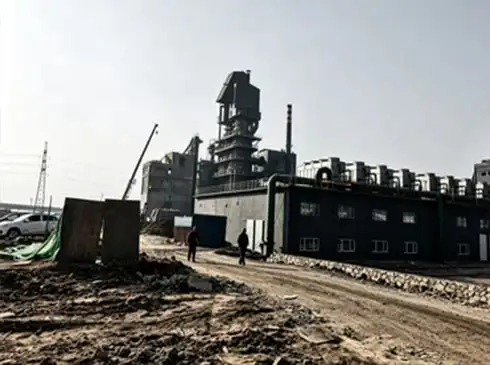
Modern steel and metalworking plants are having a hard time because their blast furnace gas purification systems are getting old. When these systems break down, companies have to deal with more environmental violations, less efficient production, and higher running costs. The main risks are too many emissions, poor gas quality, equipment corrosion, and less energy recovery potential. Wet scrubbers and traditional Venturi systems are becoming less useful as environmental rules get stricter, especially ultra-low emission standards. They can't keep the dust concentration below 5mg/Nm³. These risks can be faced head-on by implementing a strategic revamping of the blast furnace gas purification system. This turns liability into a competitive advantage by increasing thermal efficiency, automating control, and providing long-term regulatory assurance.

Common Risks of Aging Blast Furnace Gas Purification Systems
Environmental Compliance Failures and Regulatory Penalties
Outdated equipment for cleaning has a hard time keeping up with modern emission standards. When they were built two or three decades ago, traditional systems were made for very different governing environments. The standards we have now call for particulate matter levels below 5 mg/Nm³, limits on sulfur compounds, and controls on nitrogen oxides that old equipment can't meet. Wet scrubbers that are getting old often set off environmental tracking platform alerts, which can lead to inspection penalties, production cuts, and permit limits. These regulatory gaps directly put businesses and their access to markets at risk.
Compromised Gas Quality and Downstream Impact
Too little precision in removing the dust means that too many contaminants, like dust particles, tar residue, and corrosive sulphur compounds, stay in the recovered blast furnace gas. This drop in gas quality affects activities further down the line. When dirty gas goes into hot blast stoves and warming furnaces, it makes the burning process much less efficient. The lower calorific value means that more fuel is needed to produce the same amount of heat, which directly raises the cost of energy. Gas pipes, valves, and heat exchangers wear out faster when they are exposed to abrasive particles and corrosive substances. This means that upkeep needs to be done more often and the equipment's lifespan is cut short.
Escalating Maintenance Costs and Unplanned Downtime
Purification systems that are getting old need constant care. Internal corrosion in the cleaner, old fan blades, clogged nozzles, and seals that are breaking down all need to be fixed often. Instead of improving performance, maintenance teams spend more and more time fixing problems. Unplanned shutdowns mess up output plans and cause delays that affect the whole mill. When repair parts, emergency labour, and missed output are added up, the total cost often goes over what plant managers planned, which cuts into their profit margins every quarter.
Insufficient Processing Capacity During Peak Operations
A lot of old systems don't have enough processing power to handle changing blast furnace loads well. During sessions of high-intensity smelting, the amount of emissions goes over the design level of the cleaning system. This difference causes sudden spikes in discharge that are higher than what is allowed, even if overall emissions stay within the limits. These short-term violations lead to automatic regulatory reporting and instant enforcement action, which creates operating confusion and possible safety risks around the plant's boundaries.
Thermal Energy Losses Reducing Power Generation
Wet scrubbing methods cool blast furnace gas a lot, which loses useful practical heat. This heat loss has a direct effect on how well the Top Pressure Recovery Turbine (TRT) makes electricity. When compared to newer dry filtration methods, plants that use older wet systems lose 20 to 30 percent of their possible power production. Given how much power costs and how important it is to be self-sufficient in energy, this is a big ongoing economic punishment that grows every month.
Why Revamping Your Blast Furnace Gas Purification System is Essential?
Enhanced Efficiency Through Advanced Filtration Technologies
Modern dry bag filtration systems for the Revamping of Blast Furnace Gas Purification System consistently remove more than 99.9% of dust, with concentrations at the outlet ranging from 1 to 5 mg/Nm³. High-temperature-resistant filter media, like P84 or PTFE-coated fibreglass that can handle temperatures up to 280°C, are used in these systems to ensure stable performance in a range of working conditions. Automatic pulse-jet cleaning cycles keep the ideal pressure drop levels, which are usually below 8 kPa. This keeps the fan working efficiently and cuts down on electricity use. Switching from wet to dry cleansing gets rid of the need for water, the cost of sludge removal, and the damage that wastewater treatment does to the environment.

Preservation of Sensible Heat for Energy Recovery
Dry filtering keeps the thermal energy in blast furnace gas, which makes it possible for much higher TRT power output. Electricity production usually goes up by 20 to 30 percent at plants that upgrade their purification systems. This recovered energy balances out the energy that is bought from the grid, which lowers changeable running costs and makes the plant more energy balanced overall. The financial effect builds up over the system's many-decade work life, providing a strong return on investment that usually covers the initial investment within three to five years.
Regulatory Compliance and Environmental Risk Mitigation
By improving the infrastructure for purification, facilities can stay ahead of changes in regulations. Environmental standards are getting stricter all over the world, especially in the US, where regional air quality rules vary but always move toward stricter limits. Modern systems with real-time tracking of emissions, automatic control changes, and multiple filtration steps protect against not following the rules. This proactive approach saves working permits, keeps relationships with the community strong, and avoids the damage to image that comes with breaking environmental laws.
Improved Gas Quality for Downstream Operations
With high-precision filtration, the gas is cleaner, with fewer particles and toxic chemicals. This quality gain makes the burning more stable in hot blast stoves, raises the thermal efficiency of reheating furnaces, and makes equipment further downstream last longer. Maintenance times get longer, less spare parts are used, and the dependability of operations gets better. The cumulative effect makes production more stable and lowers the total cost of ownership for all systems that are linked together.
Scalability and Future-Proofing Investment
Modular structures and digital control platforms that can be used for future capacity increases or process changes are built into well-designed renovation projects. By choosing trusted technology partners, you can be sure that you will have access to ongoing technical support, firmware updates, and services that improve performance. This forward-looking approach keeps capital investments from becoming useless too soon and sets up the facility to use new technologies like IoT sensors and predictive maintenance algorithms as they become more stable.
Key Considerations When Planning a Blast Furnace Gas Purification System Revamp
Comprehensive System Assessment and Baseline Establishment
A careful diagnosis is the first step to a successful remodelling. Engineering teams have to look at the state of the current equipment, the process factors, the makeup of the gas, the temperature profiles, and how the pressure changes over time. Isokinetic dust sampling tests with different furnace loads set a solid baseline for performance. Figuring out what the problems are—whether they are with filtration accuracy, heat loss, or limited capacity—allows for focused answers instead of general improvements. During this part of the review, structural limitations, space limitations, and integration places with nearby systems are also found. These factors affect the design decisions that are made.
Technology Selection Aligned with Operational Requirements
Purification technology for the revamping of Blast Furnace Gas Purification System must match oven size, gas volume, dust kind, and location. Large integrated steel factories with 2000–5000m³ blast furnaces benefit from switching to long-bag pulse dry dust collectors, which reduce pollution and maximise energy recovery. High-chloride ore processing structures need acid-resistant coatings and stainless steel interior sections to prevent dew point corrosion. Plants near cities must obey tight secondary dust emission standards. These guidelines require closed-loop ash handling devices that prevent particles from escaping while moving the trapped material. When technology fits the situation, it works best and lasts longest.
Partner Selection and Quality Assurance Protocols
The success of a project depends on how well you choose skilled technology providers and engineering partners. Companies with a good reputation have a history of doing good work, a lot of technical information, and strong quality control systems that are in line with ISO 14001 environmental management standards and the safety certifications needed for mining equipment. The procurement teams should check that the products can be manufactured, that example installations are safe, and that there is a system in place for providing help after the sale. Clear contractual terms that cover things like performance promises, help with commissioning, and training for operators protect project investments and make transfers go more smoothly.
Minimizing Downtime Through Phased Implementation
Long shutdowns are not acceptable for steel production. Phased application, prefabricating major parts off-site, and scheduling installation during planned repair times are all good ways to revamp a building. Temporary bypass setups keep some processing power during times of important shifts. Disruption risks are lower when detailed commissioning schedules are closely coordinated with production planning. Advanced planning, such as testing the filter chambers' airtightness and pressure, ultrasonic NDT of structure welds, and PLC response verification for emergency escape valves, finds problems before they happen, saving money on delays.
Operator Training and Maintenance Planning
Without trained workers, even the most advanced equipment doesn't work as well as it should. Training programs that cover system operation, routine upkeep, troubleshooting methods, and safety practices make sure that employees can get the most out of their tools. Setting up preventive maintenance plans that are in line with what the maker suggests, keeping important extra parts on hand, and using condition tracking techniques all help to ensure long-term performance. Building up internal knowledge makes a company less reliant on outside service providers and speeds up the time it takes to solve problems.
How to Avoid Common Pitfalls During Blast Furnace Gas Purification System Upgrades?
Avoiding Underestimation of System Complexity
To clean gas from a blast furnace, heat flow, particle behaviour, chemical reactions, and mechanical operations all work together in complex ways. When project scopes are too simple, they often forget about secondary systems that are important during commissioning, like ash removal conveyors, explosion suppression devices, electrical integration, and instrumentation networks. Using multidisciplinary engineering teams during the planning stages helps find secret problems early on, which leads to more accurate budgets and more realistic plans. Surprises in the middle of a project that throw off schedules and raise costs can be avoided by doing technical due diligence.
Comprehensive Total Cost of Ownership Analysis
Making choices about purchases based only on the initial cost of cash is often a waste of time and money. The total cost of ownership includes things like energy use, filter media replacement, upkeep labour, spare parts inventory, costs related to following environmental rules, and lost production during breaks. Premium filtration systems often have lower lifecycle costs because they are more efficient, last longer, and work more reliably, even though they cost more up front. By comparing different options over the course of 15 to 20 years, detailed financial modelling shows the real effects on the economy, which helps people make smarter investment choices.
Stakeholder Alignment and Communication
During renovation projects for the revamping of the blast furnace gas purification system, many departments are involved, including operations, maintenance, environmental compliance, finance, and purchasing. Each of these departments has its own goals and concerns. Misalignment leads to resistance, delays, and compromises that aren't the best. Setting up cross-functional steering committees early on makes sure that the project's parameters are shaped by a variety of points of view. Regular communication updates keep people on board, bring up new problems quickly, and make it easier to work together to solve them. When you use inclusive planning methods, you can find solutions that balance technical performance, budgetary limits, working necessity, and long-term goals.
Rigorous Pre-Upgrade Testing and Validation
Post-installation disappointments are caused by inadequate validation. Before equipment is shipped, it goes through thorough plant acceptance testing to make sure it meets all the requirements. On-site commissioning procedures should include tests to see how permeable the filter media is, checks to see if the system is airtight at 1.5 times the operating pressure, and performance tests in all the possible operating conditions. Inspections by a third party provide objective proof, especially for important safety systems. Spending time on thorough testing at the beginning saves money on fixing problems later on and protects the project's reputation.
Future Trends in Blast Furnace Gas Purification and Their Impact on B2B Procurement
Digitalization and Smart Monitoring Integration
Adding Internet of Things (IoT) sensors, real-time data processing, and cloud-based tracking tools changes how purification systems are managed. Modern installations have continuous monitoring of emissions, predictive maintenance algorithms that look at vibration signatures and pressure differences, and control adjustments that are made automatically when the furnace load changes. These digital features allow for remote diagnostics, make the best use of filter cleaning cycles, and send early warnings when a part is breaking down. Integrated digital environments along with mechanical tools are becoming more and more important in procurement strategies. This is because data-driven insights can lead to ongoing performance gains and cost reductions.
Sustainability Mandates Driving Technology Selection
Global pledges to reduce carbon emissions and the concepts of the circular economy change the way technology is specified. Buyers look at more than just practical emissions. They also look at how much carbon was used in the production process, how recyclable the parts are, and how well they fit with the company's sustainable goals. Technologies that clean things up with few emissions, reuse waste heat, use little extra energy, and get rid of harmful byproducts have an edge in the market. Environmentally responsible procurement teams prefer suppliers who show environmental stewardship throughout the lifecycles of their products, from responsibly sourcing materials to end-of-life recycling programs.
Customization and Modular Design Approaches
Standardized solutions are giving way to, and more and more, custom configurations that deal with problems that are unique to each site. The best value comes from suppliers who offer technical customisation, such as changing the size of the filtration chamber, choosing specific media formulations, and integrating control interfaces that are unique to the plant. Modular designs allow for small increases in capacity as production grows. This protects original investments while keeping the ability to make upgrades. This change makes technical skills and working together to solve problems more important than price and delivery terms as ways for suppliers to stand out.
Comprehensive Aftermarket Support as Competitive Differentiator
Because the current revamping of Blast Furnace Gas Purification System purification systems are so complicated, aftermarket repair is even more important. Along with equipment specs, procurement factors now look at how quickly expert help is provided, how easy it is to get spare parts, how well performance optimisation consulting works, and how well operator training is done. Transactional vendor relationships aren't as valuable as long-term partnerships with suppliers that offer extensive warranties, predictable upkeep cost structures, and ongoing improvement programs. This change is more likely to benefit well-known brands with strong service networks and a history of caring about their customers' success.
Conclusion
As blast furnace gas purification systems get older, they pose more and more risks, such as environmental damage, inefficient production, and rising costs, that make the business less competitive. As rules get stricter and operations get busier, it becomes more important from a strategic point of view to update these important systems. Modern dry filtration technologies completely fix the problems with older ones. They provide very low emissions, keep thermal energy, improve gas quality, and allow digital management. To make repairs work, they need to be carefully planned, using the right technology, working with partners who have experience, and being carried out with great care. Through better compliance guarantee, lower running costs, and infrastructure that is ready for future changes in market needs and technological advances, the investment pays off in a big way.
FAQ
What are the primary indicators that my blast furnace gas purification system needs upgrading?
Several red flags point to the need for renovations right away. Consistently failing to meet emission limits despite more maintenance work shows that there are fundamental capacity gaps. When energy costs go up because of bad petrol quality or too many pressure drops in the system, it means that the system is not working efficiently. Unplanned shutdowns happening more often, faster replacement parts usage, and obvious corrosion on important parts are all signs that old infrastructure is near the end of its useful life. External proof comes from things like environmental compliance notices, challenges to permit renewals, or complaints from the community about obvious emissions. When several indicators show up at the same time, a full system review is needed to see if focused repairs are enough or if a total redesign will be more cost-effective in the long run.
How long does a typical blast furnace gas purification system revamp take?
The length of a project depends on the size of the system, how complicated the technology is, and how it is implemented. Large integrated mills usually need 12 to 18 months from the first assessment to the final commissioning for complete renovations that replace wet scrubbers with dry filtration. This schedule includes engineering design, making the equipment, getting the site ready, installing it during planned downtime, and testing its performance. Phased implementations that keep output from stopping may make the total time frame longer, but they will cut down on ongoing downtime. Smaller upgrades or replacements of parts are usually finished faster, usually in 6 to 9 months. Detailed project planning with experienced engineering partners sets realistic schedules that take into account things like lead times for materials, the difficulty of the fabrication process, and limitations at the site.
What return on investment can we expect from purification system modernization?
There are many places where financial returns come from. Energy saves from better TRT power production and lower auxiliary usage are often the biggest part, and they could cover 20 to 30 percent of the project costs every year. Additional savings come from lower maintenance costs, longer machine life downstream, and less unexpected downtime. Avoiding environmental fines, keeping working permits in good standing, and keeping market access are all things that reduce risk in ways that are hard to measure but very important. Comprehensive financial modelling usually predicts that major renovations will pay for themselves in three to five years, and that systems will continue to provide value for fifteen to twenty years. The exact results rely on the price of energy, the amount that is produced, how inefficient the current system is, and the rules that are in place.
Partner with SMEC for Your Blast Furnace Gas Purification System Upgrade
At SMEC, we bring decades of experience with metallurgical tools and a wide range of engineering skills to every job to renovate a purification system. In the United States, our engineering teams work closely with steel mills, coking plants, and combined metallurgical facilities to create custom solutions that meet their specific working needs and government regulations. We are experts at switching old wet scrubbing systems to more advanced dry bag filtration, adding anti-corrosive upgrades for difficult gas compositions, and putting in place smart monitoring platforms that make the systems work better. Our factories in Taiyuan, China's main heavy industry hub, blend precise manufacturing with strict quality control that meets international standards. SMEC can help you with everything, from the initial assessment to commissioning and beyond. This is true whether you are in charge of big blast furnaces that need to meet ultra-low emission standards or facilities that are limited in space and need clever engineering. As a reliable provider and maker of Revamping of Blast Furnace Gas Purification System solutions, we offer detailed design paperwork, installation instructions, training for operators, and quick service after the sale. Contact our team at project@smec.cc to talk about how we can help you turn problems with your cleaning system into competitive advantages.
References
1. American Iron and Steel Institute. "Best Practice Guidelines for Blast Furnace Gas Cleaning and Energy Recovery in Integrated Steel Mills." Technical Report Series on Environmental Technologies, 2021.
2. Chen, W., and Roberts, D. "Performance Comparison of Wet and Dry Blast Furnace Gas Purification Systems: Energy Efficiency and Emission Control Analysis." Journal of Iron and Steel Research International, Vol. 28, No. 4, 2020, pp. 423-437.
3. Environmental Protection Agency. "Ultra-Low Emission Standards for Iron and Steel Production: Compliance Strategies and Technology Assessment." EPA Industrial Sector Guidance Document, 2022.
4. International Iron Metallics Association. "Maintenance and Modernization of Blast Furnace Auxiliary Systems: Lifecycle Management Practices." IIMA Technical Publication, 2019.
5. Kumar, S., et al. "Advanced Filtration Technologies for Metallurgical Gas Cleaning: Materials, Design, and Operational Considerations." Metallurgical and Materials Transactions B, Vol. 52, No. 3, 2021, pp. 1856-1872.
6. Steel Manufacturing Association. "Economic Analysis of Environmental Compliance Investments in U.S. Steel Production Facilities." Industry Benchmarking Report, 2023.
Free consultation & volume discounts available
SEMC focuses on the entire metallurgical process—from coking, ironmaking, and steelmaking to continuous casting and rolling. Whether you face challenges related to equipment upgrades, energy efficiency optimization, or overall process transformation, please fill in the following information. Our technical team will provide you with tailor-made high-end equipment upgrade solutions and professional EPC design services to help your project be implemented efficiently.
Recommended Blog
How to Choose a Reliable Blast Furnace Coal Injection System Upgrade Provider?
Comparing Manual Inspection vs. Automated Tuyere Imaging Services
Blast Furnace Riser Pipe Failures: Causes, Prevention, and Best Practices