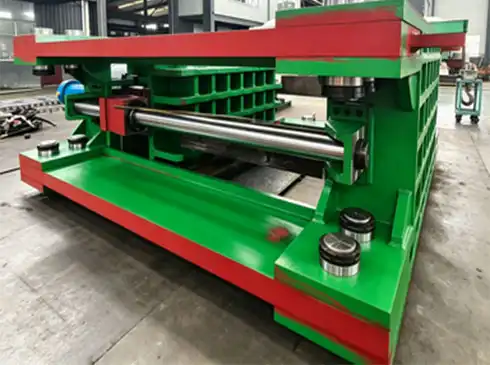
How Can Coal Injection Upgrades Reduce Coke Consumption?
Understanding the Challenge: Why Reduce Coke Consumption in Blast Furnaces?
- Understanding the Challenge: Why Reduce Coke Consumption in Blast Furnaces?
- How Coal Injection Upgrades Address Coke Reduction — Core Principles and Benefits
- Components and Technologies Behind Effective Coal Injection Upgrades
- Comparative Insights: Upgrading Coal Injection vs. Alternative Coke Reduction Methods
- Implementing Coal Injection Upgrades — Best Practices for B2B Procurement and Installation
- Conclusion
- FAQ
- Partner with SMEC for Advanced Blast Furnace Coal Injection Solutions
- References
Upgrading your blast furnace coal injection system directly cuts coke consumption by replacing expensive metallurgical coke with more economical pulverized coal. When you modernize injection hardware, optimize combustion parameters, and implement upgrading service of blast furnace coal Injection system precision control, you can increase coal replacement ratios from typical levels to exceed 200 kg per ton of hot metal. This targeted approach transforms how steel producers manage fuel budgets, enabling injection rate improvements that translate into measurable coke savings while maintaining—or even enhancing—furnace thermal stability and output quality.
Understanding the Challenge: Why Reduce Coke Consumption in Blast Furnaces?
Coke is still an important part of making iron in a blast furnace because it is both a fuel and a reducing agent. Still, making and using it puts more and more pressure on the environment. Prices for metallurgical coke have been steadily going up because of a lack of raw materials and stricter rules about environmental impact that apply to coking operations. Each ton of coke made releases a lot of CO₂ into the air. This means that processes that use a lot of coke are becoming more and more out of sync with decarbonization goals that will shape the future of the steel industry.
Economic Pressures and Operational Inefficiencies
Traditional blast furnace businesses that depend on coke are seeing their costs go up. High coke ratios—that is, the amount of coke used to make one ton of hot metal—raise the cost of production directly. Aside from the cost of fuel, using too much coke puts a strain on the furnace's infrastructure, speeding up the wear of the refractory and shortening the life of the campaign. When old injection systems don't deliver consistent coal feed, operators have to add more coke to keep temperatures stable, which makes these inefficiencies even worse.
Environmental and Regulatory Drivers
Greenhouse gas and particulate emissions must now be cut in major steel-producing regions because of strict emission rules. Steel companies are getting fined for not following the rules, and stakeholders are putting more and more pressure on them to use sustainable practices. One practical way to meet these needs without having to rebuild whole production lines is to use the upgrading service of blast furnace coal Injection system to make coke less important. It's more important than ever for both integrated mills and individual makers to switch to fuel methods that are cleaner and more efficient.
How Coal Injection Upgrades Address Coke Reduction — Core Principles and Benefits
Improving the upgrading service of blast furnace coal Injection system infrastructure is a tried-and-true way to lower coke use by making burning more efficient and giving precise control over fuel delivery. By putting finely ground coal through furnace tubes, workers can replace some of the coke while keeping the right mix of heat and chemicals for making iron. Modern injection systems can do this better than older systems because they use stable air transfer, better atomization, and real-time process changes.
Engineering Principles Behind Effective Coal Replacement
To make pulverized coal injection work, small pieces of coal are put right into the high-temperature track zone in front of the tuyeres. In this case, coal burns quickly, giving off heat and making reducing gases that help the iron ore reduce. How well this swap works depends on how fine the coal particles are, how fast the fuel is injected, and how much air is available. The upgrading service of blast furnace coal Injection systems get the best results from these factors by using high-precision grinding mills to get R90 fineness values below 10%. This makes sure that the fuel burns completely within the raceway dwell time. Modern lance designs make it easier for oxygen and coal to mix, which increases the replacement ratio (how much coke is saved for every kilogram of coal injected).
Measurable Operational Benefits
Field data from steel companies that have used the upgrading service of blast furnace coal Injection systems regularly show big gains. This can increase the efficiency of coal use by 8% to 15%. This is because stable injection gets rid of problems like uneven distribution, pressure changes, and incomplete combustion that happen with old equipment. Plants say that the coke ratio is steadily going down, and the total cost of fuel per ton of iron is going down a lot. These benefits come from getting rid of coal waste—older systems lose a lot of coal because it doesn't burn all the way and dust gets carried over, but newer systems make sure that almost all of the coal is used. Stable injection conditions also help the furnace run smoothly, which lowers the amount of time lost due to thermal instability and output that doesn't meet specifications.
Real-World Case Evidence
Integrated steel mills that have utilized the upgrading service of blast furnace coal Injection systems have reported yearly fuel cost savings of up to a hundred thousand dollars, and in some big operations, the savings have been over a million dollars. Because they save coke right away and use less energy for grinding, these projects usually pay for themselves in 8 to 14 months. In addition to saving money on fuel, updated systems make equipment last longer by stopping erosion in ceramic-lined pipes and high-chromium metal parts. This lowers the need for upkeep and unplanned downtime.
Components and Technologies Behind Effective Coal Injection Upgrades
Modern upgrading service of blast furnace coal Injection system improvements combine strong hardware with smart control technologies to improve performance and dependability. Knowing these parts helps procurement teams judge the skills of suppliers and choose solutions that fit with the needs of the business.
Critical Hardware Components
Advanced nozzle geometry on high-performance injection lances makes sure that the coal and oxygen interact optimally in the raceway. Extreme temps and rough conditions can't hurt these precision-engineered parts, which often have ceramic linings with hardness values above 1500 HV. Pneumatic transport systems with automatic distribution valves make sure that the same amount of coal flows to each tuyere. This stops uneven injection and breaks in injection, which can make burner conditions less stable. Mass flow meters that are accurate enough to meet ISO 9001 standards let workers watch and change injection rates in real time, so they can adapt to changing burner needs.
Intelligent Monitoring and Control Systems
Monitoring with sensors has changed how coal input is managed. Real-time CO and O₂ sensors find problems with combustion right away, setting off automatic changes that keep the heater from getting upset. Predictive maintenance algorithms look at data on vibration, temperature, and pressure to find patterns of wear before a part fails. They then schedule repairs for planned downtimes instead of waiting for breakdowns to happen. These smart systems work well with automation platforms in plants, giving operators a single view and control over the whole injection chain, from storing coal to delivering it to the tuyere.
Safety and Durability Features
Because coal dust can explode, safety is still the most important thing. Newer systems have multiple layers of safety features, such as automatic inertization using nitrogen or CO₂, explosion venting that meets NFPA and ATEX standards, and emergency shutdown features that cut the coal supply within two seconds of detecting dangers. Improvements in durability, like ultrasonic thickness monitoring of wear-prone areas and high-temperature-resistant sealing technologies, make it possible to keep working for longer periods of time without having to do any maintenance in upgrading service of blast furnace coal Injection system. This directly helps keep production going.
Selecting the appropriate components requires balancing performance requirements with existing infrastructure compatibility. Experienced suppliers carefully look at each site to suggest designs that reduce coke as much as possible while keeping building costs and complexity to a minimum. This customized method makes sure that upgrades don't affect how things are already run, which saves money on changes to systems nearby.
Comparative Insights: Upgrading Coal Injection vs. Alternative Coke Reduction Methods
When steel companies look at ways to cut down on coke, they have a few choices. Each has its own costs, technical needs, and performance results. By comparing these options, it becomes clear why improving existing coal injection infrastructure is often the best way to get the most out of your investment.
Alternative Approaches to Coke Reduction
Putting in brand-new coal injection systems costs a lot of money because grinding facilities, storage tanks, and transport networks have to be built from scratch. This method gives designers the most freedom, but it takes longer to complete projects and causes a lot of problems with production while it's being used. Changing to different fuels, like natural gas injection or hydrogen-enriched blast furnace operation, needs a lot of process re-engineering and may not be possible in all areas. Even though improvements in coke oven efficiency are good, they only affect how much coke is made and not how much is used. This means that the costs of blast furnace fuel remain the same.
Cost-Benefit Analysis of System Upgrades
When you utilize the upgrading service of blast furnace coal Injection system on old equipment, you can use infrastructure that is already there, which means you need a lot less cash than when you add new equipment. Retrofit projects put most of their money into high-impact parts like precision pumps, control systems, and wear-resistant pipes that make better use of coal without changing other equipment that still does its job. This targeted modernization pays for itself quickly because it saves money on fuel as soon as it's put into service. These upgrades can lower coke ratios just as much as new systems, but they cost a lot less. This makes them especially appealing for old furnaces that can't afford to be replaced completely.
Environmental and Operational Considerations
From an emissions perspective, the upgrading service of blast furnace coal Injection system lowers CO2 emissions per ton of iron by lowering the need for coke. This helps meet decarbonization goals without needing major process changes. Resource utilization improves as combustion efficiency increases, getting the most energy from each kilogram of injected coal. This lowers the amount of fuel needed and the amount of waste that is made. Modernized systems make furnaces more stable, which helps keep production rates and product quality steady. This has benefits beyond just saving money on fuel costs, as they also affect other aspects of plant performance.
Supplier Selection Criteria
Picking the right technology partner is very important for the success of the upgrading service of blast furnace coal Injection system. Reliable suppliers offer full support, including thorough site assessments, custom engineering designs, turnkey installation services, and training after the system is up and running. Look for service providers that have recorded experience with a range of furnace setups and types of coal, which shows that they can adapt to your unique operating situation. Certifications like ISO 9001 quality management and meeting international pressure vessel standards (ASME Section VIII) show that the engineering is rigorous and the manufacturing is reliable. Long-term service deals that cover the availability of spare parts, expert assistance, and regular speed optimization make sure that the benefits last after the initial implementation.
Implementing Coal Injection Upgrades — Best Practices for B2B Procurement and Installation
The upgrading service of blast furnace coal Injection system projects need careful planning, teamwork across departments, and relationships with experienced suppliers in order to be carried out successfully. Following planned best practices cuts down on risks and speeds up the time it takes to see benefits.
Pre-Project Assessment and Planning
By comparing the current system's performance to goal parameters, technical ready reviews figure out what needs to be upgraded. To find the bottlenecks that are slowing down coke refill rates, engineers look at how much coal can be ground, how stable the transport system's pressure is, and how evenly the tuyere input happens. Reviewing operational readiness makes sure that maintenance teams have the skills and tools they need to work on high-tech equipment, and using reference sites and performance guarantees, procurement teams check that suppliers can do what they say they can do. By setting realistic project timelines and budgets early on, this work avoids having to make expensive changes in the middle of a project.
Selecting Experienced Manufacturers and Service Providers
Protect your investment by working with well-known makers who have a lot of experience with metals and whose equipment has been shown to work reliably. Suppliers should show that they have a lot of experience putting the upgrading service of blast furnace coal Injection system in place at facilities like yours, with case studies that show how much coke was saved. Downtime risks are kept to a minimum during launching and ongoing operation by global service networks that can respond quickly. OEM help makes sure that you can get real replacement parts and firmware changes that keep the system running well for as long as it's working. Don't buy from sellers who offer general solutions; changes that work need to be tailored to your furnace's specific thermal profile, coal characteristics, and production goals.
Modular Implementation Strategies
Leading projects for the upgrading service of blast furnace coal Injection system use flexible methods that let a lot of installation and testing happen while the furnace is still running, with only short planned downtimes for final tie-ins. This step-by-step approach keeps production going while gradually improving the system's capabilities. Before adding coal, cold commissioning checks the logic of the controls and the soundness of the machinery. This cuts down on the time needed for hot commissioning and the risks that come with it. Staged investments are also possible with modular strategies. This means that plants can start with the most important upgrades and add more features as their budgets and operational experience allow.
Post-Installation Support and Performance Monitoring
Full training for operators makes sure that plant workers can fully use the upgrading service of blast furnace coal Injection system features. This training includes normal operation, regular maintenance, and fixing procedures. Not only should warranty agreements cover broken equipment, but they should also include performance guarantees, which are written promises that improved systems will meet certain coke replacement rates and uptime standards. Key performance measures, such as the variation coefficient of coal flow, combustion efficiency, and component wear rates, are tracked on an ongoing basis by analytics tools given by the provider. Regular improvement reviews find chances to tweak injection parameters as coal sources or burner conditions change, which keeps the benefits going for many years.
Procurement professionals benefit from setting up clear lines of contact between the plant operations, engineering, and supplier expert teams. Regular reviews of progress during implementation and performance evaluations against standard measures after commissioning confirm that upgrades provide the promised benefits, boosting trust for future modernization projects.
Conclusion
One of the most cost-effective ways for steel makers to deal with economic and environmental pressures is the upgrading service of blast furnace coal Injection system to use less coke. Modern injection technologies make coke replacement better by improving the efficiency of combustion, stabilizing coal delivery, and adding smart process controls. When plants make these improvements, they regularly lower their coke ratios, save money on fuel costs, and make their operations more stable. All of this is done with relatively little capital investment and short payback times. As rules on emissions get stricter and the price of fuel stays unstable, steel makers can compete better while also working toward sustainable goals by actively updating their pulverized coal injection infrastructure.
FAQ
What coke reduction can be expected after the upgrading service of blast furnace coal Injection system?
The upgrading service of blast furnace coal Injection systems typically reduce coke consumption by improving coal utilization efficiency by 8% to 15%. Plants often achieve stable declines in overall coke ratio, with the specific reduction depending on baseline system condition, coal quality, and injection rate targets. Comprehensive upgrades addressing grinding, transport, and injection components deliver the greatest impact, enabling injection rates exceeding 200 kg coal per ton of hot metal.
What is the typical payback period for these upgrades?
Most facilities achieve return on investment within 8 to 14 months through immediate coke savings and reduced energy costs for coal preparation. The payback timeline varies based on project scope, baseline coke ratio, regional fuel price differentials, and furnace production volume. Large-capacity furnaces realizing significant per-ton savings naturally recover investment costs more rapidly than smaller operations.
Can upgrades proceed without full furnace shutdown?
Modular implementation strategies allow the majority of installation and cold testing during normal operation, requiring only brief scheduled outages for final system tie-ins. This approach minimizes production impact, making upgrades feasible even for furnaces operating under tight delivery schedules. Detailed project planning coordinated between supplier and plant teams ensures smooth transitions with minimal downtime.
Partner with SMEC for Advanced Blast Furnace Coal Injection Solutions
SMEC combines decades of coking equipment expertise with cutting-edge research capabilities to provide upgrading service of blast furnace coal Injection systems that drive measurable coke reduction. Our engineering team, including 30 senior engineers, collaborates closely with clients to design customized solutions reflecting your furnace's unique operational profile. Manufactured at our 23,000-square-meter facility in Taiyuan—China's energy and heavy industry heartland—our systems incorporate precision injectors, intelligent controls, and high-durability materials proven across demanding steel production environments. We support clients globally through comprehensive services from initial assessment and detailed engineering through installation supervision, commissioning, and ongoing performance optimization. Connect with our team at project@smec.cc to discuss how our upgrading service of blast furnace coal Injection system solutions can reduce your coke consumption and fuel costs while enhancing operational reliability.
References
1. International Iron and Steel Institute. (2022). Best Available Techniques for Blast Furnace Ironmaking. Brussels: IISI Publications.
2. Gupta, R.C., & Sathiyamoorthy, D. (2021). Pulverized Coal Injection in Blast Furnaces: Principles and Practices. New Delhi: Metallurgical Industry Press.
3. Wang, H., Zhao, W., & Liu, Z. (2020). "Optimization of Coal Injection Parameters in Large Blast Furnaces." Journal of Iron and Steel Research International, 27(8), 891-902.
4. European Commission Joint Research Centre. (2019). Energy Efficiency and CO2 Reduction in the Steel Industry. Luxembourg: Publications Office of the European Union.
5. Shen, Y., Guo, B., & Yu, A. (2021). "Modeling and Simulation of Coal Combustion in Blast Furnace Raceways." Fuel Processing Technology, 215, 106738.
6. American Iron and Steel Institute. (2023). Technical Manual for Blast Furnace Coal Injection Systems. Washington, D.C.: AISI Technical Committee.
Free consultation & volume discounts available
SEMC focuses on the entire metallurgical process—from coking, ironmaking, and steelmaking to continuous casting and rolling. Whether you face challenges related to equipment upgrades, energy efficiency optimization, or overall process transformation, please fill in the following information. Our technical team will provide you with tailor-made high-end equipment upgrade solutions and professional EPC design services to help your project be implemented efficiently.
Recommended Blog
What to Look for in Blast Furnace Tower Equipment Suppliers
Why Steel Plants Prefer Custom Blast Furnace Tuyere Equipment?
_1786960232216.webp)
Why Cast House Equipment Maintenance Is Critical for Blast Furnace Safety
How to Reduce Unplanned Downtime with Advanced Tuyere Imaging Services?