Blast Furnace Tower Equipment: Key Functions and Benefits for Modern Ironmaking
Blast Furnace Tower Equipment: Key Functions and Benefits for Modern Ironmaking
Understanding Blast Furnace Tower Equipment: Components and Operation
- Understanding Blast Furnace Tower Equipment: Components and Operation
- Advantages of Using Blast Furnace Tower Equipment in Modern Ironmaking
- Common Challenges and Maintenance Tips for Blast Furnace Tower Equipment
- How to Choose the Right Blast Furnace Tower Equipment for Your Operation?
- Procurement and Installation: Practical Guide for Buyers
- Conclusion
- FAQ
- Partner with SMEC for Advanced Ironmaking Solutions
- References
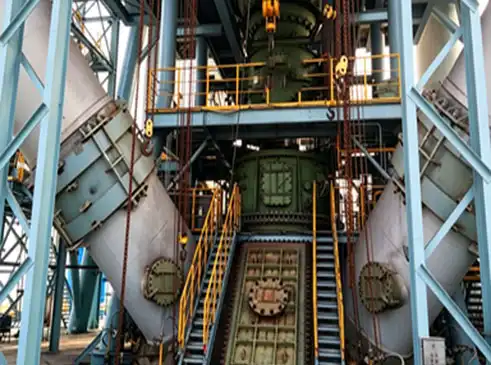
Blast Furnace Tower Equipment forms the structural backbone of primary ironmaking facilities, integrating high-line charging systems, top pressure control units, and support infrastructure essential for converting iron ore into molten pig iron. This comprehensive assembly addresses critical operational challenges including thermal expansion management, gas sealing integrity under high-pressure conditions, and efficient raw material distribution. By incorporating advanced automation and heat-resistant materials engineered to withstand temperatures exceeding 1500°C, modern tower equipment creates a stable chemical environment while maximizing operational safety and production continuity.
Understanding Blast Furnace Tower Equipment: Components and Operation
Because ironmaking is so complicated, it needs tools that work reliably in harsh conditions. Compared to older designs, modern Blast Furnace Tower Equipment is a big step forward because they offer combined solutions that meet multiple operating needs at the same time.
Core Structural Elements and Their Functions
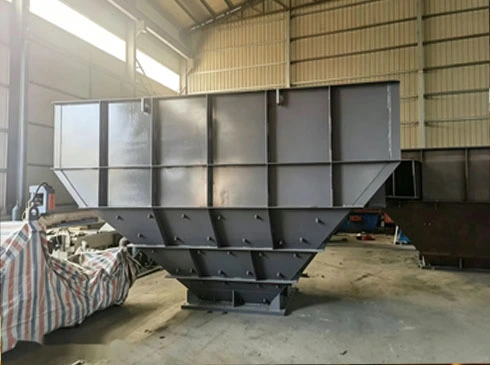
Low-alloy high-strength structural steels like Q345R or Q390GJR are used to make the furnace shell, which is the main containment vessel. When the internal pressure of these materials gets as high as 0.3 MPa, they keep their structure. They can also handle thermal expansion with special expansion joints and sliding support structures. The Blast Furnace Tower Equipment goes up and down to support the charging devices, and it has seismic resistance rates to protect against stress from the environment.
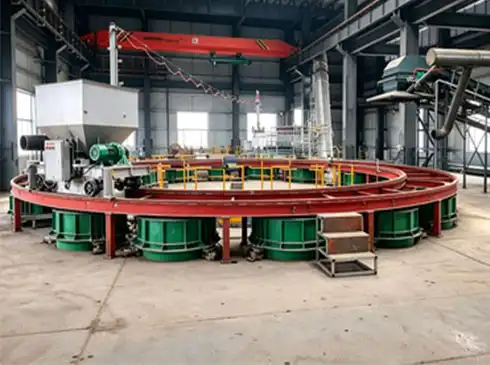
During production cycles, skip hoist systems or belt conveyor towers move the raw materials to the top of the furnace and keep working all the time. These parts work with bell-less top charging systems made for high-top pressure operations above 2.5 bar. They use dual-seal valve technology that meets ISO 10434 standards. Gas transportation networks inside the assembly control the atmosphere inside, sending reducing gases along carefully planned paths that help chemical processes work best.
Operational Principles Driving Efficiency
Knowing how Blast Furnace Tower Equipment works helps you see why newer designs work better than older ones. The filling process starts when the raw materials are brought to the top of the furnace by skip hoists and put in through pressure-controlled gates that keep the atmosphere inside stable. Bell-less technology makes sure that the distribution of materials follows exact patterns. This creates even burden layers that support smooth gas flow.
Cooling staves built into the walls of the furnace keep structural parts from getting damaged by heat while still letting controlled heat flow through. These systems move water through pathways that are built into the surface. This gets rid of extra heat that could damage refractory linings or steel shells. The materials used in refractory support systems are very good at resisting alkali attack and wear, and they also provide extra heat protection.
Comparing Traditional and Advanced Tower Designs
In the past, blast furnaces had separate systems for charging, cooling, and managing the gas. This made it hard to coordinate and keep up with. Modern integrated Blast Furnace Tower Equipment combines these functions into single units, which makes them easier to monitor and reduces the number of places where something could go wrong.
The modular construction method allows for quick assembly on-site, which cuts down on installation times compared to alternatives that are made to order. Standardizing components also makes it easier to handle spare parts, since repair teams can keep important replacements on hand without having to keep a lot of different kinds of parts. Advanced rust protection systems that follow ISO 12944 standards for protective coatings make Blast Furnace Tower Equipment last longer in harsh industrial environments with sulfurous and nitrogenous chemicals.
Advantages of Using Blast Furnace Tower Equipment in Modern Ironmaking
When you buy modern Blast Furnace Tower Equipment, you get real benefits in a lot of different ways. Modernization projects are worth the money because they improve production speed, cut costs, and make businesses more environmentally friendly.
Energy Efficiency and Process Stability
Optimizing the flow of heat is one of the main benefits of modern Blast Furnace Tower Equipment designs. Precision-engineered gas delivery networks make sure that reducing gases touch the raw materials evenly across the whole furnace, which speeds up the chemical reaction. This uniformity directly leads to lower fuel use, since exhaust systems let less energy escape without being used.
High-strength materials and growth room systems keep the structure stable, so the inside conditions stay the same even when the temperature changes. This stability stops the furnace from "hanging" or "slipping," which stop production and waste energy. This keeps chemical processes going at the right speed during operational campaigns.
Cost Management Through Reduced Maintenance
When you look at how much you spend over the span of an item, you can find big savings opportunities. Even though the original costs of advanced Blast Furnace Tower Equipment are higher than those of basic alternatives, the difference becomes much smaller when the costs of upkeep and downtime are taken into account.
Integrated cooling and refractory support systems lower the thermal stress on structural parts, which means that major repairs don't have to be done as often. With proper upkeep, the furnace shell and framework can work well for 20 to 30 years. On the other hand, the mechanical charging parts only need to be replaced every 5 to 8 years, instead of more often as older designs needed. When repairs are needed, modular construction makes it easier to replace parts, which cuts down on labor hours and production stops.
Environmental and Safety Compliance
More and more, regulations require controls on emissions and safety steps in the workplace. These issues are dealt with in modern Blast Furnace Tower Equipment by built-in features instead of add-ons bought after the fact. Environmental particle testing shows that hydraulic or electric dust suppression systems work at skip bridges and bell-less top connections to meet strict air quality standards.
Dual-seal technology in high-pressure gas management systems stops uncontrolled releases, which is good for both worker safety and the quality of the air. Safety platforms, stairs, and tie-off spots that are built in and meet OSHA and EN 14122 standards make it easier for repair workers to get to work and lower the risk of falling while they're up high.

Common Challenges and Maintenance Tips for Blast Furnace Tower Equipment
Even Blast Furnace Tower Equipment that is well-designed can have problems that need to be managed proactively. Knowing how to deal with common problems and using planned upkeep methods helps keep output going and protects the value of an investment.
Temperature Fluctuation Management
As things fall into the furnace and chemical processes happen, the conditions inside are always changing. These changes cause temperature cycles, which puts stress on structural parts and refractory linings. Using embedded sensors to keep an eye on temperature distributions lets workers spot trends that aren't normal, which could mean problems are starting to form.
Changing the load sharing or gas injection rates often brings things back to normal when temperature readings are off from set baselines. Unusual events that don't go away could be signs of refractory deterioration that needs to be inspected and fixed before it causes damage to the structure.
Addressing Component Wear and Gas Leakage
When mechanical systems deal with rough materials, they will eventually wear out. The charging gates, load distribution systems, and parts of skip hoists need to be checked on a regular basis to find parts that are wearing out too quickly before they break. Setting baselines for wear rates through measurements of dimensions during scheduled maintenance lets you plan for when to replace things before they break.
It is very important to pay close attention to gas tightness in top-pressure control systems. Seal integrity is checked by performing hydrostatic and pneumatic tests according to the Blast Furnace Tower Equipment's instructions. Finding leaks early stops lost efficiency and the safety risks that come with gas releases that aren't under control.
Proactive Maintenance Frameworks
Maintenance programs that work are built on protocols for regular inspections. Visual inspections find damage or wear that is easy to see, while non-destructive testing methods like ultrasound and x-rays find problems inside load-bearing weld gaps. Material traceability through mill test certificates makes sure that replacement parts meet the original requirements for chemical makeup and impact strength.
Dimensional precision checking using laser scanning technology makes sure that the structure's alignment stays within acceptable limits. This stops practical inefficiencies caused by charging systems that aren't lined up correctly. Inspections of coatings that measure the thickness of the dry film and the quality of the bonding guard against corrosion that happens more quickly in harsh environments.
How to Choose the Right Blast Furnace Tower Equipment for Your Operation?
Long-term decisions about purchases affect how much something can be made and how much it costs to run. The best choice is made by systematically evaluating performance factors, compatibility issues, and Blast Furnace Tower Equipment supplier skills.
Evaluating Performance and Durability
Baseline needs for Blast Furnace Tower Equipment are set by the production capacity requirements. Facilities that handle thousands of tons of materials every day need strong systems that are designed to work at high volumes all the time. Smaller businesses, on the other hand, may value flexibility and lower start-up costs. By looking at the numbers for pressure tolerance, temperature resistance, and structural loading capacity, you can be sure that the tools you choose will meet the needs of your business.
Compatibility with existing infrastructure affects how hard and expensive it is to integrate. During brownfield upgrade projects, new Blast Furnace Tower Equipment has to work with old systems. This means that space limitations, utility links, and control system compatibility have to be carefully thought out. Greenfield projects give designers more freedom, but they need a lot of planning to make sure that all the parts work together.
Supplier Selection Criteria
The ability to manufacture has a direct effect on the quality and dependability of Blast Furnace Tower Equipment. When looking at possible providers, you need to look at their production sites, quality control methods, and technical know-how. Manufacturers who offer a wide range of testing services, such as hydrostatic testing, dimensional verification, and material certification, show that they are dedicated to meeting performance expectations.
Certification compliance is an objective way to show that manufacturing standards are being followed. Buying Blast Furnace Tower Equipment that meets the standards set by ASME Section VIII for pressure parts and has the right quality management system certifications lowers the risk of buying something. Warranty terms and the ability to get help after the sale show that the source is sure the product will last and wants the customer to be happy.
Comparing Modern Tower Technology with Traditional Designs
People who make decisions often compare the costs of updating equipment to the costs of keeping old equipment running. Modern Blast Furnace Tower Equipment has clear benefits over older designs when it comes to being able to be automated, using less energy, and being environmentally friendly. By using detailed operational analysis to measure these benefits, we can see if investments in upgrades are making good returns.
Another thing to think about is operational flexibility. More advanced systems can handle bigger differences in the quality of the raw materials and the rate of production, which helps with different product plans. As market conditions change and customer needs shift, this ability to adapt becomes more important.
Procurement and Installation: Practical Guide for Buyers
Getting and using Blast Furnace Tower Equipment correctly needs organized plans that cover technical details, working with suppliers, and carrying out the project.
Structuring Effective Procurement Inquiries
Full technical specifications are the first step in having clear communication with potential suppliers. Documentation should include information about the amount of output needed, the size limitations, the utilities that are available, the environmental standards that must be met, and how the new system must fit in with the current ones. By including information specific to the site, like seismic zone classifications and weather conditions, suppliers can come up with well-engineered solutions.
It's easier to make useful comparisons when you ask for thorough proposals that include information about the Blast Furnace Tower Equipment, when it will be manufactured, how it will be tested, how it will be installed, and the terms of the guarantee. Making sure everyone knows what is expected of them in terms of documentation, training, and technical support avoids confusion that could hurt the project's success.
Managing Lead Times and Customization
Standard configurations of Blast Furnace Tower Equipment offer faster delivery times, but they might not meet the specific needs of a business. Custom-engineered solutions meet specific needs, but they take longer to make. To find the right balance between standardization and customization, you need to know which features have a real effect on speed and which ones are just personal tastes.
When suppliers are involved early in the planning stages of a project, production plans can be aligned with installation timetables. By planning the arrival of Blast Furnace Tower Equipment around the preparation of the site, the building of the foundation, and the installation of utilities, you can avoid costly delays and storage problems.
Installation Best Practices and After-Sales Support
The success of Blast Furnace Tower Equipment depends a lot on how well it is installed. Hiring experienced contractors who know how to put together furnace towers makes sure that the work is done according to the engineering plans. Precision in measurements during foundation construction and structure assembly keeps alignment problems from slowing down operations.
Long-term business value is protected by building relationships with suppliers that offer full after-sales help. Facilities can keep Blast Furnace Tower Equipment running at its best throughout its lifecycles by having access to spare parts, technical advice, and upgrade paths. Talking about these services during the buying process makes sure that everyone knows what is expected of them and gets promises before the purchase agreement is finalized.
Conclusion
Blast Furnace Tower Equipment is a very important investment for making iron more productive, efficient, and competitive. Modern integrated designs use advanced materials, precise engineering, and full system integration to deal with the complicated operating issues that come up in high-temperature, high-pressure metalworking processes. Better environmental compliance, higher working safety, and more efficient use of energy are just a few of the benefits that explain capital investments and support long-term profitability. To do a good job of buying, you need to carefully look at performance requirements, supplier skills, and lifecycle support options. By knowing the basics of equipment, how to maintain it, and how to choose it, decision-makers can set up their businesses for long-term success in an industry that is always changing.
FAQ
What determines the service life of furnace tower equipment?
Structures made of high-strength steels and cooling systems that are well taken care of usually last 20 to 30 years. Depending on how often they are used, mechanical charging devices usually need major repairs every 5 to 8 years. Regular upkeep, like relining refractories, replacing seals, and checking the structure, makes Blast Furnace Tower Equipment last much longer while still meeting performance standards.
How does modern equipment handle thermal expansion challenges?
Specialized expansion joints and sliding support structures let the furnace shells and frameworks grow on their own without weakening the structure. These engineering solutions allow for changes in temperature while keeping the charging mechanisms and gas distribution systems in the right place. Temperature tracking tools give workers real-time information that lets them plan ahead for thermal cycling.
Can tower equipment accommodate high-pressure operation requirements?
Modern designs use dual-seal valve technology that has been tested to meet ISO 10434 standards to support top pressures greater than 2.5 bar. Pressure vessel parts that meet the standards of ASME Section VIII make sure that the vessel can work safely in tough situations. Integrated tracking systems make sure that the pressure factors stay within safe limits all the time.
Partner with SMEC for Advanced Ironmaking Solutions
SMEC provides a complete furnace support system that is designed to be reliable, efficient, and safe for the environment. Our manufacturing sites are in Taiyuan City, which is in the industrial heartland of Shanxi Province. They include 23,000 square meters of modern production space and the technical knowledge of 168 engineering professionals. We know how hard it is for integrated steel mills, metallurgical businesses, and modernization projects that need tried-and-true technology and quick expert help.
The first thing we do is get to know your specific production needs, site conditions, and operational goals. We offer engineering support for all stages of the process, from developing specifications to production, installation advice, and service after the sale. This includes full tower systems for new installations and customized parts for upgrades in existing buildings. As a trusted provider of Blast Furnace Tower Equipment, we keep strict quality control measures in place. These include non-destructive testing, dimensional verification, and material certification. This is to make sure that the systems we deliver meet the highest performance standards.
Reach out to our team at project@smec.cc to talk about how our solutions can help you with your ironmaking problems. Visit smecltd.com to learn more about what we can do and why forward-thinking businesses trust us with their most important metallurgical equipment.
References
1. Peacey, J.G., and Davenport, W.G. (1979). The Iron Blast Furnace: Theory and Practice. Pergamon Press, Oxford.
2. Geerdes, M., Toxopeus, H., and van der Vliet, C. (2009). Modern Blast Furnace Ironmaking: An Introduction. IOS Press, Amsterdam.
3. Biswas, A.K. (1981). Principles of Blast Furnace Ironmaking: Theory and Practice. Cootha Publishing House, Brisbane.
4. American Society of Mechanical Engineers. (2019). ASME Boiler and Pressure Vessel Code, Section VIII: Pressure Vessels. ASME, New York.
5. International Organization for Standardization. (2018). ISO 10434: Petroleum and Natural Gas Industries – Bolting for Equipment and Piping Systems. ISO, Geneva.
6. Nightingale, R.J., and Baxter, D.J. (2003). "Advanced Process Control in Blast Furnace Operations." Ironmaking and Steelmaking, 30(3), pp. 203-209.
Free consultation & volume discounts available
SEMC focuses on the entire metallurgical process—from coking, ironmaking, and steelmaking to continuous casting and rolling. Whether you face challenges related to equipment upgrades, energy efficiency optimization, or overall process transformation, please fill in the following information. Our technical team will provide you with tailor-made high-end equipment upgrade solutions and professional EPC design services to help your project be implemented efficiently.
Recommended Blog
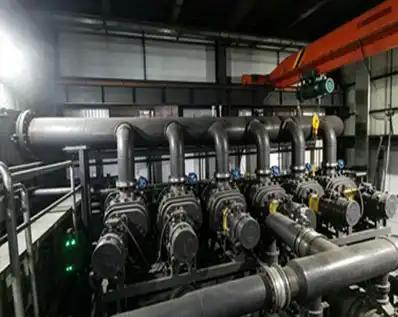
How Slag Granulation Equipment Reduces Environmental Impact
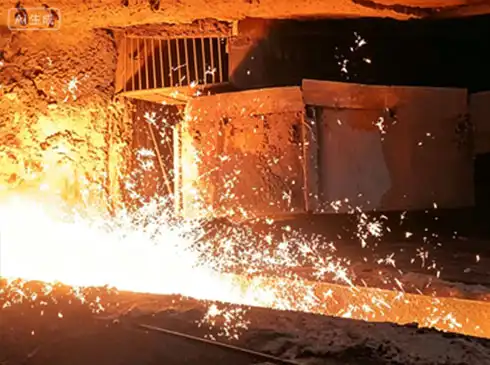
Case Study: Successful Overall Blast Furnace Renovation Projects
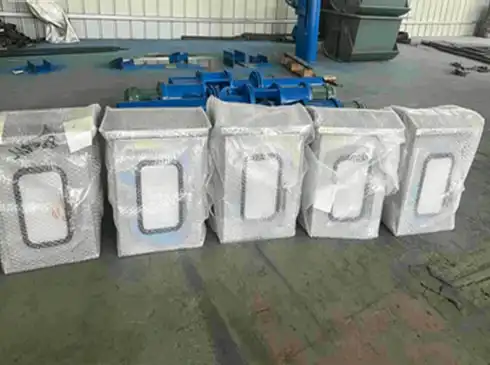
What Are the Advantages of Blast Furnace Self-Standing Furnace Shell Equipment?
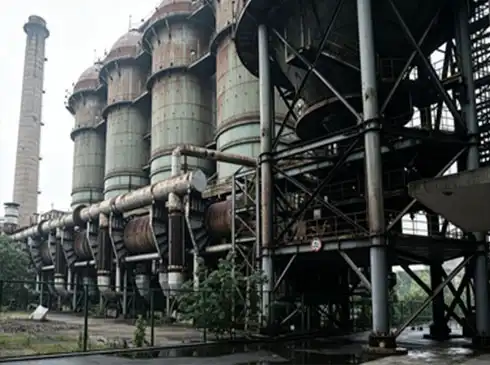
How Overall Blast Furnace Renovation Improves Steel Plant Efficiency?
Can High Oxygen Injection Cause Blast Furnace Tuyere Damage?