What Are the Advantages of Blast Furnace Self-Standing Furnace Shell Equipment?
What Are the Advantages of Blast Furnace Self-Standing Furnace Shell Equipment?
Introduction
- Introduction
- Understanding the Blast Furnace Self-Standing Furnace Shell
- Key Advantages of Blast Furnace Self-Standing Furnace Shell Equipment
- Comparing Self-Standing Furnace Shell Equipment with Traditional Furnace Shells
- Procurement Considerations for B2B Clients
- Maintenance Tips and Troubleshooting for Optimal Lifespan
- Conclusion
- FAQ
- Partner with SMEC for Advanced Blast Furnace Shell Solutions
- References
Blast Furnace Self-Standing Furnace Shell Equipment delivers exceptional structural stability, eliminates dependency on external supports, reduces thermal stress concentration, and simplifies maintenance procedures. This independent design drastically cuts downtime during relining, maintains furnace profile accuracy throughout extended campaigns, and solves critical industry challenges like shell deformation, cracking, and gas leakage. The modular construction enables faster installation, lower operational costs, and enhanced production efficiency—making it indispensable for modern ironmaking facilities seeking reliability and long-term profitability.
Introduction
In the competitive world of steel and metalworking, the furnace shell is the most important part of how a blast furnace works. This important structural part has to be able to handle huge differences in temperature, heavy loads, and corrosive environments for decades at a time while still staying the same size. Traditional dependent shell designs, which rely on outside towers to spread the load, often have problems with stress concentration, complicated upkeep needs, and early failure modes that cause delays in production plans.
The development of Blast Furnace Self-Standing Furnace Shell Equipment technology is a big change in the field of blast furnace engineering. Unlike other systems, independent shell equipment works as a structure that stands alone. It combines advanced materials science with precise mechanical design. This method fixes basic problems that have been bothering the industry for a long time, like shell damage that can't be predicted, changes that are hard to get to, and shorter service lives. More and more procurement professionals in the US and around the world are realizing that switching to self-standing systems improves uptime, safety compliance, and the total cost of ownership. We'll talk about why this technology has become the first choice for steel mills, EPC workers, and companies that sell industrial tools that want to run their businesses perfectly.
Understanding the Blast Furnace Self-Standing Furnace Shell
Defining the Independent Shell Structure
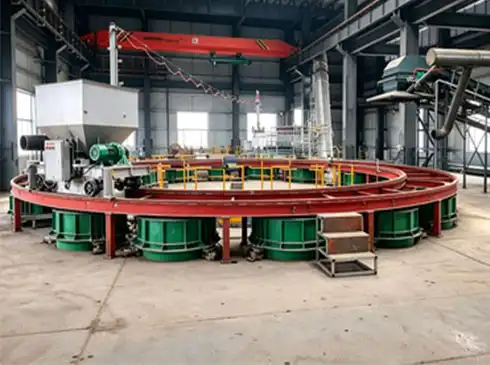
Blast Furnace Self-Standing Furnace Shell Equipment is made of high-strength, segmented steel and is designed to provide main control and load-bearing capacity without relying on other structures around it. The design includes expansion joints, sliding supports, and cooling plate apertures that were carefully engineered to be accurate to within a millimeter. This freedom lets the shell naturally expand and contract with temperature changes while still being gastight at pressures inside that often go above 0.3 MPa during high-intensity smelting operations.
Advanced Material Composition
Pressure vessel-grade steel plates that meet Q345R, P355GH, or ASTM A516 Grade 70 standards are used in modern independent shells. Plate thicknesses range from 30 mm in the upper stack zones to more than 100 mm in the hearth and bosh areas, which are hot and have a lot of mechanical and thermal stress. At cold temperatures, these materials have high yield strength and great impact toughness, which means they will last even when the temperature changes with the seasons. At temperatures up to 400°C, the steel surfaces don't rust, so the structure stays strong even when cooling systems go down for a short time.
Structural Engineering Principles
Self-standing designs don't need any outside supports because they use stress-distribution patterns that have been optimized and confirmed by finite element analysis during the engineering phase. Specialized sliding bearings let the shell sections move side to side and up and down without transferring damaging loads to the tower structures. This separation keeps the shell from buckling, which happens in traditional systems that are firmly linked when there is differential thermal expansion between hot furnace zones and cold steelwork on the outside.
Key Advantages of Blast Furnace Self-Standing Furnace Shell Equipment
Moving to Blast Furnace Self-Standing Furnace Shell Equipment technology has huge advantages that directly help steelmakers, coking plants, and industrial businesses with their main operating goals. There are measurable improvements in production metrics, maintenance budgets, and safety records at work because of these benefits.
Superior Structural Stability and Longevity
Because the self-supporting shape doesn't deform under cyclic heat loading, the dimensions of independent shells stay the same over 15 to 20 years of service. Traditional dependent shells often get stress builds up in the areas where the connection points join to the tower columns. This can cause cracks to appear early and require expensive fixes that weren't planned. High-temperature stress, equipment loads, and gas flow impact forces are spread evenly across the shell profile by the freestanding design. A lot of stress distribution simulations and mechanical tests are done on every unit before it is delivered to make sure it meets strict performance standards. This built-in stability keeps the shape of the furnace profile, which allows for regular patterns of load descent and the best spread of gas—both of which are necessary to reach production goals and reduce coke consumption.
Accelerated Installation and Reduced Downtime
Using a modular building method, separate shell pieces can be sent to plant sites already put together and ready to be quickly assembled by crane. This method shortens the time needed for new building projects because it skips weeks of field welding and post-weld heat treatment that are usually needed for shells that are put together on-site. The benefits are greater during big relining operations, when reducing furnace downtime has a direct effect on the amount of work that is done each year. Operators can replace certain areas, like the hearth, bosh, or belly, without taking down nearby structures. This cuts the time it takes to fix things from months to weeks. When compared to traditional shell replacement methods, this technology cuts down on downtime at steel mills by more than 30%, which means millions of dollars in lost production value.
Enhanced Thermal Efficiency
The separate shell design improves thermal performance by integrating with internal cooling systems in a precise way. Copper stave cooling plates and cast iron cooling boxes connect directly to the shell thru precisely machined holes. This gets rid of the air gaps that cause thermal resistance in traditional assemblies that don't fit well. This close contact increases the efficiency of heat extraction, lowers the rate of refractory wear, and keeps the furnace's thermal profiles stable. Lower outer temps slow down the oxidation process on the outside of steel surfaces. This makes structures last longer and requires less painting during upkeep. Gains in energy economy show up as lower coke rates and higher output per cubic meter of furnace working space.
Simplified Maintenance Access and Safety
Maintenance teams benefit from how easy it is to get to the independent shell. The independent design allows unrestricted access around the edge at all levels, making non-destructive testing methods like ultrasound thickness measurement and radiographic weld inspection easier. Maintenance workers can easily set up ladders or mobile platforms without having to navigate the crowded tower steelwork that surrounds standard dependent shells. This ease of entry lowers the risks of falling and being trapped in a small area during inspection campaigns. Standardized lifting lugs and access platforms are built into equipment design to meet OSHA and international safety standards. This protects workers and makes regular repair jobs easier.
Compliance with International Quality Standards
The strict quality standards of global markets are met by independent shell equipment made to ASME Section VIII Division 1, EN 13445, and GB 713 standards. Full material tracking thru mill test reports connects each steel plate to its heat number and records its chemical make-up and impact toughness. Radiographic and ultrasonic examination of all longitudinal and circumferential weld seams makes sure that there are no holes or other problems that could make pressure containment less effective. Post-weld heat treatment certifications show that leftover stress has been relieved, which fixes the main problem that leads to early field failures. This thorough quality control plan gives people who work in procurement confidence that the equipment will work as promised for the whole time it is supposed to.
Comparing Self-Standing Furnace Shell Equipment with Traditional Furnace Shells
Material Performance and Service Life
When compared to other building materials, Blast Furnace Self-Standing Furnace Shell Equipment made from high-grade pressure vessel steel is better at resisting thermal fatigue. The modular parts go thru controlled heat treatment methods that improve the microstructure for stress corrosion resistance. This is very important in places where alkaline dust deposits and moisture condensation are common. According to field data from North American steel mills, self-standing shells keep their structural integrity for 18 to 22 years under high-intensity working conditions. In contrast, standard dependent shells usually need major structural repairs or replacement after 12 to 15 years. This advantage of lasting a long time lowers the cost of replacing equipment over its lifetime and keeps production from stopping when shells fail too soon.
Capital Investment and Operating Cost Analysis
Independent shell systems are more expensive to buy at first (15–25%) than standard designs, but the total cost of ownership study strongly favors the new technology. Less maintenance work needs to be done, major repairs can be put off longer, and relining projects take less time. These changes save money over time, and the extra money spent on the furnace pays for itself in the first campaign. The shell stays the same size over multiple campaigns, which saves money on operating costs and stops production loses that happen when traditional shells get deformed and cause uneven load distribution and irregular gas flow patterns. Better energy efficiency from integrating the cooling system more efficiently raises the economic value proposition even more.
Real-World Performance Validation
A big steel company in the Midwest of the United States said that their operations were better after they switched out two 2800m³ blast furnaces' old, dependent shells for new, independent technology. Monitoring after installation showed that better temperature stability and burner profile control led to a 12% drop in the amount of specific coke used. During the first three years of operation, unplanned repair events dropped by 40%, and inspection reports showed that the shell didn't change much, even tho production goals were high. The installation team replaced the shell during a planned six-week reline window. This was the same amount of time that was needed for replacing the refractory alone in the old dependent shell arrangement.
Procurement Considerations for B2B Clients
Technical Specification Alignment
Purchasing managers need to make sure that the designs of the shells match the operating parameters of the furnace, such as the working volume, the top pressure rating, and the way the cooling system is set up. Dimensional models need to be carefully looked over to make sure they work with current tower structures or plans for new buildings. The minimum requirements for yield strength, impact toughness, and chemical composition should be made clear in the material specifications, which should be based on well-known international standards. When having technical talks with makers of Blast Furnace Self-Standing Furnace Shell Equipment, you should talk about the design of the expansion joint, the capacity of the moving bearing, and the specifics of how to connect cooling equipment.
Supplier Qualification and Due Diligence
When choosing a supplier, you need to carefully look at their manufacturing skills, quality control systems, and track records of completing projects. Potential vendors should show proof of ISO 9001 certification, licenses to make pressure vessels, and references from blast furnace projects that are similar to the one being bid on. Site visits to manufacturing facilities let you check out the qualifications of fabrication equipment, welding procedures, and the ability to do non-destructive testing. Client testimonials from steel mills that are still in use can tell you a lot about how reliable the equipment is, how quickly the technical support team responds, and how valuable a partnership is in the long run.
Customization and Options for Modular Design
Thru customizable setups, independent shell systems can meet a wide range of output needs. Scalable flexible designs make it possible for furnaces with capacities ranging from 500m³ mini-blast furnaces to 5000m³ mega-furnaces to work. For certain uses, like making ferroalloys or selling pig iron, the cooling system may need to be changed or materials may need to be upgraded to be more resistant to chemicals. If a manufacturer has its own engineering department, it can make sure that plans work best in places with special needs like earthquakes, harsh weather, or integrating with existing infrastructure.
Lead Times and Project Scheduling
Getting pressure vessel-grade steel plates usually takes three to four months, then four to six months for production, testing, and shipping. This means that a full shell set should be finished within six to ten months. To avoid expensive delays, buyers should make sure that their plans for purchases and building or relining furnaces work together. Most warranties cover problems with the materials or the work for 12 to 24 months after the product is put into service. Technical advice, extra parts availability, and field service help during installation and starting should all be part of the after-sales support.
Maintenance Tips and Troubleshooting for Optimal Lifespan
Preventive Inspection Protocols
As part of regular maintenance plans, Blast Furnace Self-Standing Furnace Shell Equipment inspections should happen every two years during planned furnace outages. Ultrasonic thickness readings keep track of how much material is being lost in areas with a lot of wear. This lets you know early on when rust or erosion is speeding up. By looking at the outside of something, you can see if the paint system is breaking down, the surface is oxidizing, or there are problems with the join seams that need to be fixed. Thermographic scans find hot spots that could mean that the cooling system isn't working right or that the refractory is thinning, which could put the shell's structure at risk. Dimensional scans using laser scanning technology record any changes in shape, so that action can be taken before the distortion affects the furnace's performance.
Documentation and Lifecycle Management
Keeping detailed records of repair is an important part of managing assets because it helps you figure out how often to check something and how long it will last. Digital documentation systems should store inspection reports, data on measuring thickness, records of repairs, and working factors linked to furnace campaigns. This information lets you make decisions based on facts about when to do major repairs, component upgrades, or a full shell replacement. Accurate records also make it easier to show that you are following the rules and give technical reasons for approving capital expenditures.
Common Issues and Remediation Strategies
Uneven refractory wear patterns, hot spots on the outside, and changes in furnace pressure profiles are all signs of shell warping. These signs usually mean that the cooling system isn't working right, that water lines are clogged, or that the refractory is failing and letting too much heat in. As soon as possible, thermal imaging scans must be done to find the damaged areas. This must be followed by targeted cooling system fixes or emergency refractory patching. Weld seam cracking usually happens because of thermal fatigue in areas with a lot of stress or because the post-weld heat treatment wasn't done properly during fabrication. To fix things, you have to grind out bad welds, re-weld them using the right techniques, and use stress-relieving heat treatment to make the structure strong again.
Technical Support and Upgrade Pathways
People who own equipment should keep in touch with the original makers or qualified service providers who can give them expert technical help. Engineering analysis that uses operational data, inspection results, and performance modeling can help with hard diagnostic problems. Shells that are getting old and close to the end of their useful life may need upgrades like adding more advanced cooling elements, protection coats, or strengthening high-stress areas to make them last longer. These changes need to be carefully looked at by engineers to make sure they work well with current buildings and add years to their life at a low cost.
Conclusion
Blast Furnace Self-Standing Furnace Shell Equipment has been used for a long time to solve structural, practical, and economic problems in the steel and chemical industries. The independent design philosophy gets rid of the need for outside supports, evenly distributes thermal and mechanical stresses, and allows modular building methods that make installation faster and maintenance easier. When compared to traditional dependent shell systems, these systems have a longer service life, less downtime, better safety, and a lower total cost of ownership for steel mills, coking plants, and industrial contractors. Global markets want ironmaking operations to be more productive and better at protecting the environment. Self-standing shell technology is the best choice for new construction, major relining projects, and plans to increase capacity because it has both technical and economic benefits.
FAQ
What is the expected service life of independent blast furnace shells?
As long as they are properly designed and kept, Blast Furnace Self-Standing Furnace Shell Equipment can usually last 15 to 20 years of continued use in a blast furnace. Service life rests on things like how hot the furnace is, how well the cooling system works, how well the refractory is maintained, and the weather. Regular inspections and preventative maintenance can make an operational life last longer than what was planned by the designer. On the other hand, tight production schedules or not enough cooling can speed up the rate of wear.
How do self-standing shells differ from traditional dependent designs?
Traditional shells that depend on other structures are attached directly to outside towers that provide support in both the vertical and radial directions. This creates stress concentration points that can be damaged by thermal fatigue and deformation. To allow for thermal growth without putting damaging forces on nearby structures, self-standing shells work as separate load-bearing frames with sliding supports and internal structural elements. This basic difference in design improves the stability of the dimensions, makes it easier to do maintenance, and makes the equipment last longer.
Can independent shells accommodate customization for specific production requirements?
Modern separate shell systems can be changed in a lot of ways to fit a wide range of blast furnace needs. Manufacturers can change the shell sizes, zone heights, material grades, cooling element setups, and expansion joint designs to fit a wide range of capacities, from small merchant furnaces to big steel mill installations that are fully integrated. Custom engineering takes into account things like seismic loads, high temperatures, making special alloys, or integrating with existing infrastructure that are unique to the site.
Partner with SMEC for Advanced Blast Furnace Shell Solutions
SMEC is an expert at designing and making high-performance Blast Furnace Self-Standing Furnace Shell Equipment that meets the exact needs of steel makers, metallurgical businesses, and EPC firms in North America and around the world. Our 68,700-square-meter production facilities in Taiyuan are home to cutting-edge manufacturing equipment and are run by 486 trained workers, including 30 senior engineers, who are committed to providing the highest quality products and the latest technological advances. We offer full project support, from the initial design consultation to installation guidance and long-term service after the sale, making sure that the project works seamlessly with your production systems. As a reputable company that makes blast furnace self-standing shells, we invite you to learn more about how our tried-and-true technology can help your business run more smoothly, save you money on repairs, and make your equipment last longer. Get in touch with our technical team at project@smec.cc to talk about your specific needs and get detailed engineering proposals backed by decades of experience with metallurgical equipment. You can find out more about our wide range of products and past successful projects by going to smecltd.com.
References
1. American Society of Mechanical Engineers (2021). ASME Boiler and Pressure Vessel Code Section VIII Division 1: Rules for Construction of Pressure Vessels. ASME Press, New York.
2. Geerdes, M., Chaigneau, R., Kurunov, I., Lingiardi, O., and Ricketts, J. (2015). Modern Blast Furnace Ironmaking: An Introduction. 3rd Edition, IOS Press, Amsterdam.
3. European Committee for Standardization (2019). EN 13445: Unfired Pressure Vessels - Part 2: Materials. CEN Technical Committee, Brussels.
4. Peacey, J.G. and Davenport, W.G. (2019). The Iron Blast Furnace: Theory and Practice. Revised Edition, Pergamon Press, Oxford.
5. International Iron and Steel Institute (2020). Best Available Techniques for Blast Furnace Design and Operation. IISI Technical Report, Brussels.
6. Zhang, J., Liu, Z., and Yang, T. (2018). Advanced Materials and Structural Design for Blast Furnace Shell Systems. Metallurgical Industry Press, Beijing.
Free consultation & volume discounts available
SEMC focuses on the entire metallurgical process—from coking, ironmaking, and steelmaking to continuous casting and rolling. Whether you face challenges related to equipment upgrades, energy efficiency optimization, or overall process transformation, please fill in the following information. Our technical team will provide you with tailor-made high-end equipment upgrade solutions and professional EPC design services to help your project be implemented efficiently.
Recommended Blog
How Granulated Blast Furnace Slag Supports Sustainable Manufacturing
Why Is Blast Furnace Dry Dedusting Better Than Wet Dedusting?