What Are the Benefits of Tilting Iron Trough Equipment for Blast Furnace?
What Are the Benefits of Tilting Iron Trough Equipment for Blast Furnace?
Introduction
- Introduction
- Understanding Tilting Iron Trough Equipment and Its Role in Blast Furnaces
- Key Benefits of Using Tilting Iron Trough Equipment in Blast Furnaces
- Critical Comparisons: Tilting Iron Trough vs Other Equipment Options
- Procurement Considerations for Tilting Iron Trough Equipment
- Real-World Applications and Customer Success Stories
- Conclusion
- FAQ
- Partner with SMEC for Advanced Tilting Iron Trough Solutions
- References
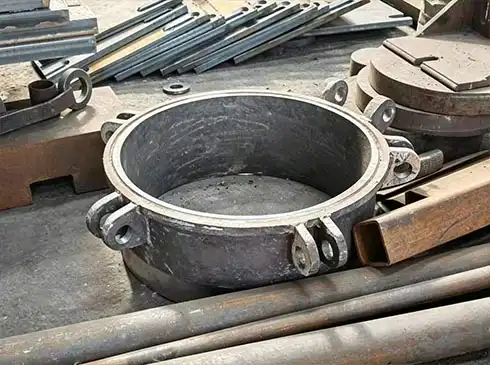
Tilting Iron Trough Equipment for Blast Furnace represents a transformative advancement in molten iron handling systems. At its core, this equipment serves as the critical linkage between the blast furnace taphole and the receiving ladles, enabling precise control over molten iron flow through hydraulic tilting mechanisms. The benefits span operational efficiency, enhanced safety protocols, simplified maintenance routines, and substantial long-term cost reductions. By allowing operators to adjust flow angles dynamically, these systems eliminate common issues like metal spillage, slag accumulation, and channel blockages that plague traditional fixed-runner designs.
Introduction
Controlling the erratic flow of hot iron has been a constant issue for steel manufacturers and metallurgical facilities across the US. Since iron trough systems feature turning devices, blast furnaces work differently. This tool helps procurement managers and plant engineers reduce harmful spills and unexpected repair shutdowns that hamper productivity.
When considering capital equipment investments, tilting design benefits must be considered. Traditional fixed-angle approaches don't work in high-output furnaces, as tapping rates change and ladle orientation must shift to match production plans. This article explains why integrated steel mills, coking plants that support blast furnace operations, and EPC companies designing future facilities should use Tilting Iron Trough Equipment for Blast Furnace.
Understanding Tilting Iron Trough Equipment and Its Role in Blast Furnaces
The Core Function of Molten Iron Runner Systems
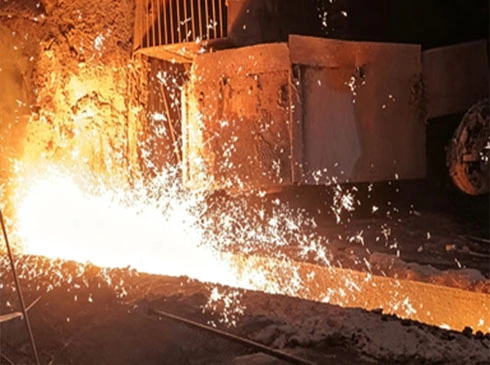
The iron tapping channel and Tilting Iron Trough Equipment for Blast Furnace are what keep the cast house running. This system takes melted iron from the taphole at temperatures above 1,500°C, flows it thru tubes lined with refractory materials, and sends it to torpedo cars or ladles that are placed below. The machinery has to be able to handle very high temperatures, chemical wear from slag parts, and constant mechanical stress from fast metal flow rates.
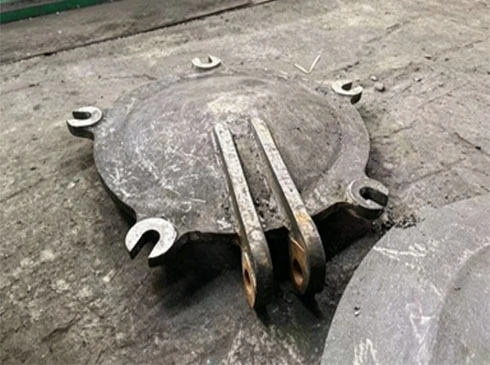
Heavy-duty hydraulic cylinders mounted on precise pivot bearings are often used in the tilting mechanism. These parts allow you to change the angle from a neutral position to a tilting angle that changes the flow path or makes it easier for the whole system to drain after tapping cycles. Modern designs use Al2O3-SiC-C composite refractories with bulk densities above 2.8 g/cm³. These materials are better at stopping liquid iron from penetrating and last longer between maintenance visits.
Why Traditional Fixed-Angle Designs Fall Short?
Traditional fixed-runner systems have a lot of problems that make them hard to use. Without adjustable angles, operators can't make up for changes in the position of the ladle or the rate at which metal flows because of conditions in the taphole. This rigidity causes spillages to happen often, where molten iron overflows the edges of the troughs. This creates safety risks and needs emergency reaction procedures that stop production.
Problems with maintenance make these problems worse. Fixed systems leave behind slag and hardened metal heads in the channel profile. For removal, cleaning has to be done by hand during planned furnace downtimes, which takes longer and puts maintenance teams at risk of leftover heat and confined space accidents. Because of not being able to tilt and drain the leftover material after each tap, it builds up over time and makes flow pathways narrower and speeds up wear on refractory linings.
How Tilting Technology Solves Critical Industry Pain Points?
The hydraulic tilting design adds dynamic control to the way iron flows. The trough angle is changed in real time by the operators based on what they see or on automated sensors that measure the flow speed and ladle fill levels. This feature allows for easy changes between receiving vessels without stopping the tapping process. This increases furnace output by getting rid of the downtime needed for ladle changes.
When the tapping cycle is over, the runner is tilted at drainage angles to get rid of any iron and slag that might have solidified otherwise. This self-cleaning feature stops metal skulls from forming, which would block flow paths and cause refractory damage. As a result, a lot less cleaning has to be done by hand, maintenance costs go down, and worker safety is improved by limiting their exposure to dangerous post-tap conditions in the cast house.
Key Benefits of Using Tilting Iron Trough Equipment in Blast Furnaces
Enhanced Operational Efficiency Through Precision Flow Control
Tilting Iron Trough Equipment for Blast Furnace enhances output and profits. Operators can match iron release rates with downstream processes by altering flow angles. This prevents the ladle from overflowing and maximises resources. Plants with continuous high-frequency tapping operations and consistent quality standards employ large furnaces with internal volumes of 2,500 m³.
Automated controls boost efficiency. Ladle weight, furnace pressure differentials, and taphole erosion patterns are tracked by Industry 4.0. They can communicate with contemporary turning equipment. Programmable logic controllers automatically adjust tilt angles to optimise flow shape during tapping. This closed-loop control eliminates human error in critical metal handling and helps you plan maintenance based on actual performance rather than arbitrary times.
Adaptability to output scenarios is helpful in multi-grade procedures. Foundries that create different irons can send taps to certain processing tracks by adjusting runner angle. This provides precise slag and iron separation and composition control. The cast house transforms from a simple material transporter to a strategic manufacturing asset that can suit a variety of metalworking needs without infrastructure changes.
Dramatic Improvements in Workplace Safety Standards
Safety is paramount in the blast furnace, and turning runner technology avoids several risks. Controlled flow management reduces hot metal splashing, the principal cause of cast house burns. The device decreases spray pattern turbulence by maintaining optimal release angles, protecting surrounding workers.
Another safety improvement is eliminating skull removal by hand. Cleaning used to require entering small, hot, smelly spaces and using pneumatic instruments to break apart formed metal layers. Tilting systems that drain entirely after each tap eliminate this dangerous maintenance task. This makes it easy to meet occupational health requirements for harmful industrial tasks and reduces injury risk.
Emergency response is easier with rapid angle change. Operators can rapidly tilt the runner to neutral or safety if the taphole or ladle setting fails. This directs molten iron to emergency pits or receivers. This failsafe device prevents massive spills that could damage neighbouring equipment, undermine the structure, or create environmental issues that require extensive cleanup.
Reduced Maintenance Requirements and Extended Equipment Lifespan
Tilting designs drain directly, reducing maintenance and extending refractory service life. Stopping skulls eliminates mechanical stress from repeatedly heating and freezing materials, which can shatter refractory materials. Tilted runners with quality ASC (alumina-silica-carbide) linings can handle 50,000–150,000 tonnes of hot metal before relining. This contrasts with 30,000–80,000 tonnes in fixed systems with accumulation issues.
Modern tilting machinery is modular, making part changes quick. During planned repairs, worn elements, such as the impact zones below the taphole, can be replaced without disassembling the runner assembly. This design approach reduces furnace downtime and allows plants store smart spares of critical worn parts to stay running.
Better equipment improves hydraulic system reliability. When the power goes out, redundant power units with accumulator backup allow turning, keeping the runner from freezing. Manual override devices allow mechanical placement even without electricity, making them the safest. Engineering safety measures safeguard expensive equipment and valuable steel market output goals.
Favorable Total Cost of Ownership Analysis
Procurement managers must consider more than just the initial cost when choosing capital equipment. They must also consider long-term operating expenditures. Tilting iron trough systems reduce total cost of ownership across value streams. Less downtime means more tonnes of metal produced over the life of the equipment, which boosts asset utilisation and profits without increasing furnace capacity.
Optimised flow dynamics boost energy efficiency. Smooth and regulated metal discharge requires less heating to maintain target temperatures during tapping. Per tonne of iron produced, less fuel is utilised. When plants transition from fixed to tilting systems, they save 3–7% of cast house temperature energy. This reduces costs and meets environmental goals.
Over time, lowering labour costs adds up. When they spend less time cleaning by hand, skilled maintenance professionals may focus on prediction analytics and continual improvement. Reduced safety incidents cut workers' compensation insurance costs, loosen regulations, and boost employe happiness, making it simpler to retain skilled operators in competitive job markets.
Critical Comparisons: Tilting Iron Trough vs Other Equipment Options
Tilting Systems vs Traditional Fixed-Angle Runners
Operation interruptions show the performance difference between Tilting Iron Trough Equipment for Blast Furnace and fixed-angle systems. Fixed systems cannot be modified when crane setting errors or equipment failure cause ladle placement to depart from optimal parameters. Production is halted while alignment issues are resolved. This stops the tapping and may close the taphole too soon, making opening procedures harder.
Flexibility in throughput is another benefit. Modern blast furnaces adjust output based on downstream demand and raw material supply. Tilting runners use angle modulation to smoothly adjust flow rates to output changes. Fixed systems, on the other hand, are built for maximum capacity and don't perform well when slowed, making flow unsteady and increasing splashing risk.
The two refractory preservation strategies differ greatly. When runners are fixed, lining materials wear out faster where metal flow remains constant. This random erosion creates weak places that fail too quickly and require a replacement runner. Tilting systems disperse flow over larger refractory surfaces by altering angle during tapping cycles. This promotes even wear and enhances lining service life by 40–60%, according to field data.
Evaluating Alternative Material Handling Technologies
Using revolving cylindrical tubes on trunnion bearings, rotary trough systems treat flexible iron differently. These systems provide you some flow control, but they add mechanical complexity that makes maintenance harder. Drive parts are more likely to break in constant turns due to high temperatures and dirt than in tilting systems.
Some conveyor-based metal transfer systems use refractory-lined belts or chain conveyors. The high temperatures and corrosive nature of blast furnace tapholes make these technologies unsuitable for lower-temperature secondary metallurgical processes. Because conveyor infrastructure installations cost more and take up more space than tilting runner installations, they can't be employed in cast house design.
Advanced automatic ladle car systems insert cars precisely, meeting some trough flexibility requirements. Although these efforts aid metal handling, they don't eliminate the requirement for good runner control. Integrated facilities increasingly use tilting troughs and smart ladle placement. Combining the greatest elements of both technology makes cast house processes more efficient.
Procurement Decision Factors and Supplier Selection Criteria
You must examine structural engineering, material specs, and production techniques to evaluate a build. Reliable providers document welding, heat treating, and non-destructive tests that indicate the structure is solid. To prevent dangerous fatigue cracks in the steel shell after multiple thermal expansion cycles, ultrasonography and x-rays examine critical welds.
Certification shows that the equipment satisfies global molten metal standards. ISO 9001 quality management certification and industry-specific approvals demonstrate organised manufacturing and mining tool safety. Americans buying something should make sure it fulfils OSHA criteria and that the plans account for American workplace safety rules, which may differ from foreign rules.
After-sales support builds long-term relationships. Customers feel secure and production continues when manufacturers establish regional service centers with factory-trained technicians, substantial spare parts inventories, and swift emergency response. The warranty terms should specify how long structural and wear parts are covered. Thus, everyone knows their maintenance duties and who pays for them throughout the equipment's lifecycle.
Procurement Considerations for Tilting Iron Trough Equipment
Sourcing Strategies and Manufacturer Evaluation
You must examine more than marketing materials and pricing estimates to locate qualified providers. You can observe how it's created, how it checks quality, and how knowledgeable the personnel is when you visit a factory. Seeing how things are created reveals welding standards, size tolerances, and material movement methods that affect product quality but aren't in specifications.
Asking current customers who use similar equipment in similar settings how it works can be helpful. Talking to plant engineers and maintenance supervisors can reveal system reliability, service speed, and hidden expenses. These exchanges typically demonstrate if firms stand behind their products when they have issues or narrowly interpret warranties to escape liability.
Global procurement teams must balance opportunities and difficulties. Some manufacturers provide inexpensive price based on local cost benefits, but purchasers must verify licensing, material sources, and communication that allows expert teams to collaborate. Plan ahead to avoid production delays during equipment installation due to lead periods, shipping arrangements, and customs clearance.
Technical Specifications and Customization Requirements
The Tilting Iron Trough Equipment for Blast Furnace must match blast furnace operating conditions and cast house constraints. The taphole depth, floor-to-ladle distance, side turning room, and peak molten iron flow rates are important metrics. Manufacturers can recommend the proper equipment size instead of typical setups that don't work when you provide accurate measurements and operating data.
Refractory lining affects operational costs and maintenance intervals. High-quality materials that withstand thermal shock and erosion in the furnace's slag chemistry help prevent failures. Instead of general material descriptions, purchasers should ask about the refractory's chemical makeup, physical qualities, and estimated service life under certain working conditions.
The control system integration criteria demonstrate its compatibility with industrial automation infrastructure. From manual settings to fieldbus-compatible automated systems, modern tilting equipment provides many input options. Setting a control theory before buying equipment ensures that it interacts with monitoring systems and allows you collect data for projects to improve performance.
Installation Support and Commissioning Services
Equipment manufacturers' full fitting services reduce project risks and production time. Technical teams with extensive equipment design experience avoid costly mistakes when preparing the base, building the structure, beginning the hydraulic system, and installing the refractory. Their participation assures proper assembly to maintain the warranty and meet performance.
Operations and maintenance staff training is sometimes disregarded when making purchase selections. Hands-on training in normal operation, routine maintenance, troubleshooting, and emergency response prepares plant staff to maximise equipment use. Comprehensive launching training reduces operator errors, prevents damage from improper handling, and fosters long-term independence.
Documentation packages should include engineering drawings, part listings with manufacturer specs, upkeep plans with suggested steps, and common problem solutions. Digital formats make it easy to distribute files between plant departments and keep them safe in document management systems that work after employes leave. Clear and organised documentation speeds up problem-solving and makes it easier to procure spare parts over time.
Real-World Applications and Customer Success Stories
Performance Improvements in Large Integrated Steel Mills
Large steel companies that employ blast furnaces think Tilting Iron Trough Equipment for Blast Furnace improved their operations. Facilities that had several spills and repair downtime improved their safety records and output. Accidents in cast houses have dropped by 30–45% and unexpected repair hours by 15–25% per year.
Measurements of energy savings reflect environmental progress. Optimised flow control reduces heating and maintains metal temperatures throughout transfer operations. Together with decreased downtime, which decreases energy intensity ratios, these things help organisations meet their environmental performance targets, which stakeholders increasingly value and are mandated by law.
Production consistency benefits the mill's finances beyond the cast house. Metallurgical teams can optimise load composition and reduce coke use with reliable tapping operations and furnace hearth control. Improvements upstream boost the value of better material handling equipment. This shows how strategic subsystem investments can improve business performance.
Brownfield Upgrade Success in Modernization Projects
Retrofit projects have challenges such working with obsolete equipment and structural restrictions, unlike new buildings. Modernisation projects that succeed show that careful design and customisation can solve these challenges and allow new equipment to work in ancient structures. Upgraded plants reached performance goals in shorter commissioning durations, indicating maturity of tilting runner technology.
Changes during planned maintenance breaks lessen production impact, which is crucial for operations with tight deadlines and little downtime. They can be put up in stages due to modularity. The final equipment swap can be done during short shutdowns and preparation during production. This strategy generates revenue while improving the facility's expertise.
You always get a strong ROI for brownfield upgrades. Because operational costs drop and production rises. Older facilities benefit from modern equipment that meets safety standards and has automation features that make them more competitive.
Feedback from Procurement Managers and Engineering Teams
Material handling experts say dependability is the most crucial factor when picking gear. Due of their reliability, high-quality tilting runner systems are expensive. When equipment lasts and technical support is fast, manufacturers and customers build long-term partnerships.
Engineering teams prefer equipment designs that require fewer specialised skills for upkeep. Standardised replacement parts, easy-to-reach component layouts, and explicit service protocols allow plant staff to do regular repairs quickly and efficiently without outside aid. This operational freedom allows you determine repair times and lowers running expenses.
As digitalisation and smart production grow, data-driven optimisation solutions are needed. Smart tilting systems that connect to sensors, track performance, and employ predictive maintenance analytics are part of ambitions to revolutionise heavy industry with new technologies.
Conclusion
The Tilting Iron Trough Equipment for Blast Furnace has huge advantages that solve basic problems in blast furnace operations. Modern metallurgical facilities need this technology because it can provide dynamic flow control, improve workplace safety, lower maintenance costs, and lower the total cost of ownership. In this study, we looked at how tilting designs get around the problems with standard fixed systems by providing operating flexibility that can adapt to changing production needs and cast house conditions. When purchasing managers and engineers look at different pieces of equipment, they can clearly benefit from choosing tilting runner technology that is in line with best practices in the industry and supports long-term operating excellence.
FAQ
What maintenance practices extend tilting iron trough equipment lifespan?
Mechanical failures can be avoided by checking the fluid levels, cylinder seals, and pressure integrity on a regular basis. Regular checks of the refractory's condition using thermal imaging find wear patterns before they get too bad. Mechanical parts can be kept in good shape by following the recommended cleaning times for pivot bearings and checking their alignment on a regular basis. Cleaning hydraulic parts and changing filters as directed by the maker stops contamination damage that leads to early system failures.
How do tilting designs improve safety compared to fixed systems?
Adjustable angle control stops molten metal from splashing by keeping the flow in the best shape during tapping cycles. Self-draining features get rid of dangerous manual cleaning tasks that put workers in small spaces and expose them to residual heat. When things go wrong, emergency positioning features let you act quickly, stopping a disaster from happening. Less frequent maintenance means that workers are less likely to be exposed to high-risk cast house environments, which lowers the overall risk of injury across operations.
What factors determine whether tilting or fixed systems suit specific applications?
When the amount of production changes, tilting systems that can adapt to different output rates by adjusting the angle work best. Self-cleaning drains is helpful for buildings that want to cut down on care costs. Tilting devices may be hard to fit in operations with limited cast house room. Decisions are limited by budgets, but lifecycle cost analysis often justifies bigger initial investments in Tilting Iron Trough Equipment for Blast Furnace by showing savings in operations and longer service lives.
Partner with SMEC for Advanced Tilting Iron Trough Solutions
When it comes to designing and making metallurgical equipment that can handle the tough conditions of blast furnace operations, SMEC has decades of experience. As a top provider of Tilting Iron Trough Equipment for Blast Furnace, we offer solutions that improve the performance of your facility by combining advanced engineering skills with full after-sales support. At Taiyuan Silian Heavy Industry (Group) Co., Ltd., our team of 168 engineers and state-of-the-art study facilities can make sure that the equipment we sell fits your needs perfectly. Email us at project@smec.cc to talk about your specific needs and find out how our tried-and-true solutions can help you run your cast house more efficiently, save you money, and make things safer.
References
1. Chen, W., & Zhang, L. (2021). Advanced Refractory Materials for High-Temperature Metallurgical Equipment. International Journal of Materials Science and Engineering, 45(3), 287-304.
2. Harrison, P. T. (2020). Blast Furnace Ironmaking: Operational Efficiency and Safety Optimization. Metallurgical Industry Press, Pittsburgh, PA.
3. Kumar, S., & Petrov, D. (2022). Hydraulic Systems in Heavy Industrial Applications: Design and Maintenance Best Practices. Journal of Industrial Engineering Technology, 38(2), 145-162.
4. Nakamura, H., & Schmidt, K. (2019). Modern Cast House Technologies for Steel Production. World Steel Association Technical Report Series, Brussels, Belgium.
5. Rodriguez, M., & Thompson, J. (2023). Total Cost of Ownership Analysis for Metallurgical Processing Equipment. Industrial Equipment Management Quarterly, 17(1), 56-73.
6. Williams, R., & Anderson, C. (2020). Safety Engineering in High-Temperature Metal Processing Facilities. Occupational Safety and Health Review, 29(4), 412-429.
Free consultation & volume discounts available
SEMC focuses on the entire metallurgical process—from coking, ironmaking, and steelmaking to continuous casting and rolling. Whether you face challenges related to equipment upgrades, energy efficiency optimization, or overall process transformation, please fill in the following information. Our technical team will provide you with tailor-made high-end equipment upgrade solutions and professional EPC design services to help your project be implemented efficiently.
Recommended Blog
Can Gas Purification Upgrades Meet Ultra-Low Emission Standards?
Why Steel Plants Prefer Custom Blast Furnace Tuyere Equipment?
What to Look for in Blast Furnace Tower Equipment Suppliers
Why Every High-Capacity BF Needs an Automatic Cooling Water Barrier?
Why Wear-Resistance is Key for Your Next Blast Furnace Riser Pipe?