Can Integrated Coal Grinding & Drying Machine Adapt to Different Blast Furnace Capacities?
Can Integrated Coal Grinding & Drying Machine Adapt to Different Blast Furnace Capacities?
Understanding Integrated Coal Grinding & Drying Machines in Blast Furnace Operations
- Understanding Integrated Coal Grinding & Drying Machines in Blast Furnace Operations
- Adapting Integrated Coal Grinding & Drying Machines to Different Blast Furnace Capacities
- Efficiency and Maintenance Insights for Integrated Machines
- Procurement Guide for Integrated Coal Grinding & Drying Machines
- Future Trends and Technological Innovations in Coal Grinding & Drying
- Conclusion
- FAQ
- Connect With SMEC for a Custom Configuration Quote
- References
Yes — and this is one of the most critical questions procurement engineers ask before committing to a pulverized coal injection system. A well-engineered integrated coal grinding & drying machine for blast furnace coal injection is specifically designed to handle the operational diversity across furnace volumes ranging from 300 m³ to over 5,000 m³. Rather than offering a one-size-fits-all product, leading manufacturers like SMEC engineer scalable, capacity-matched systems that align with your injection rate targets, site constraints, and process specifications from day one.
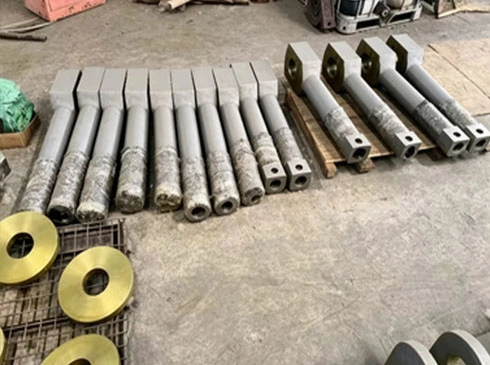
Understanding Integrated Coal Grinding & Drying Machines in Blast Furnace Operations
What Makes Integrated Systems Different?
A pulverized coal injection system that is fully integrated combines thermal drying, mechanical grinding, and pneumatic conveying into a single automated process. In traditional setups, these are run as separate stages, and each has its own power requirements, control logic, and maintenance schedule. Integrated designs get rid of unnecessary interfaces, keep heat from escaping between steps, and give workers a single control point. As a result, the process is more stable at high temperatures, and the coal output is more constant. About 80% of the coal goes through a 200-mesh (74-micron) sieve, which directly improves the efficiency of burning in the blast furnace raceway.
A lot of the time, wetness moves from one stage to the next in traditional separate processes. When 15–20% of the moisture is still in the raw coal when it goes into the grinding mill, particle size control gets worse and burning rates go down. This is fixed by an integrated coal grinding & drying machine for blast furnace coal injection that grinds and dries coal at the same time in a closed-loop inert gas environment. This keeps the output moisture below 1% and gets rid of the thermal mismatch that happens with multi-unit setups.
When procurement teams look at capital expenditures, the integrated approach also makes the equipment footprint much smaller, which is important for brownfield upgrades that don't have a lot of room.
Adapting Integrated Coal Grinding & Drying Machines to Different Blast Furnace Capacities
Scalable Design for Every Furnace Volume
Operations in blast furnaces can be very small or very large. A small ironworks in a nearby area might be able to run a 300–500 m³ furnace with only moderate coal injection needs. On the other hand, a large integrated steel mill could have multiple 4,000–5,000 m³ furnaces running at full load all the time. In these two situations, the integrated coal grinding & drying machine for blast furnace coal injection needs to be set up in very different ways. This is where SMEC's engineering philosophy really shines.
SMEC's capacity-adaptive design method is based on these main ideas:
- Compact configurations for small and medium furnaces (300–1,500 m³): These units focus on having a smaller physical size, using less energy per ton of pulverized coal created, and making the best use of investments. They are designed to handle normal injection rates without making the drying or grinding systems too big. This keeps the cost of operation in line with the size of the furnace.
- Heavy-duty configurations for large furnaces (1,500–5,000 m³): For high-load, continuous production environments, SMEC strengthens both the grinding assembly and the drying system to keep up with high throughput without lowering the fineness or control of moisture. High-chrome alloys are used to make grinding rollers so they can last for a long time—usually 8,000 to 15,000 hours of use before they need to be refaced.
- Parallel multi-unit network deployment: One integrated machine can meet stable base demand. When injection loads change during different stages of production, multiple units can be connected to each other in parallel to flexibly distribute the load without having to shut down the whole system or replace any capital.
Because of these design principles, a steel mill can start with a single unit that is set up to meet present demand and then add more machines in parallel to increase working capacity. This way, the mill can avoid the cost and downtime of replacing all of its equipment at once. As a normal engineering choice, SMEC allows capacity upgrades that happen in stages.
Industry data supports the business case: the World Steel Association says that injecting powdered coal cuts the need for coke by 150–200 kg per ton of hot metal. The right injection system, in the right size, has a measurable effect on the costs of raw materials when used on a large scale.
Efficiency and Maintenance Insights for Integrated Machines
Keeping Operating Costs Predictable
The two things that have the most direct effect on a coal pulverizing and drying system's long-term return on investment (ROI) are how well it uses energy and how well it can be maintained. In both ways, an integrated coal grinding & drying machine for blast furnace coal injection works better than standard multi-unit setups. They usually lower the amount of energy needed to make one ton of crushed coal by getting rid of inter-stage heat transfer losses and combining drive systems.
Wear parts like grinding wheels, liners, and separator blades are all housed in one machine design, which makes planning maintenance easier. As part of its wear monitoring protocol, SMEC uses ultrasonic thickness gaging. This lets operators decide when to reface or replace rollers based on actual wear data instead of just picking any old time intervals. This method of planning ahead cuts down on unplanned downtime, which is especially expensive in blast furnace operations where interruptions in injection can throw off the thermal balance and cost a lot.
In SMEC's standard service documentation and remote diagnostic protocols, problems like abrasive buildup in classifier zones, seal degradation in high-temperature sections, and sensor drift in O₂ and CO monitoring circuits are all talked about. The ATEX-equivalent closed-loop nitrogen inerting system goes off automatically when the oxygen level goes out of whack. This is a proven safety measure for high-volatile coal blends.
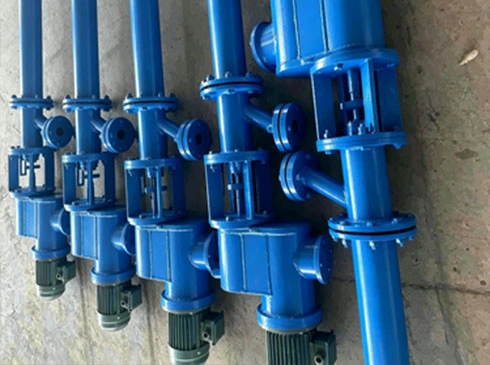
Procurement Guide for Integrated Coal Grinding & Drying Machines
What to Evaluate Before Committing?
It takes more than just comparing throughput ratings on a datasheet to choose the right integrated coal pulverizing system. When making heavy industrial equipment, the credibility of the supplier is very important. SMEC's production base is in Taiyuan, Shanxi Province, which is 68,700 m² and is China's national energy and heavy chemical industry base. It has about 23,000 m² of space set aside for industrial plants. There are 168 skilled staff working in engineering, and 30 of them are certified as senior engineers. This infrastructure allows for full planning, production, quality control, and after-sales service to be done in-house, without having to rely on outside manufacturers.
Another important factor is the level of customization. SMEC sets up each integrated coal grinding & drying machine for blast furnace coal injection based on the client's blast furnace volume, site plan, coal blend traits (such as the Hardgrove Grindability Index), and the emission rules in their area. This isn't a shopping choice; it's an answer that was designed.
The level of after-sales assistance, which should include installation guidance, operator training, remote diagnostics, and the availability of extra parts, should be just as important as the initial equipment design. SMEC's international trade and after-sales departments help overseas clients after the project is finished. Project coordination is done through special channels.
Future Trends and Technological Innovations in Coal Grinding & Drying
Where the Technology Is Heading?
Digital intelligence is being used more and more in the coal grinding and drying industry. IoT-enabled sensor networks now let you check the grinding pressure, output temperature, filter speed, and coal-to-carrier gas ratios in real time. All of this information can be sent to a central control platform. High-specification installations are starting to use AI to help optimize processes. These systems automatically change variable frequency drives and drying heat input to keep target fineness and moisture within tighter ranges than can be achieved by hand adjustments.
Waste heat recovery is becoming more popular as a way to heat the drying circuit. Top gas from a blast furnace or hot stove can be rerouted to cut down on fuel use from outside sources, which lowers both running costs and CO₂ emissions per ton of hot metal. This is in line with the US and global rules that are getting stricter on industrial emissions, as well as steelmakers' own promises to cut carbon emissions.
When procurement teams plan big purchases today, they should make sure that the integrated coal grinding & drying machines for blast furnace coal injection they buy are ready for these digital and environmental changes. They should also make sure that the integrated systems they buy now can handle adding sensors and automating processes without having to rethink the structure.
Conclusion
SMEC's product line is designed to be adaptable across a range of blast furnace sizes. It's not just an idea. There is an integrated coal grinding & drying machine for blast furnace coal injection configuration that will work for your injection needs, site conditions, and future plans for growth, whether you run a small 300 m³ plant or a large 5,000 m³ furnace with a lot of work to do. These systems are an investment that will last for a long time because they can be expanded in modules, deployed in alternative networks, and work with upgrades in stages.
FAQ
Can one integrated machine serve multiple blast furnaces simultaneously?
Each integrated coal grinding and drying unit is usually made to handle a certain amount of coal at a time. Serving multiple furnaces usually requires either a high-capacity single unit or a parallel multi-unit configuration. SMEC engineers can model the optimal arrangement based on total pulverized coal demand across all furnaces at your facility.
What coal types are compatible with SMEC's integrated systems?
SMEC's machines handle a broad range of coals, including bituminous, anthracite, and blended feeds. The grinding and drying parameters are adjusted to match the specific Hardgrove Grindability Index and moisture profile of each coal blend.
How does the system handle fluctuating injection demand?
Variable frequency drives modulate grinding roller speed and drying heat input in real time. For larger demand swings, parallel units can be brought online or taken offline without disrupting the primary injection circuit.
What safety certifications apply to the nitrogen inerting system?
SMEC's closed-loop inert gas system meets ATEX-equivalent safety standards, with automatic N₂ injection triggered when O₂ concentration exceeds threshold limits, validated through logic testing protocols.
Connect With SMEC for a Custom Configuration Quote
SMEC delivers engineered-to-order solutions for every blast furnace scale. As a trusted integrated coal grinding & drying machine for blast furnace coal injection manufacturer, we match equipment specifications precisely to your furnace volume, coal blend, and site conditions — with full after-sales support from our international team. Visit smecltd.com or reach our project team directly at project@smec.cc to discuss your requirements and request a tailored technical proposal.
References
1. World Steel Association. Steel Statistical Yearbook. 2023.
2. American Iron and Steel Institute (AISI). Blast Furnace Ironmaking: Technology and Operations. 2021.
3. Babcock & Wilcox. Coal Pulverizer Design and Performance Optimization. 2020.
4. ASTM International. ASTM D3302: Standard Test Method for Total Moisture in Coal. 2022.
5. International Energy Agency (IEA). Iron and Steel Technology Roadmap: Towards More Energy-Efficient and CO₂-Lean Steel Production. 2020.
6. Mining Engineering Magazine. Advances in Pulverized Coal Injection Systems for Modern Blast Furnaces. 2022.
Free consultation & volume discounts available
SEMC focuses on the entire metallurgical process—from coking, ironmaking, and steelmaking to continuous casting and rolling. Whether you face challenges related to equipment upgrades, energy efficiency optimization, or overall process transformation, please fill in the following information. Our technical team will provide you with tailor-made high-end equipment upgrade solutions and professional EPC design services to help your project be implemented efficiently.