Why Does the Blast Furnace Tuyere Area Need Corrosion Protection?
Understanding Corrosion in Blast Furnace Tuyere Injection Medium
- Understanding Corrosion in Blast Furnace Tuyere Injection Medium
- Why Is Corrosion Protection Essential for the Blast Furnace Tuyere Area?
- Anti-Corrosion Solutions for Blast Furnace Tuyere Injection Medium
- Choosing the Right Anti-Corrosion Service Provider
- Best Practices to Maintain Blast Furnace Teyers and Maximize Protection
- Conclusion
- FAQ
- Partner with SMEC for Proven Tuyere Protection Solutions
- References
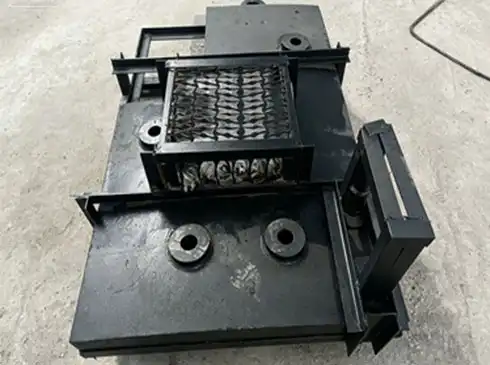
The blast furnace tuyere area requires specialized anti-corrosion service for blast furnace tuyere injection medium because it is exposed to harsh weather conditions that break down equipment quickly. When iron is being made, tuyere parts are exposed to oxidation at temperatures above 1200°C, sharp coal streams, toxic sulphur compounds, and thermal cycling stress all at the same time. Without specific rust protection, these forces speed up material thinning, perforation, and failure before they're supposed to. This directly threatens the safety and stability of production in integrated steel plants.

Understanding Corrosion in Blast Furnace Tuyere Injection Medium
In the metallurgy field, corrosion in the tuyere zone is one of the hardest problems with material degradation. The injection system, which is made up of lances, distribution manifolds, nozzles, and pipes that join them, goes straight into the furnace and starts burning and chemically reducing the materials.
Complex Chemical and Physical Attack Mechanisms
In this environment, many destructive forces come together at the same time. Oxidation at high temperatures removes protective oxide layers from metal surfaces, and fast-moving coal bits wear away at the inside walls of pipes. Injection materials have sulfides, chloride ions, and natural impurities in them that break down base metals chemically. Also, carbon monoxide and hydrogen in boiler gas make electrochemical corrosion cells that speed up material loss even more.
Dominant Corrosion Types in Tuyere Environments
When solid particles in the injection stream remove surface material physically, chemical reactions attack the newly revealed substrate below. This is called erosion-corrosion. Chemical rust happens when violent gases, like sulphur dioxide and hydrogen sulphide, directly react with the metal structure, creating sulphide scales that are very fragile. Thermal corrosion shows up as cyclic expansion and contraction that makes tiny cracks that spread through the structure. When these degradation modes work together, they do a lot more damage than any single mechanism could do alone.
Material Degradation Progression
Knowing how decline moves forward helps buying teams figure out when to step in. Corrosion usually starts with surface cracking at the edges of grains or flaws in the way the metal was made. These targeted attacks slowly spread inward, making channels that concentrate stress and speed up crack propagation. Internal wall thinning makes the structure less stable until it breaks through, which is a catastrophic failure during operation.
Why Is Corrosion Protection Essential for the Blast Furnace Tuyere Area?
Comprehensive safety strategies have real practical and financial benefits for steel makers and metallurgical businesses that make the investment worth it.
Production Continuity and Equipment Reliability
Unprotected turbine parts break down quickly, which forces frequent unplanned shutdowns. When injection lances puncture or distribution lines become too thin, operations must stop so that emergency repairs can be made. These interruptions throw off the carefully balanced conditions of the furnace, and it takes a long time to get it back to working at its best. A single tuyere failure can reduce the blast output or shut down the whole mill, which costs steel mills a lot of money in lost income. At planned repair intervals, protected equipment keeps its shape and size while keeping its structural integrity. This makes scheduling more reliable and increases production capacity.
Safety Hazards from Corroded Tuyere Systems
Material failures in the tuyere area pose serious risks to the workplace. When holes are made in pressurized injection lines, flammable coal dust can be released into the workplace, which can lead to explosions. Burn injuries can happen when hot blasts leak through damaged parts. Carbon monoxide poisoning risks come from furnace gas escaping through broken tuyere assemblies. Plant engineers and safety managers know that the Anti-corrosion Service for Blast Furnace Tuyere Injection Medium directly lowers the risk of accidents and keeps workers healthy.
Economic Impact of Premature Component Replacement
Buying injection lances, tuyere stocks, and the piping that goes with them costs a lot of money. Without protective coatings, replacement cycles are cut by more than 60%, which makes the cost of annual maintenance much higher. Aside from the cost of the parts, the labour needed for removal, installation, and system recommissioning adds a lot to the total cost. Replacements that happen often also put a strain on managing extra parts inventories and the supply chain. Protective strategies that triple the lifespan of parts lower these ongoing costs and make it easier for plant leaders and procurement managers to plan their budgets.
Furnace Performance Degradation
Failures caused by corrosion mess up the carefully planned gas flow and combustion patterns inside the blast furnace. Coal powder distribution is thrown off when injection nozzles wear down randomly or distribution lines get leaks. This unevenness makes hot spots and cold zones that make reduction less effective, use more coke, and lower the quality of the hot metal. Changes in temperature and uneven load descent can cause operating instability that needs operator help and slows down output. Keeping the purity of the injection system by controlling rust protects the ideal boiler conditions that raise output and lower fuel costs.
Anti-Corrosion Solutions for Blast Furnace Tuyere Injection Medium
Modern security technologies give steel makers many ways to keep their operations stable and extend the life of their equipment. When choosing the right options, you need to know about the technical aspects and application issues of each one.
Advanced Thermal Spray Coating Technologies
By speeding up molten or semi-molten particles onto prepared part surfaces, thermal spray processes add protective layers. Cermet coatings are very resistant to both erosion and corrosion because they combine the hardness of ceramics with the toughness of metals. These materials have microhardness ratings higher than 1000 HV0.3, which means they can effectively block particle impact from coal injection streams. Corrosive gases can't get through to the metal base because the microstructure is thick and has porosity levels below 1%. The thickness of the coating is usually between 200 and 500 micrometers, which is the right amount of security for the needs of heat conductivity.

For application, the surface needs to be carefully prepared by grit blasting to make places for mechanical grounding. Bond covers put on before the top layer make sure that the binding strength is higher than 70 MPa, which stops the layers from coming apart when the temperature changes. The coating's thermal expansion coefficient is the same as the base material's, so stress doesn't build up when the material is heated and cooled. Because of this flexibility, coatings can work at temperatures up to 1200°C without peeling or breaking.
Chemical Inhibitor and Surface Treatment Programs
Chemical cleaning programs protect internal areas that can't be coated mechanically. They work well with coatings. When inhibitor compounds are added to injection gas streams, they make molecular layers on metal surfaces that keep corrosive species from coming into touch with them. When temperatures stay moderate, these treatments work especially well in distribution manifolds and upstream pipes. Vapour phase inhibitors become volatile within the system and can get to complicated shapes that spray processes can't reach. As the injection materials slowly remove the molecular barrier, regular inhibitor injection keeps the protected cover in place.
Surface passivation treatments for the anti-corrosion service for blast furnace tuyere injection medium make stable coatings of oxide or phosphate that don't react with sulphur compounds acid. These very thin layers, which are usually only a few micrometers thick, cover low-stress parts cheaply and get areas ready for later coating treatments. Passivation is especially helpful when storing equipment between campaigns because it stops air rust that could damage the surface.
Comparative Cost-Benefit Analysis
When looking at protection options, you need to weigh the initial cost against the savings over time. Cermet thermal spray coats cost more to apply, but they extend the life of parts by 300 to 500% compared to parts that haven't been treated. The longer time between replacements lowers the total cost of parts, labour, and lost time due to downtime. Chemical inhibitor programs need less money up front, but they need to be restocked and watched over all the time. This makes them good for backup systems where operational flexibility is more important than absolute longevity.
Choosing the Right Anti-Corrosion Service Provider
Selecting a good partner has a big impact on the success of a security program. Technical know-how, quality control, and customer service are what set successful providers apart from commodity sellers.
Critical Supplier Assessment Criteria
Teams that buy things should look at possible partners from a number of different angles. The skills of the engineering staff show how technically skilled they are. Look for companies that hire metallurgists, materials scientists, and coating specialists with experience using a blast furnace. Controlled-environment spray rooms, precision coating thickness measurement systems, and metallographic labs for quality checks should all be part of the manufacturing process.
Certification compliance shows that you follow well-known rules. AWS thermal spray certifications prove that technicians are qualified, and ISO 9001 quality management certifications show that processes are controlled in a planned way. Being a member of NACE and serving on industry technical groups are signs of active involvement in the development of corrosion science.
Quality Control and Testing Protocols
Coatings must pass strict inspections to make sure they meet performance standards. Eddy current or ultrasonic measurement checks that the thickness is the same across all treated surfaces. This makes sure that there is enough security without too much growth that could get in the way of assembly. Pull-off adhesion testing according to ASTM D4541 measures the strength of the bond and finds batches that might come apart too soon in service. Cross-sectional metallography shows the structure of the layer on the inside, proving its density and finding flaws that can't be seen from the outside.
In thermal cycle testing, covered samples are heated to service temperature over and over again and then quickly cooled down. This mimics how a heater works. This fast ageing finds possible failure modes in parts before they are put into service. Dye penetrant screening finds small cracks on the surface that could lead to bigger problems. These thorough tests show that providers are dedicated to reliability, which protects your operational uptime.
Technical Customization Capability
Configurations of blast furnaces vary a lot from one installation to the next, so solutions that can be changed instead of standard products are needed. Service providers who are good at what they do do site assessments to learn about your specific injection materials, operating temperatures, and maintenance methods. This meeting helps you choose the right materials, get advice on the right layer thickness, and get instructions on how to apply them that are specific to your needs.
Technical support for the anti-corrosion service for blast furnace tuyere injection medium goes beyond the initial application and includes advice on how to watch performance and help with fixing when things go wrong. Providers that teach your repair staff how to check coatings and figure out how much damage there is let you take action before small problems turn into big ones.
Best Practices to Maintain Blast Furnace Teyers and Maximize Protection
To get the most out of their service life, even the best protection coats need to be properly maintained. Operational focus and regular tracking will help you get more out of your investment in rust control.
Routine Inspection and Monitoring Programs
Setting up regular eye inspection plans lets you find coating degradation early, before it damages the structure. During planned furnace maintenance intervals, maintenance staff should take pictures of wear patterns and measure the thickness of the remaining coating at standard locations to keep track of the surface's condition. This moving data shows rates of decline and estimates of remaining service life, which lets replacements be planned ahead of time before emergency failures stop operations.
Non-destructive testing methods allow inspections to go beyond looking at things from the surface. Ultrasonic thickness gauging finds internal rust that can't be seen with the naked eye by measuring the thickness of metal walls through coats. Eddy current probes find cracks in the ground that are spreading through layers of protection. Using thermal imaging during operation shows hot spots that mean the coating has broken through or is getting thinner, which makes the thermal insulation less effective.
Preventive Maintenance Scheduling
Protective coats finally break down after years of use, even if they were very good at first. Setting refresh cycles based on observed wear rates stops damage to the substrate from getting worse. It's much cheaper to fix worn areas during regular maintenance windows than to fix them quickly after they've been perforated. To get the most out of furnace maintenance and have the least amount of effect on production, maintenance planners should schedule coating refill with other maintenance tasks.
To keep the safe concentration, chemical inhibitor programs need to be refilled on a frequent basis. Continuous protection is provided by keeping an eye on the chemistry of the injection system and changing the doses of inhibitors based on the results of the analysis. By setting up rules for samples and lab research, security gaps that let corrosion start can be avoided.
Operational Best Practices
How you use the covering has a big effect on how long it lasts. Gradual changes in temperature during startup and shutdown keep protective layers from being cracked by thermal shock. Mechanical erosion rates can be slowed down by controlling the amount of moisture in the injection material and getting rid of particles that are too big or too small. By staying within the design limits of injection speeds, you can avoid particle contact forces that are too high and speed up coating wear.
Training programs for the Anti-corrosion Service for Blast Furnace Tuyere Injection Medium ensure operators and maintenance technicians understand corrosion mechanisms and protection principles, improving program compliance. When employees know how their actions affect the life of equipment, they stop just using it and become involved in keeping it in good shape.
Conclusion
Protecting the blast furnace tuyere area from corrosion is an important preventative maintenance task that keeps production going, keeps workers safe, and protects investments in capital equipment. Extreme working conditions, including high temperatures, rough particles, and corrosive chemicals, quickly break down parts that aren't protected, requiring expensive emergency fixes and stopping production. Modern anti-corrosion services that use advanced thermal spray treatments can extend the life of things while also lowering their upkeep costs and making them more reliable. It is important to choose skilled service providers with a track record of technical knowledge and strict quality control to make sure that the coating performance meets the strict requirements of the metalworking industry.
FAQ
What service life improvement can I expect from professional tuyere corrosion protection?
When properly applied, cermet thermal spray coats usually increase the service life of parts by 300 to 500% compared to equipment that isn't secured. Depending on your operating conditions, injection materials, and maintenance habits, the actual improvement may vary. However, installations that have been recorded show that lance replacement intervals are growing from 6 to 8 months to 24 to 36 months.
Can protective coatings be applied without complete furnace shutdown?
For coating to stick, the temperature and surface must be prepared in a controlled way, which can't be done on hot equipment that is already in use. Strategic planning, on the other hand, lets coating work be done during planned maintenance windows, which cuts down on incremental downtime. Some extra parts can be taken out, covered, and put back in during short breaks in operation.
How do I verify coating quality after application?
Visual checking for surface flaws, adhesion testing with a pull-off method topping 70 MPa, thickness measuring using eddy current or ultrasonic methods, and cross-sectional metallography to prove the correct microstructure are all parts of a full quality check. Reliable providers give you written test results that have been signed off on by qualified testers.
What maintenance intervals do protected components require?
Visual inspection during each planned stop of the furnace lets you see how things are going over time. Every 12 to 18 months, full non-destructive testing figures out how thick the layer is still and shows where work needs to be done. The actual refresh times rely on how fast the parts are wearing down, but they are usually between 24 and 48 months.
Partner with SMEC for Proven Tuyere Protection Solutions
Steel makers and metallurgical businesses seeking reliable corrosion control can depend on SMEC's complete Anti-corrosion Service for Blast Furnace Tuyere Injection Medium to increase equipment life and reduce unexpected downtime. As a specialized supplier with advanced thermal spray capabilities and decades of metallurgical equipment expertise, we deliver customized protection programs backed by rigorous quality control meeting international standards, including ASTM C633 and ISO 14923. Our engineering team, which is made up of 168 technical staff members and 30 top engineers, does thorough site surveys to suggest the best coating materials and application methods for your unique injection systems and working conditions. Our 23,000-square-meter manufacturing facility is in Taiyuan City, which is in the industrial heartland of Shanxi. It has facilities for research, application, and testing that make sure results are always the same. Get in touch with our technical team at project@smec.cc to talk about your tuyere security needs and find out how our tried-and-true solutions can help you save money on maintenance while also making your blast furnace more reliable and productive.
References
1. Johnson, R.T., & Chen, M. (2021). Corrosion Mechanisms in High-Temperature Metallurgical Processes. Metallurgical Society Press.
2. Anderson, K.L. (2020). "Thermal Spray Coating Performance in Blast Furnace Tuyere Applications," Journal of Materials Engineering and Performance, 29(8), 5134-5149.
3. Williams, P.D., & Martinez, J.A. (2022). Industrial Corrosion Prevention Strategies for Iron and Steel Production. Technical Publishing International.
4. Zhang, H., & Kumar, S. (2019). "Erosion-Corrosion Behavior of Protective Coatings in Coal Injection Systems," Wear, 426-427, 1842-1853.
5. Thompson, E.W. (2023). Blast Furnace Operations: Equipment Maintenance and Reliability Optimization. Steel Industry Press.
6. Richards, A.M., & Foster, D.L. (2021). "Economic Analysis of Corrosion Control Programs in Primary Metal Production," Corrosion Management, 15(3), 22-31.
Free consultation & volume discounts available
SEMC focuses on the entire metallurgical process—from coking, ironmaking, and steelmaking to continuous casting and rolling. Whether you face challenges related to equipment upgrades, energy efficiency optimization, or overall process transformation, please fill in the following information. Our technical team will provide you with tailor-made high-end equipment upgrade solutions and professional EPC design services to help your project be implemented efficiently.
Recommended Blog
How Overall Blast Furnace Renovation Improves Steel Plant Efficiency?
Best Materials for Blast Furnace Tuyere Equipment Explained
Blast Furnace Dedusting vs Gas Purification: Key Differences
How Real-Time Tuyere Imaging Service Can Extend Your Blast Furnace Life
Maintenance Tips for Blast Furnace Drill Rod Replacement Equipment