What Is the Function of a Blast Furnace Slag Tap Device?
Understanding the Function and Principle of a Blast Furnace Slag Tap Device
- Understanding the Function and Principle of a Blast Furnace Slag Tap Device
- Common Problems and Maintenance Tips for Blast Furnace Slag Tap Devices
- Comparing Blast Furnace Slag Tap Devices to Traditional Slag Removal Methods
- Procurement Guide: How to Choose and Purchase a Blast Furnace Slag Tap Device
- Strategic Benefits of Investing in Advanced Slag Tap Equipment
- Conclusion
- FAQ
- Talk to SMEC About Your Slag Tap Requirements
- References
A blast furnace slag tap device is a core component installed in the hearth zone of a blast furnace, designed to discharge molten slag produced during iron smelting at regular intervals. It controls the drainage rhythm precisely, cools the slag notch through an integrated water-cooling system, and maintains a tight seal between tapping cycles. Without this device, rising slag levels would erode the furnace wall, disrupt iron-slag separation, and risk hearth burn-through. It is a non-negotiable piece of equipment for any facility that depends on continuous, stable blast furnace output.
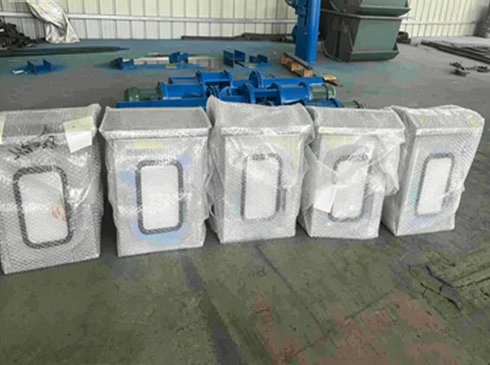
Understanding the Function and Principle of a Blast Furnace Slag Tap Device
Modern blast furnaces work nonstop at very high temperatures, making huge amounts of liquid slag as a waste product of the ironmaking process. Taking care of that slag properly is necessary because it affects the health of the furnace, the amount of output, and its service life.
What the Device Actually Does
The slag tap device opens and closes the slag notch at set times. This lets high-temperature, molten slag (usually between 1,450°C and 1,550°C) flow safely into systems further down the line for granulation or processing. When there are taps in a row, it totally seals the notch to stop gas leaks and heat loss.
How the Cooling System Works
A built-in water-cooling system constantly pulls heat away from the notch block and the copper or cast-iron parts that are close to it. This keeps the contact area below the point at which it can be damaged by heat. This saves the refractory lining and makes the whole hearth region last longer.
Key Structural Design Features
The tool includes a durable notch block, a mud gun interface that is moved by hydraulics, a drill rod opening mechanism, and a cooling jacket. For the tuyere and hearth zone, which has a lot of thermal shock and chemical corrosion, high-grade refractory materials and alloys that don't melt are chosen.
Knowing these design details helps procurement engineers figure out which version of the slag tap device will work best for their furnace volume, tapping frequency, and production plan.
Common Problems and Maintenance Tips for Blast Furnace Slag Tap Devices
Even well-designed equipment wears down under the relentless conditions inside a blast furnace hearth. Knowing which problems appear first — and why — saves both time and money.
Blockage and Irregular Flow
Slag solidification inside the notch channel is the most frequent issue. It typically results from irregular tapping intervals or insufficient temperature control. Scheduled reopening cycles and monitoring of hearth temperature gradients help prevent this problem before it disrupts production.
Wear on the Notch Block and Drill Components
The drill rod and notch block face direct contact with molten slag at every tapping cycle. Material fatigue and chemical erosion accelerate wear. Inspection every 1,500 to 2,000 operating hours, with planned replacement of consumable parts, keeps wear-related failures predictable and manageable.
Leakage Around the Seal Zone
Leakage often signals degraded refractory packing or misalignment caused by thermal expansion. Regular torque checks on clamping assemblies, combined with refractory paste renewal during scheduled maintenance windows, address most seal failures before they escalate into safety incidents.
These three problem categories account for the majority of unplanned downtime on slag tap systems. Establishing a preventive maintenance log tied to actual tapping cycles — not just calendar dates — gives maintenance teams the clearest picture of remaining component life.
Comparing Blast Furnace Slag Tap Devices to Traditional Slag Removal Methods
To remove slag by hand, workers used to have to go right up to the furnace hearth and use hand tools to open and close the notch. That method is slow, could be dangerous, and doesn't work with the frequency of tapping that big contemporary burners need.
Here are the main ways that human methods and a well-designed blast furnace slag tap device don't work as well:
- Tapping frequency control: Automated devices can execute precise tapping intervals based on hearth liquid level data, while manual methods rely on operator judgment and physical endurance, leading to inconsistent drainage and irregular furnace conditions.
- Worker safety exposure: Manual tapping places operators within direct proximity of molten slag splash zones. Automated actuation removes personnel from the danger area during each tapping cycle, significantly reducing burn and inhalation risk.
- Throughput consistency: Steel mills running automated slag tap systems report more stable slag-iron separation and fewer hearth anomalies per production cycle compared to facilities still using manual intervention.
These differences have a direct effect on costs. Lower incident rates mean lower insurance and liability costs, and regular tapping processes protect the furnace lining and cut down on how often it needs to be relined. When buying a new system, people should look at how much hydraulic force the device has, whether it works with the current mud gun, and how well the maker has done with furnaces of the same size in the past.
Procurement Guide: How to Choose and Purchase a Blast Furnace Slag Tap Device
It takes more than just comparing catalog specs to choose the right slag tap device. The device has to fit your furnace's hearth width, tapping regularity, and how the slag is processed further down the line.
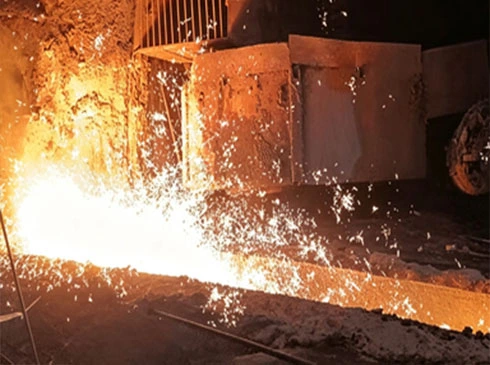
OEM vs. Authorized Distributor
When people buy straight from an OEM, they can get engineering customization, factory acceptance testing, and technical help right away. Authorized wholesalers may be able to shorten delivery windows for standard setups but may not be able to do so for furnaces with non-standard measurements or proprietary connections.
Key Technical Parameters to Confirm
Before you place an order, make sure you know the range of notch diameters, the required cooling water flow rate, the actuation system pressure grade, and whether it will work with the type of mud gun you already have. These four factors decide if the gadget can be integrated without any changes.
After-Sales Support and Lead Times
Lead times for custom-built slag tap equipment are usually between eight and sixteen weeks, but can be longer or shorter based on the supply of materials and the level of difficulty of the manufacturing process. Make sure that the warranty covers wear-and-tear parts separately from structural parts, and find out if on-site commissioning help is included.
Strategic Benefits of Investing in Advanced Slag Tap Equipment
Upgrading from older or more manual methods to a purpose-built blast furnace slag tap device has measurable benefits in a number of operating areas.
Reduced Hearth Maintenance Costs
Thermal shock to the refractory lining is lessened by tapping cycles that are regular and well-controlled. When facilities switch to automated slag tap systems, it's common for longer periods of time to go by without having to do partial relining work. This saves money on materials and time spent on repairs.
Improved Emission Control Compliance
Fugitive gas from the hearth zone can't get out if the slag notch between the taps is properly blocked. This is becoming more important as environmental regulators in the US and other markets lower the levels of emissions that integrated steel facilities are allowed to produce.
Alignment With Automation and Smart Plant Goals
Modern slag tap devices can be connected to furnace monitoring systems that keep an eye on the amount of liquid in the hearth and automatically set tapping cycles. This makes the equipment a part of a larger program to automate plants, which fits with modern steel and mining operations' long-term plans for capital investments.
Conclusion
A blast furnace slag tap device is not an extra that you can add on. It directly affects the safety of the hearth, the regularity of tapping, and the service life of the furnace. When facilities maintain or upgrade their slag notch equipment with purpose-built devices, they have fewer unplanned outages, better control of emissions, and lower long-term refractory costs. Matching the device to your furnace's actual operating parameters is the most important step in the procurement process, whether you are choosing equipment for a new furnace or replacing old parts on an old one.
FAQ
1. How often should a slag tap device undergo scheduled maintenance?
Maintenance intervals should be tied to actual tapping cycle counts rather than fixed calendar periods. A general guideline is a full inspection after every 1,500 to 2,000 tapping cycles, with consumable parts — including the notch block and drill rod — assessed at each inspection.
2. What signs indicate that the device needs replacement rather than repair?
Persistent leakage after refractory renewal, visible deformation of the cooling jacket, or repeated blockage within the same operating week all suggest that the structural components have reached the end of their service life. At that point, continued repair carries higher risk than replacement.
3. Can slag tap devices be customized for different furnace sizes?
Yes. Notch diameter, actuation force, cooling water capacity, and mounting geometry can all be adjusted during manufacturing to match specific furnace hearth dimensions and tapping schedules. Providing detailed furnace drawings and operating parameters to the manufacturer before the order is placed is the most effective way to ensure accurate fitment.
4. Does the device support integration with furnace monitoring systems?
Modern designs support PLC-based control integration, allowing tapping cycles to be triggered automatically based on hearth level signals. This capability is standard in equipment supplied for new-build projects and available as an upgrade option for existing furnace retrofits.
Talk to SMEC About Your Slag Tap Requirements
As a part of Taiyuan Silian Heavy Industry (Group) Co., Ltd., SMEC offers blast furnace slag tap device options to steel mills, coking plants, and EPC companies all over the world. SMEC is a company that makes blast furnace slag tap devices. They have over 168 engineers working for them and an established international trade department. They offer custom configurations, factory acceptance testing, and on-site commissioning support. To get technical advice or a product specification sheet, email the team at project@smec.cc.
References
1. Geerdes, M., Chaigneau, R., & Kurunov, I. Modern Blast Furnace Ironmaking: An Introduction. IOS Press, 2020.
2. Biswas, A. K. Principles of Blast Furnace Ironmaking. Cootha Publishing House, 1981.
3. The Iron and Steel Society. The Making, Shaping and Treating of Steel: Ironmaking Volume. AISE Steel Foundation, 1999.
4. Zhou, C., & Li, G. "Thermal and Structural Analysis of Blast Furnace Hearth Components Under Cyclic Tapping Conditions." Journal of Iron and Steel Research International, 2019.
5. American Iron and Steel Institute (AISI). Steel Industry Technology Roadmap. AISI, 2021.
6. Peacey, J. G., & Davenport, W. G. The Iron Blast Furnace: Theory and Practice. Pergamon Press, 1979.
Free consultation & volume discounts available
SEMC focuses on the entire metallurgical process—from coking, ironmaking, and steelmaking to continuous casting and rolling. Whether you face challenges related to equipment upgrades, energy efficiency optimization, or overall process transformation, please fill in the following information. Our technical team will provide you with tailor-made high-end equipment upgrade solutions and professional EPC design services to help your project be implemented efficiently.