What Is the Function of Blast Furnace Tap Hole Equipment?
Understanding the Core Function of Blast Furnace Tap Hole Equipment
- Understanding the Core Function of Blast Furnace Tap Hole Equipment
- Types and Design Principles of Blast Furnace Tap Hole Equipment
- Operational Process and Maintenance Guide
- How to Choose the Right Blast Furnace Tap Hole Equipment
- Enhancing Efficiency and Avoiding Common Pitfalls
- Conclusion
- FAQ
- Partner with SMEC for Dependable Tap Hole Solutions
- References
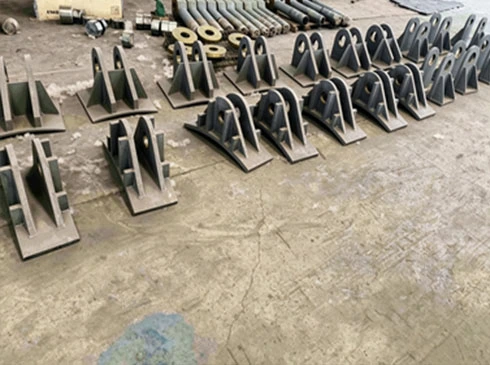
Blast furnace tap hole equipment is a core component installed in the hearth zone of a blast furnace, designed to control the tapping rhythm, discharge molten iron and slag, and maintain a reliable seal between casting cycles. Without properly functioning tap hole systems, the entire ironmaking process faces serious risks—from uncontrolled iron flow to hearth burnout. For procurement engineers, plant managers, and EPC contractors sourcing dependable solutions, understanding this equipment's function is the first step toward making sound investment decisions.
Understanding the Core Function of Blast Furnace Tap Hole Equipment
What the Tap Hole System Actually Does
The tap hole system is where the controlled flow of liquid iron and slag from the casting process ends. It opens on time to let iron into the casting runner, and then it closes tightly between taps to protect the hearth structure and stop gas from leaking. Precision in this cycle has a direct effect on the safety of workers and the uniformity of the furnace's output.
Key Components in the Assembly
A full tap hole assembly usually has the tap hole frame, the mudgun (for sealing with refractory clay), the tap hole drill, and the hydraulic or pneumatic drive units that hold it all together. When the drill opens the hole, the iron runs out, and when the mudgun taps the hole, it closes it up. The operational efficiency depends on how well these parts work together.
Why Hearth Protection Depends on This System
The tap hole must keep an airtight seal when it's not being used. If the seal breaks, high-pressure blast furnace gas and molten iron can leak out, which could lead to splashes, damage to the structure, or a catastrophic hearth burnout. Industry maintenance data shows that most unexpected furnace shutdowns are caused by a failed tap hole seal or a delayed mudgun reaction. This means that equipment that works well is a must.
Types and Design Principles of Blast Furnace Tap Hole Equipment
Manual vs. Automated Control Options
Some smaller or older blast furnace tap hole equipment may still have tap hole systems that are run by hand, but more and more large-scale operations today use systems that are managed by hydraulics or PLCs. Automated systems keep people from being exposed to high heat, make hitting more accurate, and let you see the hole depth and mud volume in real time. For steel plants that make a lot of steel, automation is a must, not a nice-to-have trait.
Heat-Resistant Materials and Structural Design
Drilling parts and frames for holes must be able to handle temperatures above 1,500°C and steady thermal cycles. High-quality refractory alloys, heat-resistant cast steel housings, and structural supports that are cooled from the inside are all standard in good designs. For longer service intervals, the mudgun barrel needs wear-resistant tips and insulating covers because it comes into direct touch with molten material.
Tacontacte Equipment vs. Tap Hole Drilling Tools
People sometimes mix up these two terms. The tap hole drilling machine is a single piece that makes the plugged hole open so that the tap can be put in. Tap hole tools, on the other hand, includes the drill, mudgun, frinclude drive systems as a whole. To avoid problems with compatibility during installation, procurement teams should describe the whole system setup instead of just individual parts.
Operational Process and Maintenance Guide
Standard Operating Sequence
The hydraulic drill moves into the clay plug to open the iron notch at the start of a normal tapping cycle. As soon as the tapping is done and the iron flow slows down, the mudgun swings back into place and injects refractory clay to seal the hole again. This process happens several times during a shift. The control system writes down the order of each step so that it can keep track of wear patterns and plan when to do maintenance.
Routine Maintenance Checklist
Regular maintenance keeps things from breaking down too soon. These are the usual checks that workers should do:
- Daily: Inspect hydraulic hose connections for leaks; confirm mudgun clay pressure and nozzle integrity; check drill bit sharpness and replace worn tips before each shift.
- Weekly: Audit the tap hole frame for thermal deformation; test PLC sensor response times; verify cooling water flow in heat-shielded components.
- Monthly: Conduct a full hydraulic system pressure test; inspect the swing arm bearings; review tapping logs to identify irregular cycle durations.
Small wear problems don't have to turn into unplanned outages if differences are found early on during these checks. When compared to reactive repair methods, a focused maintenance plan usually adds 20 to 30 percent more service life to equipment.
Safety Protocols
Everyone working on the tapping floor has to wear flame-resistant PPE, stay away from open tap holes while they are being tapped, and keep safe distances during iron flow. Automated locking systems should stop mudguns and drills from being used at the same time. Every week, the emergency stop functions must be checked.
How to Choose the Right Blast Furnace Tap Hole Equipment
Matching Equipment to Furnace Scale
The tap hole tools needs to be the right size and needed for the blast furnace. The flow rates, clay usage cycles, and structure loads of a 1,000 m³ structuralre not the same as those of a 4,000 m³ furnace. Equipment that is too big or too small either doesn't work well or wears out quickly. When they ask for a price, procurement teams should always include the blast furnace tap hole equipment volume, daily tap count, and iron flow numbers.
Supplier Evaluation Criteria
When picking a supplier, you need to do more than just look at technical specs. When making a B2B sourcing decision, the following things are just as important:
- Manufacturing credentials: Confirm the supplier holds relevant certifications and has verifiable production capacity.
- Customization capability: Verify the supplier can adapt frame dimensions, drive configurations, and control interfaces to match your existing plant layout.
- After-sales support: Clarify warranty terms, response time for emergency parts, and whether field installation guidance is provided.
- Lead time and logistics: For international orders, confirm experience with export documentation, sea freight coordination, and spare parts stocking.
Long-term buying risk is lower when the provider has a strong technical background and clear service terms. These standards apply to both first-time buyers and people who are changing old systems on stoves that are already running.
Enhancing Efficiency and Avoiding Common Pitfalls
Common Bottlenecks That Affect Output
Problems with performance most often happen when clay plugs aren't consistent and drill bits wear out. If t,he mudgun provides different amounts of clay, the depth of the tap hole will also be different, which will make future drilling uncertain and increase the risk of breakthrough. Worn drill bits make cycles take longer and put more stress on the hydraulic drive, which speeds up the wear and tear on all the parts in the system.
Practical Optimization Strategies
Adding a flow monitoring device to the tapping runner tells workers in real time how much iron is being output. When combined with mudgun clay metering controlled by a PLC, this lets operators make sure that every tapping cycle is the same and find problems before they get worse. After using closed-loop control on their tap hole systems, plants have seen a noticeable drop in unplanned downtime and the amount of clay used per ton of iron produced.
Staff Training and Error Prevention
A lot of tap hole fails are caused by mistakes ifailures way they were done instead of problems with the tools. Accident rates are cut down by a large amount when operators are trained regularly on the right drill approach angles, clay injection pressure settings, and emergency procedures. Writing down every hitting event in a digital log also makes a record that can be tracked down and used for both finding the root cause and future equipment updates.
Conclusion
One of the most important parts of making iron is controlling when and how the molten iron leaves the kiln. This is done with tap hole tools. If this blast furnace tap hole equipment breaks down, it directly affects the amount of work that can be done, the safety of the workers, and the longevity of the hearth. Plant managers can protect both their employees and their production goals by choosing well-rated, well-kept tap hole systems from reputable suppliers. Whether you are looking for parts for a new heater or to replace an old one, knowing what the equipment does will help you make better decisions about what to buy.
FAQ
1. What happens if the tap hole seal fails between tapping cycles?
A failed seal allows high-pressure furnace gas and molten iron to escape, creating a serious safety hazard. This can result in iron splash, uncontrolled gas release, and potential hearth wall damage. Immediate emergency response, including controlled shutdown procedures, is required.
2. How often should tap hole refractory clay be replaced or restocked?
Clay consumption depends on tap frequency and furnace volume. Operators should monitor clay inventory daily and restock before reserves fall below a one-shift supply. Using consistent clay formulations also helps maintain predictable hole depth after each plugging cycle.
3. Can tap hole equipment be customized for different furnace configurations?
Yes. Reputable manufacturers offer adjustable frame dimensions, hydraulic drive capacity options, and PLC interface compatibility to match various furnace designs. Always supply detailed furnace drawings and tapping cycle data when requesting a customized solution.
4. What is the typical service life of a tap hole drilling machine?
With proper maintenance, quality drilling machines can operate for several years before major overhaul. Drill bit tips require more frequent replacement—typically every few days in high-frequency operations—while the main hydraulic and structural components have longer service intervals.
Partner with SMEC for Dependable Tap Hole Solutions
The company SMEC, which is backed by Taiyuan Silian Heavy Industry (Group) Co., Ltd., has been designing and making blast furnace tap hole equipment for decades. Our team of 168 technical engineers helps steel mills, EPC contractors, and foreign wholesalers with unique setups, installation advice, and long-term service after the sale. As a reliable maker of blast furnace tap hole equipment, we offer options that are made to work in real furnaces. You can email our team at project@smec.cc to ask for a technical consultation.
References
1. Iron and Steel Technology (AIST Transactions) — 2021
2. Journal of Iron and Steel Research International — 2020
3. Ironmaking & Steelmaking: Processes, Products and Applications — Taylor & Francis, 2019
4. Steel Times International — 2022
5. Metallurgical and Materials Transactions B — Springer, 2020
6. Refractory Materials for Iron and Steel Industry — Elsevier, 2018
Free consultation & volume discounts available
SEMC focuses on the entire metallurgical process—from coking, ironmaking, and steelmaking to continuous casting and rolling. Whether you face challenges related to equipment upgrades, energy efficiency optimization, or overall process transformation, please fill in the following information. Our technical team will provide you with tailor-made high-end equipment upgrade solutions and professional EPC design services to help your project be implemented efficiently.