What Is the Function of a Blast Furnace Hot Blast Main?
Understanding the Blast Furnace Hot Blast Main: Fundamentals and Function
- Understanding the Blast Furnace Hot Blast Main: Fundamentals and Function
- Key Design and Maintenance Aspects of the Blast Furnace Hot Blast Main
- Comparing the Hot Blast Main with Other Blast Furnace Components
- Buying Guide: How to Choose the Right Blast Furnace Hot Blast Main
- Conclusion
- FAQ
- Talk to SMEC About Your Blast Furnace Hot Blast Main Requirements
- References
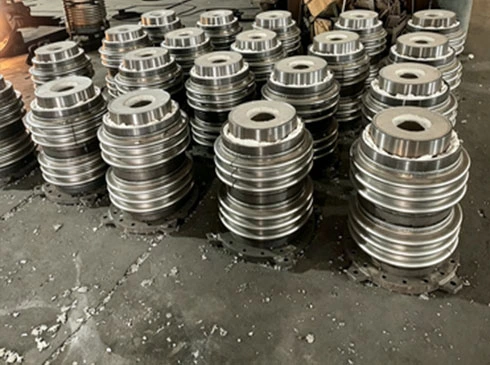
The blast furnace hot blast main is a large-diameter, refractory-lined pipe that carries superheated air—typically between 1,000°C and 1,300°C—from the hot blast stoves to the furnace tuyeres. Acting as the central air distribution artery, it delivers preheated air uniformly to every tuyere around the furnace circumference. This uniform air supply directly governs gas flow distribution inside the furnace, combustion efficiency, and smelting stability. Without a properly functioning hot blast main, coke combustion becomes inconsistent, ironmaking productivity drops, and long-term furnace lining integrity deteriorates.
Understanding the Blast Furnace Hot Blast Main: Fundamentals and Function
What It Is and Why It Matters
The hot blast main is in the middle of the hot blast stoves and the tuyere stock system. This part's main job is to take hot air from the stoves and send it evenly to all of the tuyere ports. Even a small difference in how air is distributed across the tuyeres can change the way gas flows inside the furnace, which lowers the output of iron and raises the fuel use.
Hot Blast Main vs. Cold Blast Main
The blower sends air at room temperature to the stoves through the cold blast main. The hot blast main is in charge of air that has already been fired up. The two systems work at temperatures more than 900°C apart, so they need completely different materials, ways to insulate, and designs for their expansion joints. A common and expensive mistake in plant operations is mixing up the repair schedules for these two parts.
Temperature Range and Furnace Efficiency
The hot blast temperatures in modern big blast furnaces are between 1,100°C and 1,300°C. Publicly available information on ironmaking says that increasing the blast temperature by 100°C can cut the amount of coke needed by 15–20 kg per ton of hot metal. This means that the hot blast main's temperature performance is closely linked to the plant's overall fuel cost and carbon emissions.
Key Design and Maintenance Aspects of the Blast Furnace Hot Blast Main
Materials and Structural Design
The pipe body is typically fabricated from low-alloy steel plate with an internal refractory lining composed of high-alumina castables or brick combinations. The lining thickness and material grade are selected based on the operating temperature and blast pressure of each specific furnace. Expansion joints are installed at calculated intervals to absorb thermal elongation without cracking the shell or lining.
Airflow Control and Pressure Management
Blast pressure along the blast furnace hot blast main must remain steady. Flow control valves and pressure sensors distributed around the ring main allow operators to detect leakage points or blockages early. A pressure drop greater than the designed tolerance at any segment signals either lining spalling or joint deterioration—both of which require immediate attention to prevent unplanned furnace downtime.
Maintenance Best Practices
Routine inspection protocols include the following actions, each of which plays a direct role in avoiding unplanned shutdowns:
- Thermal imaging surveys conducted every quarter identify hot spots on the shell exterior caused by refractory thinning or localized lining failure.
- Pressure differential monitoring across each segment detects early-stage leakage before it becomes a structural issue.
- Expansion joint inspection during planned maintenance windows checks for gasket wear and metal fatigue at connection flanges.
Applying these inspection steps on schedule keeps the hot blast distribution system running without interruption between major repair campaigns, which typically occur every three to five years in well-maintained operations.
Comparing the Hot Blast Main with Other Blast Furnace Components
Hot Blast Main vs. Tuyeres
Copper nozzles called tuyeres are cooled by water and send preheated air straight into the coke bed. Through branch pipes called tuyere stocks, the hot blast main feeds all tuyeres at the same time. If the main has uneven pressure, each tuyere will get a different amount of air, which will make asymmetric combustion zones. This imbalance speeds up sidewall erosion on the side that is over-blown and creates scaffolding on the side that is under-blown.
Insulation Technology Advances
Older blast furnace hot blast mains had firebrick linings that let a lot of heat through. This caused the shell surface to get very hot and heat to escape. At the moment, plants use composite systems that can be made with backup layers with low thermal conductivity that keep the temperatures of the outer shell below 80°C. Not only does this cut down on heat loss, but it also makes the steel shell last longer, which lowers long-term capital costs.
System-Level Impact on Productivity
The hot blast distribution system is often not given as much attention as the stoves or fans when buying teams look at upgrades for blast furnaces. In real life, a hot blast main that isn't well taken care of or isn't the right size causes a bottleneck that stops the stoves from providing their full thermal capacity to the furnace. When this part is looked at as part of a system-level review instead of by itself, productivity gains are more likely to happen.
Buying Guide: How to Choose the Right Blast Furnace Hot Blast Main
Technical Specifications to Verify
Before you place an order, make sure your seller agrees to these important details:
- Inner diameter and design pressure, which must match your existing tuyere stock layout.
- Refractory lining specification, including alumina content, bulk density, and maximum service temperature.
- Expansion joint type and travel distance, sized to the thermal cycling range of your specific furnace campaign.
– The type of expansion joint and the distance it can move, sized to fit the thermal cycling range of your furnace campaign.
Supplier Evaluation Criteria
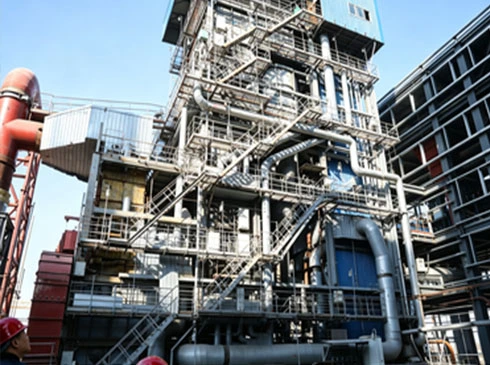
A reliable blast furnace hot blast main supplier should offer test certificates for refractory materials, dimensional inspection reports for the steel shell, and a clear warranty that covers both problems with the materials and help with installation. Ask for examples of past work that has been done with burners that are similar to yours in terms of volume and blast temperature.
Custom Fabrication and Installation Support
Most furnace capacities can be covered by standard catalog sizes. However, older furnaces often need custom ring diameters or branch configurations that aren't standard. Working with a manufacturer that does both design and fabrication in-house instead of outsourcing either cuts down on lead time and the chance of making mistakes with measurements during installation on-site.
Conclusion
It is only possible for a blast furnace to make a lot of iron when all of its parts work together, from the stoves to the tuyeres. The link that makes this possible is the hot blast furnace hot blast main. When it breaks down or wears out, no amount of adjusting the stove or blower level can make up for the lost airflow inside the furnace. Steel plants and coking operations that make this part a priority instead of an afterthought always report lower coke rates, more stable furnace conditions, and longer periods of time without major fixes.
FAQ
1. What operating temperature does the hot blast main handle?
Most new hot blast mains are made to work continuously at temperatures between 1,100°C and 1,300°C, with peak temperatures reaching up to 1,350°C during periods of high productivity. Not only the normal working temperature, but also these peak conditions must be taken into account when choosing the refractory lining.
2. How often should the refractory lining be inspected?
Thermal imaging should be done every three months. Every 12 to 18 months, depending on how often the furnace is used, it is suggested to do a full shutdown inspection that includes measuring the thickness of the lining.
3. Can a hot blast main be repaired without a full furnace shutdown?
Small fixes to the shell and replacement of joints on non-critical parts can sometimes be done during short breaks. However, full lining repair needs a furnace blow-down and usually takes seven to fourteen days, based on the length of the part that needs to be fixed.
4. What causes uneven air distribution across tuyeres?
The three most common reasons are lining spalling that partly stops branch connections, broken expansion joints that let pressure leak, and branch pipes that are too small in diameter. The best way to make a diagnosis is to look at pressure tracking data across all segments.
5. Are customized hot blast mains available for older furnace designs?
Yes. When a company has its own engineering team, it can make non-standard ring sizes, branch angles, and lining configurations that fit older furnace plans without having to make major structural changes.
Talk to SMEC About Your Blast Furnace Hot Blast Main Requirements
SMEC, which is part of Taiyuan Silian Heavy Industry (Group) Co., Ltd., offers tailored blast furnace hot blast main options. They have 168 engineers working on their design and technical side to help them. SMEC is a trusted company that makes hot blast mains for blast furnaces. They make unique ring mains with verified refractory specs and full dimensional inspection documents. To get a product consultation, email project@smec.cc with your technical needs or furnace parameters.
References
1. Geerdes, M., Chaigneau, R., & Kurunov, I. Modern Blast Furnace Ironmaking: An Introduction. IOS Press, 2020.
2. Babich, A., Senk, D., & Gudenau, H. W. Ironmaking. RWTH Aachen University Press, 2016.
3. Iron and Steel Technology (AIST Transactions). Association for Iron & Steel Technology, 2022.
4. Wakelin, D. H. (Ed.). The Making, Shaping and Treating of Steel: Ironmaking Volume. AISE Steel Foundation, 1999.
5. Journal of Iron and Steel Research International. Springer, 2021.
6. Peacey, J. G., & Davenport, W. G. The Iron Blast Furnace: Theory and Practice. Pergamon Press, 1979.
Free consultation & volume discounts available
SEMC focuses on the entire metallurgical process—from coking, ironmaking, and steelmaking to continuous casting and rolling. Whether you face challenges related to equipment upgrades, energy efficiency optimization, or overall process transformation, please fill in the following information. Our technical team will provide you with tailor-made high-end equipment upgrade solutions and professional EPC design services to help your project be implemented efficiently.