Can Three-ring Cone Scrubber Meet Different Blast Furnace Capacity Requirements?
Can Three-ring Cone Scrubber Meet Different Blast Furnace Capacity Requirements?
Understanding Three-Ring Cone Scrubbers in Blast Furnace Operations
- Understanding Three-Ring Cone Scrubbers in Blast Furnace Operations
- Assessing Performance Across Different Blast Furnace Capacities
- Comparing Three-Ring Cone Scrubbers With Other Wet Scrubber Technologies
- Procurement Guide: Selecting the Right Scrubber for Your Furnace Capacity
- SMEC's Engineering Capability and Why It Matters for Your Project
- Conclusion
- FAQ
- Partner With SMEC for Your Blast Furnace Gas Cleaning Project
- References
A blast furnace three-ring cone scrubber is specifically engineered to scale across a wide range of furnace volumes, from compact 300m³ units to large-scale operations exceeding 5,000m³. Its vertically adjustable central cone creates variable annular gaps that respond dynamically to shifting gas volumes and top pressure fluctuations. This hydraulic adaptability makes it far more versatile than fixed-throat alternatives. Whether you're managing a mid-size ironmaking facility or a high-pressure smelting operation, the three-ring configuration maintains outlet dust concentrations below 5mg/Nm³ across all capacity tiers.
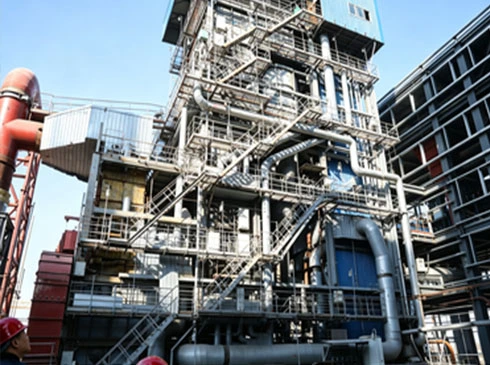
Understanding Three-Ring Cone Scrubbers in Blast Furnace Operations
What Makes the Three-Ring Design Distinct?
A blast furnace three-ring cone scrubber has three circular annular rings and a center cone that can be moved up and down inside a pressurized tank. When gas from the blast furnace enters the blast furnace three-ring cone scrubber, it goes through annular throats that get tighter and tighter, each stage making the gas-water contact stronger. This multi-stage device can catch particles much more quickly than a single-ring configuration can at the same pressure drops. Most of the time, wear-resistant alloy steel or 316L stainless steel is used for the cone assembly. This steel is often treated with Stellite or ceramic coating that meets HRC 55–62 hardness standards.
Integration Into the Gas Cleaning Plant
The blast furnace three-ring cone scrubber is part of the Gas Cleaning Plant (GCP) and is located after the primary coarse cleaner. It is used in modern ironmaking. It can handle gas temps up to 250°C and dust amounts of 10–20g/Nm³ coming in. The clean gas is then sent to either a Top Gas Recovery Turbine (TRT) or burning units. Within 1.5–2 seconds, the hydraulic actuator that controls the position of the cone reacts to changes in pressure. This keeps the top pressure of the furnace stable when the load slips or hangs.
Assessing Performance Across Different Blast Furnace Capacities
People who run factories often wonder if the same design of blast furnace three-ring cone scrubbers really works at all sizes of production. Parametric engineering is the key. It figures out the ring size, throat clearance, and spray flow rates based on the target gas volume rather than a fixed furnace size.
These are the key success measures that stay the same across all levels of business capacity:
- Outlet dust concentration: kept below 5mg/Nm³ no matter how much air is coming out of the furnace. This keeps particles bigger than 2 microns from wearing down TRT blades further downstream.
- Pressure regulation precision: The hydraulic adjustment system keeps the difference pressure within ±2kPa, which is a key factor for safe top-pressure ironmaking processes at 0.2 to 0.3MPa.
- Water-to-gas ratio: Maintaining a water-to-gas ratio of 0.3 to 0.6L/m³ means using a lot less water than older Venturi designs, which means lower operating costs at all sizes.
- Noise profile: The noise level during operations stays below 85dB, which meets health and safety standards for all building types.
These features give plant engineers and purchasing managers a good starting point for figuring out what size equipment is needed for new or improved facilities. The blast furnace three-ring cone scrubber doesn't just deal with differences in capacity; it actually changes to fit them thanks to careful engineering. In modern blast furnace engineering, variable-throat wet scrubbers are different from fixed-resistance systems because they can be changed to fit different needs.
Comparing Three-Ring Cone Scrubbers With Other Wet Scrubber Technologies
Three-Ring vs. Venturi Scrubbers
Because traditional Venturi scrubbers have a set throat, the pressure drop is pretty much fixed at the point where it was designed. When the amount of gas changes, which it does all the time in real ironmaking, a set Venturi either doesn't clean well enough or makes too much resistance. The blast furnace three-ring cone scrubber adjustable design gets rid of this problem completely. It changes the throat area on the fly to match the flow of gas, so it cleans well without putting too much pressure on the stove top.
Spray Nozzle Selection and Scaling
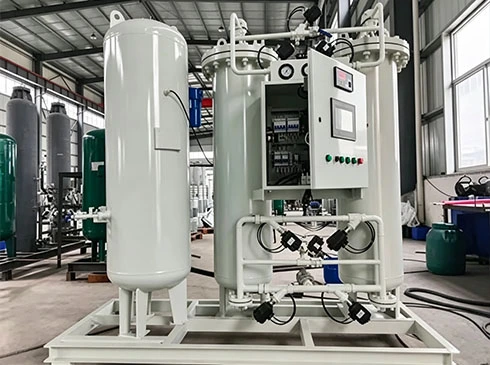
One big difference between multi-ring systems is how the nozzles are set up. Scale doesn't build up on internal spray nozzles that clean themselves while the machine is running. Harder deposits are removed by high-pressure water jetting or acid cleaning during scheduled shutdowns. Keeping the amount of dissolved solids below 50 mg/L and controlling the hardness of the water in systems that reuse water stops calcium from building up on the rings. This is an easy maintenance job that protects long-term performance.
The blast furnace three-ring cone scrubber design is also better for long-term durability over the life of the equipment. The cone assembly usually lasts between 3 and 5 years, but this depends on how harsh the gas is and how good the coating is. Re-coating is a cheaper way to keep it in good shape than replacing it completely.
Procurement Guide: Selecting the Right Scrubber for Your Furnace Capacity
To pick the right wet gas cleaning unit, you need to make sure that a number of process factors fit within the design range of the blast furnace three-ring cone scrubber. Before putting out a request for bid, plant engineers and technical managers should make sure of the following:
- Gas volume range: The throat adjustment range and cone travel distance are based on the maximum and minimum volumetric flow rates.
- Inlet dust load and particle size: If there are higher amounts or bigger particles, the stage before fine cleaning may need to be pre-conditioned.
- Operating pressure: For high-pressure furnaces with a top pressure of 0.2 to 0.3 MPa, the case designs must be tested according to ASME Section VIII standards, with hydraulic testing done at 1.5 times the design pressure.
- Footprint and orientation constraints: installing vertically is normal, but the layout of the plant may make it necessary to connect flanges in a certain way or allow certain access.
- Downstream application: In the downstream application, TRT-linked systems need cleaner outlets than combustion-only systems, which changes the spray density and ring gap limits.
Suppliers with a good reputation offer custom engineering packages that take all of these factors into account. As the parts are being made, quality control checks include using a laser to make sure all three rings are centered, testing the welds with sound waves and x-rays, making sure the hydraulic system works right, and making sure the coating is hard. These review guidelines protect the buyer's business investment in a direct way.
SMEC's Engineering Capability and Why It Matters for Your Project
As a member of Taiyuan Silian Heavy Industry (Group) Co., Ltd., SMEC brings decades of experience with coking and metallurgical tools to every job. Based in Taiyuan, China's well-known heavy industry and energy hub, SMEC has a facility that is 68,700 square meters and employs 168 engineering and technical staff, 30 of whom are senior engineers whose job it is to develop equipment and support projects.
The products that SMEC makes meet the needs of ISO 9001 quality management and ASME Section VIII pressure vessels. Its Large-scale Intelligent Coking Equipment Research Institute is always coming up with new ideas for blast furnace three-ring cone scrubber design, materials science, and combining automation. EPC contractors, integrated steel mills, and foreign wholesalers always choose SMEC because it provides not only equipment but also full technical packages that include engineering plans, installation instructions, help with testing, and ongoing service after the sale.
Conclusion
In conclusion, a blast furnace three-ring cone scrubber can handle different blast furnace capacity needs without sacrificing quality, but by precisely adapting to each one. The system works accurately whether your furnace is 500m³ or 5,000m³ because of the multi-stage gas-water contact design, the hydraulic cone adjustment mechanism, and the strong material specs. This technology is a mature and tried-and-true solution for any facility that wants clean outlet gas, stable top pressure, and low long-term maintenance costs. It is backed by real operational data and engineering standards that can be checked.
FAQ
How does the three-ring design improve efficiency over a single-ring cone?
The blast furnace three-ring cone scrubber structure makes many swirling zones and greatly increases the surface area where gas and water can touch each other. This lets it capture more dust at lower pressure drops than single-ring designs, which makes it especially useful in environments with a lot of dust and changing loads in blast furnaces.
What gas temperatures can the scrubber handle?
The blast furnace three-ring cone scrubber can handle gas temperatures of up to 250°C. The cone and ring assembly are covered by hard surfaces made of alloy steel or ceramic that are rated to HRC 55–62 standards.
How is scaling on the rings managed?
The internal spray tubes are designed to clean themselves. Acid cleaning or high-pressure water washing are examples of scheduled repair. To keep scale from forming, recirculating water should keep the amount of suspended solids below 50 mg/L.
How fast does the pressure control system respond?
The hydraulic actuator usually reacts within 1.5–2 seconds to counteract changes in the top pressure. This keeps the heater running steadily even when the load drops quickly.
What is the typical service life of the cone assembly?
Depending on how rough the gas is and how good the coating is, the cone assembly usually lasts 3–5 years before it needs to be re-coated or replaced. This makes the lifecycle costs predictable.
Partner With SMEC for Your Blast Furnace Gas Cleaning Project
SMEC makes designed blast furnace three-ring cone scrubbers that are built to fit the exact size, pressure, and process needs of your furnace. SMEC is a reliable company that makes blast furnace three-ring cone scrubbers and pressure vessels that meet ASME standards. They work with all phases of a project, from the technical specifications to the commissioning. You can talk to a senior engineer about your needs by emailing project@smec.cc or visiting smecltd.com.
References
1. Iron and Steel Technology (AIST) — 2021
2. Journal of Cleaner Production — 2020
3. Ironmaking & Steelmaking: Processes, Products and Applications — 2019
4. Industrial & Engineering Chemistry Research (ACS Publications) — 2022
5. Metallurgical and Materials Transactions B (Springer) — 2020
6. China Metallurgy — 2023
Free consultation & volume discounts available
SEMC focuses on the entire metallurgical process—from coking, ironmaking, and steelmaking to continuous casting and rolling. Whether you face challenges related to equipment upgrades, energy efficiency optimization, or overall process transformation, please fill in the following information. Our technical team will provide you with tailor-made high-end equipment upgrade solutions and professional EPC design services to help your project be implemented efficiently.