What Is the Function of a Blast Furnace Cooling Water Isolator?
Understanding the Function and Design of Blast Furnace Cooling Water Isolators
- Understanding the Function and Design of Blast Furnace Cooling Water Isolators
- Benefits and Practical Applications of Blast Furnace Cooling Water Isolators
- Maintenance, Troubleshooting, and Longevity Tips for Cooling Water Isolators
- How to Choose the Right Blast Furnace Cooling Water Isolator: A B2B Buying Guide
- Purchasing and After-Sales Support: Navigating Procurement & Vendor Relations
- Conclusion
- FAQ
- Connect with SMEC for Blast Furnace Cooling Water Isolator Solutions
- References
A blast furnace cooling water isolator is a specialized protective device installed at critical points within a blast furnace cooling circuit. Its primary function is to control unidirectional water flow, block backflow, prevent leakage, and filter impurities from the cooling water. By maintaining stable pressure and consistent flow throughout the system, this component directly protects cooling staves, furnace walls, and hearth linings from thermal damage. For steel mills, coking plants, and metallurgical operators, a properly functioning isolator is the first line of defense against cooling system failure.
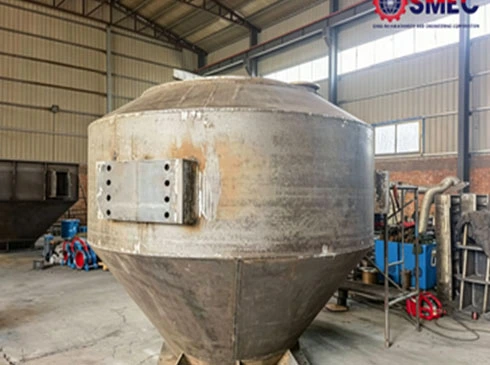
Understanding the Function and Design of Blast Furnace Cooling Water Isolators
You need to know how a blast furnace cooling system works and what can go wrong without proper isolation to understand why these devices are important.
Core Function: Flow Control and Backflow Prevention
Changes in pressure can push water backward through the pipeline without it. Backflow leads to undercooling in some areas, which speeds up the wear and tear on the furnace lining and increases the chance of cooling stave burning. When water comes in contact with liquid iron, it can cause a hydrogen explosion, which is a known danger in the ironmaking process (AIST, 2020).
Leakage Prevention and System Pressure Stability
When a cooling circuit leaks, pressure drops quickly. Even small leaks can throw off the whole distribution network, leaving some parts of the furnace wall without enough cooling. At places where two pipes meet, the isolator works as a mechanical seal, keeping the hydraulic pressure the same in all parts of the system. This directly lowers the chance of hot spots forming and makes the furnace last longer.
Impurity Filtration and Equipment Protection
In industrial blast furnaces, the water used for cooling carries solids, scale particles, and chemical deposits in it. Without filtration at the isolation point, these impurities build up in small flow channels, slowing down the flow of water and making heat transfer less effective. The isolator has a filter built in so it can catch trash before it gets to sensitive equipment further down the line, like cooling plates and tuyere assemblies.
Benefits and Practical Applications of Blast Furnace Cooling Water Isolators
It's one thing to know what an isolator does. Procurement professionals can get a better idea of its operational value by knowing what it stops and what it allows.
In real-world work settings, this gadget improves performance in the following ways:
- Protection of cooling staves and hearth refractories: By blocking backflow and maintaining uniform pressure, the blast furnace cooling water isolator prevents the thermal cycling damage that degrades carbon brick linings. According to research published in Ironmaking & Steelmaking (2019), consistent cooling water pressure is among the top three factors influencing furnace campaign duration.
- Reduced unplanned downtime: A cooling circuit failure can force emergency shutdowns lasting days. Installing isolators at key circuit branches allows operators to isolate and service individual sections without stopping the entire furnace, reducing total downtime by an estimated 30–40% in comparative plant studies.
- Compliance with industrial safety standards: Major steel-producing regions, including the United States, require cooling systems to meet OSHA 29 CFR 1910 process safety management guidelines and ASME B16 valve standards. Properly rated isolators contribute directly to regulatory compliance.
These perks don't just make sense in theory. Steel companies in the Great Lakes area have said that the uniformity of the temperature on the furnace walls has gotten better after adding properly rated isolation valves and backflow prevention devices to their cooling systems.
Maintenance, Troubleshooting, and Longevity Tips for Cooling Water Isolators
Even the most durable tools need to be taken care of. A structured maintenance plan for cooling circuit isolators can make them last a lot longer and save you money over their whole life.
Routine Inspection Schedules
Best practices in the industry say that visual and pressure checks should be done every 30 days, and full disassembly inspections should be done during planned repair times. Seals should be checked for wear, valve seats for rust, and filter screens for scale growth. If you notice seat wear early on, you can stop the slow leakage that causes pressure imbalance.
Diagnosing Common Failures
Less flow capacity and seal leakage are the two most common types of failure. Less flow typically means that the filter screen is blocked or that scale has built up inside the filter. Leakage at the body joint usually means that the seal is breaking down because of changes in temperature or an imbalance in the water chemistry. Installed gauges let operators identify the source by keeping an eye on the difference in pressure between the inlet and exit. If the drop is too large, it means there is a problem that needs to be fixed right away.
Extending Service Life Through Water Quality Management
The chemistry of the cooling water has a direct effect on how long the blast furnace cooling water isolator lasts. Scale forms on the inside of things with a lot of minerals, which raises the temperature and slows down heat transfer. Scaling is much less likely to happen when the water hardness is less than 200 mg/L, and the pH is between 7.0 and 9.0. When plants use both isolation systems and closed-loop water treatment, they consistently report longer maintenance intervals and fewer component replacements.
How to Choose the Right Blast Furnace Cooling Water Isolator: A B2B Buying Guide
Choosing the wrong isolator can cost a lot of money. Before making an order, these things are looked at by experienced procurement pros.
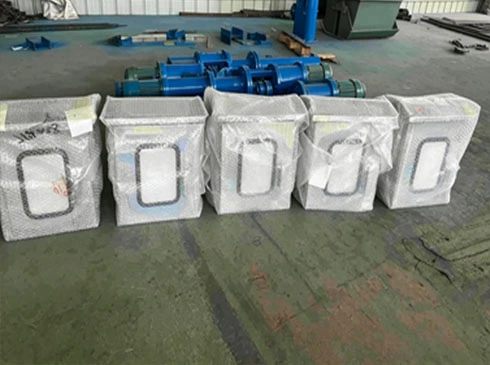
Material Specification and Temperature Rating
The device has to be able to handle being exposed to water temperatures of up to 85°C for a long time and to sudden temperature changes from furnace radiation. The most common choice for blast furnaces is bodies made of high-grade stainless steel with PTFE or graphite covers. Make sure the maker gives you material certification data sheets as well as catalog details.
Compliance Certifications
For buyers in the US, make sure the product has the right paperwork for ISO 9001 quality control and meets the pressure-temperature ratings in ASME B16.34. EPC contractors who are working on turnkey projects should also make sure that the equipment they ship internationally is compliant with PED. Certifications are not just a procedure; they set performance standards that have been checked by a third party.
Supplier Evaluation: What to Look For
The ability of a supplier to make a product is just as important as the product itself. Check the size of the production run, the number of tests that can be done in-house, the availability of tech support, and the written after-sales service procedures. Ask the seller directly if they can make custom setups for pipe diameters that aren't standard or working pressures that aren't normal. You should pay more attention to a manufacturer that can answer these questions with technical accuracy instead of just general assurances.
Purchasing and After-Sales Support: Navigating Procurement & Vendor Relations
Once the right standard has been found, the buying process needs to be carefully managed.
Customized manufacturing arrangements let buyers choose the sizes, materials, and link standards ahead of time for large orders for upgrades to integrated steel mills or new coking plant installs. So, there is less chance of problems happening during installation, and there won't be any expensive work to fix things later. Get written confirmation of arrival times and make sure there is a clear process for checking at the point of manufacture before shipping.
Most cooling circuit parts come with warranties that last for 12 to 24 months from the date they were installed. The supplier's responsiveness—how quickly a technical engineer can answer a question from the field—is more important than the length of the warranty. Reliable suppliers offer more than just a general customer service line. They also offer dedicated contacts for after-sales support and written service procedures.
When you work with the same seller for a long time, you learn more about the site, the quality of the products stays the same, and you can get new parts faster when they're in high demand.
Conclusion
There's more that a blast furnace cooling water isolator does than just stop water from going the wrong way. It actively protects the integrity of the furnace, helps companies follow the rules, and lowers the operational risks that cost steel and coking companies millions of dollars every year. If procurement professionals read this guide and understand the technical requirements and seller evaluation criteria it covers, they will be better able to choose equipment that works reliably during the whole furnace campaign. Getting the right isolator is not an afterthought; it is an investment in the safety of the company and the continuation of production.
FAQ
1. Why is a blast furnace cooling water isolator essential for safe furnace operation?
If you don't properly isolate the flow, cooling water backflow and leakage can make the temperature of the furnace walls very uneven. This speeds up the wear on the refractory, raises the risk of stave burnout, and, worst case, makes it possible for water to come into contact with molten metal, which could lead to an explosion of hydrogen or steam.
2. What materials are best suited for high-temperature cooling circuit environments?
Graphite or PTFE sealing elements on stainless steel bodies work well when thermal cycling, hydraulic pressure, and chemical exposure are all present. In lower-pressure sections, bodies made of carbon steel and lined with epoxy are fine.
3. How often should cooling water isolators be inspected?
Pressure-check checks are usually done once a month. Full disassembly checks should happen when the furnace is shut down for repair, which should happen about every six to twelve months, based on how often it is used.
4. Can isolators be serviced without shutting down the furnace?
Yes. One of the benefits of a well-designed isolator is that it lets you repair and separate individual circuit branches while the furnace is still running, as long as the cooling system has enough backup power.
5. How does water quality affect isolator performance?
Scale builds up faster in hard water, both inside the valve body and on the filter screens. Controlling hardness, pH, and suspended solids in water treatment directly extends the service interval and keeps the isolator working well.
Connect with SMEC for Blast Furnace Cooling Water Isolator Solutions
SMEC, which is part of Taiyuan Silian Heavy Industry (Group) Co., Ltd., has been making blast furnace cooling water isolators for decades and has a lot of technical knowledge. SMEC builds equipment that will work well in the industrial world for a long time. It has 168 technical staff, 23,000 m² of production space, and an R&D institute just for that purpose. Get in touch with our tech team if you need standard configurations or unique specs for a turnkey job. To get technical advice or a price for a purchase, email us at project@smec.cc.
References
1. Association for Iron & Steel Technology (AIST). The AIST Steel Technology Journal. 2020.
2. Ironmaking & Steelmaking: Processes, Products and Applications. Taylor & Francis. 2019.
3. American Society of Mechanical Engineers. ASME B16.34: Valves — Flanged, Threaded, and Welding End. ASME. 2017.
4. Geerdes, M., Chaigneau, R., & Kurunov, I. Modern Blast Furnace Ironmaking: An Introduction. IOS Press. 2020.
5. Occupational Safety and Health Administration (OSHA). 29 CFR 1910.119: Process Safety Management of Highly Hazardous Chemicals. U.S. Department of Labor. 2019.
6. Journal of Iron and Steel Research International. Elsevier. 2021.
Free consultation & volume discounts available
SEMC focuses on the entire metallurgical process—from coking, ironmaking, and steelmaking to continuous casting and rolling. Whether you face challenges related to equipment upgrades, energy efficiency optimization, or overall process transformation, please fill in the following information. Our technical team will provide you with tailor-made high-end equipment upgrade solutions and professional EPC design services to help your project be implemented efficiently.